The vast majority of supplements labeled “prebiotic” are just cheap fiber isolates promising more than they deliver. The real marker of efficacy isn’t the buzzword on the front of the bottle—it’s the specific compound, the colony-forming-unit count, and whether the formula actually survives your upper GI tract to feed the right bacteria. Finding a supplement that does its job without causing bloating, gas, or digestive distress is harder than the marketing lets on.
I’m Mohammad Maruf — the founder and writer behind AirfryerBite. I’ve spent over a decade analyzing supplement formulations, digging into clinical studies on gut health, and cross-referencing third-party lab results to separate high-efficacy prebiotic products from the overhyped shelf-fillers.
This guide is built specifically to cut through the noise and help you identify the best prebiotic supplement for your unique digestive needs without wasting money on formulas that don’t deliver measurable results.
How To Choose The Best Prebiotic Supplement
Most people pick a prebiotic based on price or a familiar brand name without checking what type of fiber it actually contains. That mistake usually ends with bloating, stomach cramps, or zero results. Here is what actually matters.
Identify the Fiber Source — Inulin vs. Wheat Dextrin vs. Oligofructose
Inulin, often sourced from chicory root or blue agave, is the most common prebiotic fiber. It feeds beneficial bacteria effectively, but it can cause significant gas and bloating for sensitive individuals. Wheat dextrin, by contrast, dissolves clear and tasteless, mixes into any beverage without changing texture, and is generally much gentler on the digestive tract. Oligofructose-enriched inulin (OEI) is a more advanced formulation that feeds bacteria throughout the entire colon. Your choice should align with your current digestive sensitivity.
Form Matters — Powder, Gummy, or Caplet
Powders offer the most dosing flexibility and are easy to mix into coffee, water, or food. Gummies are convenient and taste pleasant but often contain added sugars or sugar alcohols that can defeat the purpose. Caplets are portable and flavorless but may be difficult to swallow, and some have sharp edges that stick in the throat. Your lifestyle and swallowing comfort should dictate this choice.
Check for Synergistic Additives and Certifications
A pure prebiotic is one thing; a formula that also includes probiotic strains with a guaranteed CFU count at expiration offers broader gut support. Look for third-party testing, organic certifications, non-GMO verification, and explicit notes about the absence of added sugar, gluten, and artificial fillers. These markers indicate the manufacturer is serious about quality control.
Quick Comparison
On smaller screens, swipe sideways to see the full table.
| Model | Category | Best For | Key Spec | Amazon |
|---|---|---|---|---|
| Physician’s CHOICE 60B Probiotics | Synbiotic | Combined gut support | 60B CFU / 10 strains | Amazon |
| Prebiotin Prebiotic Fiber Powder | OEI Prebiotic | Full-colon support | Oligofructose-Enriched Inulin | Amazon |
| Benefiber Prebiotic Caplets | Caplet | On-the-go convenience | GLP-1 friendly formula | Amazon |
| Leader Prebiotic Fiber Powder | Wheat Dextrin | Gentle daily digestion | Unflavored / taste-free | Amazon |
| New Chapter Organic Fiber Gummies | Gummy | Kids and travel | USDA Organic / no added sugar | Amazon |
In‑Depth Reviews
1. Physician’s CHOICE Probiotics 60B CFU + Organic Prebiotics

Physician’s CHOICE delivers a potent synbiotic formula combining 60 billion CFU across ten diverse probiotic strains with organic prebiotics that feed those organisms once they colonize your gut. The acid-resistant capsules and shelf-stable bottle ensure the bacteria survive stomach acid and remain viable until the expiration date, which is a major advantage over refrigerated alternatives that degrade during shipping or storage.
Customer reports consistently highlight significant improvements in bloating, constipation, and overall regularity within the first week to month of use. The 30-count supply provides a full month of daily support, and the capsules are small enough that users with swallowing sensitivity rarely complain about size. The formula is also third-party tested for purity and potency, giving it a quality-control edge over many competitors.
The only real drawback is the price per bottle relative to simpler single-strain prebiotics, but when you compare the combined prebiotic and probiotic action, the cost-per-benefit ratio actually favors this product for anyone seeking comprehensive gut microbiome support rather than just bulk fiber.
Why it’s great
- High 60B CFU count with ten diverse strains for broad gut coverage
- Acid-resistant capsules ensure survivability through the digestive tract
- No refrigeration required, making it ideal for travel and daily convenience
Good to know
- Higher price point than prebiotic-only powders
- Some users may experience temporary gas during the first week of use
2. Prebiotin Prebiotic Fiber Supplement Powder

Prebiotin stands out because its Oligofructose-Enriched Inulin (OEI) formula is designed to feed beneficial bacteria throughout the entire colon, not just the upper portion. This full-spectrum approach makes it particularly effective for people who have experienced significant gut dysbiosis, antibiotic damage, or chronic digestive issues that simpler prebiotics cannot correct. The powder dissolves clear in water or coffee with zero added flavor, so it does not alter the taste of your morning beverage.
Real-world reviews from long-term users are remarkably passionate—one customer reported that after using Prebiotin consistently, they no longer needed to see a gastroenterologist. That said, the formula is potent, and several users noted that starting with a full scoop caused severe bloating, dizziness, or anxiety-like symptoms. The manufacturer recommends starting with a very small dose if you have a sensitive gut.
This product is made in the USA under GMP standards and is free of fat, sodium, gluten, and low in carbohydrates, making it suitable for low-carb and vegetarian diets. The 8.68 oz jar provides a solid supply, though the price sits at the premium end of the prebiotic spectrum.
Why it’s great
- Oligofructose-Enriched Inulin feeds bacteria throughout the entire colon
- Dissolves completely clear and has no added flavor or texture
- Strong clinical research backing and passionate long-term user base
Good to know
- Potent formula can cause severe bloating and dizziness if starting dose is too high
- Premium pricing compared to standard inulin or wheat dextrin powders
3. Benefiber Prebiotic GLP-1 Friendly Fiber Supplement Caplets
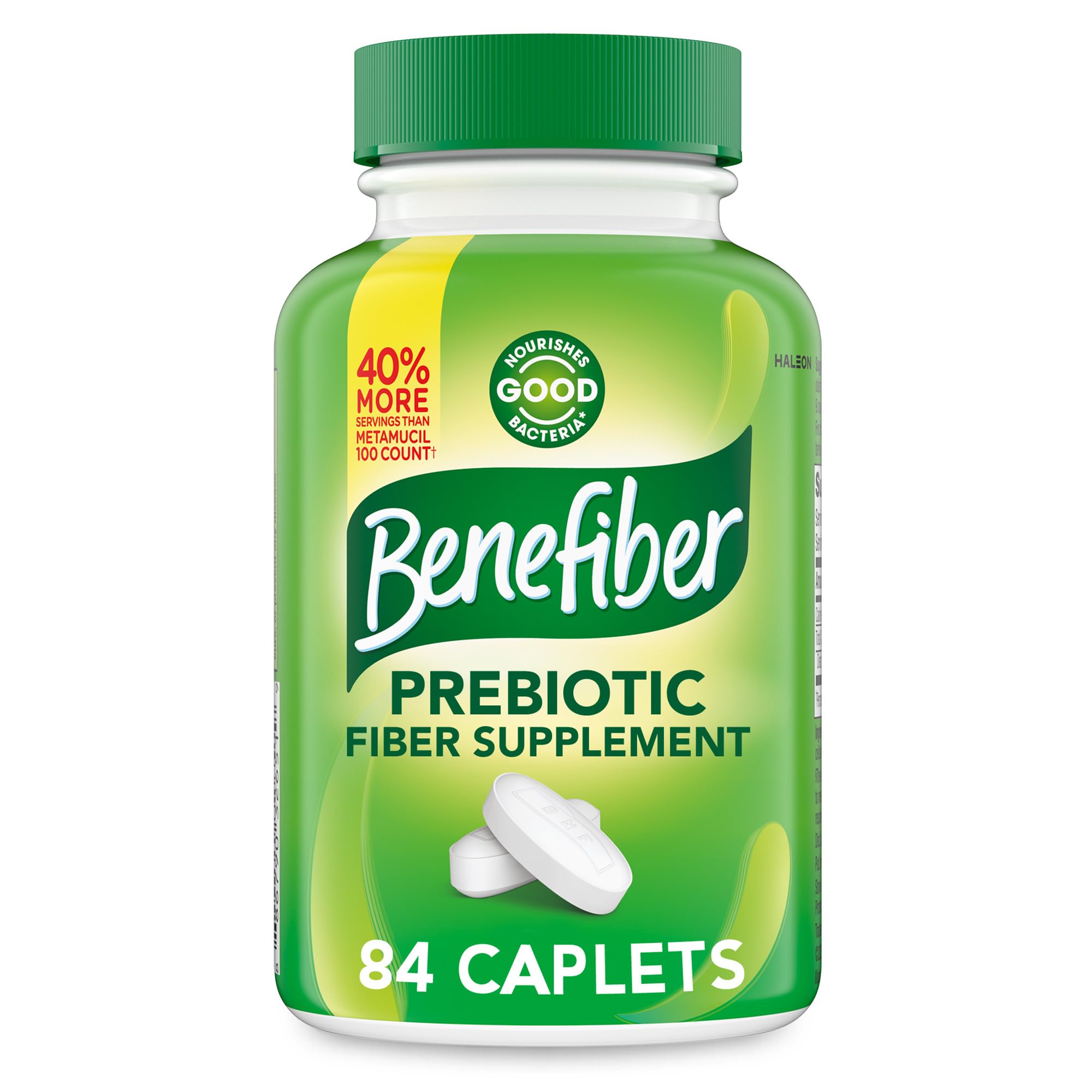
Benefiber is America’s number one prebiotic fiber brand for a reason—it delivers a reliable, plant-based prebiotic in a convenient caplet format that is easy to toss in a bag and take on the go. Each serving of three caplets provides twice the fiber of the leading fiber capsule, and the formula is specifically marketed as GLP-1 friendly, which matters for individuals managing blood sugar response alongside digestive health.
Customer feedback is consistent: the caplets are effective for maintaining regularity and are gentle on the stomach even for post-gastric bypass patients who struggle with bloating from other fiber supplements. However, multiple reviews warn that the caplets are large and have sharp corners that can stick in the throat, so they are not suitable for anyone with swallowing difficulties.
The 84-count bottle is priced competitively for a premium brand, and the product is HSA and FSA eligible, which adds financial flexibility. If you prioritize portability and already trust the Benefiber name, this caplet form eliminates the need to mix powders or chew gummies.
Why it’s great
- Convenient caplet format requires no mixing or measuring
- GLP-1 friendly formulation supports blood sugar management
- Gentle on the stomach even for sensitive digestive systems
Good to know
- Caplets are large with sharp corners that may be hard to swallow
- Not ideal for those who prefer a tasteless powder to mix into drinks
4. Leader Prebiotic Fiber Supplement Powder
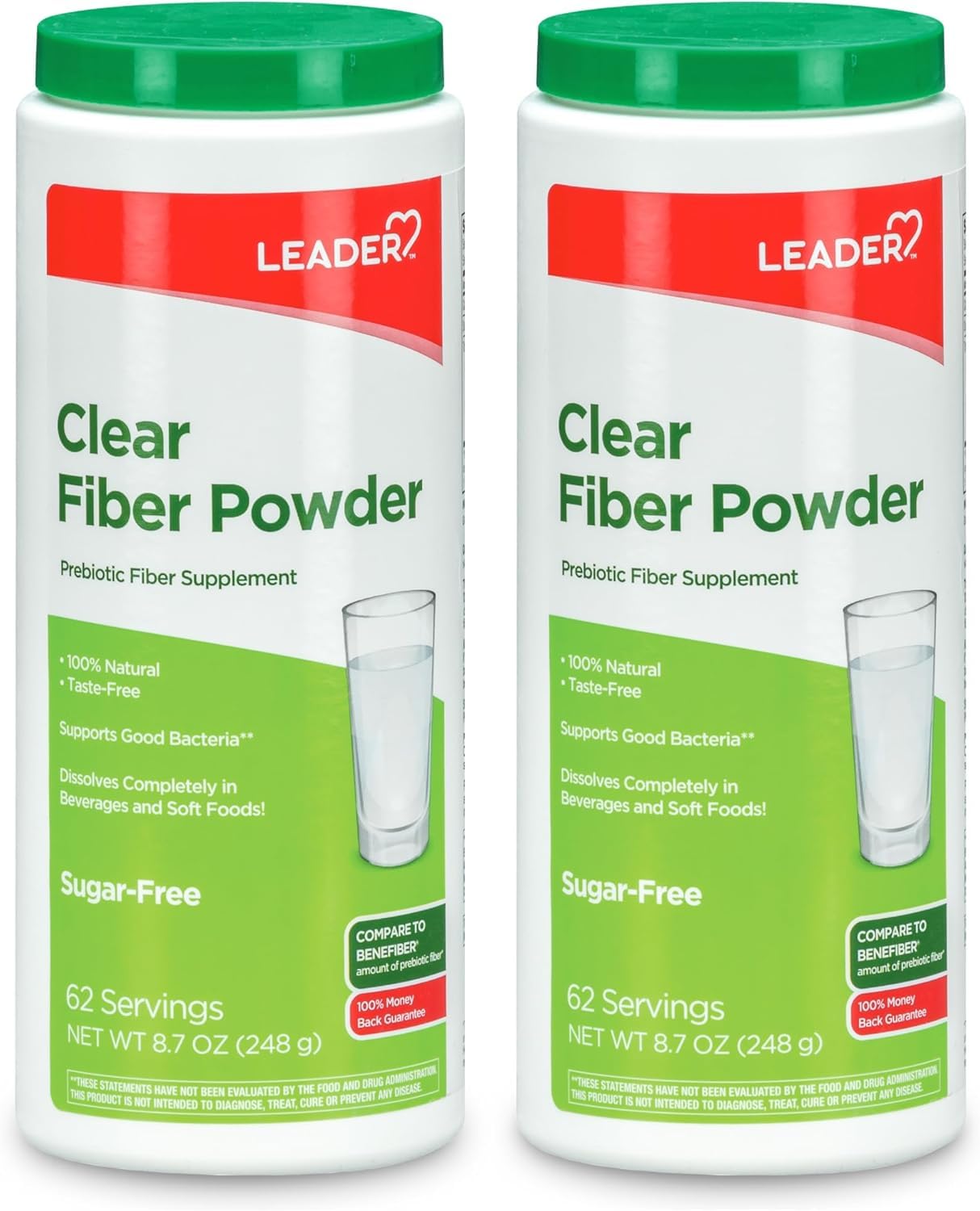
Leader’s prebiotic fiber powder is built on wheat dextrin, the same base ingredient used in Benefiber’s original formula, but at a significantly more accessible price point. The powder is completely unflavored and dissolves without grit or texture, making it invisible when added to coffee, water, juice, or even soup. Each 8.7 oz container provides 62 servings, and this pack includes two containers for extended use.
Users who switched from psyllium-based products report that wheat dextrin is far gentler on the digestive tract because it does not create bulk—instead, it improves movement quality and digestion without the bloating or gas that psyllium often causes. Some customers mix it 50/50 with psyllium for a balanced approach. The main criticism is that the powder does not last very long if two people use it daily, and some users found the price per ounce unsustainable compared to bulk inulin powders.
This is an excellent entry-level prebiotic for anyone new to fiber supplementation who wants a taste-free, easy-to-mix option that works reliably without causing digestive distress. The brand position as a value alternative to Benefiber is well earned.
Why it’s great
- Wheat dextrin dissolves completely clear and has zero taste
- Much gentler on the digestive system than psyllium-based alternatives
- Two-pack provides good supply at a value-oriented price point
Good to know
- Does not last long if two people use it daily
- Some users find the cost per serving higher than bulk inulin options
5. New Chapter Organic Fiber Gummies

New Chapter takes a different approach by delivering prebiotic fiber through a gummy format made with organic blue agave inulin, baobab fruit, and acacia seyal. Each gummy provides plant-based fiber without added sugar, making it safe for adults and children aged four and up. The citrus-berry flavor is genuinely pleasant, and the texture avoids the sticky, synthetic feel of many competing gummy supplements.
Customer reviews consistently praise the taste and the absence of gas symptoms that plague other fiber products. Multiple users specifically mention using these gummies while traveling to ensure they maintain adequate fiber intake when diet quality drops. The USDA Organic and Non-GMO Project Verified certifications add a layer of trust for families who prioritize clean-label supplements.
The main trade-off is the relatively low fiber dose per gummy compared to powders or caplets. You need to eat multiple gummies to get a meaningful amount of prebiotic fiber, and the 60-count bottle does not last as long as a powder tub. Still, for families, kids, or anyone who struggles with pills and powders, this is the most palatable option on the list.
Why it’s great
- USDA Organic and Non-GMO Verified with no added sugar
- Pleasant citrus-berry flavor with no funky texture or smell
- Suitable for both adults and children aged 4 and up
Good to know
- Lower fiber dose per gummy compared to powders
- 60-count bottle runs out faster than powder alternatives for daily use
FAQ
Can I take a prebiotic supplement if I have IBS or a sensitive gut?
What is the difference between prebiotics and probiotics in a combined supplement?
Final Thoughts: The Verdict
For most users, the best prebiotic supplement winner is the Physician’s CHOICE Probiotics 60B CFU because it combines a high-potency probiotic dose with organic prebiotics in a shelf-stable, acid-resistant capsule that delivers measurable digestive improvements without refrigeration hassle. If you want full-colon prebiotic support with a research-backed OEI formula, grab the Prebiotin Prebiotic Fiber Powder. And for a budget-friendly, taste-free powder that dissolves into any drink without causing bloating, nothing beats the Leader Prebiotic Fiber Supplement Powder.