Dust, grime, and old polish buildup can turn a beautiful wood table, cabinet, or antique into a dull, lifeless surface. The wrong cleaner strips natural oils, leaves a sticky residue, or contains harsh chemicals that fade the wood grain over time. Finding a product that cleans effectively without damaging the finish is the real challenge.
I’m Mohammad Maruf — the founder and writer behind AirfryerBite. I spend my time analyzing household care formulations, comparing ingredient safety profiles, and reading thousands of verified buyer experiences to identify which wood cleaners actually deliver on their promises.
After comparing dozens of formulations, I’ve identified the top performers that balance deep cleaning with surface protection. This guide covers the best wood furniture cleaner options available now, focusing on formulas that restore luster without harsh buildup.
How To Choose The Best Wood Furniture Cleaner
Not all wood furniture cleaners are created equal. Some are designed for quick dust removal, while others penetrate deep to restore moisture and hide scratches. The wrong choice can leave a cloudy film or strip the wood’s natural patina. Focus on these factors before buying.
Oil-Based vs. Water-Based Formulas
Oil-based cleaners, such as those containing lemon oil, orange oil, or mineral oil, penetrate the wood to replenish lost moisture and enhance grain visibility. Water-based sprays are better for quick dusting on sealed surfaces but lack the restorative properties oils provide. For antiques or dry wood, an oil-based formula is the better investment.
Ingredients to Avoid: Silicone and Wax Buildup
Many commercial polishes rely on silicone to create an instant shine, but this layer traps dust and becomes difficult to remove over time. Look for silicone-free or wax-free formulations if you plan to refinish the piece later. Beeswax-based polishes add a protective layer without the greasy feel of silicone-heavy products.
Surface Compatibility
Check whether the cleaner is safe for finished wood, unfinished wood, or both. A product designed for sealed kitchen cabinets may not work on an antique sideboard with a shellac finish. Products that explicitly mention antique-safe or water-ring removal are more versatile for mixed-surface homes.
Quick Comparison
On smaller screens, swipe sideways to see the full table.
| Model | Category | Best For | Key Spec | Amazon |
|---|---|---|---|---|
| Scott’s Liquid Gold | Premium | Streak-free shine on antiques | 11.5 oz spray (pack of 3) | Amazon |
| Howard Products Lemon Oil | Premium | Restoring dry or faded wood | 16 oz spray, silicone-free | Amazon |
| Natchez Solution Complete | Mid-Range | Antiques and water stain removal | 8 oz, beeswax + lemon oil | Amazon |
| Milsek Furniture Polish | Mid-Range | Water ring removal on cabinets | 12 oz, no water/wax/silicone | Amazon |
| Method Wood Polish | Budget-Friendly | Quick shine on finished wood | 14 oz, almond scent | Amazon |
In‑Depth Reviews
1. Scott’s Liquid Gold Wood Care Spray Cleaner
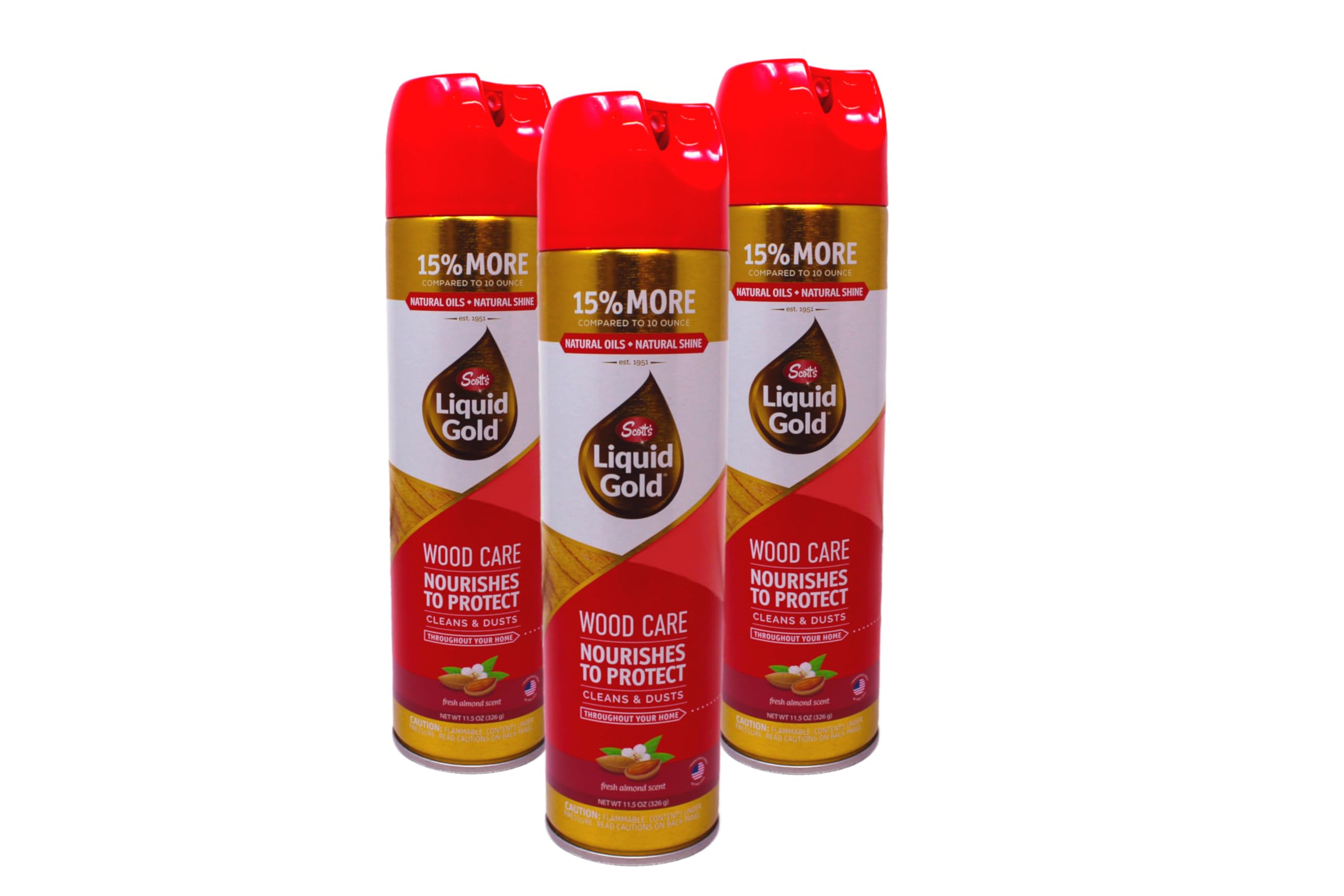
Scott’s Liquid Gold has a decades-long reputation for restoring old, dry wood to its original color and luster. This 11.5-ounce spray formula penetrates deep to replenish moisture, helping to prevent cracking, warping, and fading. Users consistently report a streak-free shine that holds up well between cleanings.
What sets this product apart is its ability to repel dust while removing light wax buildup. Many buyers with antique furniture mention that it revitalizes pieces without leaving a sticky residue. The three-pack format offers solid value for households with multiple wood surfaces.
The formula works especially well on older wood trim, cabinets, and furniture that has lost its grain definition. It enhances natural color rather than adding a temporary glossy coat. For a deep restorative clean, Scott’s is a top-tier choice.
Why it’s great
- Restores natural color and grain on antiques
- Streak-free shine that resists dust buildup
Good to know
- Strong scent requires good ventilation during use
2. Howard Products Lemon Oil Furniture Polish

Howard’s Lemon Oil Furniture Polish is a go-to for restoring dry or fading wood surfaces. Unlike silicone-heavy polishes, this formula penetrates the wood rather than sitting on top, preventing drying and cracking over time. The 16-ounce spray bottle covers a generous area per application.
The fresh lemon scent is pleasant without being overpowering, and the spray nozzle delivers an even mist. Users recommend spraying onto a cloth first rather than directly onto the surface to avoid splatter. It works on both finished and unfinished wood, making it flexible for various household items.
Some buyers note that the recipe uses mineral oil as the base, not pure lemon oil, but the performance for dust removal and shine is consistent. For regular maintenance that extends the life of wood furniture, Howard’s is a reliable silicone-free option.
Why it’s great
- Penetrates wood to prevent cracking and fading
- Silicone-free formula won’t build up over time
Good to know
- Spray on cloth first to avoid splatter on walls
3. Natchez Solution Complete Furniture Care

Natchez Solution blends beeswax, lemon oil, and FDA-quality mineral oil into a hypoallergenic polish that’s especially popular among antique owners. The 8-ounce bottle is compact, but a little goes a long way — users report multiple applications from a single bottle. It’s designed to remoisturize dry wood and remove light scratches and water stains.
The formula leaves a rich emollient finish without the waxy buildup common with cheaper polishes. Buyers mention that it works wonders on old sewing tables, teak furniture, and even antique bronze accents. It’s not intended for daily use, making it a periodic treatment product rather than a quick dusting spray.
Because it contains no harsh chemicals, it’s safe for use around children and pets after the polish has dried. For anyone restoring vintage pieces, this natural formulation offers deep nourishment that spray-on polishes cannot match.
Why it’s great
- Beeswax and lemon oil revive dry, neglected wood
- Safe and gentle enough for antique finishes
Good to know
- Meant for periodic deep conditioning, not daily use
4. Milsek Furniture Polish and Wood Cleaner with Orange Oil

Milsek’s orange oil formula is formulated to clean, polish, and protect without water, wax, or silicone. The absence of these common fillers means no sticky buildup and no dulling residue. It’s particularly effective at removing heat rings and water stains from cabinets and tables.
The fresh orange scent transforms cleaning into a more pleasant task, and users praise its performance on dark espresso finishes where other products leave streaks. Some buyers also use it on soap scum on shower doors, demonstrating its versatility. The 12-ounce bottle is compact but concentrated — a small amount covers a large surface.
Ventilation is recommended due to the strong natural orange oil aroma, and gloves can help if you have sensitive skin. For households dealing with water-damaged cabinets or tabletops, Milsek offers a targeted solution that restores without stripping the finish.
Why it’s great
- Removes heat and water rings effectively
- No wax or silicone means no harmful buildup
Good to know
- Strong orange scent requires good airflow
5. Method Wood Polish, Almond
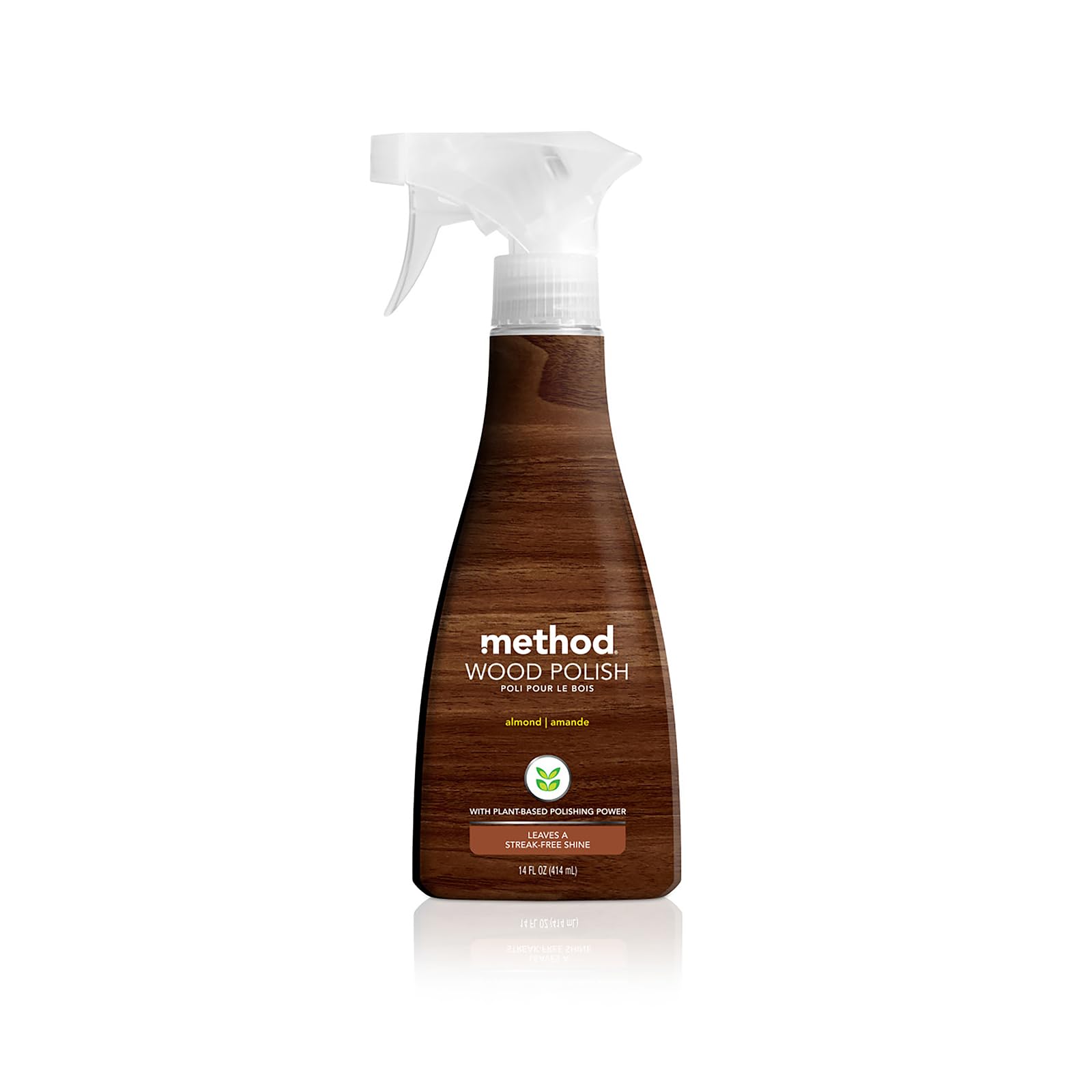
Method’s Wood Polish offers a straightforward approach to polishing finished wood surfaces. The 14-ounce spray bottle delivers a mild almond scent that users consistently love. It’s designed to shine and protect already-sealed wood furniture and cabinets without heavy chemicals.
The bottle is made from 100 percent recycled plastic (minus the nozzle), and the formula is cruelty-free. It’s a great option for maintenance — applying every few weeks keeps cupboards and window sills looking clean and receiving compliments. Many buyers pair it with a wood cleaner first for a deeper clean.
On unfinished or antique wood, this product may not provide the deep nourishment that oil-based cleaners offer. For quick shine on modern finished furniture, it’s a reliable, pleasant-smelling choice that aligns with eco-conscious values.
Why it’s great
- Pleasant almond scent with a streak-free shine
- Eco-friendly packaging and cruelty-free formula
Good to know
- Best for finished surfaces, not deep restoration
FAQ
Can I use lemon oil on unfinished wood?
How often should I deep condition my wood furniture?
Final Thoughts: The Verdict
For most users, the best wood furniture cleaner winner is the Scott’s Liquid Gold because it restores color and grain while repelling dust with a streak-free finish. If you want a silicone-free option for regular maintenance, grab the Howard Products Lemon Oil. And for a deep natural conditioning treatment on antiques, nothing beats the Natchez Solution Complete Furniture Care.