The weeks and months after childbirth bring a unique set of demands — sleep deprivation, physical recovery, and the constant nutritional drain of breastfeeding. Your body’s stores of iron, vitamin D, magnesium, and choline get depleted faster than typical multivitamins can replenish, making targeted supplementation a practical necessity rather than an afterthought.
I’m Mohammad Maruf — the founder and writer behind AirfryerBite. I spend my days analyzing supplement formulations, bioavailability data, and third-party testing protocols to identify which products deliver on their label claims for specific life stages like postpartum recovery.
Whether you are struggling with fatigue, mood fluctuations, or low iron stores, selecting the right combination of nutrients is critical. This guide breaks down five rigorously vetted options to help you find the best vitamins for postpartum support that fit your specific recovery needs.
How To Choose The Best Vitamins For Postpartum
Postpartum recovery demands formulations that prioritize gentle digestion, high bioavailability, and targeted nutrient dosages. A generic women’s multivitamin often falls short because it ignores the specific deficiencies that develop during pregnancy and breastfeeding. Focus on the form of each nutrient, not just the milligram count.
Prioritize Bioavailable Forms of Iron
Iron bisyglycinate is the gold standard for postpartum use. Unlike ferrous sulfate, which commonly causes constipation, nausea, and stomach cramps, bisglycinate is chelated to amino acids for direct transport across the intestinal wall. Look for 13.5 to 18 mg of elemental iron per serving, and consider pairing it with vitamin C from acerola fruit to boost absorption without synthetic additives.
Look for Third-Party Testing on Heavy Metals
Postpartum supplements are often taken daily for months, so ingredient purity matters beyond just the active compounds. The Clean Label Project certification and NSF Non-GMO verification flag products that have been screened for lead, mercury, arsenic, pesticide residues, and plasticizers. Products without such testing may contain contaminants that accumulate in breast milk.
Quick Comparison
On smaller screens, swipe sideways to see the full table.
| Model | Category | Best For | Key Spec | Amazon |
|---|---|---|---|---|
| Ritual Natal Choline | Choline | Infant cognitive development | 550 mg Choline Chloride per serving | Amazon |
| Pink Stork Magnesium Glycinate | Magnesium + D3 | Sleep and mood balance | Magnesium Glycinate + 100% DV Vitamin D3 | Amazon |
| Pink Stork Iron for Women | Iron + C | Energy recovery | 18 mg Iron Bisglycinate + Vitamin C | Amazon |
| Needed. Prenatal Iron | Flexible Iron | Customizable dosing | 13.5 mg elemental iron per capsule | Amazon |
| Ora Organic Vitamin D3 | Vegan D3 | Vegan / plant-based diet | 2000 IU D3 from Lichen | Amazon |
In‑Depth Reviews
1. Ritual Natal Choline Supplement
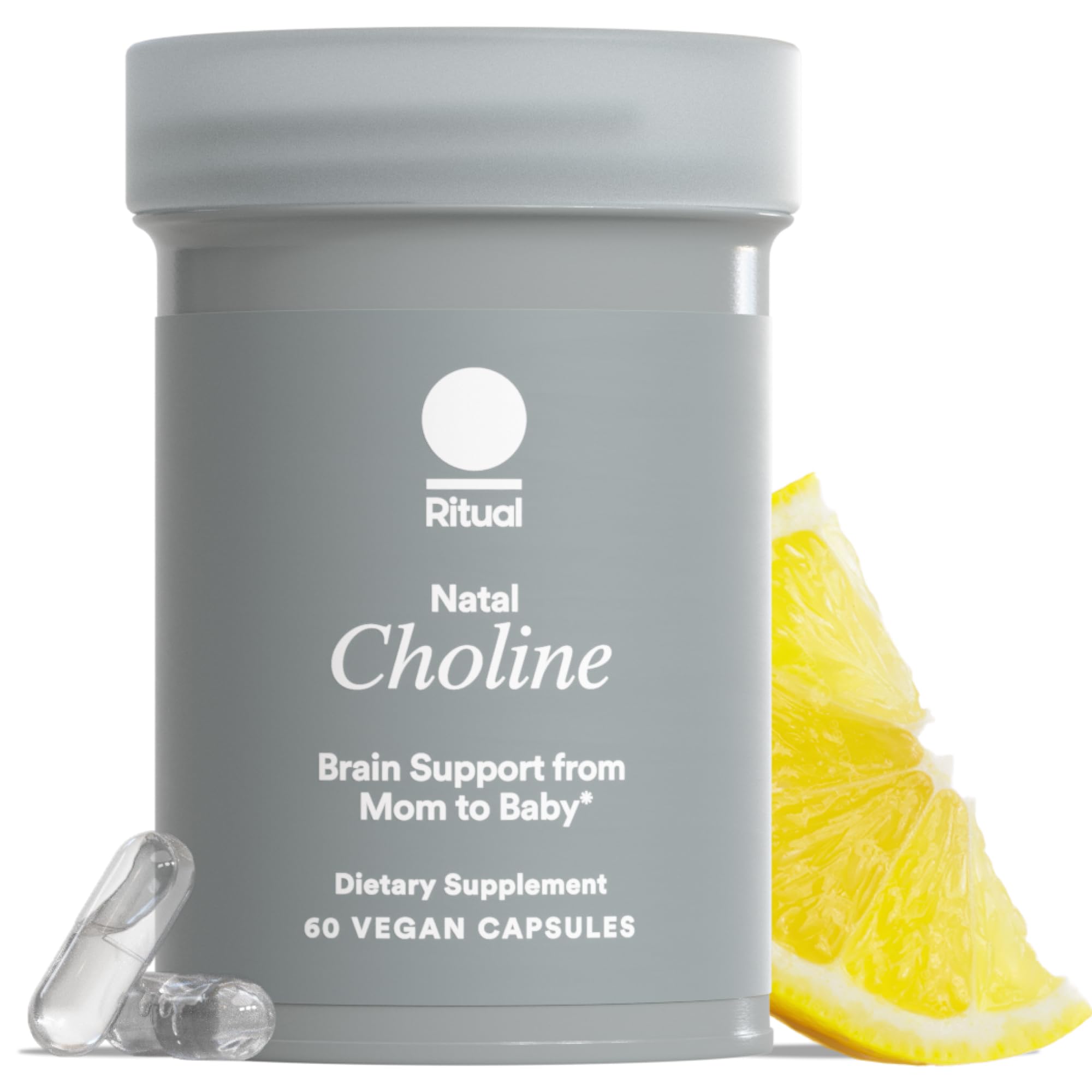
Ritual delivers 550 mg of choline as choline chloride — a high-potency, clinically-studied form that supports infant cognitive function when taken during pregnancy and breastfeeding. Independent research shows that adequate choline intake helps the body efficiently use Omega-3 DHA, making this a strategic addition for mothers focused on neurodevelopment. The capsules carry a light citrus scent and are designed to be easy to swallow without causing stomach discomfort.
Clean Label Project Certification provides reassurance that each lot has been screened for over 200 environmental contaminants including lead, mercury, and glyphosate. The formulation is vegan, sugar-free, gluten-free, and free from artificial colors and sweeteners. Each bottle provides 30 servings at two capsules per serving, which aligns well with the increased demand for choline during lactation.
Users report a noticeable lemon smell from the container when first opened, though the aroma dissipates quickly after airing. The supplement has no known interactions with other prenatal or postnatal supplements, but the mild citrus aftertaste may not appeal to everyone. Ritual offers a 30-day happiness guarantee directly through their support team.
Why it’s great
- Third-party tested for heavy metals and contaminants
- Vegan and allergen-free formulation
- Clinically-backed dosage for cognitive support
Good to know
- Strong lemon scent from packaging initially
- Higher cost per serving than standard choline
2. Pink Stork Magnesium Glycinate with Vitamin D
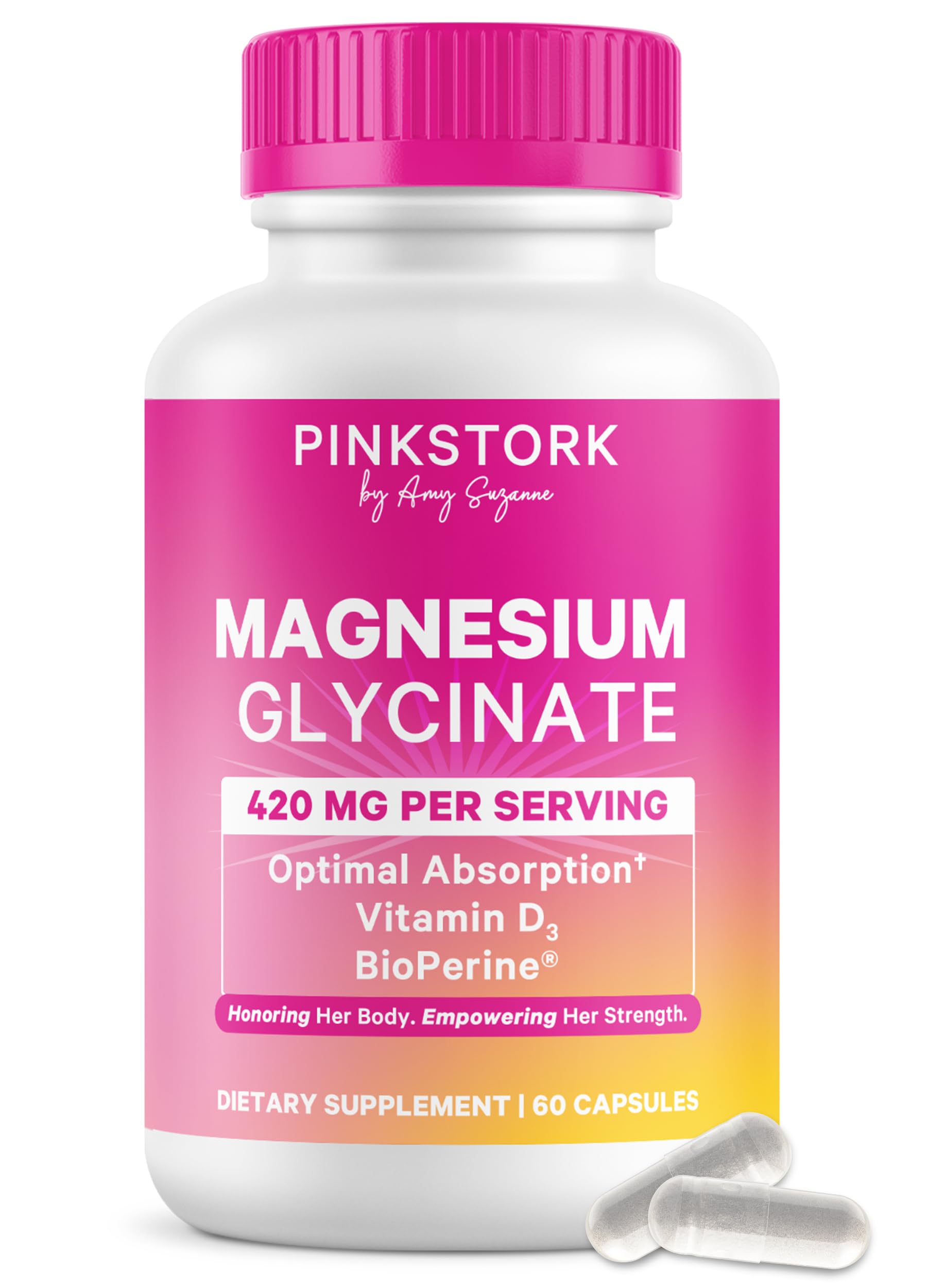
Magnesium glycinate is one of the few mineral forms that crosses the blood-brain barrier effectively, making it ideal for postpartum sleep support and mood stabilization. Pink Stork combines 100% of the Daily Value of magnesium per serving with added vitamin D3, creating a dual-action supplement that addresses both the physical and emotional recovery phases of the postpartum period. The glycinate chelate is notably gentle on the digestive system compared to magnesium citrate or oxide, which can cause loose stools.
The capsules are non-GMO, gluten-free, soy-free, and dairy-free, with third-party testing confirming purity. Users report noticeable improvements in sleep onset and reduced restless leg syndrome within days of consistent use. The formula is non-stimulant and can be taken in the morning or evening without causing drowsiness or a hangover effect the next day.
Each bottle provides a one-month supply at two capsules per day. Some users prefer opening the capsules and mixing the powder into smoothies or yogurt if swallowing pills is difficult. The brand is women-owned and women-run, with a transparent ingredient sourcing policy that resonates with mothers prioritizing clean supplements.
Why it’s great
- Highly absorbable glycinate form with no laxative effect
- Includes vitamin D3 for bone and immune support
- Noticeable improvement in sleep quality within days
Good to know
- Two capsules per serving may be too many for some
- Not suitable for those with soy allergies (soy-free but manufactured in facility)
3. Pink Stork Iron for Women, 18 mg
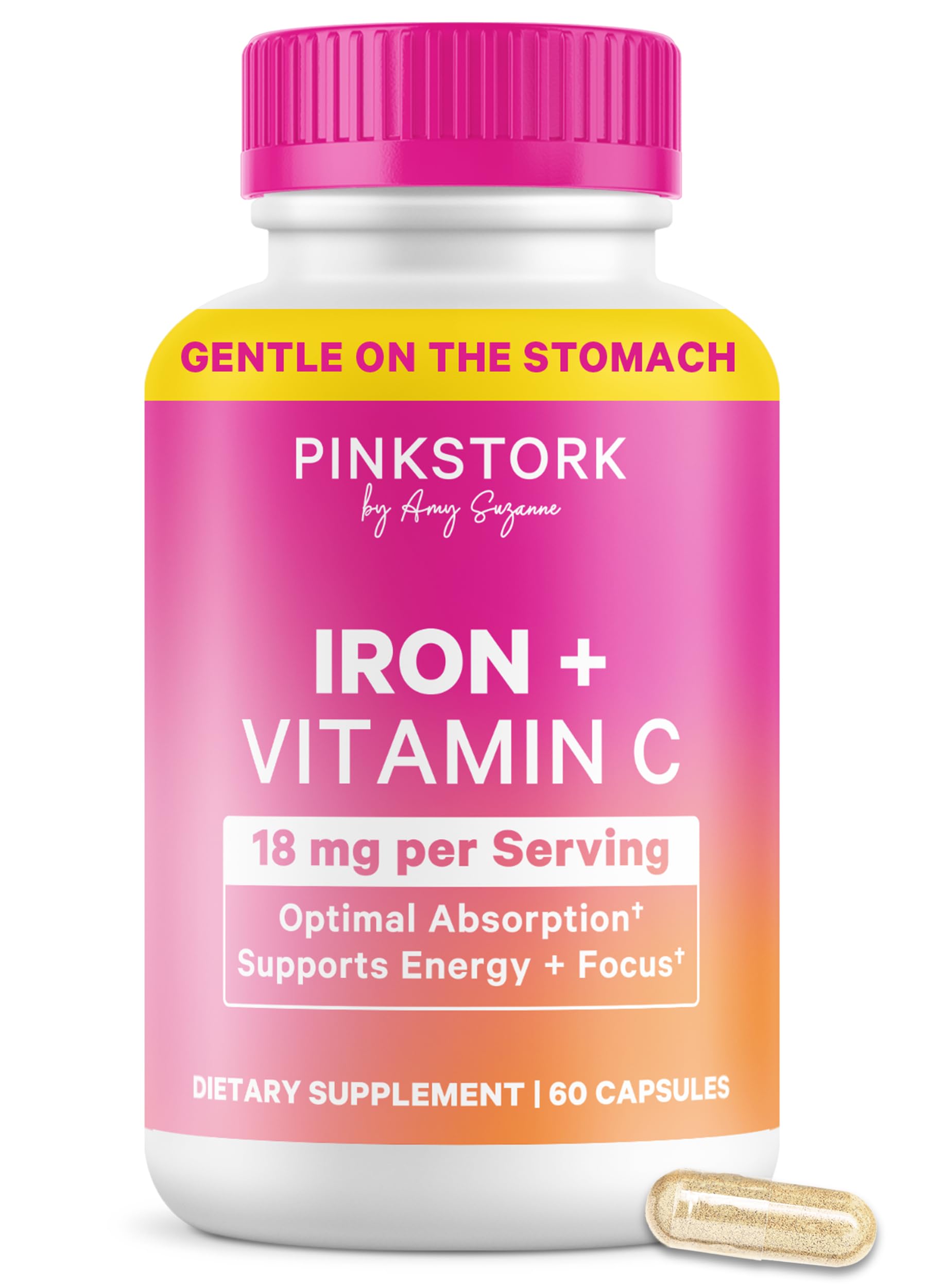
Pink Stork’s iron formula delivers 18 mg of iron bisglycinate — a chelated form that bypasses the common gastrointestinal side effects of standard iron supplements. The addition of 50 mg of vitamin C from acerola fruit extract enhances non-heme iron absorption significantly without requiring an extra pill. For postpartum mothers recovering from blood loss during delivery, this dosage is sufficient to begin replenishing ferritin stores without causing constipation or nausea.
User bloodwork data confirms the formula’s efficacy: one user reported raising her iron levels from 10 to 11.7 g/dL in one month on a two-capsule-per-day regimen. The capsules are free from artificial fillers and preservatives, with a clean ingredient panel that includes no gluten, soy, or dairy. The brand’s commitment to science-informed development and faith-guided values appeals to women who want transparency in their supplement sourcing.
Each bottle provides 60 capsules, which translates to a two-month supply at a one-capsule maintenance dose. The bisglycinate form has a mild taste that does not cause the metallic aftertaste commonly associated with ferrous sulfate. Some users with particularly sensitive stomachs may still experience mild bloating if taken on an empty stomach.
Why it’s great
- Proven blood level improvement in clinical use
- Includes vitamin C for optimized absorption
- Gentle on the stomach with no metallic aftertaste
Good to know
- Best taken with food for some individuals
- Single nutrient focus may require stacking with other supplements
4. Needed. Prenatal Iron Supplement

Needed. takes a unique approach by offering 13.5 mg of elemental iron per capsule with a flexible dosing recommendation of up to four capsules daily. This allows mothers to gradually increase their iron intake based on bloodwork results rather than being locked into a fixed dose. The ferrous bisglycinate chelate compound is designed for superior absorption while maintaining a gentle profile on the stomach, making it ideal for postpartum women who are already dealing with digestive sensitivity.
Each batch undergoes stringent third-party testing for allergens, microbes, and purity, ensuring that the identity and strength match the label. The formulation is non-GMO, vegan, and gluten-free, with no artificial fillers or preservatives. User feedback includes a documented improvement in ferritin levels from 11 to 20 after one bottle of consistent use, demonstrating real-world efficacy for iron-deficient mothers.
The capsules are small and easy to swallow with no strong taste or odor. The flexibility in dosing makes this product suitable for both mild maintenance and more aggressive repletion under medical supervision. Some users note the price per capsule is slightly higher than generic iron supplements, though the clean ingredient sourcing and third-party certification justify the cost for those concerned about heavy metal contamination.
Why it’s great
- Customizable dosing from 13.5 mg to 54 mg daily
- Proven ferritin improvement in user bloodwork
- Third-party tested for purity and strength
Good to know
- Requires up to four capsules for higher doses
- Not suitable for those who prefer a one-pill solution
5. Ora Organic Vitamin D3 2000IU

Ora Organic solves a common problem for vegan postpartum mothers: most vitamin D3 supplements are derived from lanolin (sheep’s wool), which is not plant-based. This formula sources D3 from lichen, a symbiotic organism that naturally produces cholecalciferol — the same D3 form that is better absorbed by the body than plant-derived D2. Each chewable tablet provides 2000 IU of vitamin D3, which supports immune function, bone health, and mood regulation during the demanding postpartum period.
The formulation includes organic sunflower lecithin for enhanced fat absorption, since vitamin D is fat-soluble. The chewables have a subtle vanilla natural flavor made from organic-compliant ingredients with no artificial sweeteners, GMOs, or soy. Long-term users report noticeable improvements in energy levels and skin health, and the glass packaging eliminates plastic waste compared to standard supplement bottles.
Each bottle contains 30 chewable tablets, providing a one-month supply. Recent batches have transitioned to an unflavored version that some users find mildly unpleasant compared to the original vanilla taste. The product is certified USDA organic and non-GMO, giving mothers confidence in the ingredient sourcing. It pairs well with the magnesium glycinate from Pink Stork for a comprehensive postpartum recovery stack.
Why it’s great
- True vegan D3 from lichen, not lanolin
- Included sunflower lecithin for better absorption
- USDA organic, non-GMO, and glass packaging
Good to know
- Chewable form may not suit those who prefer capsules
- Recent batches have changed flavor profile
FAQ
Can I take iron and magnesium together during postpartum recovery?
How long does it take for iron bisglycinate to raise ferritin levels after birth?
Why is vitamin D3 from lichen preferred over lanolin-based D3 for vegan mothers?
Final Thoughts: The Verdict
For most users, the vitamins for postpartum winner is the Ritual Natal Choline because it addresses the most under-supplemented nutrient during breastfeeding while carrying rigorous third-party certification for purity. If you want targeted iron recovery with bloodwork-proven results, grab the Pink Stork Iron for Women. And for vegan mothers who need a plant-based vitamin D3 source that actually works, nothing beats the Ora Organic Vitamin D3 2000IU.