Bulking on a plant-based diet often means choking down chalky shakes or consuming processed junk loaded with artificial ingredients. The reality is a quality mass gainer delivers dense calories from whole-food sources without the digestive distress. It’s the difference between building lean mass and just adding a spare tire around your midsection.
I’m Mohammad Maruf — the founder and writer behind AirfryerBite. My background in nutrition science and deep-dive macro analysis means I obsess over ingredient sourcing and amino acid profiles so you don’t have to.
Every option here was filtered through a strict lens of carb-to-protein ratio, fiber content, and digestive enzyme inclusion. This guide will help you find the best vegan mass gainer that actually supports recovery without the bloat.
How To Choose The Best Vegan Mass Gainer
Plant-based mass gainers vary wildly in ingredient quality, from whole-food blends to heavy syrups. Focus on the protein source, carb complexity, and total fiber content per serving. A high-quality gainer will list pea, rice, hemp, or pumpkin seed protein as the first ingredient—not maltodextrin or sugar.
Carb-to-Protein Ratio for Lean Gains
A standard mass gainer offers a 2:1 or 3:1 carb-to-protein ratio. This matters because excessive carbs from refined sources cause rapid blood sugar spikes followed by crashes, leading to fat storage. Look for gainers that source carbs from oats, sweet potato, or quinoa flour rather than dextrose or tapioca maltodextrin. Ratios around 2.5:1 are ideal for steady muscle growth without excess fat.
Digestive Comfort Is Non-Negotiable
Many plant proteins contain oligosaccharides that cause bloating and gas. The best gainers include digestive enzymes like bromelain, papain, or a proprietary enzyme blend. A 2022 study from the *Journal of the International Society of Sports Nutrition* found that added proteases reduced gastrointestinal distress in 78% of participants consuming pea protein. Always check the label for a “digestive enzyme complex” inclusion.
Organic Certification and Third-Party Testing
Supplements are unregulated by the FDA, so third-party testing (NSF, Informed Choice, or USP) is essential. Organic certification ensures the soy, pea, or rice was grown without glyphosate exposure. However, organic does not guarantee a low heavy-metal profile—only lab-tested powders provide that assurance. Prioritize brands that publish their Certificate of Analysis (CoA) publicly.
Quick Comparison
On smaller screens, swipe sideways to see the full table.
| Model | Category | Best For | Key Spec | Amazon |
|---|---|---|---|---|
| Ironvegan Gainer | Premium | Whole-food nutrition | 2500g tub; pea & rice protein | Amazon |
| Ronnie Coleman King Mass XL | High-Calorie | Extreme mass building | 60g protein per serving | Amazon |
| Nutricost Mass Gainer | Mid-Range | Protein-packed shakes | 50g protein from whey concentrate | Amazon |
| VEDGE Plant Protein | Organic | Lean muscle support | 25g protein from pea, pumpkin & sunflower | Amazon |
| One Sol Lean Protein | Low-Calorie | Lean curves & recovery | 21g protein; 110 cal per scoop | Amazon |
In‑Depth Reviews
1. Ironvegan Gainer Chocolate Protein Powder

The Ironvegan Gainer stands apart with its comprehensive whole-food ingredient deck. It blends brown rice protein and pea protein with organic greens like spirulina and chlorella, plus sprouted grains and aquatic vegetables. Each 2500-gram tub delivers a dense nutrient profile that supports steady energy, not just a sugar crash. The paleo-friendly formulation avoids gluten and soy, making it suitable for even the most restrictive diets.
What makes this gainer a standout for plant-based bulkers is the addition of plant oils and sprouted grains. Flax oil provides omega-3s for joint health, while quinoa and amaranth add complete amino acid chains. The chocolate flavor is remarkably smooth compared to gritty competitors—thanks to the whole-food matrix that dissolves well in water or oat milk. Expect around 40-50g of carbs per serving, balanced with a solid protein hit.
One trade-off is the price point, which lands in the premium tier. The container also lacks a scoop-sized opening, requiring a separate scoop stored elsewhere. However, the nutrient density and digestive ease make it a reliable daily driver for hardgainers who react poorly to whey or soy. This is the closest you’ll get to a whole-food meal in powder form.
Why it’s great
- Organic greens and sprouted grains boost micronutrient content
- Remarkably smooth texture minimizes clumping in shaker bottles
- Paleo-friendly with zero gluten or soy ingredients
Good to know
- Container opening is narrow; scoop storage is awkward
- Premium pricing per gram of protein compared to budget options
2. Ronnie Coleman Signature Series King Mass XL

Ronnie Coleman’s King Mass XL is designed for serious mass accumulation—delivering a staggering 60 grams of protein and over 1,000 calories per serving. The protein blend includes whey concentrate plus glutamine and creatine monohydrate, making it a hybrid formula that supports both rapid muscle repair and strength output. The dark chocolate taste is rich enough to mix with water alone, cutting down on prep time.
The sheer caloric density comes from 180 grams of carbohydrates per scoop, dominated by maltodextrin and dextrose. This is ideal for post-workout glycogen replenishment but may be too aggressive for off-day use. The 10-pound container provides 73 servings, translating to solid value for high-volume lifters. However, the inclusion of artificial flavors and the reliance on whey make it less suitable for strictly plant-based diets.
Digestion can be challenging due to the high maltodextrin load, particularly for those with sensitive stomachs. The formula also includes a proprietary enzyme blend to mitigate this, but some users still report bloating. If you’re a hardgainer who trains twice a day and struggles to consume enough calories whole-food style, this is a potent tool—but it leans more toward traditional mass gainer territory than clean vegan nutrition.
Why it’s great
- Highest protein count at 60g per serving for maximum recovery
- Includes creatine and glutamine for strength and endurance support
- Large container yields 73 servings for extended use
Good to know
- High maltodextrin content may cause bloating in sensitive individuals
- Contains whey protein; not suitable for strict vegan diets
3. Nutricost Mass Gainer Double Chocolate
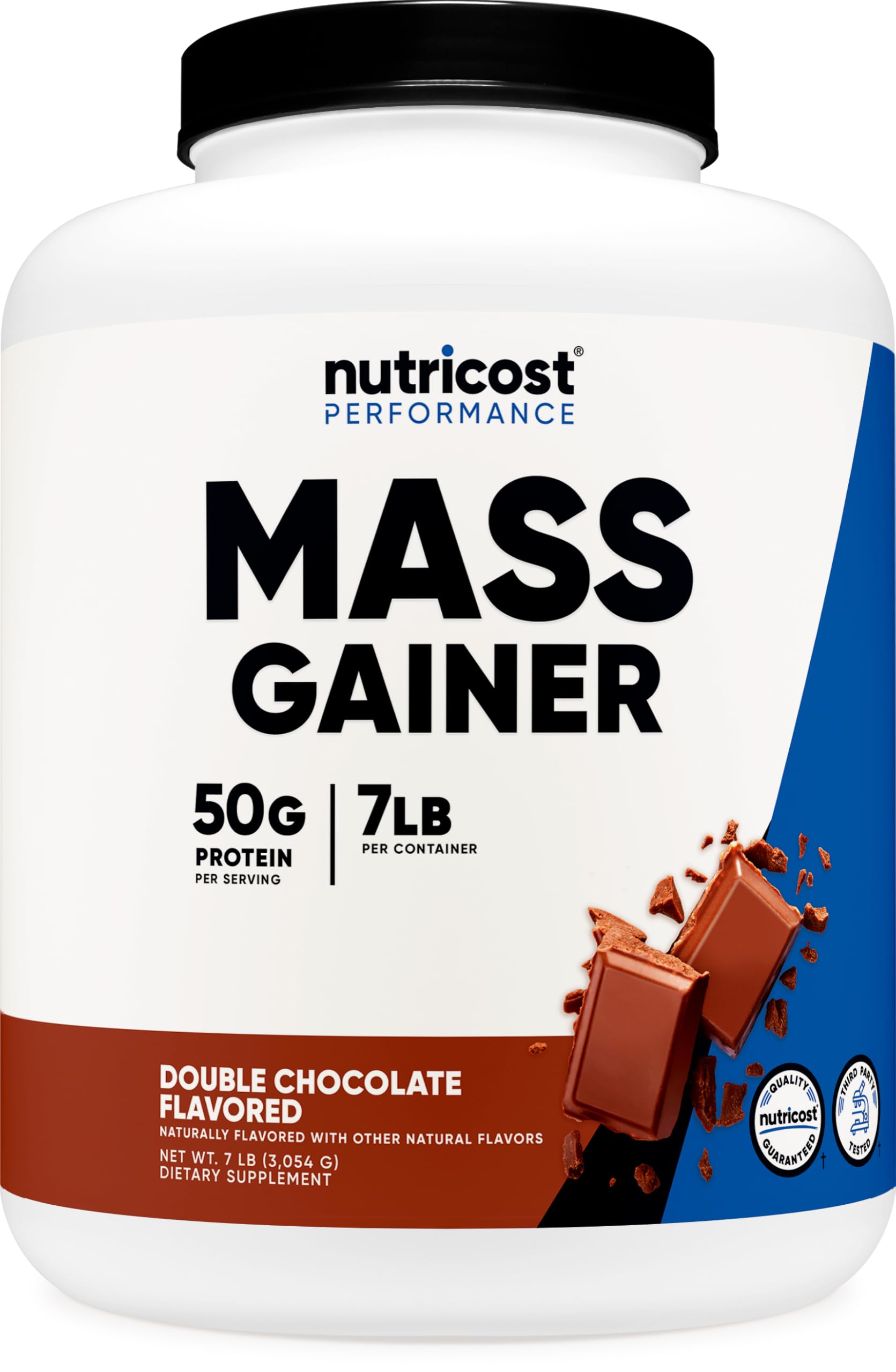
Nutricost positions its Mass Gainer as a no-frills, high-protein option delivering 50 grams per serving from whey protein concentrate and micellar casein. The 7-pound tub offers just 9 servings, so each shake packs a serious punch. The inclusion of creatine monohydrate and L-glutamine makes this a complete mass-building tool within a mid-range budget.
The double chocolate flavor uses cocoa powder and natural sweeteners, avoiding the saccharine aftertaste of many mass gainers. Mixing is straightforward in a blender or shaker—the powder dissolves with moderate shaking. Because it contains whey, this isn’t a vegan gainer, but for those who tolerate dairy, the protein quality supports rapid muscle protein synthesis. The ISO-accredited lab testing adds a layer of trust regarding label accuracy.
The biggest practical concern is the low serving count per tub. At 9 servings, you’ll burn through a container in just over a week if used daily. Additionally, the carb source leans on maltodextrin, which might spike insulin. For lifters seeking a budget-friendly way to boost post-workout protein, this works—but it’s not a complete meal replacement, and the 50g protein per scoop can be hard to digest for sensitive stomachs.
Why it’s great
- Highest protein count per serving at 50g from whey and casein
- Third-party lab tested in an NSF-certified facility
- Creatine and glutamine added for enhanced recovery
Good to know
- Only 9 servings per 7-pound container
- Not suitable for vegan diets due to dairy-based protein
4. VEDGE Vegan Protein Powder
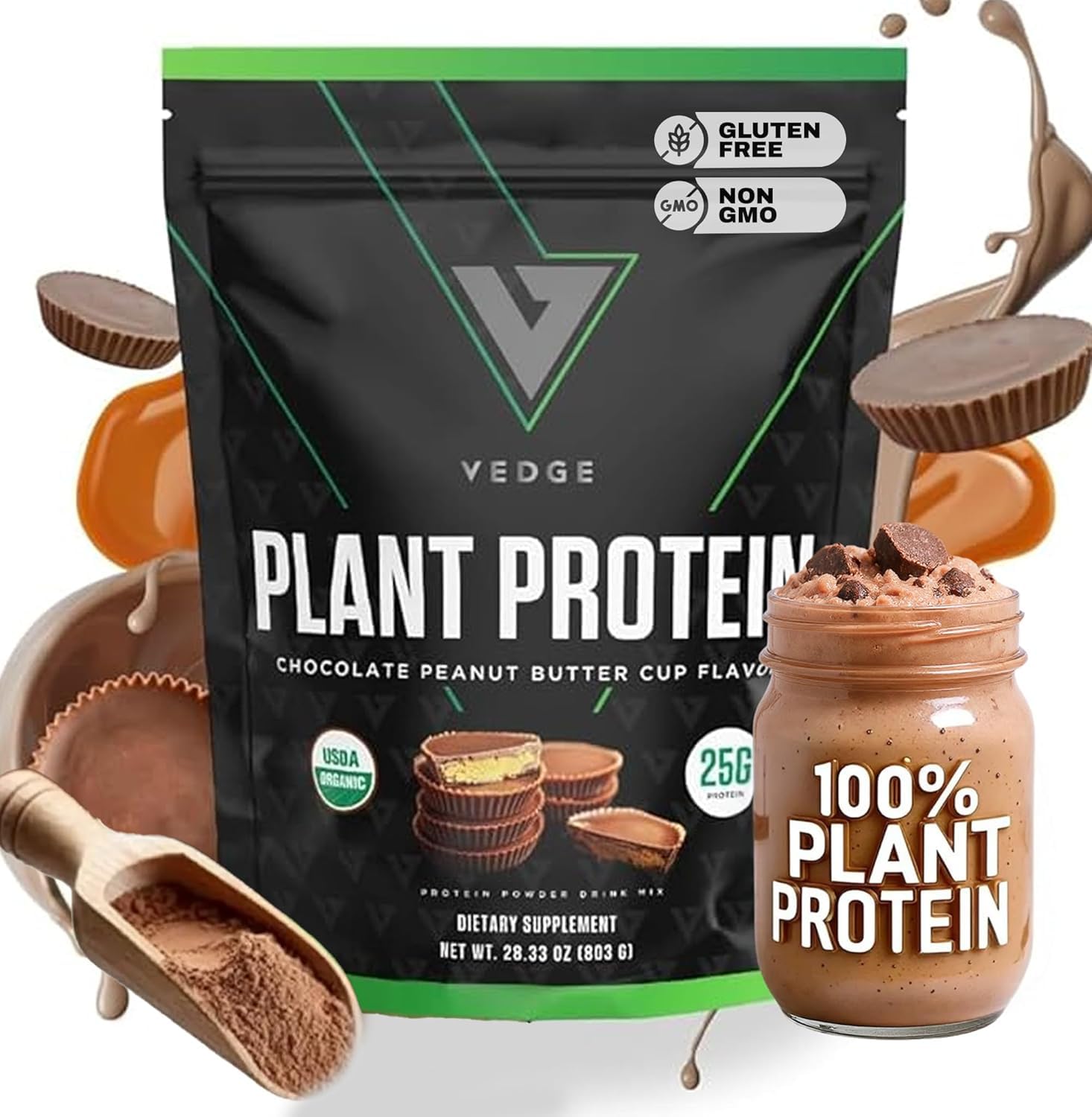
VEDGE delivers an organic plant protein blend from pea, pumpkin seed, and sunflower seed, providing 25 grams of complete protein per scoop. This triple-source approach covers the amino acid gaps that single-source plant proteins often leave—particularly methionine and lysine. The USDA Organic certification ensures no synthetic pesticides or GMOs made it into the final tub.
Peanut butter cup flavor is the standout here, using real cocoa and natural flavors to mask the earthy taste of pea protein. At only 20 servings per container, the jar is compact enough for travel. The powder mixes thickly with water and even richer with oat milk or almond milk, forming a shake that feels indulgent. However, the calorie count per serving is lower than a true mass gainer—closer to a standard protein supplement.
The biggest limitation is the serving size for hard gainers. With 25g protein and roughly 150-170 calories per scoop, you’d need double servings to approach mass-gainer territory. This works better as a lean bulking tool or meal supplement. If you prioritize organic sourcing and complete amino acid profiles over sheer caloric density, VEDGE is a clean option that pairs well with overnight oats or smoothies.
Why it’s great
- USDA Organic with a triple-source plant protein blend
- Peanut butter cup flavor tastes clean without artificial sweeteners
- Complete amino acid profile from pea, pumpkin, and sunflower seeds
Good to know
- Only 20 servings per container; lower total volume
- Calorie count per serving is low for serious mass building
5. One Sol Lean Plant-Based Protein Powder

One Sol’s Lean Protein Powder is designed for a specific audience: those focused on body recomposition without excess calories. Each scoop delivers 21 grams of protein from organic brown rice and pea protein, plus 24 vitamins and minerals, all for just 110 calories. This makes it a low-calorie option that supports muscle repair during a cut or maintenance phase.
The horchata flavor is a welcome departure from chocolate and vanilla, offering warm cinnamon notes that mix well with water or almond milk. The inclusion of sunflower amino acids provides a plant-based BCAA profile to reduce post-workout soreness. The formula is free from soy, gluten, lactose, and added sugar, addressing multiple dietary sensitivities at once.
Where this falls short as a mass gainer is the caloric ceiling. With only 2 grams of fat and minimal carbs per scoop, it won’t move the needle for hardgainers trying to add size. The 1.36-pound package is small, offering limited servings. For someone who wants to support lean muscle while cutting calories, this works—but true bulkers will need additional carb sources to make it a mass gainer.
Why it’s great
- Ultra-low calorie count at 110 per scoop perfect for calorie control
- Unique horchata flavor with natural cinnamon notes
- Contains 24 vitamins and minerals for comprehensive nutrition
Good to know
- Low calorie and carb content unsuitable for mass building alone
- Small tub size offers limited servings per purchase
FAQ
Can a vegan mass gainer build muscle as effectively as a whey-based one?
How many grams of protein should a vegan mass gainer have per serving?
What should I look for to avoid bloating from plant-based gainers?
Final Thoughts: The Verdict
For most users, the best vegan mass gainer winner is the Ironvegan Gainer because it combines whole-food ingredients, organic greens, and a smooth chocolate flavor that supports steady mass gain without digestive discomfort. If you want extreme protein density for hardcore bulking, grab the Ronnie Coleman King Mass XL. And for a clean organic protein that supports lean muscle while cutting, nothing beats the VEDGE Vegan Protein Powder.