If mornings with your little one involve negotiating over a bowl of cereal, you know the struggle of finding an option that passes both the nutrition test and the taste test. Toddler cereals often fall into two camps: those packed with hidden sugars that won’t pass a parent’s standards, or bland, texture-challenged puffs that get thrown on the floor after one bite. The right box bridges this gap, delivering whole grains or millets, controlled sweetness, and fortification that supports growth without unnecessary additives.
I’m Mohammad Maruf — the founder and writer behind AirfryerBite. I have spent years parsing ingredient labels, cross-referencing customer feedback, and analyzing the nutritional specs of children’s breakfast foods so you don’t have to guess what lands in your child’s bowl.
This guide breaks down the top contenders across price tiers, focusing on clean ingredient profiles, age-appropriate textures, and real parent-tested feedback. Use it to confidently choose the best toddler cereal for your family’s morning routine.
How To Choose The Best Toddler Cereal
Selecting a toddler cereal goes beyond picking the cutest box. Between the ages of one and three, children need concentrated nutrients — iron, zinc, B vitamins, and fiber — but their small stomachs and developing palates mean every spoonful counts. Focus on three pillars when scanning the shelf: ingredient clarity, sugar levels, and age-appropriate texture.
Whole Grains Over Refined Flours
The first ingredient should identify a whole grain — oat flour, whole wheat, millet (ragi, jowar), or brown rice. Whole grains deliver fiber for digestion and sustained energy without a blood-sugar spike. Avoid anything where “enriched wheat flour” or a sugar alias occupies the top spot.
Added Sugar vs. Natural Sweetness
A toddler cereal with no refined sugar doesn’t have to be flavorless. Look for options sweetened with banana puree, fruit juice concentrate, or a tiny amount of organic cane sugar (under 4 grams per serving). Beware of maltodextrin, high-fructose corn syrup, or multiple sugar sources stacked in the ingredient list — these train a toddler’s palate toward sweetness and provide empty calories.
Texture That Matches Chewing Ability
For children under 18 months, a dissolvable puff or a quick-cook hot cereal (oatmeal, cream-like rice) reduces choking risk. For older toddlers (24 months and up), crunchy stars or bite-sized shredded wheat encourage self-feeding and oral motor development. Always check the manufacturer’s age recommendation — a product marked for 8-month-old infants is not suitable for a two-year-old who needs more chewing resistance and different nutrient ratios.
Quick Comparison
On smaller screens, swipe sideways to see the full table.
| Model | Category | Best For | Key Spec | Amazon |
|---|---|---|---|---|
| Gerber Grain & Grow Oatmeal Banana | Hot Cereal | Probiotic gut health | 40 oz pack; probiotic + banana | Amazon |
| Slurrp Farm Berry Crunch | Cold Cereal | Picky eaters & millet variety | Ragi-based, sugar-free, stars & moons | Amazon |
| Earth’s Best Cheddar Veggie Puffs | Finger Food | On-the-go snacking (24+ mo) | Gluten-free, organic, 4 veggie blend | Amazon |
| Nestle Cerelac Mixed Fruits | Infant Cereal | First cereal stage (8+ mo) | Wheat + milk + mixed fruit | Amazon |
| Nestle Shreddies Original | Whole Wheat | High fiber & vegan diet | Whole grain wheat, 5 B vitamins | Amazon |
In‑Depth Reviews
1. Gerber Grain & Grow Toddler Oatmeal Banana Probiotic
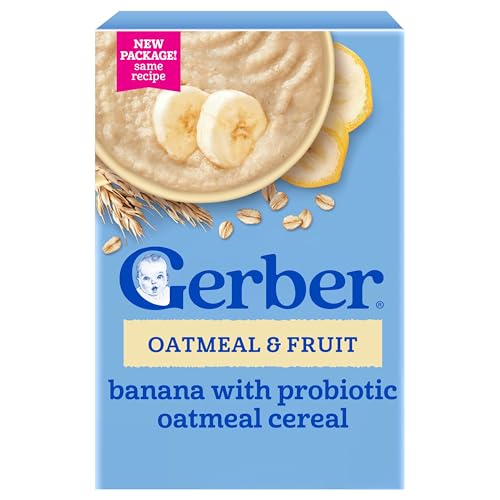
This premium hot cereal from Gerber checks the boxes parents care about most: whole grain oats as the base, real banana for sweetness, and live probiotics added to support digestive health. The 40-ounce bulk pack means you won’t run out mid-week, and the texture smooths out quickly when mixed with formula or whole milk — no clumps, no gummy residue. Multiple verified reviews confirm that babies and toddlers alike approve of the banana-forward flavor, while parents appreciate that a single serving delivers iron and B vitamins often lacking in toddler diets.
From a preparation standpoint, this cereal transitions smoothly from a thin puree to a thicker spoonable consistency as your child grows. The box bag-in-box packaging keeps the powder fresh and prevents spills. The strong banana aroma is noticeable during mixing but fades into a mild natural sweetness on the palate. For busy mornings or travel, single-serve portioning is straightforward — two tablespoons plus warm liquid yields a quick meal in under sixty seconds.
Customer feedback consistently highlights how this oatmeal fills a gap between first infant cereal and table food. One parent noted the product earned a “must buy” rating after testing it across multiple weeks, citing the smooth texture and nutrient density as the deciding factors. The SNAP/EBT eligibility also makes this an accessible premium pick for budget-conscious families seeking a clean, fortified breakfast staple.
Why it’s great
- Live probiotics support developing gut health
- Whole grain oats with no refined sugar or artificial flavors
- Large 40-ounce pack reduces per-serving cost
Good to know
- Banana smell is strong during mixing
- Not suitable for children under 6 months without pediatrician guidance
2. Slurrp Farm Berry Crunch Strawberry Ragi Breakfast Cereal

Slurrp Farm carves a niche by crafting a cold cereal that avoids refined sugar and wheat entirely — a rarity in the toddler aisle. The base is ragi (finger millet), a whole grain with higher calcium content than most cereals, shaped into tiny stars and moons that double as fine-motor play during breakfast. The strawberry flavor comes from real fruit, and the crunch stays intact in milk long enough for a slow eater to finish the bowl without turning it into mush.
Parents who battle picky eaters will find the multi-grain approach appealing. The cereal offers a flavor profile that feels familiar (berry + crunch) while introducing different millet textures that expand a toddler’s palate. Many reviewers reported that they themselves snacked on the dry cereal — the strawberry note is that good. This versatility also means it can be packed as a dry snack for daycare or stroller walks, reducing breakfast friction on rushed school mornings.
One recurring point in customer reviews is the sweetness level: while the cereal contains no refined sugar, some parents found it a touch sweet for their preference. For most toddlers who have not been conditioned to high-sugar cereals, however, the fruit-forward sweetness hits the right balance. The 10.58-ounce bag is a mid-range commitment, making this a solid option for families testing millet-based eating without a big budget outlay.
Why it’s great
- Zero refined sugar and wheat-free formulation
- Ragi millet provides natural calcium and iron
- Fun star and moon shapes encourage self-feeding
Good to know
- Strawberry sweetness may be a touch high for some parents
- Not fortified with B vitamins like some competitors
3. Earth’s Best Organic Cheddar Veggie Puffs (Pack of 4)

Earth’s Best targets the toddler snack gap with a puff that actually contains recognizable organic vegetables — pumpkin, tomato, carrot, and beet — blended into a light, airy matrix that dissolves quickly on the tongue. Unlike many puffs that are essentially puffed white rice with flavor dust, this one weaves the cheddar cheese and veggie powder into the dough, so the taste is consistent through every piece. The four-bag pack provides portion control for busy weeks.
From a developmental standpoint, these puffs are ideal for toddlers around 24 months who have mastered the pincer grasp but aren’t ready for hard, crunchy snacks that pose a choking hazard. The texture strikes a careful balance: firm enough to hold shape in a small hand, yet airy enough to melt quickly with saliva. Several parent reviews mentioned using these as a distraction during diaper changes or stroller rides, with one noting the product scored 64/100 on Yuka, reinforcing the clean-ingredient positioning.
Potential buyers should know these puffs are not intended as a meal substitute — they are a supplemental snack with moderate caloric density. Some toddlers who prefer stronger cheese flavors may find the cheddar note subtle, but the light texture and veggie blend make them a reliable stand-in for meltable teething snacks without the added sugars common in baby cookies. The resealable bags help maintain freshness across multiple servings.
Why it’s great
- Organic veggie blend (pumpkin, carrot, beet) with real cheddar
- Gluten-free and dissolves quickly in the mouth
- Portion-friendly 4-bag format for on-the-go use
Good to know
- Cheese flavor is subtle compared to mainstream toddler puffs
- Low in fiber and protein; plan as a snack, not a meal
4. Nestle Cerelac Mixed Fruits and Wheat with Milk

Nestle Cerelac has been a go-to first cereal for decades, and the Mixed Fruits with Wheat variant stays true to the formula that pediatricians often recommend for introducing solids around the 8-month mark. The product comes pre-mixed with milk powder, meaning you only add water to reach the desired consistency — a time-saver during the witching hour of a hungry baby. The mixed fruit component provides a natural sweetness that does not require added sugar, though the ingredient list does include some maltodextrin.
The texture is deliberately smooth when prepared thin, transitioning to a thicker paste as the child grows. Caregivers who started their babies on single-grain rice cereal will notice that the wheat base introduces gluten in a gentle, easy-to-digest form. Several reviews confirmed that infants who previously refused bland cereals accepted this version readily, likely due to the fruit-forward taste and creamy mouthfeel. The 14.1-ounce can is compact and features a resealable plastic lid inside the cardboard sleeve to keep powder dry.
The main friction point reported by buyers is the can size: the product image suggests a larger container than the 400g net weight delivers. Some reviewers felt the price per ounce ran high compared to bulk cereal options available at local groceries. For families looking for a travel-friendly or backup first cereal, this works well; for everyday feeding budgets, exploring larger formats or store-brand equivalents may yield better value.
Why it’s great
- Pre-mixed with milk powder — just add water for quick prep
- Familiar fruit taste accepted by most infants
- Smooth, easy-to-swallow texture for early eaters
Good to know
- Can size is smaller than packaging suggests (400g only)
- Contains maltodextrin — check the label if avoiding all processed sweeteners
5. Nestle Shreddies Original Cereal
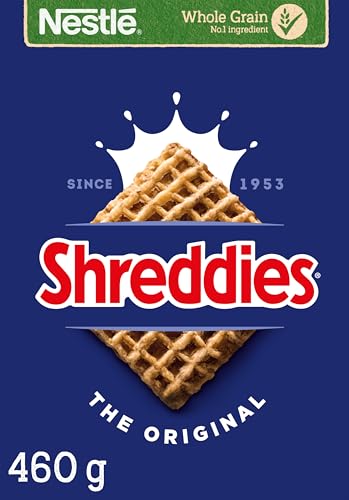
Shreddies Original brings a classic whole-wheat biscuit format that differs from the typical toddler cereal landscape. Each bite-sized square is made from 100% whole grain wheat with no artificial colors or flavors, and the product is fortified with five B vitamins — a nutrient foundation that supports energy metabolism in active toddlers. The texture offers a satisfying crunch that holds up in milk longer than flake-based cereals, which is helpful for self-feeders still refining their spoon skills.
While Shreddies are not marketed exclusively as a toddler cereal, many parents use them for older toddlers (18+ months) who need more fiber in their diet than breakfast puffs or infant cereal provide. The 16.2-ounce box contains enough squares for approximately 10 servings, and the vegan formulation makes it a compatible choice for plant-based families. Compared to many kids cereals on the market, the sugar content is dramatically lower — no frosting, no marshmallow pieces, just toasty wheat.
Reviews from international shoppers (the product is imported from the UK or Canada depending on supply) frequently mention the premium cost relative to US-brand equivalents. Some parents found the per-box price high for daily use. However, for toddlers who tolerate wheat well and need a fiber boost to prevent constipation, Shreddies stand as a far cleaner alternative to the colorful, sugar-coated options dominating the mainstream cereal aisle.
Why it’s great
- 100% whole grain wheat with high fiber content
- Fortified with 5 B vitamins; no artificial colors or flavors
- Vegan-friendly and low in added sugar
Good to know
- Imported box can be expensive per serving compared to domestic brands
- Texture may be too crunchy for very young toddlers under 18 months
FAQ
Is a hot cereal or a cold cereal better for my toddler’s digestion?
Can I give my 14-month-old Nestle Shreddies as a finger food?
What is the difference between “no refined sugar” and “sugar-free” on a toddler cereal label?
Final Thoughts: The Verdict
For most families, the best toddler cereal is the Gerber Grain & Grow Oatmeal Banana Probiotic because it bridges the nutritional density gap with live probiotics, whole oats, and zero artificial additives in a format that scales from 8 months through toddlerhood. If you want a crunchy, no-refined-sugar alternative your toddler can self-feed, grab the Slurrp Farm Berry Crunch. And for an organic, gluten-free finger snack that fits in a diaper bag, nothing beats the Earth’s Best Organic Cheddar Veggie Puffs.