Green tea has a reputation for being “healthy but hard to love.” Many bags turn bitter the second you look away from the kettle, leaving a metallic, astringent finish that masquerades as authenticity. That’s not the tea’s fault—it’s the leaf quality, the processing, and your brewing parameters working against you. A properly sourced green tea delivers clean vegetal notes, natural sweetness, and a finish that invites another steep rather than a grimace.
I’m Mohammad Maruf — the founder and writer behind AirfryerBite. I’ve spent years dissecting the chemical profiles of green teas, comparing amino acid content, steam versus pan-fired processing, and the oxidation levels that separate a grassy brew from a transcendent cup.
This guide cuts through the shelf clutter to identify the best tasting green tea options that balance flavor, quality, and daily drinkability. best tasting green tea starts with leaves that don’t punish you for a thirty-second over-steep.
How To Choose The Best Tasting Green Tea
The flavor of green tea is not monolithic. A Japanese sencha and a Chinese jasmine green taste like different beverages entirely. To pick a green tea you will actually enjoy drinking daily, you need to understand two variables: leaf form and processing style.
Whole Leaf vs. Fannings vs. Matcha Powder
Whole-leaf loose teas retain the full essential oil profile of the leaf, producing a complex flavor that evolves across multiple steeps. Standard tea bag fannings—the dust left over from processing—release flavor instantly but turn bitter fast because the surface area exposes more tannins to the water. Matcha, being powdered whole leaves, delivers the highest chlorophyll concentration and a creamy umami texture but requires whisking and a specific water temperature.
Steam-Fired vs. Pan-Fired Processing
Japanese greens are typically steam-fired, which halts oxidation quickly and preserves a vivid green color. The result is a savory, vegetal profile with notes of grass, seaweed, and umami—high in L-theanine, which counteracts bitterness. Chinese greens are pan-fired, which introduces a toasty, nutty, or slightly smoky note. If you dislike the “fishy” or “seaweed” taste of some Japanese teas, a pan-fired Chinese variety may be your better entry point.
Quick Comparison
On smaller screens, swipe sideways to see the full table.
| Model | Category | Best For | Key Spec | Amazon |
|---|---|---|---|---|
| Harney & Sons Japanese Sencha | Loose Leaf | Pure sencha purists | 4-ounce tin, steam-fired | Amazon |
| Rishi Tea Matcha Super Green | Sachet Blend | Vibrant matcha convenience | 50 count, USDA Organic | Amazon |
| Twinings Pure Green Tea | Bagged Standard | High-volume daily drinker | 100 count, individually wrapped | Amazon |
| The Republic of Tea SuperGreen Detox | Flavored Bagged | Minty apple wellness blend | 36 count, organic w/ matcha | Amazon |
| TAZO Organic Zen Green Tea | Herbal Blend | Herb-infused relaxation | 144 count, spearmint & lemongrass | Amazon |
In‑Depth Reviews
1. Harney & Sons Japanese Sencha Green Tea, Loose Leaf 4 Ounce
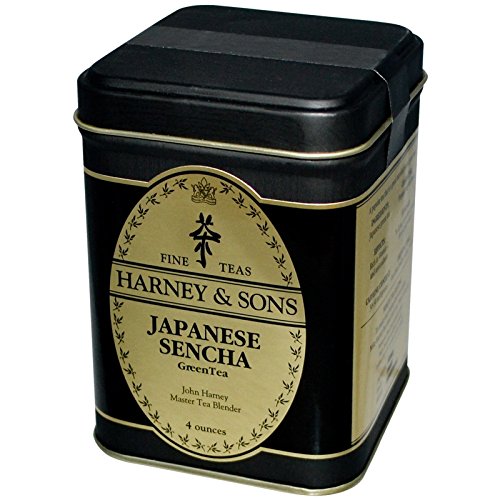
Harney & Sons Japanese Sencha is the benchmark for what a pure, steam-fired green tea should taste like. The leaves are a vivid, needle-like green, and the dry aroma is sweet and grassy with no hint of stale oxidation. Steeped at 160°F for two minutes, the liquor is a pale golden-green with a clean, savory umami that coats the palate—a direct result of the high L-theanine content preserved by the steam-firing process. There is zero astringency even when you push the steep to three minutes, which is nearly unheard of in bagged alternatives.
The loose-leaf format allows for multiple infusions; the second steep releases a slightly lighter but still satisfying vegetal sweetness. At four ounces per tin, you get roughly thirty to forty servings depending on your leaf-to-water ratio. The airtight tin preserves freshness for months, and real-world customers consistently report the flavor remains intact even years later if stored properly. This tea is not organic, but it is Kosher certified and sourced from Japan, with no added flavors or adulterants.
The 4-ounce tin is perfect for someone who wants to experience a genuine Japanese sencha without committing to a bulk bag. It edges out many premium bagged options purely on the complexity of the flavor profile—the ability to taste the terroir and processing in each sip. For a daily drinker who values purity over novelty, this is the most reliable recommendation on the list.
Why it’s great
- Authentic steam-fired sencha with pronounced umami and no bitterness
- Excellent for two to three infusions per serving
- Airtight tin preserves freshness for extended storage
Good to know
- Not certified organic
- The strong vegetal-umami flavor may be off-putting to those used to bagged green tea
- Loose leaf requires a strainer or infuser
2. Rishi Tea Matcha Super Green Japanese Tea, Organic Sachet Bags, 50 Count

Rishi Tea Matcha Super Green bridges the gap between bagged convenience and the full-bodied umami of a traditional bowl of matcha. Each sachet contains a blend of premium sencha leaf and finely ground matcha powder, which means the whole leaf is consumed rather than steeped and discarded. The recommended brew temperature is 160°F for two minutes, and the resulting cup is an opaque, brilliant green with a creamy texture that standard green tea bags simply cannot produce. The flavor profile is grassy, sweet, and subtly savory—the matcha contributes a lingering umami finish while the sencha base keeps the brew from becoming chalky.
The sachets are constructed from BPA-free, biodegradable material, and the entire product carries USDA Organic and Non-GMO certifications. Customers consistently describe the aroma as “earthy and uplifting” and note that it provides a clean, sustained energy lift without the jittery crash associated with coffee. A small practical detail: the matcha dust tends to settle at the bottom of the box, so gently shaking the bag before use ensures you get the full powder per sachet. This is not a ceremonial-grade matcha meant for whisking, but as a daily on-the-go option, the flavor density is unmatched among bagged greens.
Where this blend truly excels is in its ability to deliver the full nutritional and flavor benefits of matcha without requiring a bamboo whisk and a dedicated bowl. At 50 sachets per box, it represents a premium-tier commitment, but the quality of the leaf and the integrity of the sourcing justify the spend. If you want a daily cup that tastes as vibrant as it looks, this is your pick.
Why it’s great
- Delivers the full leaf nutrition and creamy umami of matcha in a simple teabag
- USDA Organic, Non-GMO, and biodegradable sachet bags
- Clean energy lift without coffee jitters
Good to know
- More expensive per serving than standard bagged greens
- Powder dust settles in the box; requires shaking before use
- Not a substitute for ceremonial whisked matcha
3. Twinings Pure Green Tea, Individually Wrapped Bags, 100 Count

Twinings Pure Green Tea is the volume champion that refuses to taste like punishment. Each bag is individually sealed in foil, which locks in freshness and prevents the stale, cardboard notes that plague bulk boxes once opened. The brew produces a bright, honey-yellow liquor with a smooth, clean taste and a very mild astringency that fades quickly—a direct result of using a blend of leaves rather than leftover fannings. Customers who switch from Bigelow consistently report that Twinings is less bitter and more forgiving of minor over-steeping.
The 100-count pack is designed for high-frequency consumption. The caffeine content is moderate, making it a suitable all-day sipper for home or office. It performs well both hot and iced; the clean profile means it takes honey or lemon without turning muddled. Twinings sources its tea through a responsible supply chain program focused on water access and women’s empowerment, which adds a layer of ethical consideration for buyers who factor sourcing into their purchase.
The trade-off is that this is still a standard bagged green tea—the depth of flavor is not comparable to a loose-leaf sencha or a matcha blend. The finish is clean but one-dimensional, leaning toward a generic “green tea” taste rather than any specific varietal character. For the price per cup, however, it is the most reliable way to drink green tea daily without worrying about preparation precision or freshness degradation.
Why it’s great
- Exceptionally smooth and non-bitter for a mass-market bagged tea
- Individual foil wrapping preserves freshness for the entire 100-bag box
- Excellent cost-per-cup ratio for daily consumption
Good to know
- Flavor is one-dimensional compared to loose-leaf or blended options
- Not organic
- Mild astringency appears if steeped beyond three minutes
4. The Republic of Tea – Organic SuperGreen Detox Green Tea, 36 Tea Bags

The Republic of Tea SuperGreen Detox takes a completely different approach from the pure varietals above. This is a flavored blend that incorporates organic green tea leaves, matcha powder, chlorella, and spearmint with a natural apple flavor. The dominant taste is a sweet, cooling spearmint and green apple combination—the green tea base is present but plays a supporting role, providing a mild grassy undertone rather than the star of the show. This makes it an excellent entry point for people who find straight green tea too vegetal or bitter.
The chlorella inclusion is notable: it adds a slight mineral edge and a vibrant green hue to the liquor, and some customers report a noticeable digestive effect. This is a functional tea as much as a flavorful one. The recommended steep time for the bagged format is one to three minutes; going longer can introduce a hint of bitterness from the matcha content. The individual packaging is standard, not foil-sealed, so relying on the tin for long-term freshness is important.
This is not a tea for purists who want to taste the leaf’s terroir. It is a concocted flavor experience—pleasant, sweet, and minty—with functional ingredients layered on top. For a morning or afternoon cup that feels more like a wellness ritual than a tea session, it hits the mark. The 36-bag count means it will not last as long as the bulk options, but the flavor novelty makes each cup feel intentional rather than routine.
Why it’s great
- Sweet, minty, apple-forward flavor accessible to green tea newcomers
- Contains matcha and chlorella for added nutritional compounds
- USDA Organic with no artificial sweeteners or aftertaste
Good to know
- Green tea flavor is masked by spearmint and apple; not for purists
- Chlorella can cause strong digestive effects in some drinkers
- Only 36 bags per tin; higher cost per serving than standard bagged options
5. TAZO Organic Zen Green Tea, 144 Total Tea Bags (36ct – Pack of 4)
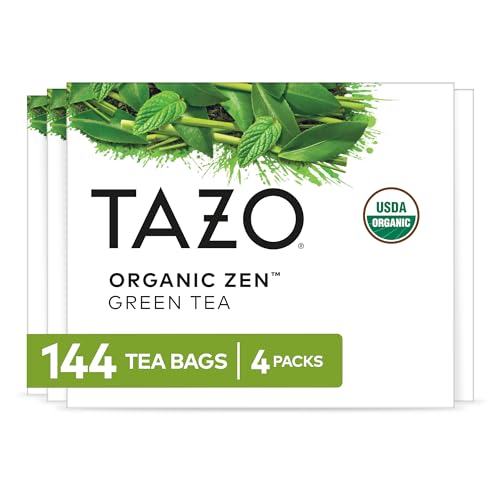
TAZO Organic Zen Green Tea is one of the most widely recognized green tea blends on the market, and for good reason: the combination of green tea, spearmint, lemon verbena, and lemongrass creates a bright, invigorating cup that does not taste like plain tea. The spearmint is the primary note, cool and sweet, while the lemon verbena and lemongrass add a zesty, citrus lift that cuts through the green tea’s natural earthiness. It is caffeinated but on the lower end—31 to 45 mg per eight-ounce serving—making it suitable for afternoon consumption without disrupting sleep.
The 144-count bundle arrives as four 36-count boxes, each box containing individually foil-wrapped tea bags. This is a bulk solution for offices, households, or anyone who drinks multiple cups per day and wants a consistent flavor profile without dipping into a loose-leaf routine. Customers frequently mention that this tea is “relaxing” and “great with a touch of honey,” and the lack of plastic in the packaging is a noted upgrade over many competitors. The tea bags are stringless, which is a minor inconvenience for some but keeps the design minimalist.
The trade-off is identical to any flavored blend: the green tea is not the hero. If you want to taste the leaf—its terroir, its processing, its varietal nuance—this is not the vehicle. But as a flavorful, mass-market, organic tea that delivers a pleasant, minty-citrus experience in every cup, it is an outstanding value. The spearmint and lemongrass do not taste artificial, and the brew remains smooth even if you forget the bag in the cup for an extra minute.
Why it’s great
- Bright, minty-citrus flavor profile that is highly drinkable and not bitter
- Massive 144-count bundle with individual foil wrappers for freshness
- USDA Organic with lower caffeine content for all-day sipping
Good to know
- Herbal additions dominate the flavor; pure tea purists will be disappointed
- Tea bags are stringless, which some users find inconvenient
- Higher upfront box cost even though per-cup price is low
FAQ
Does steam-fired green tea really taste less bitter than pan-fired?
Is matcha in a tea bag the same as ceremonial-grade matcha powder?
Why does my green tea taste like grass or seaweed?
Final Thoughts: The Verdict
For most users, the best tasting green tea winner is the Harney & Sons Japanese Sencha because it delivers the pure, umami-rich, non-bitter experience that defines what green tea should be when brewed correctly. If you want the full nutritional power of matcha with the convenience of a teabag, grab the Rishi Tea Matcha Super Green. And for a high-volume daily drinker that is smooth, affordable, and impossible to mess up, nothing beats the Twinings Pure Green Tea.