Most commercial coconut waters deliver a flat, oxidized, or overly sugary impression that masks the delicate, nutty sweetness of the real thing. Finding a brand that preserves the clean, slightly grassy finish of a freshly cracked coconut requires filtering through a lot of marketing noise around electrolytes and purity claims.
I’m Mohammad Maruf — the founder and writer behind AirfryerBite. I analyze production methods, sourcing origins, and ingredient lists to determine what separates a truly fresh-tasting coconut water from a mediocre one.
After breaking down dozens of brands by taste profile, texture, and purity standards, I’ve narrowed the field to five standout contenders that define the best tasting coconut water category without relying on added sugars or artificial enhancers.
How To Choose The Best Tasting Coconut Water
The difference between a flat, metallic sip and a bright, grassy one comes down to three variables: sourcing, processing, and the presence of natural pulp. Ignore these and you end up with a drink that tastes more like sugar water than a real coconut.
Sourcing and Harvest Method
Coconuts from Vietnam tend to yield a higher natural sugar content and a creamier mouthfeel compared to those from Thailand or the Philippines. Young green Hamona coconuts, specifically, produce a water that is less acidic and has a more pronounced floral note. The harvest method — hand-picked versus mechanically shaken — also affects the freshness of the liquid inside.
Processing: Not From Concentrate vs. From Concentrate
Coconut water that is “not from concentrate” is pasteurized once and packaged immediately, preserving the volatile aromatic compounds responsible for that fresh, nutty scent. Concentrate-based waters are boiled down, shipped, and reconstituted, which strips away the delicate flavors and often requires added sugar or natural flavors to mask the loss.
The Pulp Factor
Some brands include small chunks of real coconut flesh in every sip. This adds a textural complexity and a burst of fatty coconut flavor that mimics drinking straight from the fruit. If you prefer a silky, uniform consistency, look for “no pulp” on the label. If you want authenticity, seek out brands that advertise “with real coconut pulp.”
Quick Comparison
On smaller screens, swipe sideways to see the full table.
| Model | Category | Best For | Key Spec | Amazon |
|---|---|---|---|---|
| Once Upon a Coconut | Mid-Range | Clean, subtle sweetness | 70 cal per can, <1% added sugar | Amazon |
| NILO 100% Pure | Mid-Range | Authentic texture with pulp | With real coconut pulp | Amazon |
| Nature’s Greatest Foods | Mid-Range | Eco-friendly cartons, no pulp | USDA Organic, 33.8 fl oz carton | Amazon |
| Wai Koko | Premium | Rich, creamy flavor | 17.5 fl oz cans, BPA free | Amazon |
| Iberia | Budget | Large volume, no pulp | 16.91 fl oz bottles, pack of 24 | Amazon |
In‑Depth Reviews
1. Once Upon a Coconut Premium Coconut Water

Sourced from young green Hamona coconuts in Bến Tre, Vietnam, this brand uses a traditional hand-harvest method that keeps the water fresh and low in acidity. The liquid has a clean mouth pH — reviewers consistently note it is not harsh or metallic on the tongue — and the sweetness is restrained at under 1% added sugar, making it ideal for those who want a crisp, non-cloying drink.
Each 10.8 fl oz can delivers about 70 calories and a balanced electrolyte profile of potassium, calcium, and magnesium. The flavor profile leans toward a light floral note with a clean finish, and several customers report it mixes exceptionally well with spirits like tequila without competing with other flavors.
A few isolated complaints mention an occasional can that tastes flat or carbonated, suggesting minor pasteurization inconsistencies. However, the overwhelming majority of feedback praises its refreshing quality over ice and its ability to hydrate without any artificial aftertaste.
Why it’s great
- Hand-harvested Vietnamese coconuts deliver a naturally subtle, floral sweetness
- Low calorie count (70 per can) with no heavy sugar load
- Very high customer satisfaction score for taste purity
Good to know
- Occasional can may arrive with a flat or carbonated taste
- Smaller 10.8 fl oz size means less volume per serving
2. NILO 100% Pure Coconut Water with Pulp

NILO distinguishes itself by including small chunks of real coconut flesh in every bottle, giving the water a textured mouthfeel that mimics drinking straight from a young coconut. The water is freshly pressed — not from concentrate — and contains no added sugar, yet several reviewers describe it as the sweetest coconut water they have ever tasted, a characteristic attributed to the specific age and variety of the coconuts used.
Each 10.8 oz bottle is packed with natural fibers and electrolytes, and the flavor profile is noticeably richer and more tropical than more diluted competitors. Customers who dislike bland or watery coconut water consistently praise NILO for its bold, authentic taste and the satisfying crunch of the pulp.
The main drawback is the can size — at 10.8 oz, it is smaller than many alternatives, and the per-unit cost is higher than store-bought 16 oz options. A few users also note that the sweetness, while natural, can be too intense for those accustomed to a more subtle profile.
Why it’s great
- Real coconut pulp provides an authentic, textural experience
- Freshly pressed, not from concentrate, with no added sugar
- Frequently rated as the sweetest and most flavorful coconut water available
Good to know
- Smaller can size (10.8 oz) results in higher cost per ounce
- Natural sweetness may be too pronounced for some palates
3. Nature’s Greatest Foods Organic Coconut Water
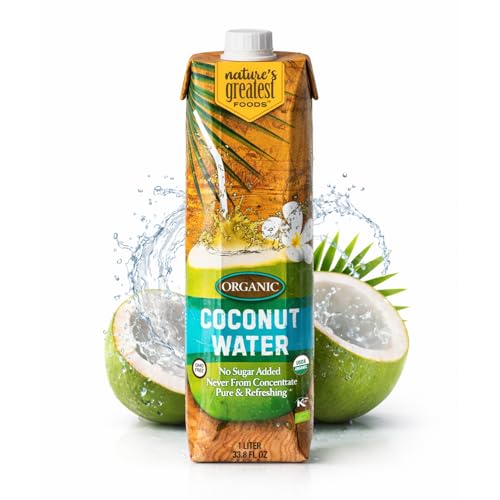
This brand uses a single ingredient — 100% Organic Coconut Water — and packages it in large 33.8 fl oz cartons with a twist-off cap for easy storage. The flavor is described by many reviewers as very close to fresh coconut water from childhood, with no added sugar and a clean, refreshing taste that works well for daily hydration.
The cartons are more environmentally friendly than plastic bottles or aluminum cans, and the larger format means fewer individual containers to dispose of. Customers appreciate the low sodium content compared to traditional sports hydration drinks and note that the taste is consistent across batches, with a delicate natural sweetness that is not overpowering.
The primary complaint involves the packaging quality: some users report that the cartons are weak and the plastic spout can detach during shipping, causing leaks. This forces some buyers to transfer the water to other containers immediately upon arrival, which is inconvenient.
Why it’s great
- Single organic ingredient with no additives or added sugar
- Large 33.8 fl oz cartons reduce packaging waste
- Flavor closely replicates fresh coconut water from the source
Good to know
- Carton and spout can be fragile, leading to shipping leaks
- Must be consumed within 3 days of opening due to larger format
4. Wai Koko 100% Pure Coconut Water
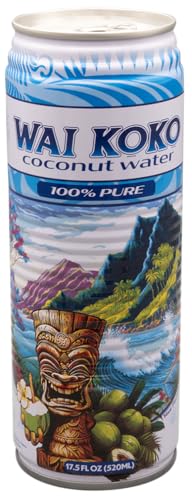
Wai Koko leans into a premium positioning with larger 17.5 fl oz cans and a flavor profile that users describe as sweet, smooth, and slightly creamy — almost reminiscent of coconut ice cream. The water contains five essential electrolytes (potassium, magnesium, phosphorous, calcium, and sodium) and is packaged in BPA-free cans, appealing to health-conscious consumers who prioritize purity.
Customers who have tried many brands routinely call this the best coconut water they have ever found, with some ordering nine or more cases over a year. The taste is consistently fresh and clean, without the metallic notes that plague cheaper options, and the larger can size offers better value per serving than the 10.8 oz competitors.
The most common issue is physical damage during shipping — dented cans or faulty pull-tabs are reported periodically. Additionally, a few customers experienced lost shipments, though refunds were processed. The price point is higher than mid-range options, but loyal users feel the taste justifies the premium.
Why it’s great
- Larger 17.5 fl oz cans offer better volume per serving
- Creamy, sweet taste that even non-coconut-water drinkers enjoy
- Contains five key electrolytes for effective hydration
Good to know
- Dented cans or broken pull-tabs can occur during transit
- Premium price point compared to mid-range alternatives
5. Iberia Coconut Water, No Pulp

Iberia offers a no-pulp coconut water in large 16.91 fl oz bottles packed in a case of 24, making it the highest-volume option on this list. The taste is consistently described as refreshing and sweet, though one reviewer noted a distinct “raisin bran milk” flavor, suggesting a slight nutty or cereal-like undertone that may not appeal to everyone.
The water is marketed as a healthy alternative to sugary drinks, with natural electrolytes for post-activity hydration. Customers who enjoy pulp-free coconut water appreciate the smooth, easy-to-drink consistency and the generous bottle size, which is convenient for tossing into a gym bag or packing lunches for the week.
Additionally, while the ingredient list is clean, the flavor profile is less nuanced than single-origin Vietnamese options, leaning more toward a generic sweet coconut water.
Why it’s great
- Highest total volume (24 bottles per case) at a budget-friendly cost per bottle
- No pulp provides a smooth, easy-to-drink experience
- Good for post-workout hydration due to natural electrolyte content
Good to know
- Flavor profile can vary between packaging formats (tall cans vs. bottles)
- Some drinkers detect a nutty or cereal-like undertone
FAQ
Does pulp in coconut water improve the taste or just add texture?
Why do some coconut waters taste metallic or sour?
Is coconut water with no added sugar always better for taste?
Final Thoughts: The Verdict
For most users, the best tasting coconut water winner is the Once Upon a Coconut because it strikes the hardest-to-find balance: a clean, subtly sweet profile that is neither watery nor cloying, sourced from hand-harvested Vietnamese coconuts. If you want a richer, more textured drink with real coconut chunks, grab the NILO 100% Pure. And for a large-volume, budget-friendly option that delivers solid hydration without any frills, nothing beats the Iberia Coconut Water.