Finding a sweetener that doesn’t set your chest on fire can feel like a culinary gamble. Many popular sugar substitutes pack hidden triggers—from the acidity of certain blends to the digestive distress caused by sugar alcohols—that turn a simple cup of coffee into a painful decision.
I’m Mohammad Maruf — the founder and writer behind AirfryerBite. I have spent years analyzing the chemical profiles and pH balances of over a hundred sugar alternatives to identify which ones genuinely support sensitive digestive systems without sacrificing flavor.
This guide ranks the most reliable options by their safety for those managing GERD and reflux. We have reviewed each product for its pH, ingredient purity, and real-world feedback to bring you the definitive list of the sweetener for acid reflux that actually works without the burn.
How To Choose The Best Sweetener For Acid Reflux
Not all sugar substitutes are created equal when it comes to your esophagus. The wrong choice can relax the lower esophageal sphincter or directly irritate sensitive tissue, turning a calorie-free treat into a reflux nightmare. Here is how to navigate the options safely.
Understand the pH and Acidity Profile
The acidity of a sweetener can directly aggravate reflux. Pure stevia and allulose are naturally low-acid options, while certain flavored or blended sweeteners may contain citric acid or malic acid as preservatives. Always check the ingredient list for any added acids, even if the primary sweetener is neutral.
Scan for Hidden Irritants
Common bulking agents like inulin, maltodextrin, and some sugar alcohols can cause gas, bloating, and abdominal pressure, which pushes stomach acid upward. Erythritol and xylitol, while popular, can trigger gastrointestinal distress in sensitive individuals. Look for pure, single-ingredient sweeteners with no added fillers or synthetic fibers.
Match the Sweetness Level to Your Tolerance
Allulose is roughly 70 percent as sweet as sugar, requiring a larger volume to achieve the same sweetness. Stevia is hundreds of times sweeter, meaning you use a tiny pinch. For those with reflux, a concentrated sweetener reduces the total volume of liquid or food consumed, lowering the risk of overfilling the stomach and triggering a reflux event.
Quick Comparison
On smaller screens, swipe sideways to see the full table.
| Model | Category | Best For | Key Spec | Amazon |
|---|---|---|---|---|
| Zveet Birch Xylitol | Granulated | Baking and coffee | 40% fewer calories than sugar | Amazon |
| Viva Doria Allulose | Granulated | Everyday use on a budget | 70% sweetness of sugar | Amazon |
| Morning Pep Allulose | Granulated | Keto and diabetic diets | Zero glycemic impact | Amazon |
| MONKSHUSHU Allulose Syrup | Liquid | Drinks and cold beverages | Zero net carbs per serving | Amazon |
| SweetLeaf Stevia Powder | Powder | Low-volume, high-sweetness needs | Zero calories per serving | Amazon |
In‑Depth Reviews
1. Zveet Birch Xylitol Sweetener
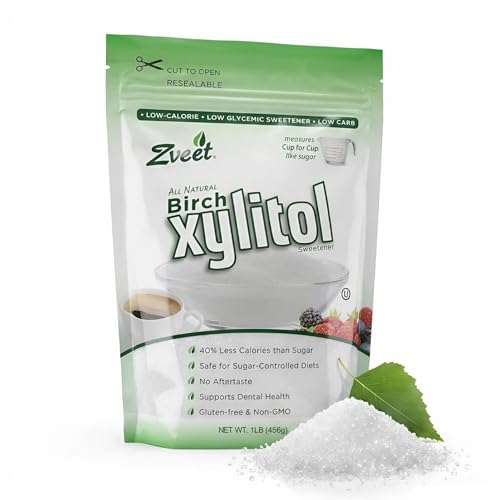
Zveet delivers a clean, granulated xylitol harvested from birch trees, offering a 40 percent calorie reduction compared to standard sugar with a truly neutral pH. Users consistently praise its complete lack of artificial aftertaste, a major advantage for reflux sufferers who need a sweetener that won’t linger or irritate. The crystals dissolve well in both hot and cold liquids, making it a versatile kitchen staple.
This product shines in baking and cooking because it maintains its structure under heat without turning acidic or clumping. For those managing GERD, the low-glycemic profile means no blood sugar spikes that can trigger secondary digestive stress. The fine granulation also avoids the rough edges that powdered sweeteners sometimes leave in the throat.
It is worth noting that xylitol is extremely toxic to dogs, so households with pets must store it securely. Some users report a mild cooling sensation on the tongue, which is a natural property of xylitol and not a sign of acidity. The 1-pound bag is a premium pick that delivers consistent performance for daily coffee and dessert preparation.
Why it’s great
- Clean, neutral taste with no bitter aftertaste, perfect for sensitive palates.
- Low-glycemic and keto-friendly, supporting stable digestion.
- Birch-sourced and made in the USA with no artificial fillers.
Good to know
- Extremely toxic to dogs and must be stored out of pet reach.
- Can cause a mild cooling sensation on the tongue.
- Premium price point compared to granulated allulose options.
2. Viva Doria Allulose Sweetener
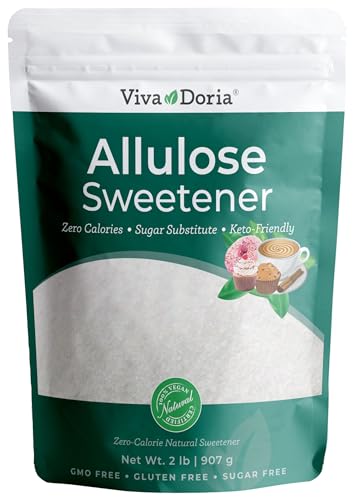
Viva Doria offers a zero-calorie allulose that mimics sugar’s texture and taste at about 70 percent of its sweetness, making it a practical choice for those looking to cut calories without triggering reflux. User feedback highlights its clean flavor profile with no lingering artificial aftertaste, a common complaint with stevia blends. The 2-pound bag provides a solid value for daily use in coffee, tea, and cooking.
Allulose naturally occurs in small quantities in fruits like figs and raisins, and this product is derived from non-GMO sources. For reflux management, its neutral pH and lack of acidic additives make it a safer bet than many zero-calorie sweeteners that use citric acid as a stabilizer. The granular form dissolves easily in hot beverages and blends well into sauces without clumping.
Some users report mild gastrointestinal effects such as gas or rumbling when consumed in large quantities, which is typical for allulose. Starting with a small serving size is recommended to assess individual tolerance. Despite this, the overall feedback is overwhelmingly positive, with many calling it the closest sugar substitute they have found for everyday use.
Why it’s great
- Excellent value with a large 2-pound bag for daily use.
- No bitter aftertaste and 70 percent sweetness of sugar.
- Non-GMO and free from artificial flavors and preservatives.
Good to know
- Can cause gas or gastrointestinal discomfort in high quantities.
- Less sweet than sugar, requiring about 1.3 times more volume.
- Some users note the price is higher than conventional sweeteners.
3. Morning Pep Allulose Sweetener
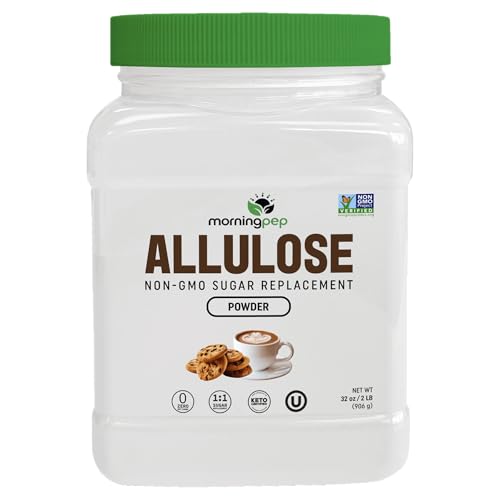
Morning Pep positions itself as a premium allulose with zero fillers, no erythritol, and certifications from NON-GMO Project and OU Kosher. Its fine powder texture blends seamlessly into hot coffee and tea without leaving a gritty residue, a common issue with coarser granulated sweeteners. Users appreciate that it has no measurable effect on blood sugar, making it a safe option for those with diabetes or pre-diabetic conditions.
The product claims no aftertaste, and user reviews largely confirm this, with only a slight initial adjustment period for those switching from sugar. For reflux management, the absence of acidic additives and the clean ingredient list are significant advantages. The 2-pound bag offers a decent bulk value, though it sits at a higher price point than some allulose competitors.
Some users note that while Morning Pep works well in beverages, its performance in baking requires recipe adjustments due to allulose’s lower sweetness relative to sugar. Additionally, a few reviews mention potential gastrointestinal effects if consumed in excess, though this is consistent with allulose as a category. Overall, it is a strong contender for those prioritizing purity and certifications.
Why it’s great
- 100 percent pure allulose with no fillers or erythritol added.
- NON-GMO Project Verified and OU Kosher Certified.
- No aftertaste and zero glycemic impact for stable digestion.
Good to know
- Less sweet than sugar, requiring adjustment in recipes.
- Premium price point compared to standard allulose brands.
- Can cause gas or bloating in sensitive individuals when overused.
4. MONKSHUSHU Allulose Syrup
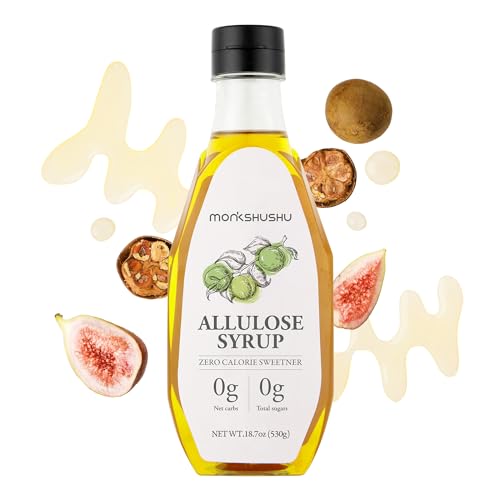
MONKSHUSHU offers a liquid allulose syrup blended with monk fruit extract and stevia glycosides, creating a zero-calorie sweetener that dissolves instantly in cold beverages. This is a significant advantage for reflux sufferers who enjoy iced coffee or cold brew, as granulated sweeteners often clump in low-temperature liquids. The syrup consistency also allows for precise portion control, reducing the risk of over-sweetening that can lead to overconsumption.
The combination of allulose and monk fruit provides a sweetness profile that closely mimics sugar without the bitterness often associated with pure stevia. User feedback indicates it is an excellent choice for cocktails, smoothies, and iced teas, where texture and dissolution speed matter. The product is keto-friendly with zero net carbs per serving, aligning with low-carb digestive management plans.
Some users report a slight stevia aftertaste, though this appears to be less pronounced than with pure stevia products. The liquid format means it is not suitable for baking where dry granulation is required. Additionally, the bottle size of 18.7 fluid ounces may not last as long as bulk granulated options for heavy daily users.
Why it’s great
- Instantly dissolves in cold drinks without clumping or residue.
- Combination of allulose and monk fruit reduces stevia aftertaste.
- Zero net carbs and keto-friendly for low-carb diets.
Good to know
- Not suitable for baking due to liquid format.
- Some users detect a mild stevia aftertaste.
- Smaller total volume compared to bulk granulated bags.
5. SweetLeaf Stevia Powder Shaker Jar
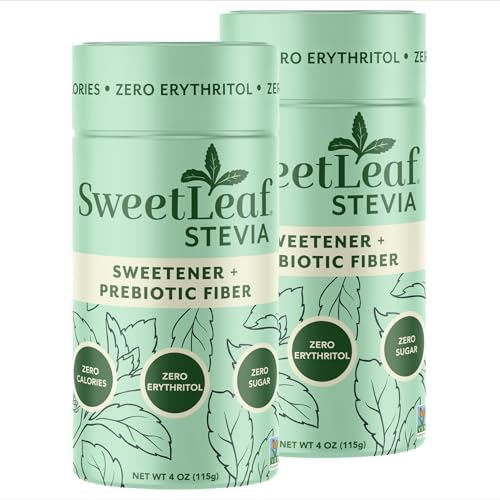
SweetLeaf delivers a zero-calorie stevia powder with a clever dual-cap design that allows both shaking and scooping, making it portable for on-the-go use. The product uses inulin as a bulking agent instead of maltodextrin, which is a prebiotic fiber that can support gut health, though it may cause digestive issues in sensitive individuals. Users praise its lack of bitter aftertaste, a common pitfall of cheaper stevia products.
For reflux management, the concentrated sweetness of stevia means only a tiny amount is needed, reducing the total volume of food or drink consumed. This is particularly helpful for those who experience reflux from gastric distension after large meals or beverages. The powder dissolves reasonably well in hot drinks but may require vigorous stirring in cold liquids to avoid clumps.
The 2-pack of 4-ounce jars provides good value for the price, though some users note that the inulin bulking agent can cause gas or bloating if used excessively. Additionally, the stevia sweetness is significantly higher than sugar, so new users should start with a small amount to avoid oversweetening. Overall, it is a solid entry-level option for those wanting a portable, zero-calorie sweetener.
Why it’s great
- Very portable with a shake-and-scoop cap design.
- No bitter aftertaste compared to many stevia brands.
- Uses inulin as a bulking agent instead of maltodextrin.
Good to know
- Inulin can cause gas or bloating in sensitive individuals.
- Requires vigorous stirring to dissolve in cold liquids.
- Extremely concentrated sweetness requires careful dosing.
FAQ
Is stevia safe for acid reflux?
Can allulose cause acid reflux?
Is xylitol better than stevia for GERD?
Final Thoughts: The Verdict
For most users, the sweetener for acid reflux winner is the Zveet Birch Xylitol because it offers a clean, neutral taste with no acidic additives and performs well in both hot and cold applications. If you want a budget-friendly granulated option that works for daily coffee and cooking, grab the Viva Doria Allulose. And for cold beverages where instant dissolution is key, nothing beats the MONKSHUSHU Allulose Syrup.