A great sushi roll depends on more than just fresh fish and perfectly seasoned rice. The final brush of sauce — whether it’s a sweet-savory unagi tare or a light, salty soy — determines whether each bite lands with balance or falls flat. Too thin and it runs off the nori. Too sweet and it masks the fish. The search for the right bottle is a search for precision.
I’m Mohammad Maruf — the founder and writer behind AirfryerBite. I’ve spent years analyzing condiment formulations, studying sodium levels, and reading through thousands of customer reviews to understand which sauces deliver on their promise of authentic umami without relying on cheap fillers.
After evaluating dozens of options across price tiers and dietary profiles, I’ve narrowed the market down to five bottles that actually earn their place in your fridge. This is the most direct path to the best sushi sauce that fits your kitchen and your palate.
How To Choose The Best Sushi Sauce
Buying a sushi sauce involves more than picking a familiar brand. You need to match the sauce’s thickness, salt level, and ingredient list to how you plan to use it — drizzling over nigiri, glazing grilled eel, or marinating protein for a poke bowl.
Thickness and Texture
Watery soy sauce works for dipping but will not cling to a maki roll. Look for sauces with a syrupy or pre-thickened consistency if you want a proper glaze. Unagi tare and eel-style sauces are boiled down with sweet rice wine to achieve that glossy, clinging finish.
Sodium and Sweetener Profile
A low-sodium soy sauce can help you control salt intake without sacrificing flavor, but many reduced-sodium options add sugar to compensate. Check the label for high fructose corn syrup or added sugar content. Authentic Japanese sauces rely on rice wine and naturally fermented soy for sweetness, not artificial syrups.
Certifications and Dietary Restrictions
If you cook for a gluten-free household, look for a sauce made with tamari or a dedicated gluten-free recipe. Vegan and Kosher certifications matter too, especially when the sauce is used as a marinade or a base for other dishes. The absence of added MSG also signals a cleaner taste profile for many home cooks.
Quick Comparison
On smaller screens, swipe sideways to see the full table.
| Model | Category | Best For | Key Spec | Amazon |
|---|---|---|---|---|
| Kikkoman Sushi Sauce, Unagi Tare | Unagi Tare | Sushi glazing & grilling | Pre-thickened, 84 oz bulk | Amazon |
| Otafuku Gluten Free Eel Sauce | Gluten-Free Unagi | Drizzle & dipping | 83.8 oz, no HFCS | Amazon |
| Kimono Mom UMAMI SAUCE | All-Purpose Umami | Multi-dish versatility | 10 oz, gluten-free | Amazon |
| Best of Thailand Japanese Soy Sauce | Low Sodium Soy | Low-sodium cooking | 75% less sodium, 47.3 oz | Amazon |
| Lee Kum Kee Gluten Free Soy Sauce | Budget GF Soy | Everyday marinades & stir-fry | 64 oz, non-GMO soybeans | Amazon |
In‑Depth Reviews
1. Kikkoman Sushi Sauce, Unagi Tare
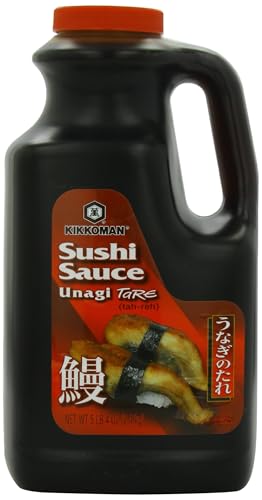
Kikkoman’s Unagi Tare is the industry standard for a reason. This pre-thickened sauce combines traditionally brewed Kikkoman soy sauce with sweet rice wine to create a glossy, sweet-savory glaze that clings perfectly to sushi rolls, grilled fish, and chicken. The 5-pound 4-ounce bulk container is the same format many restaurants use, so you know the consistency is engineered for commercial-grade performance.
The viscosity is noticeably thicker than standard soy sauce, which means a little goes a long way. Customers consistently report using it for poke bowls, rice dishes, and vegetable glazes with excellent results. The sweet rice wine base adds a mild sweetness that complements rather than overpowers the fish — a balance that is hard to find in budget alternatives.
One important note: this sauce contains traditional soy and wheat ingredients, so it is not gluten-free. The bulk packaging also means you’ll want to transfer some to a smaller squeeze bottle for daily use. But for sheer reliability and flavor depth, this is the bottle that sets the benchmark.
Why it’s great
- Pre-thickened consistency that glazes without dripping
- Authentic brewed soy sauce base from a trusted manufacturer
- Large 84 oz bulk size ideal for frequent sushi preparation
Good to know
- Contains wheat and soy — not suitable for gluten-free diets
- May need a smaller dispenser for easy handling
2. Otafuku Gluten Free Eel Sauce

Otafuku’s gluten-free eel sauce solves the problem that plagues most unagi-style bottles: it skips high fructose corn syrup entirely while maintaining a thick, clingy texture that coats sushi rolls beautifully. This half-gallon jug from Japan’s leading sauce manufacturer delivers restaurant-grade consistency with a clean ingredient list — no preservatives, no additives, and no MSG.
The flavor profile is sweet and rich, designed for drizzle application over maki, sashimi, and steamed rice. Customer feedback consistently highlights the superior taste compared to corn-syrup-based alternatives, with many buyers noting they use it as a staple condiment for everything from chicken to vegetables. The 83.8-ounce volume is a serious value for households that go through sauce quickly.
Because it contains no gluten and is 100% vegetarian, this sauce fits a wide range of dietary restrictions. Just remember to refrigerate after opening. The bulk jug is best used to refill a smaller container for daily pouring.
Why it’s great
- Gluten-free formulation that does not sacrifice thickness or taste
- No high fructose corn syrup, preservatives, or added MSG
- Massive half-gallon volume for frequent use
Good to know
- Must be refrigerated after opening
- Jug format requires a secondary dispenser
3. Kimono Mom UMAMI SAUCE
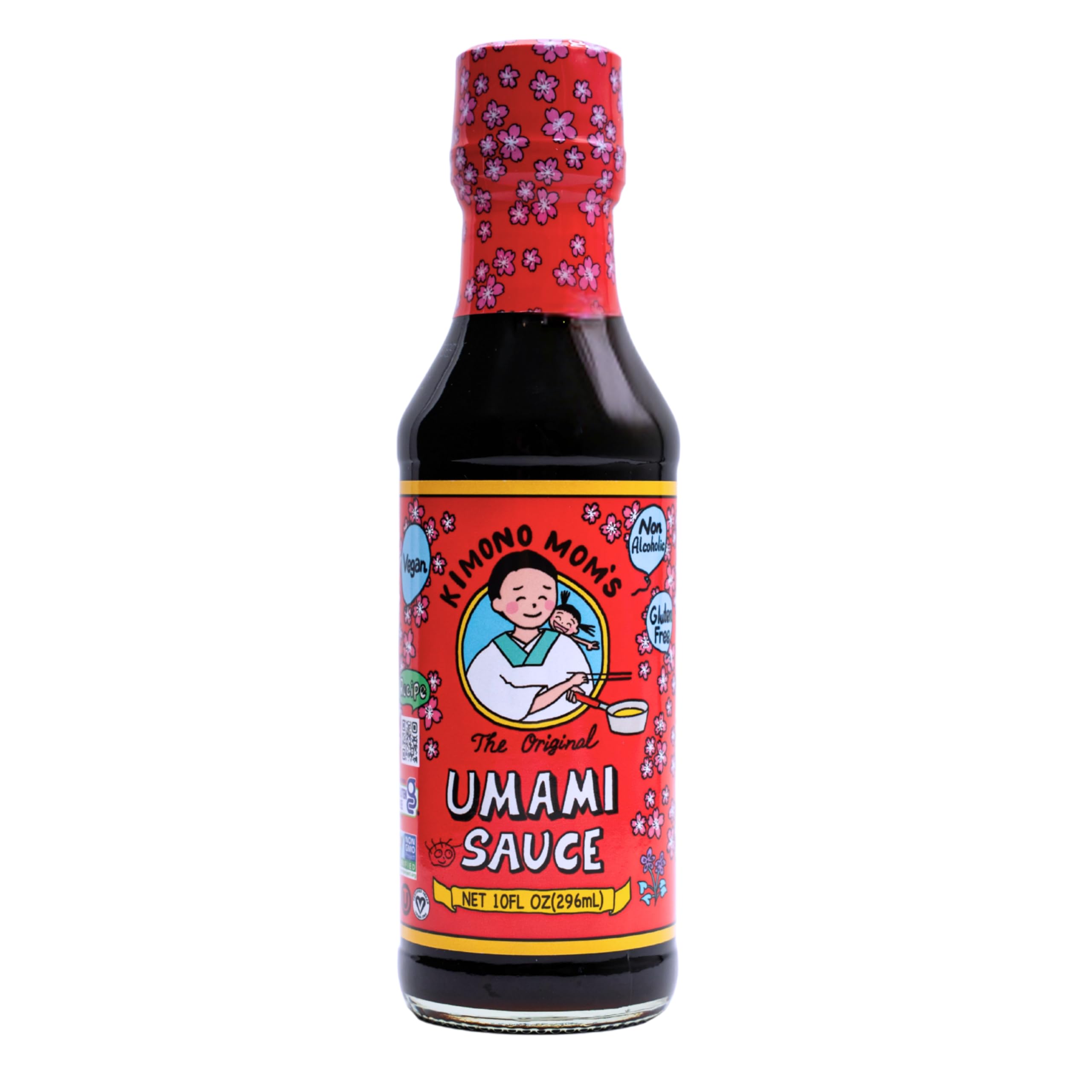
Kimono Mom’s UMAMI SAUCE is an all-purpose Japanese condiment that performs far beyond its 10-ounce bottle size. Made with tamari soy sauce and brewed using traditional methods, it delivers a less-salty, umami-rich profile that customers describe as subtly sweet and slightly thicker than standard soy. It is vegan, gluten-free, Kosher certified, and contains no added MSG or alcohol.
This sauce was designed for dilution — a 1:1 ratio with water replaces a 30-minute dashi stock — but it also works undiluted as a marinade, dip, or drizzle. Customers have reported using it on oyakodon, popcorn, chicken wings, ramen, and even vanilla ice cream with positive results. The versatility is genuine, not just marketing copy.
The main trade-off is price per ounce and bottle size. A single 10-ounce bottle is a premium purchase, but the concentration means you use less per dish. It requires refrigeration after opening and does not contain preservatives, so finish it within a reasonable timeframe.
Why it’s great
- Less salty than soy with a richer umami depth
- Vegan, gluten-free, and Kosher certified
- Dilutable 1:1 as a dashi stock replacement
Good to know
- Small 10-ounce bottle at a premium price point
- No preservatives — must be refrigerated after opening
4. Best of Thailand Japanese Soy Sauce

Best of Thailand’s Japanese-style barrel-aged soy sauce tackles a common complaint with low-sodium sauces: flavor dilution. This lite dark soy sauce cuts salt by 75% while maintaining a balanced profile of salty, sweet, bitter, sour, and umami notes through natural fermentation. The ingredient list is short — premium soybeans, wheat, salt, and water — with no added MSG.
Each package includes two 23.65-ounce squeeze bottles, giving you 47.3 ounces of usable sauce in a convenient dispenser format. Customers praise it for use in stir-fries, broths, sushi dipping, and teriyaki, noting that the lower sodium content makes heart-friendly cooking easier without resorting to bland substitutes. The squeezable bottles are a practical improvement over traditional glass jugs.
The biggest downside reported is packaging quality — some bottles arrive with damaged caps or seals. The sauce itself receives strong marks, but the container can be inconsistent. For home cooks who need a low-sodium workhorse with authentic fermentation, this is a solid choice.
Why it’s great
- 75% less sodium without sacrificing umami flavor
- Two convenient squeeze bottles included
- Naturally fermented with clean ingredients
Good to know
- Occasional packaging defects reported
- Contains wheat — not gluten-free
5. Lee Kum Kee Gluten Free Soy Sauce

Lee Kum Kee’s gluten-free soy sauce delivers the same rich, savory depth as traditional premium soy sauce while catering to gluten-free diets. Brewed from non-genetically modified whole soybeans, this 64-ounce bottle offers a balanced umami profile and a salt level that works for marinades, stir-fries, sushi dipping, and braising without overwhelming the dish.
Longtime customers call it their favorite gluten-free soy sauce, citing consistent flavor and excellent value per ounce. The large format makes it a smart economical purchase for households that use soy sauce regularly. Many fans refill a smaller bottle for fridge storage, keeping the bulk container in the pantry for ongoing use.
The trade-off for the value is that this is a standard soy sauce rather than a pre-thickened glaze. For sushi applications, you will need to reduce it or combine it with mirin and sugar to achieve the clingy unagi-style texture. It is also not suitable for low-sodium diets.
Why it’s great
- Gluten-free with authentic soy sauce taste
- Excellent value at 64 ounces for everyday cooking
- Non-GMO whole soybean base
Good to know
- Standard thin consistency — not a pre-thickened glaze
- Full sodium content compared to low-sodium options
FAQ
What is the difference between unagi sauce and regular soy sauce?
Can I use a gluten-free soy sauce for sushi without compromising taste?
Final Thoughts: The Verdict
For most users, the best sushi sauce winner is the Kikkoman Sushi Sauce, Unagi Tare because it offers a pre-thickened, restaurant-grade consistency that glazes sushi and grilled foods perfectly without any guesswork. If you need a gluten-free option with no high-fructose corn syrup, grab the Otafuku Gluten Free Eel Sauce. And for a low-sodium alternative that still delivers real umami depth, nothing beats the Best of Thailand Japanese Soy Sauce.