Using a harsh white vinegar on your sushi rice is a common mistake that masks the delicate sweetness of perfectly cooked grains. True sushi rice requires a vinegar with a gentle, rounded acidity that complements rather than competes. The right bottle makes the difference between rice that tastes sharp and rice that tastes balanced.
I’m Mohammad Maruf — the founder and writer behind AirfryerBite. I spend my time analyzing product specs, reading through hundreds of customer reports, and breaking down the subtle flavor differences that separate a good pantry staple from a great one in the culinary world.
After comparing dozens of options based on acidity levels, brewing methods, and real-world sushi applications, I’ve identified the top choices for making restaurant-quality rice at home. This guide covers everything you need to find the best sushi rice vinegar for your kitchen and your palate.
How To Choose The Best Sushi Rice Vinegar
Not every bottle labeled “rice vinegar” is suitable for sushi. The brewing method, acidity level, and whether it is seasoned or unseasoned all directly affect how your rice turns out. Here are the key factors to consider before buying.
Seasoned vs. Unseasoned: Know the Difference
Seasoned rice vinegar, often called sushi-su, already contains sugar and salt blended in. This is a time-saver because you can sprinkle it directly over hot rice without mixing your own seasoning. Unseasoned vinegar gives you full control over the sweetness and saltiness, allowing you to match the exact profile of your preferred sushi-ya. For beginners, seasoned options reduce the chance of a mistake. For purists, unseasoned offers flexibility.
Acidity Percentage: The Sweet Spot for Rice
Most quality rice vinegars hover around 4.5% acidity. This level provides enough tang to season the rice without overwhelming the palate or making the grains taste sour. Vinegars with lower acidity can taste too flat, while higher acidity levels, typical of distilled white vinegar, are too aggressive for sushi rice. Always check the label for the acidity percentage before buying.
Brewing Method and Ingredients
Traditionally brewed rice vinegar is made by fermenting rice wine or sake lees, resulting in a mellow, slightly sweet flavor with a clean finish. Cheaper alternatives are often diluted from synthetic acetic acid and lack complexity. Look for bottles that specify “naturally brewed” or “genuine brewed” to ensure you are getting the authentic flavor profile that sushi rice demands.
Quick Comparison
On smaller screens, swipe sideways to see the full table.
| Model | Category | Best For | Key Spec | Amazon |
|---|---|---|---|---|
| Marukan Genuine Brewed | Unseasoned | Pure, traditional flavor control | 128 oz, 4.5% acidity | Amazon |
| Roland Rice Wine Vinegar | Unseasoned | Budget-friendly bulk purchase | 128 oz, mild flavor | Amazon |
| Wan Ja Shan Organic | Organic | Certified organic ingredients | 50 oz, 4.5% acidity | Amazon |
| Mizkan Pure Unpolished Brown Rice | Unseasoned | Toasty, complex flavor profile | 17 oz, brown rice brew | Amazon |
| Marukan Sushi Seasoned | Seasoned | Convenient ready-to-use sushi-su | 128 oz, pre-seasoned | Amazon |
In‑Depth Reviews
1. Marukan Genuine Brewed Rice Vinegar (Unseasoned)

Marukan uses California-grown rice and a slow fermentation process that has been refined over three centuries. The result is a clean, balanced vinegar with a 4.5% acidity that is neither too sharp nor too flat. This unseasoned bottle gives you complete control to mix your own sugar and salt ratios, which is exactly what traditional sushi chefs prefer.
Customers consistently mention its versatility beyond sushi, using it for ultra-crisp refrigerator pickles, cucumber salads, and light dressings. The large gallon jug provides exceptional value for frequent users, though you will want a smaller pour bottle for daily use. The flavor is described as unmatched by other vinegars, with a mildness that enhances rather than dominates.
If you want a single vinegar for both sushi and general cooking, this is the most reliable option. The brewing pedigree and clean ingredient list make it a staple for anyone serious about Japanese cooking at home.
Why it’s great
- Traditional three-century brewing method delivers authentic flavor
- Versatile for sushi, pickling, dressings, and marinades
- Large 128-ounce size offers strong long-term value
Good to know
- Unseasoned requires adding your own sugar and salt for sushi rice
- Gallon jug is heavy and needs a smaller container for daily pouring
2. Roland Rice Wine Vinegar (Unseasoned)
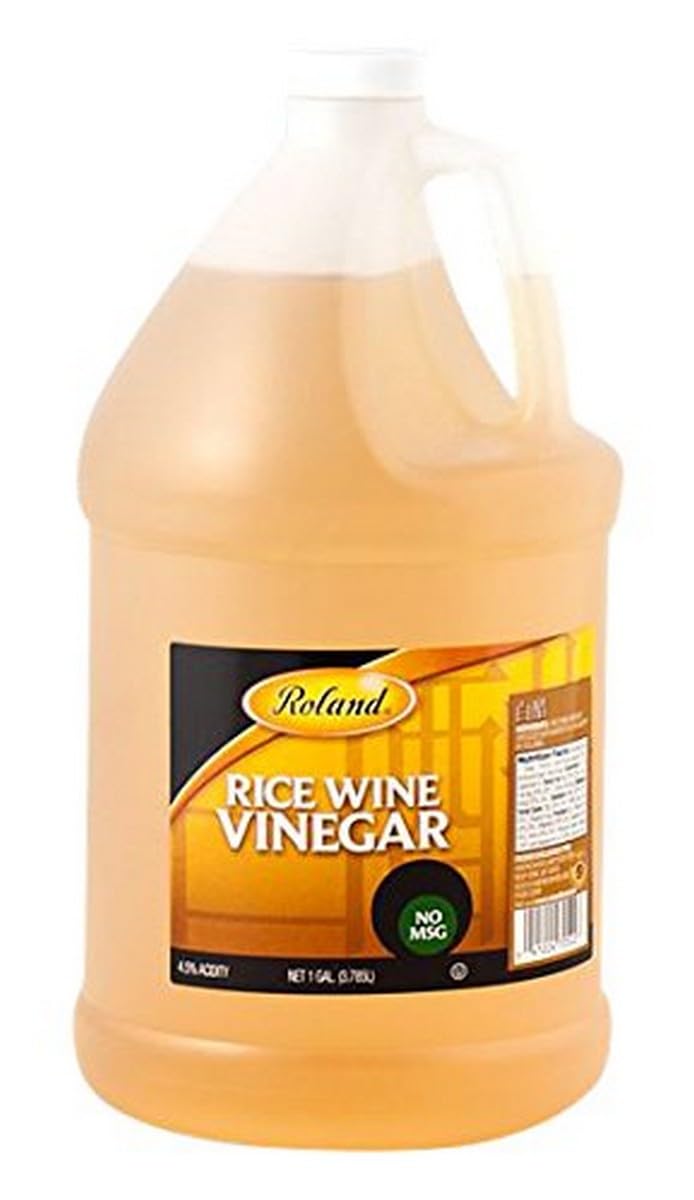
Roland provides a clean, mellow rice vinegar that is noticeably softer than distilled white vinegar. It is unseasoned, so you will need to mix in sugar and salt for sushi rice, but the base flavor is smooth and reliable. The 128-ounce jug is one of the largest available in this price tier, making it ideal for heavy-duty use.
Customer feedback highlights its good value per ounce compared to smaller bottles. Users report that it tastes as good as name brands for sushi applications and works well in salads, dipping sauces, and noodle bowls. Some long-time buyers note that the price has increased over the years, but the quality remains consistent.
This is a solid entry-level bulk option for families or small businesses that go through vinegar quickly. The flavor is mild enough for sushi but sturdy enough for general cooking tasks like deglazing pans or making dressings.
Why it’s great
- Low cost per ounce for a large 128-ounce container
- Mellow flavor works well for sushi and everyday cooking
- Versatile for Asian cuisine, salads, and marinades
Good to know
- Unseasoned requires mixing your own seasoning for sushi rice
- Some users report flavor as slightly harsh compared to premium brands
3. Wan Ja Shan Organic Rice Vinegar (Unseasoned)
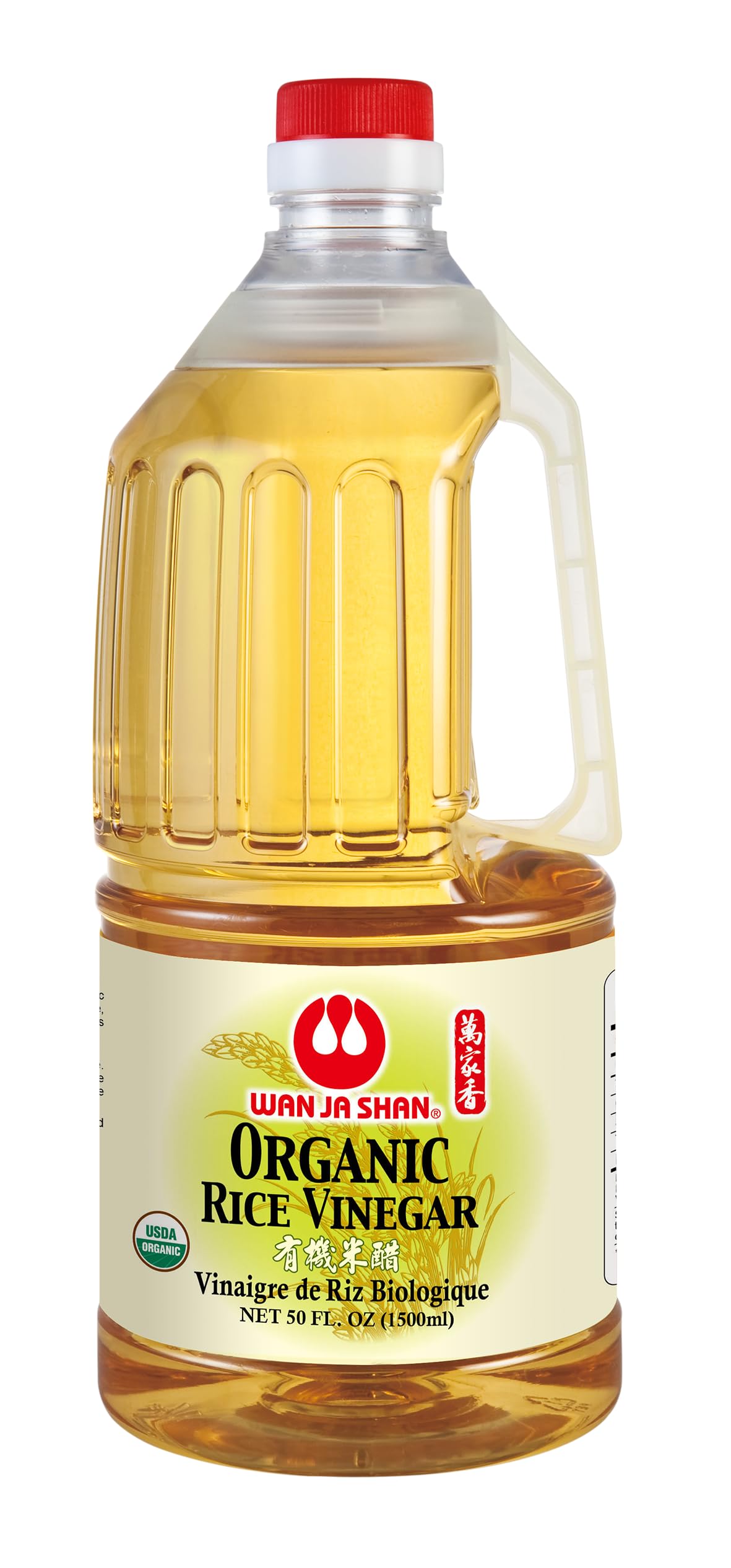
Wan Ja Shan is brewed in Taiwan using traditionally fermented organic rice, with a 4.5% acidity level that hits the sweet spot for sushi rice. It is USDA Certified Organic, Kosher, and free from synthetic pesticides and additives. The glass bottle packaging is a nice touch for those trying to reduce plastic use in their kitchen.
Customers praise its smooth, clean taste that is sharp at first but quickly mellows out. Many use it specifically for sushi rice, reporting that it works perfectly after mixing with a dab of sugar and salt. The 50-ounce size is a practical middle-ground between small bottles and gallon jugs, offering a good balance of value and manageability.
If organic certification is a priority for your pantry, this is a top contender. The traditional brewing process delivers the authentic flavor profile needed for quality sushi rice without any harsh notes.
Why it’s great
- USDA Certified Organic with no synthetic additives
- Traditional Taiwanese fermentation produces a clean, balanced acidity
- Glass bottle is recyclable and BPA-free
Good to know
- Unseasoned requires adding sugar and salt for sushi rice
- 50-ounce size is smaller than gallon options for heavy users
4. Mizkan Pure Unpolished Brown Rice Vinegar

Mizkan makes its vinegar from unpolished brown rice, giving it a toasty, deeper flavor profile that standard white rice vinegar cannot match. The acidity is gentle and less sharp than typical rice vinegars, making it an excellent choice for those who find regular vinegar too aggressive. This unseasoned bottle works beautifully in ponzu dressings and tsukemono pickles.
Reviewers rave about the complex, subtle flavor that enhances sushi rice without overwhelming it. Several users note that it is a completely different product from cheap alternatives, with a nuance that justifies the higher price point. The 17-ounce bottle is smaller than most competitors, but the flavor density means a little goes a long way.
If you are looking to experiment with flavor depth or want a vinegar that adds a subtle earthiness to your sushi rice, this is the one to try. It is a premium ingredient for discerning cooks who value complexity over convenience.
Why it’s great
- Unique toasty flavor from unpolished brown rice fermentation
- Milder and more nuanced than standard rice vinegars
- Great for sushi rice, ponzu, and Japanese pickles
Good to know
- Smaller 17-ounce bottle has a higher cost per ounce
- Unseasoned format requires mixing your own sugar and salt
5. Marukan Sushi Seasoned Rice Vinegar (Sushi-Su)

Marukan’s Sushi-Su is a pre-seasoned rice vinegar blended with sugar and salt according to their proprietary recipe. This is the ultimate shortcut for making sushi rice: just sprinkle it over steamed short-grain rice and fold. No measuring, no mixing, no guesswork. The 128-ounce jug provides enough for dozens of batches, making it a staple for weekly sushi nights.
Customers find it slightly sweeter than some other seasoned vinegars, but not cloying. It works well not only for sushi rice but also as a quick dressing for cucumber salads and other cold dishes. Some purists note that they would prefer a bit more sweetness, but most agree it is a solid, reliable product that delivers consistent results every time.
If convenience is your top priority and you do not want to fuss with seasoning ratios, this is the answer. It is especially ideal for beginners who are still building confidence with sushi rice preparation.
Why it’s great
- Ready to use with no mixing required for sushi rice
- Large 128-ounce bulk size perfect for frequent sushi makers
- Consistent flavor batch after batch
Good to know
- Pre-seasoned limits control over sweetness and salt levels
- Some users find it slightly sweeter than traditional sushi-su recipes
FAQ
Can I use regular white vinegar instead of rice vinegar for sushi?
What is the difference between seasoned and unseasoned rice vinegar for sushi?
Final Thoughts: The Verdict
For most users, the best sushi rice vinegar winner is the Marukan Genuine Brewed Rice Vinegar because it delivers authentic traditional flavor with the versatility to handle sushi, pickling, and dressings alike. If you want a convenient ready-to-use option, grab the Marukan Sushi Seasoned Rice Vinegar for instant sushi-su. And for a unique toasty complexity, nothing beats the Mizkan Pure Unpolished Brown Rice Vinegar.