Finding a spread that fits a nut-free kitchen without sacrificing the creamy satisfaction of a classic butter can feel like a losing game. The problem is rarely taste—it is texture, ingredient transparency, and the hidden sugars that turn a healthy choice into a dessert in disguise.
I’m Mohammad Maruf — the founder and writer behind AirfryerBite. I have spent hundreds of hours cross-referencing nutritional labels, oil separation reports, and organic certifications from the top sunflower seed butter brands to separate the genuinely clean spreads from the marketing-heavy imitators.
This guide cuts through the noise to help you find the best sunflower seed butter for your pantry, whether you need a school-safe option, a single-ingredient jar, or a bulk supply for weekly meal prep.
How To Choose The Best Sunflower Seed Butter
Sunflower seed butter is not a one-size-fits-all pantry staple. The right choice depends on how you plan to use it—spreading on toast, blending into smoothies, or packing school lunches—and what you are trying to avoid: added sugar, seed oils, or top allergens.
Check the Ingredient Line First
The gold standard for clean sunflower butter is a single ingredient: organic sunflower seeds. Once manufacturers add cane sugar, palm oil, or “natural flavors,” the nutritional profile shifts and the spread becomes closer to a dessert topping than a protein source. Single-ingredient jars require stirring because the oil separates naturally—that is a sign of minimal processing, not poor quality.
Certifications That Matter for Allergy Households
Not all nut-free claims are created equal. Look for explicit “Peanut Free” and “Tree Nut Free” allergen statements, plus third-party certifications like USDA Organic, Non-GMO Project Verified, and CRC Kosher. Sunflower butter naturally avoids the top eight allergens, but manufacturing facility cross-contamination is a real risk if the brand does not run a dedicated allergen-free line.
Texture and Oil Separation Behavior
Sunflower seed butter is inherently more fluid than almond or peanut butter because of the seed’s natural oil composition. A runny or pourable consistency at room temperature is normal. If you prefer a firmer spread, refrigerating the jar solidifies the texture without affecting taste. Avoid brands that rely on hydrogenated oils or palm oil to artificially thicken the spread.
Quick Comparison
On smaller screens, swipe sideways to see the full table.
| Model | Category | Best For | Key Spec | Amazon |
|---|---|---|---|---|
| SunButter Organic | Organic Multi-Pack | School-safe bulk buys | Single ingredient: sunflower seeds | Amazon |
| Oat Haus Granola Butter | Oat-Based Alternative | Flavor-forward spreads | Oats + sunflower seeds + cinnamon | Amazon |
| Wilderness Poets Hemp Butter | Raw Seed Spread | Raw food diets | Single ingredient: raw hemp seeds | Amazon |
| Once Again Almond Butter Packets | Single-Serve Packets | Travel and on-the-go snacks | 10 single-serve 1.15 oz packets | Amazon |
In‑Depth Reviews
1. SunButter Organic Sunflower Seed Butter
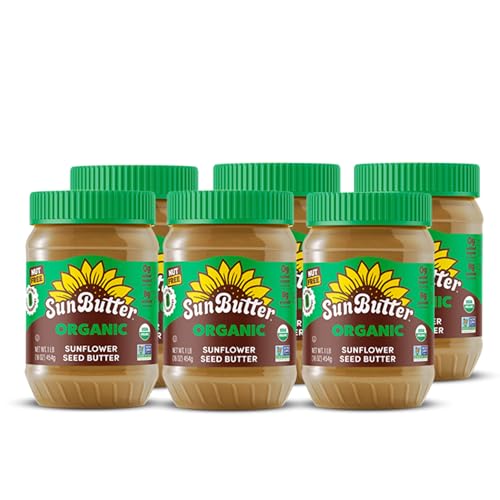
SunButter leads this category because it does exactly what a clean sunflower seed butter should do: one organic ingredient, no added sugar, and a smooth texture that stirs back together with minimal effort after natural oil separation. Each 16-ounce jar delivers 8 grams of plant-based protein without any fillers, hydrogenated oils, or artificial flavors that pads out cheaper spreads.
Customers consistently report that the roasting process brings out a savory depth that mimics toasted sunflower kernels, which makes it a direct peanut-butter replacement on sandwiches and in baking. The six-jar pack works well for families managing nut-free school zones or for weekly smoothie prep, and the price per jar lands in a range that beats most single-jar organic competitors.
The only recurring friction point is the jar seal design—some buyers find the inner foil tricky to remove without tearing. Once opened, the butter stores well at room temperature and keeps its flavor without refrigeration for up to three months.
Why it’s great
- USDA Organic and Non-GMO verified with a single-ingredient label
- Smooth consistency with easy oil reincorporation
- Nut-free, soy-free, dairy-free, and gluten-free in a dedicated facility
Good to know
- Inner foil seal can be frustrating to peel cleanly
- Taste is distinctly different from peanut or almond butter—not a flavor clone
2. Oat Haus Cinnamon Graham Original Granola Butter
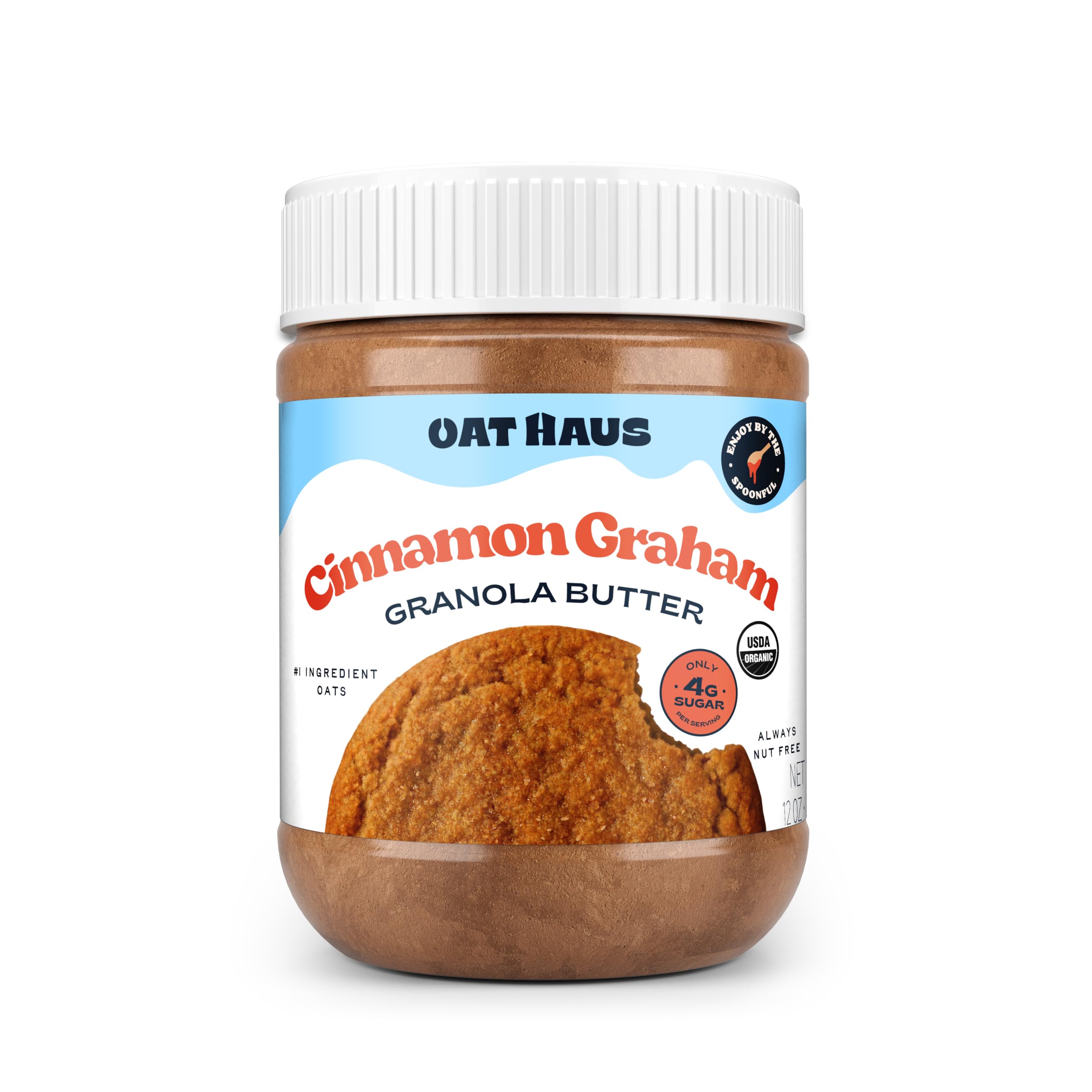
Oat Haus takes a different approach—rather than pure sunflower seeds, it blends oats with sunflower seeds and cinnamon to create a spread that tastes like a cinnamon teddy graham in jar form. The texture is noticeably runnier than standard nut butters, which reviews describe as “pourable” at room temperature, though it firms up noticeably in the fridge. For the budget-conscious buyer who prioritizes flavor variety over single-ingredient purity, this is a strong mid-range option.
The brand eliminates all top-eight allergens, including peanuts, tree nuts, soy, and dairy, making it a school-safe choice for families navigating multiple dietary restrictions. With no refined sugars, no palm oil, and CRC Kosher certification, the ingredient philosophy aligns with clean-eating standards even if it is not a single-seed product.
The small 12-ounce jar size means you will go through it faster than bulk options, and the runny consistency may not work for thick sandwich spreads without refrigeration. That said, the flavor feedback is overwhelmingly positive—buyers call it “Christmas butter” and note it satisfies cookie-craving without the processed sugar load.
Why it’s great
- Free from the top eight food allergens—peanut, tree nut, soy, dairy, egg, and more
- No refined sugars, preservatives, or palm oil in the ingredient list
- Distinct cinnamon-cardamom flavor that works as a cookie butter alternative
Good to know
- Runny texture requires thorough stirring and fridge storage for spreadability
- Small jar size goes quickly for the price compared to bulk seed butters
3. Wilderness Poets Hemp Seed Butter
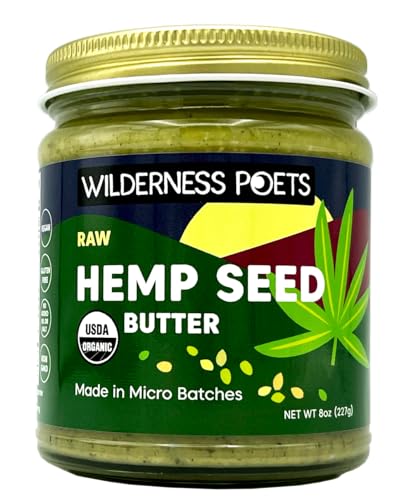
Wilderness Poets steps outside sunflower territory entirely with a raw hemp seed spread that shares the same nut-free, single-ingredient philosophy as the best sunflower butters. The butter has a distinct pine-nut-like flavor with an earthy undertone, and its rich green color comes from the living green oil of pressed hemp seeds—no artificial coloring added. For raw food enthusiasts or anyone seeking an omega-3 boost from a spread, this fills a narrow but important niche.
Customers note the texture is creamy but slightly gritty compared to roasted sunflower butter, and the flavor tends to be mild and slightly sour without added salt. Several reviews recommend adding a pinch of sea salt to brighten the taste. The 8-ounce glass jar feels premium, but the volume is small for the mid-range price point.
This spread shines in smoothies and dressings rather than straight sandwich applications. Its low-calorie profile and alkalizing properties make it popular among sensitive-stomach buyers who cannot tolerate the higher fat content of sunflower or nut butters.
Why it’s great
- Single organic raw ingredient with no added oils, sugar, or salt
- Rich in plant-based omega-3s and low in calories for a seed butter
- Works as a base for raw dressings, dips, and smoothies
Good to know
- Gritty texture and mild sour flavor may not satisfy sweet-tooth cravings
- Small 8-ounce jar at a premium per-ounce cost
4. Once Again Organic Almond Butter Packets
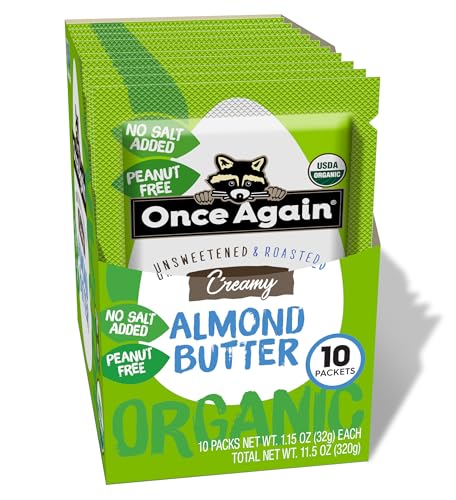
Although this is technically almond butter rather than sunflower seed butter, it earns a spot here for buyers who want the same single-ingredient, nut-free-alternative ethos in a portable format. Each 1.15-ounce packet contains nothing but dry roasted organic almonds—no sugar, salt, palm oil, or preservatives. The 10-count box fits into lunch bags, airplane carry-ons, and desk drawers without refrigeration risk.
The main practical difference from sunflower butter is texture: almond butter tends to be thicker and requires kneading the packet before opening to redistribute the oils. Customers who follow this step report consistent creamy results. For anyone managing tree-nut allergies, this product is not a substitute—it is almond-based—but for those simply avoiding peanuts and soy, the packets offer unmatched convenience.
Portion control is the strongest argument here. Each packet holds enough for a single sandwich or a smoothie add-in, eliminating the over-scooping that happens with jars. The lack of added sugar keeps the glycemic load low, and the 7 grams of plant-based protein per packet makes it a solid macro-friendly snack.
Why it’s great
- Single organic ingredient: dry roasted almonds, nothing else
- No refrigeration needed, perfect for travel and school lunches
- Consistent texture control with easy oil redistribution after kneading
Good to know
- Contains tree nuts (almonds)—not suitable for tree-nut-free households
- Single-serve packets generate more packaging waste than a bulk jar
FAQ
Does sunflower seed butter taste like peanut butter?
Why does my sunflower seed butter have liquid on top?
Can I use sunflower seed butter in baking as a peanut butter substitute?
Final Thoughts: The Verdict
For most users, the best sunflower seed butter winner is the SunButter Organic because it delivers the purest single-ingredient profile at a per-ounce cost that undercuts most organic nut-free spreads. If you want a sweet, cinnamon-forward option that replaces cookie butter, grab the Oat Haus Granola Butter. And for raw food diets or dip-ready seed spreads, nothing beats the Wilderness Poets Hemp Seed Butter.