Rosemary may look rugged, but its roots rot fast in standard potting soil that holds moisture like a sponge. The single mistake buyers make is grabbing any bag labeled for “herbs” or “general purpose,” which drowns the root system within weeks. You need a mix that drains aggressively, dries fast, and mimics the gravelly, lean terrain rosemary evolved in.
I’m Mohammad Maruf — the founder and writer behind AirfryerBite. I’ve dug into hundreds of soil formulations, analyzing drainage rates, aeration textures, and pH balance to find blends that keep Mediterranean herbs like rosemary alive and thriving indoors or in containers.
After testing drainage speeds, ingredient profiles, and real user feedback across five different products, I narrowed down the soil for rosemary that prevents root rot, promotes essential oil production, and requires zero guesswork when repotting.
How To Choose The Best Soil For Rosemary
Rosemary demands a soil that is lean, fast-draining, and low in organic matter. The wrong mix leads to yellowing leaves, weak stems, and eventual root collapse. Focus on three critical factors before buying.
Drainage Speed and Grit Content
Rosemary roots must dry out between waterings. Look for soil containing perlite, pumice, coarse sand, or calcined clay. These ingredients create air pockets and prevent water from pooling. A mix that stays wet for more than three days after watering is too dense for rosemary.
pH Level and Nutrient Profile
Rosemary prefers a slightly acidic to neutral pH between 6.0 and 7.0. Soils packed with peat moss lower the pH too much and retain excessive moisture. Avoid high-nitrogen blends that produce lush but weak growth with less aromatic oils.
Quick Comparison
On smaller screens, swipe sideways to see the full table.
| Model | Category | Best For | Key Spec | Amazon |
|---|---|---|---|---|
| Soil Sunrise Cactus Mix | Premium Mix | Gritty drainage, no amendments needed | 8 quarts, pine bark + silica sand + pumice | Amazon |
| Rosy Soil Cactus Mix | Organic Mix | Microbe-rich, peat-free, gnats resistant | 4 quarts, organic with worm castings | Amazon |
| Miracle-Gro Cactus Mix | Multi-Pack | Large batches, fast-draining formula | 3-pack x 8 qt, includes plant food | Amazon |
| Hoffman Organic Mix | Budget Family | Two-bag value, ready to use | 2-pack x 10 qt, peat-free | Amazon |
| Midwest Hearth Cactus Mix | Entry Level | Small pots, single plant use | 4 dry quarts, pH controlled | Amazon |
In‑Depth Reviews
1. Soil Sunrise Cactus and Succulent Potting Mix
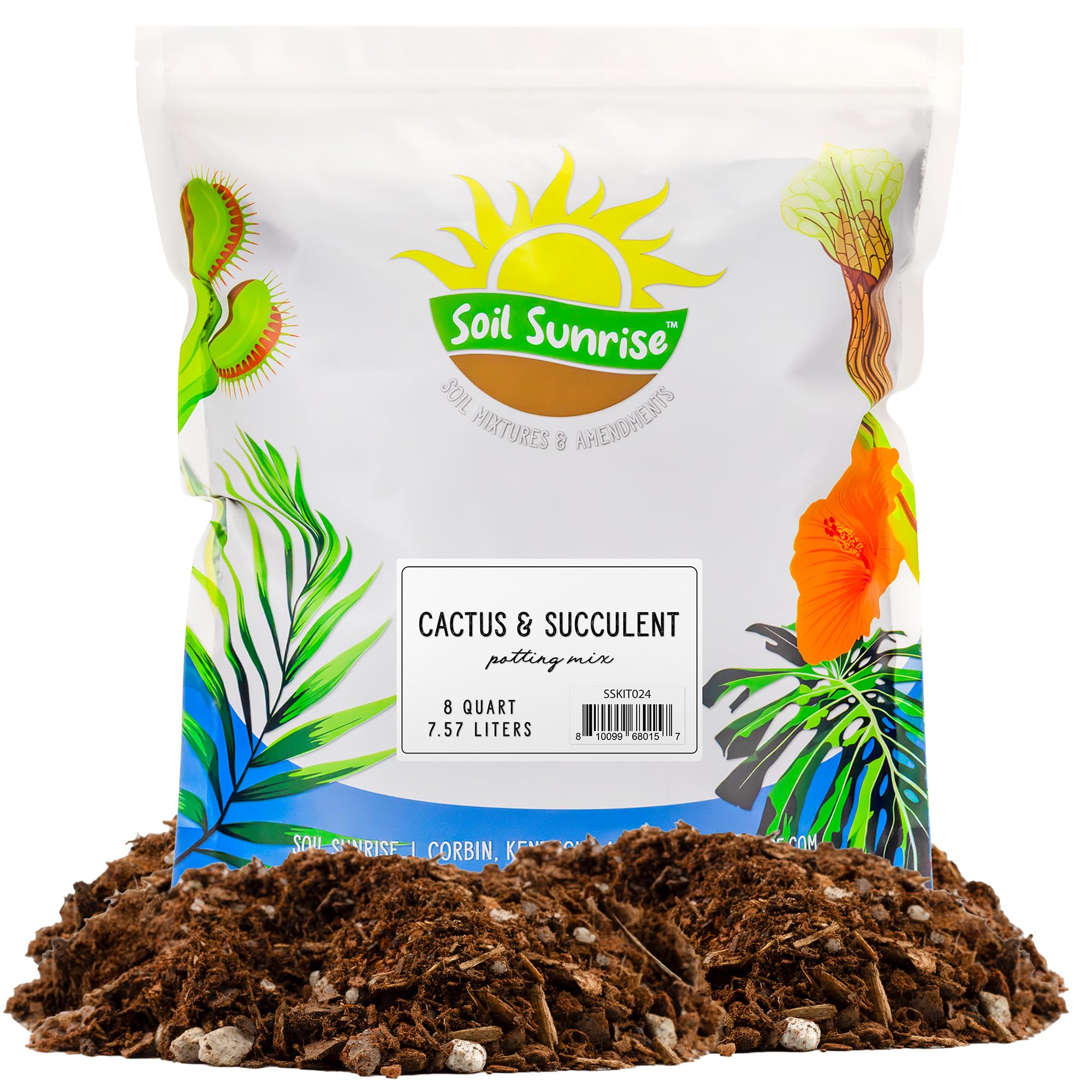
Soil Sunrise delivers a hand-blended mix of pine bark, silica sand, calcined clay, and pumice that creates the sharp drainage rosemary needs. The gritty texture prevents water from settling around the root crown, a common cause of stem rot. Users consistently report that this mix dries out within three days of watering, matching rosemary’s preferred dry cycle perfectly.
The 8-quart bag fills a large 12-inch pot with room to spare, making it ideal for a single mature rosemary bush. No additional perlite or sand is required — the formula is complete out of the bag. The absence of peat moss means the pH stays in rosemary’s sweet spot without acidifying over time.
Customer reviews highlight zero pest issues and no mold growth, which is rare for bagged soil. The hand-mixed consistency means each batch has slightly varied particle sizes, but all drain at a similar fast rate. This is the closest you can get to a custom greenhouse blend without mixing your own.
Why it’s great
- Complete blend, no amendments needed for rosemary
- Fast drainage dries out in ~3 days
- No peat moss, pH stays neutral
Good to know
- Hand-mixed batches vary slightly in texture
- Costs more per quart than all-purpose mixes
2. Rosy Soil Cactus and Succulent Organic Potting Mix
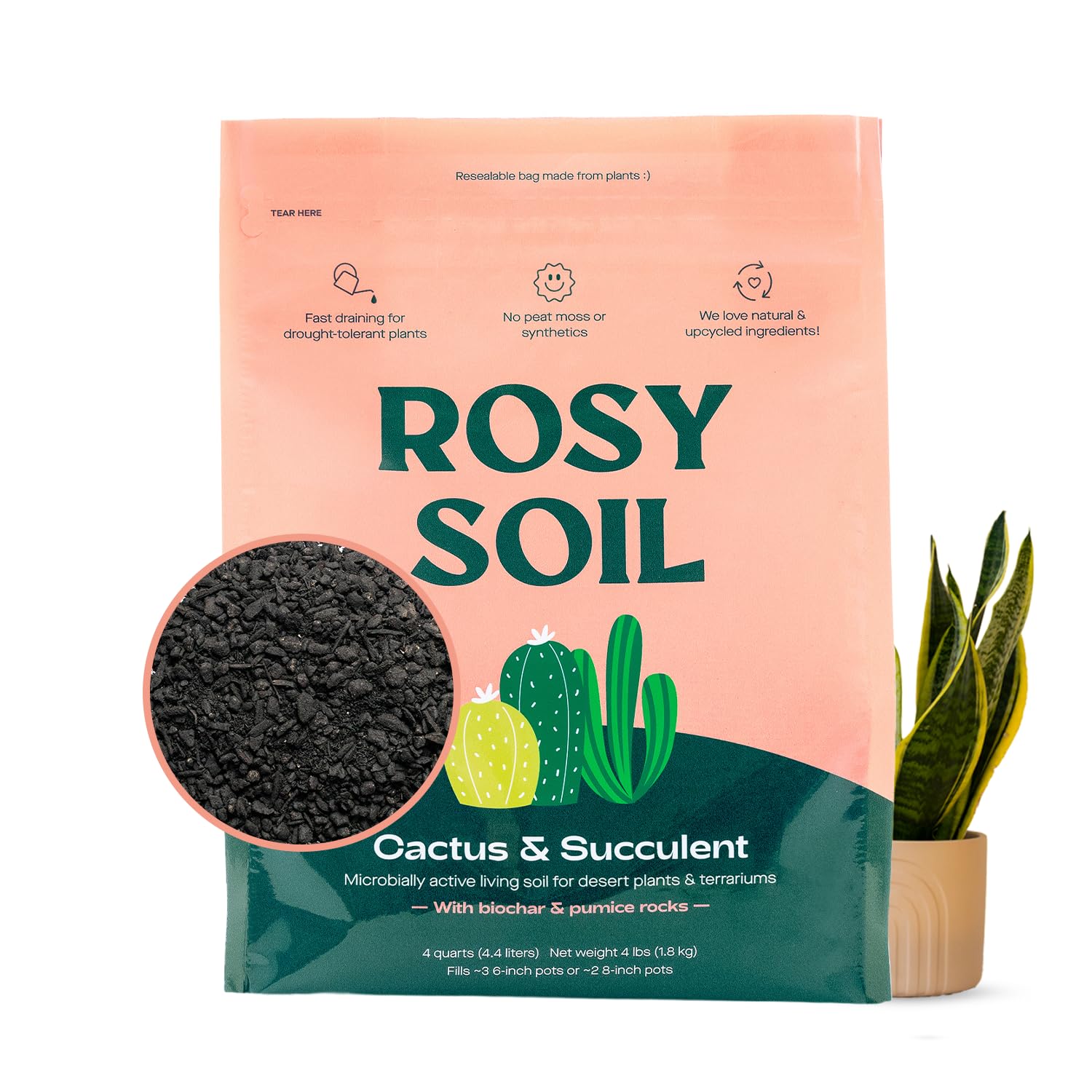
Rosy Soil takes a living-soil approach, fortifying its cactus and succulent mix with beneficial microorganisms and organic worm castings. For rosemary, this microbial boost helps roots absorb trace minerals that contribute to stronger essential oil production. The chunky, loose texture allows water to pass through rapidly while retaining just enough moisture for the root zone.
The peat-free formulation means you won’t see the pH drop that often happens with peat-based mixes after several months. The 4-quart bag is enough for two to three small to medium rosemary plants in 6-inch pots. The resealable bag keeps the remaining soil fresh between uses, a practical touch for gardeners who repot gradually.
Users note the soil arrives with some natural moisture content, which is normal for living soil products. The dark, clean appearance and absence of fungus gnats across multiple bags indicate thorough sterilization. For rosemary specifically, adding a handful of extra perlite or coarse sand will further improve drainage for those who tend to overwater.
Why it’s great
- Beneficial microbes support nutrient uptake
- Peat-free, pH remains stable
- Resealable bag for storage
Good to know
- Smaller 4-quart volume, best for few plants
- May need extra grit for heavy waterers
3. Miracle-Gro Cactus, Palm and Citrus Potting Mix (3-Pack)

Miracle-Gro’s fast-draining cactus formula is a familiar, reliable option for rosemary growers who need volume. The 3-pack delivers 24 total quarts, enough to repot a full rosemary hedge or multiple container plants. The formula includes pre-added plant food that gives rosemary a gentle nutrient boost for the first few weeks, though you’ll still want to add extra perlite or pumice to hit the drainage speed rosemary prefers.
The mix is designed for cactus, palm, and citrus, meaning the base drainage is better than standard potting soil but not as sharp as a dedicated gritty blend. For rosemary, a 50/50 mix of this product with coarse sand or perlite transforms it into an excellent growing medium. Without amendment, it retains slightly more moisture than ideal, so adjust your watering frequency accordingly.
Customer reviews consistently praise the value of the 3-pack for large projects. Several users mention using it successfully for potted Mediterranean herbs with added grit. The brand recognition and wide availability make this a convenient fallback when specialty mixes are out of stock.
Why it’s great
- Great value for large-scale repotting
- Includes plant food for early growth
- Widely available and consistent
Good to know
- Needs additional perlite or sand for rosemary
- Holds more moisture than gritty blends
4. Hoffman 10410 Organic Cactus and Succulent Soil Mix, 10 Quarts (2-Pack)

Hoffman’s organic cactus mix comes as a 2-pack of 10-quart bags, giving you 20 quarts total at a competitive price per quart. The formula uses no peat moss and relies on a blend of organic ingredients that drain reasonably well out of the bag. For rosemary, this mix works best when combined with perlite or pumice to increase the drain speed and prevent the soil from staying damp for extended periods.
Some users report that the mix arrives slightly dense and compacted, which is a sign that the texture is finer than a true gritty mix. Breaking the soil apart by hand before potting helps restore aeration. The 10-quart bag size is practical for filling multiple 8-inch pots, and the easy-pour bag design reduces mess during transfer.
Customer feedback is positive overall, though a few reviewers mention that the mix retains more moisture than expected for cactus soil. For rosemary, this means you should err on the side of underwatering and always use a pot with ample drainage holes. Adding coarse sand at a 3:1 ratio improves the structure dramatically.
Why it’s great
- Large 20-quart total volume at a good price
- No peat moss in the formula
- Convenient pour bag design
Good to know
- Dense texture needs aeration amendment
- Retains moisture longer than gritty blends
5. Midwest Hearth Cactus Succulent Natural Potting Soil Mix (4 Dry Quarts)
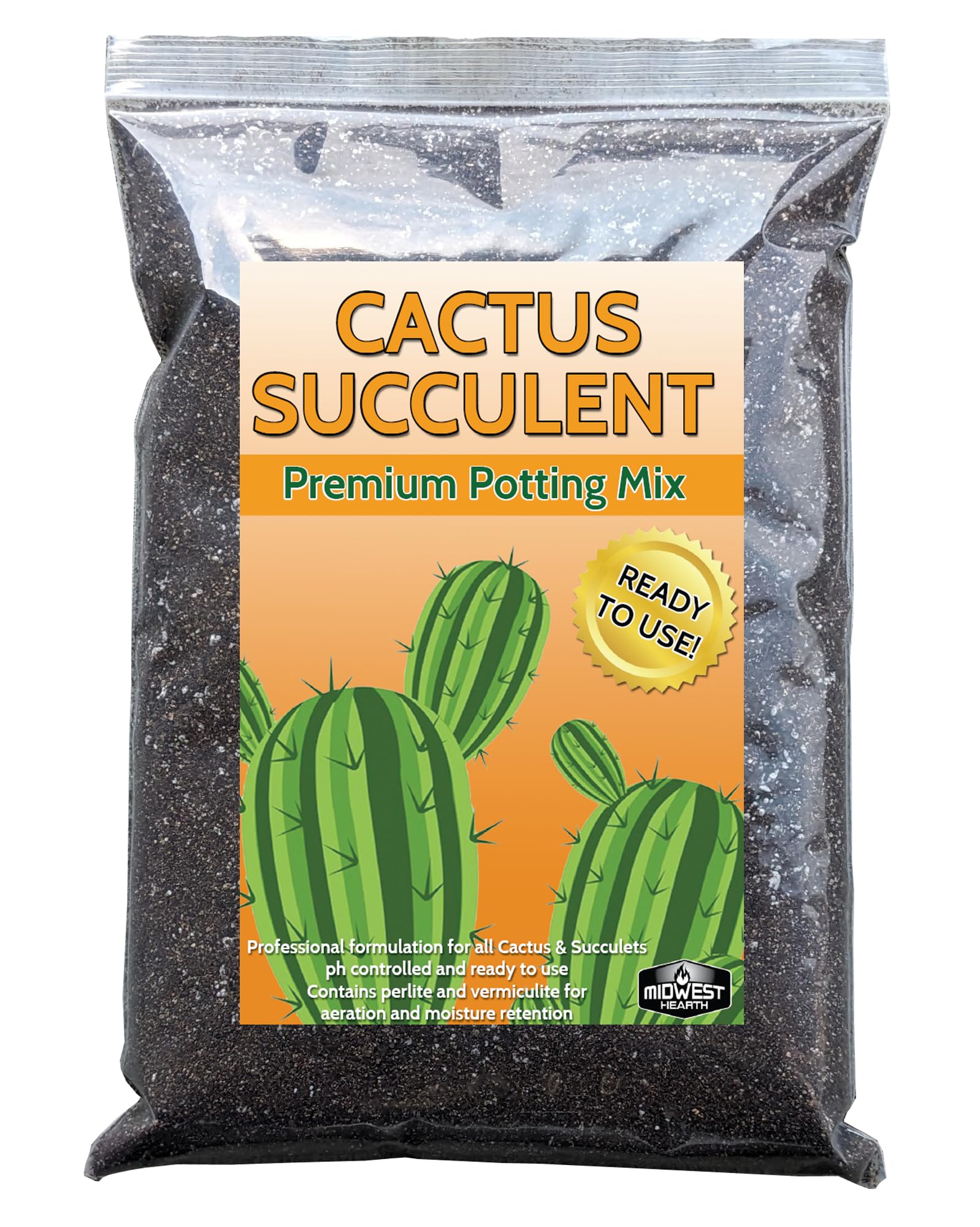
Midwest Hearth offers a compact 4-quart bag that is ready to use straight from the package, with pH levels already balanced for cacti and succulents. The mix includes peat moss, perlite, and vermiculite, which provide aeration and some moisture control. For rosemary, the presence of vermiculite is a double-edged sword — it helps with aeration but also holds water, so you must monitor your watering schedule carefully.
The peat moss component gives the soil a light, fluffy texture that makes root penetration easy for small rosemary starts. However, peat breaks down over time and can compact, so repotting every 12 to 18 months is advisable. The small bag size is ideal for a single plant or for testing the mix before committing to a larger purchase.
Reviewers praise the soil for its consistency and the fact that it arrives free of pests and mold. Several users mention that the 4-quart volume feels small for the price, but the quality of the blend compensates. Adding a handful of extra perlite will optimize this mix for rosemary’s drainage needs.
Why it’s great
- pH balanced and ready to use
- Light texture for easy root growth
- No pests or mold reported
Good to know
- Vermiculite holds moisture longer than ideal
- Small bag volume, best for single plants
FAQ
Can I use regular potting soil for rosemary?
Should I add sand to cactus soil for rosemary?
Final Thoughts: The Verdict
For most users, the soil for rosemary winner is the Soil Sunrise Cactus Mix because it drains fast out of the bag with zero amendments and provides the gritty, lean structure rosemary craves. If you want a living soil with beneficial microbes for stronger root development, grab the Rosy Soil Organic Mix. And for large batches of rosemary across multiple containers, nothing beats the volume and convenience of the Miracle-Gro Cactus Mix 3-Pack with added perlite.