The perfect prime rib depends less on the cut of meat and more on the dark, fragrant crust that forms around it. A rub that’s too salty will ruin the natural beef flavor; one that’s too sweet will burn before the roast is done. Finding a blend with the correct salt-to-spice ratio and a coarse enough grind to create that signature bark is the difference between a holiday showstopper and a mediocre roast.
I’m Mohammad Maruf — the founder and writer behind AirfryerBite. I’ve spent years analyzing the chemical composition and particle-size distribution of commercial spice blends to understand how they interact with different cooking methods and meat surfaces.
This guide breaks down five of the most popular options, comparing their sodium levels, grind consistency, and flavor profiles so you can confidently pick the rub for prime rib that delivers the crust and juiciness you’re after.
How To Choose The Best Rub For Prime Rib
Prime rib is a relatively forgiving roast, but a poorly chosen rub can still turn a beautiful cut of beef into a salty or burnt mess. The key is understanding how the rub’s chemical composition interacts with the fat cap, the cooking temperature, and the resting period.
Salt-to-Spice Ratio and Sodium Content
Prime rib typically has a thick fat cap that can handle moderate salt, but a rub with over 60% salt by weight will draw moisture out of the lean sections before the fat renders. Look for blends where salt is listed third or further down the ingredient list, not first. Many premium blends use kosher flake salt rather than fine table salt because it dissolves more slowly and creates a more even crust.
Coarse Grind vs. Fine Powder
A coarse grind—think visible flakes of garlic, onion, and black pepper—creates texture against the roasted fat and doesn’t burn as easily during the initial high-heat sear. Fine powders, especially those heavy in paprika or sugar, will char well before the internal temperature of the roast reaches 120°F. If you plan to reverse-sear or smoke the roast, a finer rub can work, but for a standard 450°F sear followed by a 325°F roast, stick with a coarse blend.
Sugar Content and Caramelization Point
Brown sugar and turbinado sugar are common in BBQ rubs, but they caramelize around 320°F and burn above 375°F. Prime rib is often seared at 450°F, so a rub with significant sugar will create a bitter, blackened crust instead of a savory brown bark. If you prefer a sweet profile, look for blends that use minimal sugar or pair it with molasses powder, which has a higher burn threshold.
Herb and Spice Balance
Dried rosemary, thyme, and oregano can add an earthy depth that complements the beef’s natural umami, but they can also become harsh and hay-like if the rub is applied too far in advance. Blends that include tomato powder or smoked paprika add a layer of savory complexity without the bitterness of burned herbs. Garlic powder is non-negotiable for most — but avoid garlic salt masquerading as a balanced blend.
Quick Comparison
On smaller screens, swipe sideways to see the full table.
| Model | Category | Best For | Key Spec | Amazon |
|---|---|---|---|---|
| My Family’s Seasoning Prime Rib | Coarse Herb Mix | Holiday roasts, reverse sear | 10.2 oz, covers 17 lbs | Amazon |
| Spiceology – Prime Rib Rub | Chef Blend | Grilling, smoking, cast iron sear | 4.5 oz, tomato powder base | Amazon |
| Pappy’s Choice Prime Rib Rub | Santa Maria Style | Tri-tip, chicken, all-purpose | 24 oz, 30-year recipe | Amazon |
| Snider’s Prime Rib & Roast | Value Shaker | Large batches, frequent grilling | 32 oz, gluten-free | Amazon |
| Jake’s Righteous Rubs Tri Tip | Brown Sugar BBQ | Beef, pork, chicken & veggies | 11 oz, smoked salt | Amazon |
In‑Depth Reviews
1. My Family’s Seasoning Prime Rib
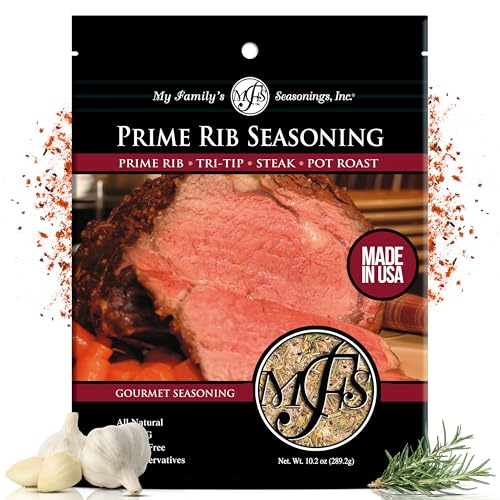
This is the most dedicated prime rib rub on the list — it was formulated specifically for rib roasts, not as an all-purpose seasoning. The 10.2-ounce pouch contains a coarse blend where visible rosemary flakes, garlic pieces, and black pepper sit at the top of the ingredient list, with salt appearing further down. That composition tells you it’s designed for a long, slow roast where the herbs have time to infuse without burning. The bag claims it can season up to 17 pounds of meat, and multiple reviewers confirm it’s perfect for a bone-in 17.5-pound roast with a 36-hour marinade.
The flavor leans savory and aromatic rather than sweet or smoky. There’s no brown sugar or paprika dominating the profile — the rosemary and garlic come forward in a way that complements the beef’s natural richness without masking it. Reviewers who have used this rub for a decade note that it pairs exceptionally well with olive oil as a binder and benefits from an overnight rest in the refrigerator before cooking. The resealable pouch includes step-by-step instructions on the package, which is helpful for first-time prime rib cooks.
Because the rub contains no caking agents, it may clump slightly in humid conditions — a quick massage of the pouch breaks it back into a powder. The 2-year shelf life means a single pouch can last through multiple holiday seasons if stored properly. If you want a simple, no-surprise seasoning that makes the prime rib taste like beef first and spices second, this is the most reliable option.
Why it’s great
- Designed specifically for prime rib, not repurposed from a steak rub
- Coarse grind with visible rosemary and garlic flakes that resist burning
- MSG-free, preservative-free, and gluten-free with a clean label
Good to know
- Small pouch size (10.2 oz) compared to value options
- Natural clumping may occur without anti-caking agents
2. Spiceology – Prime Rib Rub

Spiceology has built a reputation among competition grillers for their chef-developed blends, and this Prime Rib Rub is no exception. The 4.5-ounce jar uses tomato powder and smoked paprika as its backbone — an unusual but effective approach that adds deep umami and a subtle sweetness without relying heavily on sugar. The garlic and red bell pepper round out the flavor, creating a rub that’s bold without being aggressive on the sodium front. Several reviewers note it’s spicy enough to leave a noticeable kick, which makes it less suitable for those sensitive to heat but excellent for anyone who wants a lively crust.
The grind is finer than typical coarse rubs, which means it adheres well during a reverse sear or a hot cast iron finish. One reviewer recommends combining it with kosher salt and Worcestershire sauce, then vacuum-sealing for three days before cooking for the best results. The rub also works well on hamburgers, brisket, and roasted vegetables, making it a versatile pantry staple despite being formulated for prime rib. The smoked paprika gives the finished meat a rich, brick-red color that looks as good as it tastes.
If you’re planning a high-heat roast rather than a low-and-slow smoke, keep an eye on the paprika content during the sear — it can darken quickly above 425°F. The jar size (4.5 oz) is smaller than most others here, so this is best for one or two special occasions rather than heavy weekly use. For the quality of ingredients and the balance of the blend, though, it’s a top-tier choice that justifies its premium positioning.
Why it’s great
- Tomato powder and smoked paprika create deep umami without excessive sugar
- Chef-developed blend with a balanced, savory-spicy flavor profile
- Works exceptionally well in cast iron and reverse sear applications
Good to know
- Smaller jar size (4.5 oz) doesn’t last long for frequent use
- Spicy kick may not suit those preferring a milder crust
3. Pappy’s Choice Prime Rib Rub

Pappy’s has been a California staple for over 30 years, and their Prime Rib Rub reflects the Santa Maria-style tradition of simple, high-quality ingredients. The 24-ounce shaker bottle is one of the largest single containers on the list, making it a strong option for anyone who grills or roasts multiple times per week. The blend leans heavily on garlic, black pepper, and rosemary, with a noticeable amount of kosher salt that provides a prominent savory punch. Multiple reviewers mention they’ve used this rub since childhood, which speaks to its consistent performance across decades of home cooking.
One characteristic of this rub is that the spices do not fully blend together in the shaker — the rosemary flakes and pepper pieces tend to settle separately, so shaking the bottle well before each use is essential for even distribution. Some users note that the grind could be finer for better adhesion on smoother cuts like tri-tip, but for the textured surface of a prime rib roast, the larger flakes actually help create a more substantial bark. The flavor is versatile enough to work on chicken, fish, and even vegetables, as the ingredient list is straightforward without any artificial additives.
The main trade-off is that this is a lighter spice profile compared to the boldness of Spiceology or the herb-forward nature of My Family’s. It won’t dominate the beef, which some cooks prefer, but others may find it too subtle for a holiday centerpiece roast. If you want a classic, no-frills seasoning that lets the meat speak first, Pappy’s delivers volume and consistency at a very competitive per-ounce value.
Why it’s great
- Massive 24-ounce bottle provides exceptional value for regular use
- Simple, clean ingredient list with no artificial flavors or preservatives
- Versatile enough for chicken, fish, vegetables, and pork
Good to know
- Spices settle unevenly in the shaker, requiring thorough shaking
- Lighter flavor profile may underwhelm those wanting a bold crust
4. Snider’s Prime Rib & Roast – 32 Oz

Snider’s takes the volume crown with a 2-pound (32-ounce) shaker bottle that rivals restaurant supply sizes. The blend is straightforward: garlic, pepper, salt, and a supporting cast of spices designed to produce a balanced crust without any single flavor dominating. Multiple reviewers describe it as their favorite steak seasoning and note that it’s versatile enough to use on eggs, potatoes, baked beans, and even sandwiches — a sign that the salt level is well-controlled and the profile is broadly appealing. The shaker top is large and easy to use, allowing for a quick dusting over multiple racks of ribs or a full roast.
Despite the bulk size, Snider’s maintains quality with a gluten-free formula and no MSG. The flavor is what you’d expect from a classic steakhouse-style rub: savory, mildly peppery, and slightly salty without being punishing. It’s not as herb-forward as My Family’s or as smoky as Spiceology, which makes it a safe choice for serving to a crowd with varied preferences. If you cook large quantities of beef regularly — think holiday parties, regular BBQ sessions, or meal prepping for a large family — this is the most economical way to keep a rub on hand without constantly reordering.
The flip side is that it lacks the nuance of smaller-batch blends. The garlic and pepper are present, but they don’t have the distinct character of smoked paprika or rosemary that defines the more premium options. It’s a workhorse rub, not a specialty blend. For the price per ounce, it’s hard to beat, but if you’re looking for a complex crust that impresses guests with layers of flavor, you may prefer one of the more curated options above.
Why it’s great
- 32 oz shaker is the best value for heavy weekly use or large gatherings
- Balanced flavor works on eggs, vegetables, and sandwiches, not just roasts
- Gluten-free and MSG-free with simple, clean ingredients
Good to know
- Profile is basic and lacks the nuance of artisan blends
- Not designed for high-heat searing — watch for burning on fine spices
5. Jake’s Righteous Rubs Tri Tip, Steak & Rib Rub
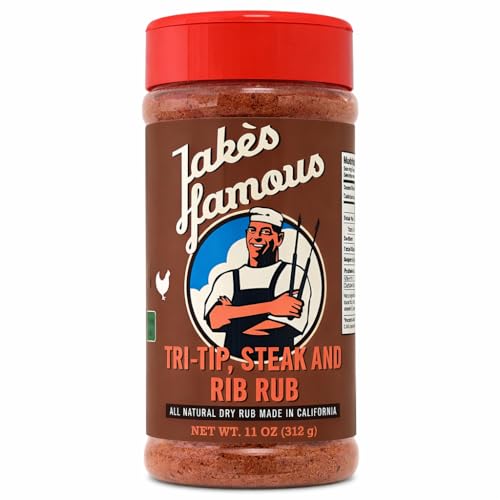
Jake’s Righteous Rubs approaches prime rib from a BBQ angle, leaning on brown sugar and smoked salt to create a sweet-savory crust. The 11-ounce container is generous for an entry-level price, and the ingredient list is clean with no MSG, artificial flavors, or preservatives. This is a classic Santa Maria-style blend with notable sweetness from the brown sugar, which gives the meat a deep caramelization when cooked over indirect heat or at lower roasting temperatures. The smoked kosher salt adds a layer of complexity that helps offset the sugar’s sweetness, keeping it from becoming cloying.
Multiple reviewers rave about the quality of this rub on tri-tip and grilled steak, and some note that it pairs best with Jake’s barbecue sauce for a full flavor profile. The same brown sugar that makes it so good for BBQ, however, poses a risk for prime rib cooked at searing temperatures above 400°F — the sugar can burn before the internal temperature of the roast reaches medium-rare. If you’re using this rub on a prime rib, consider a low-temperature smoking or reverse sear method to preserve the crust without charring it.
The blend includes paprika, garlic, and onion in a fine-to-moderate grind, which means it coats evenly and adheres well to the meat. For cooks who prefer Texas-style brisket or sweet ribs, this is a natural choice. For a traditional prime rib dinner where the beef’s flavor should remain central, the sweetness may overpower the subtle notes of the meat. It’s a well-made rub with a distinct personality, but one that requires careful temperature management when used on large roasts.
Why it’s great
- Brown sugar and smoked salt create a rich, sweet-savory balance
- Clean ingredients with no MSG, preservatives, or artificial flavors
- Excellent for low-and-slow cooking and reverse sear applications
Good to know
- Sugar content can burn easily above 400°F during searing
- Sweet profile may overshadow the natural flavor of premium beef cuts
FAQ
How far in advance should I apply a dry rub to prime rib?
Will a rub with brown sugar burn on a prime rib roast?
Can I use a rub designed for steak on a prime rib roast?
Final Thoughts: The Verdict
For most users, the rub for prime rib winner is the My Family’s Seasoning Prime Rib because it was built specifically for this cut of meat with a coarse grind that resists burning and a balanced herb profile that allows the beef’s natural flavor to shine. If you want a smoky, chef-crafted profile with a spicy kick, grab the Spiceology Prime Rib Rub. And for heavy-volume cooking or families who want a versatile staple at a great per-ounce value, nothing beats the Snider’s Prime Rib & Roast.