The difference between a sushi rice that clumps perfectly and one that tastes harsh or flat often comes down to a single ingredient: the vinegar. A quality rice vinegar delivers a gentle, rounded acidity that binds the seasoned rice without overwhelming the delicate flavors of raw fish or nori.
I’m Mohammad Maruf — the founder and writer behind AirfryerBite. I’ve spent years analyzing the acidity levels, fermentation methods, and additive profiles of culinary vinegars to understand precisely what makes a sushi rice sing.
After reviewing dozens of options and filtering for balance, mouthfeel, and purity, I’ve broken down the market to help you find the absolute best rice vinegar for sushi for your home kitchen.
How To Choose The Best Rice Vinegar For Sushi
Not all rice vinegars belong in sushi rice. The key is finding a balance between mild acidity and a subtle sweetness that complements the sticky short-grain rice. Here are the three most critical factors to weigh before buying.
Seasoned vs Unseasoned: Know What You Are Getting
A seasoned rice vinegar already contains sugar and salt, making it a one-pour solution for sushi rice. Unseasoned (pure) rice vinegar gives you complete control over the sweetness and saltiness you add. If you prefer a traditional, adjustable approach, pure vinegar is the safer bet.
Acidity Percentage
Most rice vinegars hover around 4.3% to 5% acidity. For sushi, a 5% acidity is ideal because it provides enough tang to season the rice while still being mild enough to avoid a harsh bite. Lower acidity levels may leave the rice tasting flat, while anything higher can overpower the fish.
Ingredient Purity and Certifications
Look for vinegars made without added preservatives, artificial colors, or high-fructose corn syrup. Organic, non-GMO, and kosher certifications are strong indicators of a cleaner product. Brown rice vinegar offers a nuttier, more complex flavor, while standard white rice vinegar keeps the taste neutral and clean.
Quick Comparison
On smaller screens, swipe sideways to see the full table.
| Model | Category | Best For | Key Spec | Amazon |
|---|---|---|---|---|
| Mizkan Pure Brown Rice Vinegar | Premium | Complex, nutty flavor | 16.9 fl oz / Unseasoned | Amazon |
| Mizkan Sushi Seasoning | Seasoned | Convenient one-pour rice | 12 fl oz / 3-Pack | Amazon |
| Roland Rice Wine Vinegar | Bulk Value | High-volume sushi making | 128 fl oz / Unseasoned | Amazon |
| De La Rosa Organic Rice Vinegar | Organic | Clean-label, sugar-free | 16.9 fl oz / 5% Acidity | Amazon |
| Nakano Seasoned Rice Vinegar | Entry-Level | Affordable 3-pack staple | 12 fl oz / 3-Pack | Amazon |
In‑Depth Reviews
1. Mizkan Pure Unpolished Brown Rice Vinegar

Mizkan’s brown rice vinegar stands apart from the crowd thanks to its nuanced, toasty flavor profile. Made from unpolished brown rice, it delivers a deeper, slightly nutty taste that adds complexity to sushi rice without the harsh bite of standard distilled vinegars. At 16.9 fluid ounces, the flip-top bottle makes daily use simple and mess-free.
Reviewers consistently praise its “complex and subtle” character, noting that it improves both sushi rice and salad dressings without needing extra seasoning. The vinegar is unseasoned, so you retain full control over the sugar and salt you fold into your rice. That flexibility is exactly what serious sushi makers look for.
This is a premium option in terms of pricing, but the flavor depth justifies the investment. If you want to elevate your sushi beyond what a basic white vinegar can offer, this is the bottle to reach for.
Why it’s great
- Complex toasty flavor from brown rice
- Unseasoned for full recipe control
- Convenient flip-top bottle
Good to know
- Premium price per ounce
- Flavor profile may be too strong for purists wanting neutral rice
2. Mizkan Sushi Seasoning (Pack of 3)

Mizkan’s sushi seasoning is a pre-blended shortcut that saves time without sacrificing quality. It combines rice vinegar with sugar and salt in a balanced ratio designed specifically for sushi rice. With no MSG added, it provides a gentle sweetness and mild tang that integrates seamlessly into hot rice.
Multiple reviews highlight how versatile this seasoning is—users add it to stir-fries, grilled fish, and salad dressings. The 3-pack gives you plenty of inventory for frequent sushi nights. Because it’s already seasoned, you simply pour and fold, making it ideal for beginners or anyone who wants consistent results every time.
Be mindful that the seasoning has a fixed sweetness level, so you cannot tailor the sugar content to your preference. Also, some buyers reported short expiration windows upon delivery, so check the date promptly.
Why it’s great
- Pre-seasoned for convenience
- No MSG added
- Versatile for other dishes
Good to know
- Fixed sweetness level, not adjustable
- Check expiration date upon arrival
3. Roland Rice Wine Vinegar (128 oz)
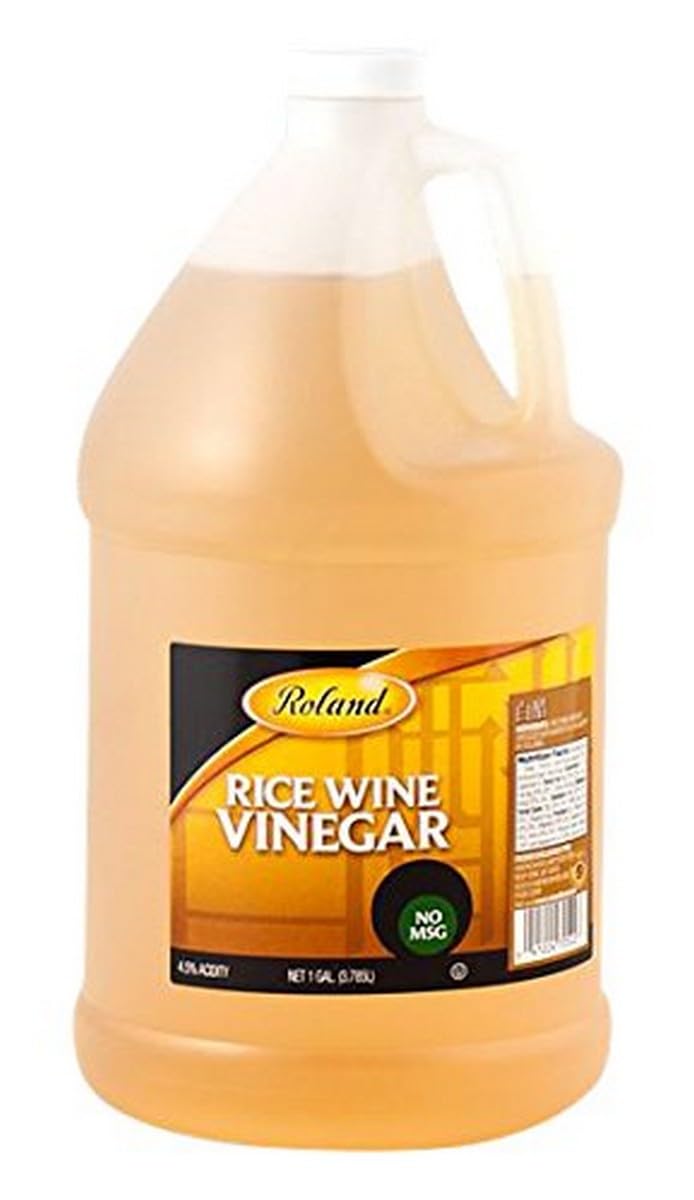
The Roland vinegar comes in a massive 128-ounce jug, making it the clear choice for heavy-volume sushi makers or anyone who goes through rice vinegar quickly. It offers a clean, mellow taste that is less harsh than distilled white vinegar, which is exactly what you need for large batches of seasoned sushi rice.
Users describe the flavor as “delicious” and point out that it tastes as good as the smaller name-brand options while providing significantly better value per ounce. It works well not only for sushi but also for dressings, marinades, and deglazing pans.
The main trade-off is storage—this jug takes up real pantry space and you will need a smaller dispensing bottle for daily use. Additionally, the official flavor listing says “Harsh, Acidic,” but real-world reviews consistently report a mild taste, so the label seems misleading.
Why it’s great
- Extremely low cost per ounce
- Mild, clean flavor for large batches
- Versatile for many recipes
Good to know
- Very large jug requires storage space
- Flavor label contradicts positive customer feedback
4. De La Rosa Organic Rice Vinegar
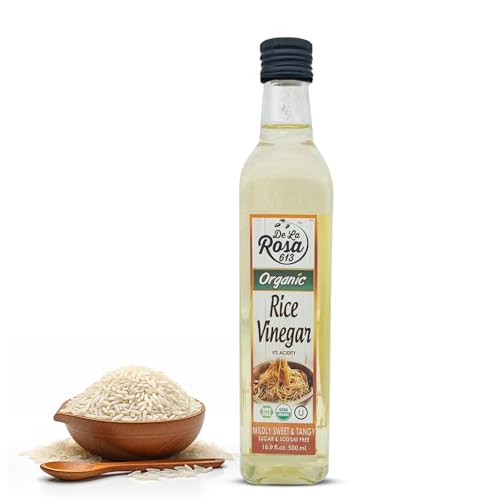
De La Rosa’s organic rice vinegar is certified USDA organic, non-GMO, vegan, and gluten-free, with no added sugar, sodium, or preservatives. At 5% acidity, it hits the sweet spot for pickling and sushi rice, providing enough tang to preserve vegetables and season grains without being overwhelming.
Reviewers specifically mention its suitability for home canning and pickling, with one user noting no spoilage after nearly a year. The flavor is described as “wonderful” and “mild,” making it a strong choice for anyone seeking a pure, clean ingredient without hidden additives.
The bottle is 16.9 fluid ounces, which is standard for home use. Because it contains no sugar, you will need to add your own sweetener when making sushi rice. This gives you control but requires an extra step compared to a pre-seasoned product.
Why it’s great
- Certified organic and non-GMO
- 5% acidity ideal for sushi and pickling
- No added sugar, sodium, or preservatives
Good to know
- Must add sugar and salt for seasoned sushi rice
- Smaller bottle size compared to bulk options
5. Nakano Seasoned Rice Vinegar (3-Pack)

Nakano’s seasoned rice vinegar is a reliable, budget-friendly staple that performs well for sushi and beyond. The 3-pack provides three 12-ounce bottles, giving you flexibility to keep one in the pantry and one in the kitchen without worrying about running out mid-recipe.
Users consistently rate it 5 stars, calling it “perfect” for sushi and noting that it is cheaper than buying the same bottles from a local grocery store. The flavor is mild and balanced, making it suitable for anyone new to making sushi at home.
The main limitation is that it is already seasoned, so you cannot adjust the sugar or salt levels. It also comes in relatively small bottles, so heavy users may prefer a larger single container. For casual sushi makers, however, this pack offers unbeatable convenience and value.
Why it’s great
- Pre-seasoned and ready to use
- Lower cost than buying three individual bottles
- Consistent mild flavor for sushi
Good to know
- Fixed seasoning ratio limits customization
- Small bottles may not last heavy users
FAQ
Can I use regular white vinegar for sushi rice?
What is the difference between rice vinegar and rice wine vinegar?
Should I buy seasoned or unseasoned rice vinegar for sushi?
How long does rice vinegar last after opening?
Final Thoughts: The Verdict
For most users, the best rice vinegar for sushi winner is the Mizkan Pure Unpolished Brown Rice Vinegar because it provides an unmatched depth of flavor from brown rice while giving you full control over seasoning. If you want a convenient, pre-seasoned solution for quick sushi nights, grab the Mizkan Sushi Seasoning Pack. And for high-volume sushi making on a budget, nothing beats the Roland Rice Wine Vinegar.