That first spoonful of pho should be a moment — rich, aromatic broth lifting strands of rice noodles that are tender but never mushy, never clumped. The wrong noodle collapses into a pasty mess in seconds, or fights back with an unyielding stiffness that refuses to absorb the broth’s character. Finding the right rice noodle for pho means understanding that not all rice sticks are created equal, and the difference lies in the source, the cut, and the cooking behavior.
I’m Mohammad Maruf — the founder and writer behind AirfryerBite. I’ve spent years analyzing the textural performance and ingredient integrity of dried rice noodles across dozens of brands, studying how each one reacts to hot broth and how its manufacturing process influences the final bowl.
This guide breaks down five contenders that earn their place in a real pho bowl, diving into cook times, width, ingredient clarity, and overall value. Whether you’re building a labor-intensive bone broth or a quick weeknight bowl, finding the best rice noodles for pho starts here.
How To Choose The Best Rice Noodles For Pho
Pho noodles — banh pho — are flat rice sticks cut to a medium width that gives them enough surface area to carry broth without overwhelming the spoon. Choosing the right one depends on three factors: the width of the stick, the ingredient purity, and the cooking behavior under real broth conditions.
Width Matters: The Right Cut for Pho
Pho calls for a medium-width rice stick, typically around 3 to 5 millimeters wide. This is wider than the thin vermicelli used in bun or spring rolls and narrower than the broad sheets used in pad see ew. Too thin and the noodle dissolves into the broth; too wide and it dominates each bite. Most packaging labels width as “M” for medium — that’s the pho cut.
Ingredient Integrity: Rice and Water, Full Stop
The best pho noodles list exactly two ingredients: rice flour and water. Some add salt or tapioca starch for texture, but purists prefer the clean simplicity of rice and water. Products that flavor or add preservatives risk altering the delicate neutrality that makes pho noodles a canvas for the broth. Look for “no preservatives, no additives, no artificial colors” on the label.
Cooking Behavior: Soak vs. Boil vs. Quick Plunge
Dried rice noodles are fragile. Boiling them directly often turns the outer layer into a sticky, gummy mess while the center stays hard. The best approach for pho is a hot water soak — not a rolling boil. Submerge the dry sticks in near-boiling water off the heat for 8 to 15 minutes depending on thickness, then rinse in cold water. The noodle stays separate, springy, and ready to be reheated in the broth at the last second.
Quick Comparison
On smaller screens, swipe sideways to see the full table.
| Model | Category | Best For | Key Spec | Amazon |
|---|---|---|---|---|
| Viet Way Rice Noodle Sticks | Premium | Traditional pho, wide stick | Medium width stick (M cut) | Amazon |
| Banh Pho Erawan | Value | Pad Thai & pho, pack of 3 | 16 oz per bag, 3 pack | Amazon |
| Tanisa Rice Vermicelli | Organic | Gluten-free, organic pho & bun | 100% organic Vietnamese rice | Amazon |
| Three Ladies Vermicelli | Mid-Range | Classic base soup noodle | Medium width for pho base soup | Amazon |
| Apexy Vermicelli | Family Size | Multi-purpose, family meals | Pack of 6, 14 oz each | Amazon |
In‑Depth Reviews
1. Viet Way Rice Noodle Sticks for Pho, 14oz (3 Packs) (M)

Viet Way hits the medium-width sweet spot that traditional pho demands. The M-cut stick is wide enough to catch a coat of bone broth but thin enough to stay manageable in a spoonful. Cooked by soaking in hot water for about 7 minutes, these noodles hold their shape without turning sticky or clumping together. Multiple verified buyers confirm that a 7-minute soak produces a tender, resilient noodle that stands up to reheating through the week — a strong sign of durable starch structure.
The 14-ounce bags are a practical size; three bags give you enough for several large bowls without committing to an oversized bulk bag that might go stale. Each bag is product of Vietnam, which matters for pho authenticity because Vietnamese rice sticks are milled from long-grain varieties that yield a cleaner, less gummy texture than some Thai or Chinese alternatives. The noodles don’t contain additives or preservatives, though the brand doesn’t market an organic certification.
One user noted that these noodles are slightly wider than what some pho restaurants use, but found them equally delicious. Another pointed out that the price has climbed recently compared to supermarket alternatives, but acknowledged the convenience and consistent quality. If you want a no-compromise rice stick for a proper pho night, Viet Way delivers the structural integrity that separates a good bowl from a disappointing one.
Why it’s great
- Perfect medium width for authentic pho texture
- Soaks in 7 minutes without mushiness
- Stays separate and holds up to reheating
Good to know
- Some find the sticks a bit wider than restaurant standard
- Price point has risen compared to in-store options
2. Banh Pho (Oriental Style Noodle) – 16oz (Pack of 3)
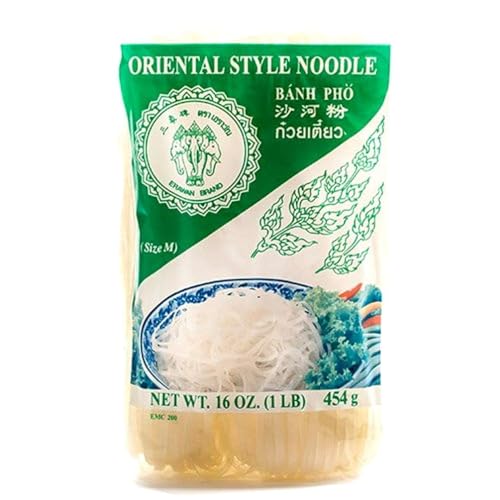
Erawan’s Banh Pho is a familiar sight in Asian grocery stores, and the 3-pack brings that staple to your doorstep. These are Thai-made rice sticks — still labeled “Size M” — that work well in both pho and pad thai. The square-edged noodle shape is classic for pho, offering a flat surface that picks up broth without disintegrating. Customers report they perform excellently in pad thai and plan to try them for pho, suggesting the texture is adaptable across dishes.
At 16 ounces per bag, each pack yields about four to six servings depending on appetite. The ingredient list is simple — rice flour, water, and salt — which is typical for mass-market pho noodles. The slight salt addition differentiates it from purist brands that use only rice and water, but it doesn’t significantly alter the final taste when submerged in broth. One long-time buyer noted that the price here is higher than what you’d find at a local Asian market, calling it “overpriced” but worth the convenience when no local option exists.
For the entry-level pho cook who doesn’t want to overspend on a first attempt, this 3-pack is a safe starting point. The noodles cook reliably, the texture is familiar, and the volume is enough for multiple practice runs. If you’re used to buying single bags from a market, this multipack delivers consistency without forcing you to commit to a premium price tag.
Why it’s great
- Classic size M flat noodle for pho and pad thai
- 3-pack provides reliable volume for multiple meals
- Consistent, familiar texture from a well-known brand
Good to know
- Contains added salt, not pure rice and water
- Priced higher than in-store Asian market options
3. Rice Vermicelli Noodles 3 Pack by TANISA – Gluten Free, 100% Organic Rice
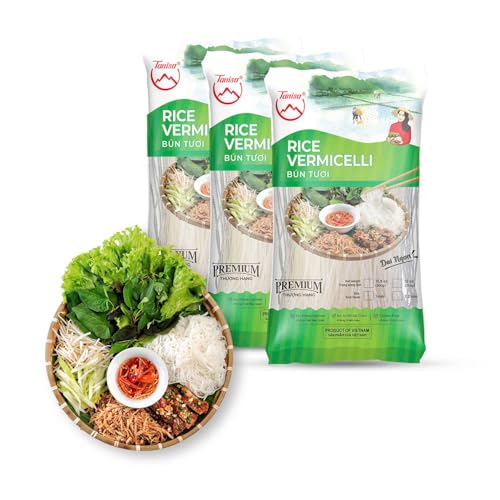
Tanisa takes a different approach — these are thin rice vermicelli (bun) rather than the flat, medium-width banh pho sticks that define a classic pho bowl. If you prefer a lighter pho or are building a northern-style bowl where thinner noodles are common, this organic option shines. Made from 100% organic rice grown in Tay Ninh, Vietnam, the ingredient list is pristine: rice and water, nothing else. Multiple certifications — gluten-free, Non-GMO, Paleo, AIP, Keto, Vegan, and Halal — make this a safe choice for restrictive diets.
The noodles cook in 2 to 3 minutes by hot soak, which is significantly faster than the medium sticks. That speed is a double-edged sword: they can turn gooey if left in hot water too long. One experienced customer recommends soaking them for several hours in hot water to swell tender, then storing in the fridge for quick access through the week. This method works well for meal prep, allowing you to pull out pre-soaked noodles and add them directly to steaming broth.
Because these are thin vermicelli, traditional pho purists may miss the flat-banh pho mouthfeel. However, for anyone who values organic sourcing and a clean ingredient profile, Tanisa offers unmatched transparency. The 3-pack (three 10.58 oz bags) gives you 31.74 ounces total, which is generous for the price. Just adjust your expectations on noodle width — this is bun, not banh pho.
Why it’s great
- 100% organic Vietnamese rice with clean ingredient label
- Certified for multiple restrictive diets (Paleo, Keto, Halal)
- Quick 2-3 minute cook time for fast meal prep
Good to know
- Thin vermicelli cut differs from traditional flat banh pho
- Easy to overcook into a gooey texture if left too long
4. Three Ladies Vietnamese Rice Stick Vermicelli, 16 oz., 3 Pack

Three Ladies is a perennial favorite among home pho cooks, and this 3-pack of 16-ounce bags offers the classic medium-width stick that grocery shoppers have relied on for years. The noodles are labeled specifically for “pho base soup,” confirming the width and cooking behavior are calibrated for broth-based applications. Gluten-free and non-GMO certified, the ingredient list is simple: rice flour, water, and salt. The salt is minimal but helps the noodle maintain a slightly firmer bite during storage.
Verified buyers consistently describe these as the “best rice noodles” and “best Asian rice noodles ever,” with many returning to order repeatedly. The texture holds up well in soup without turning slimy, and the noodles behave predictably across different cooking methods. The 48-ounce total weight is substantial — you can make at least a dozen medium bowls of pho from a single pack — making this a strong value proposition for regular pho eaters.
One caveat: the noodles are a medium density, meaning they require a slightly longer soak than the thinner varieties. If you rush the process, the center may remain chalky. A 10- to 12-minute soak in hot water off the boil, followed by a cold rinse, yields the best results. For cooks who want a reliable, no-surprise pho noodle that’s easy to source online, Three Ladies is the benchmark.
Why it’s great
- Labeled specifically for pho base soup, right width
- Gluten-free and non-GMO with simple ingredients
- 48-ounce total provides excellent value for regular use
Good to know
- Contains salt in addition to rice flour and water
- Requires longer soak time to avoid chalky center
5. Apexy Vietnamese Rice Vermicelli, 14 oz Pack of 6
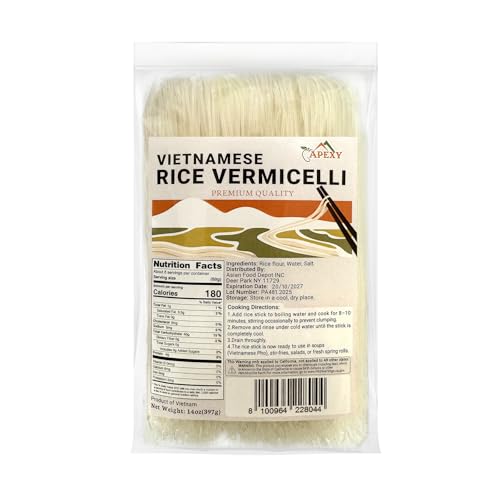
Apexy markets its rice vermicelli as a thin noodle for pho, stir-fry, spring rolls, and noodle soups, which means it’s another bun-style noodle rather than a flat banh pho stick. If you’re serving a crowd that demands variety — some bowls of pho, some cold noodle salads, some stir-fries — this 6-pack covers every base. The thin cut softens in minutes, and verified customers report it works well for pho when cooked at the shorter end of the recommended 8-10 minute boil time. Going longer produced mushy noodles in one test.
The product is sourced from Vietnam and lists only rice and water in its ingredient statement, with no artificial flavors, colors, preservatives, or additives. At 5.25 pounds total (six 14-ounce bags), this is the highest-volume option in the list. For meal preppers or families who cook multiple Asian dishes per week, the per-bag cost is competitive. One user noted the noodles have no bad smell (a common complaint with lesser rice vermicelli) and remain sturdy yet tender when prepared correctly.
Because Apexy is a newcomer compared to legacy brands like Three Ladies, consistency across batches is less proven over time. But early feedback is overwhelmingly positive, with repeat purchase intent high. If you want a single bulk purchase that gives you flexibility across pho, bun thit nuong, and spring rolls, Apexy delivers volume and performance in one order.
Why it’s great
- Massive 6-bag volume at a competitive per-bag cost
- Clean ingredients: rice and water only, no additives
- Versatile thin cut works across pho, stir-fry, and salads
Good to know
- Thin vermicelli cut, not traditional flat pho stick
- Cook time precision needed — overboiling causes mushiness
FAQ
What width of rice noodle is best for pho?
Can I use Thai rice sticks for Vietnamese pho?
What happens if I boil pho noodles directly?
How do I keep pho noodles from clumping together after cooking?
Is there a difference between organic and conventional rice noodles for pho?
Final Thoughts: The Verdict
For most users, the rice noodles for pho winner is the Viet Way Rice Noodle Sticks because they deliver the correct medium width, hold up during a 7-minute soak, and maintain their structure through reheating. If you want organic sourcing and a clean ingredient profile, grab the Tanisa Rice Vermicelli. And for a family-sized bulk buy that covers pho, stir-fries, and spring rolls, nothing beats the Apexy Vietnamese Rice Vermicelli 6-Pack.