A rice pilaf lives or dies by the integrity of each individual grain. You want that distinct separation — a fluffy, airy bed where herbs, toasted nuts, and broth are woven through without turning the dish into a starchy paste. The wrong rice will betray you every time, clumping into a dense, sticky mass that buries the flavor of your carefully sautéed aromatics. Getting the right grain is the single most important decision you’ll make for this classic dish.
I’m Mohammad Maruf — the founder and writer behind AirfryerBite. My research focuses on how grain structure, amylose content, and aging processes affect the final texture of rice-based dishes, allowing me to pinpoint the specific rice varieties that deliver the firm, separate grains a proper pilaf demands.
After analyzing dozens of bags across multiple brands, I’ve narrowed the field to the grains that hold their shape, absorb flavor without turning to mush, and release that characteristic aromatic fragrance. This guide covers the rice for rice pilaf that will consistently give you a restaurant-quality result at home.
How To Choose The Best Rice For Rice Pilaf
A rice pilaf is a test of grain discipline. You need a variety that stays distinct after cooking, doesn’t release excess surface starch, and has enough structural integrity to be fluffed with a fork without breaking apart. Three factors separate the pilaf-worthy grains from the ones best left for sushi or risotto.
Grain Length and Shape
Long-grain rice is the only viable choice for pilaf. The elongated shape — typically four to five times longer than it is wide — means less surface area relative to volume, which reduces the chance of the grains cooking into each other. Medium and short-grain varieties are higher in amylopectin, the starch that makes rice sticky and clumpy. Long-grain is lower in that sticky starch and higher in amylose, which helps each grain remain firm and separate.
Aging and Moisture Content
Aged rice is rice that has been stored for months — sometimes over a year — after harvest. During that time, the moisture content drops and the grain structure hardens slightly. This results in a rice that can withstand the simmering process of a pilaf without bursting its outer layer. Freshly harvested rice cooks faster and softer, making it prone to turning mushy when you need it to hold its shape. Look for terms like “aged” or “premium aged” on the bag.
Aroma and Flavor Profile
While texture is the priority, the fragrance of the rice contributes to the final dish. Basmati rice carries a distinct nutty and floral aroma that naturally complements the toasted elements in a pilaf — the butter-sautéed onions, the toasted orzo or vermicelli, the warm spices. The aroma is produced by the compound 2-acetyl-1-pyrroline, and it tends to be more pronounced in aged Basmati. A good pilaf rice should have a clear, pleasant fragrance that enhances, not overpowers, the other ingredients.
Quick Comparison
On smaller screens, swipe sideways to see the full table.
| Model | Category | Best For | Key Spec | Amazon |
|---|---|---|---|---|
| Khazana Premium Basmati | Basmati | Everyday pilaf | 4lb resealable bag | Amazon |
| Three Ladies Jasmine | Jasmine | Fragrant side dishes | 5lb bag | Amazon |
| Tilda Pure Basmati | Basmati | Fluffy daily cooking | 10lb resealable bag | Amazon |
| Aahu Barah Sela Basmati | Sela Basmati | Premium pilaf & biryani | 10lb pack | Amazon |
| Iberia Premium Aged Basmati | Aged Basmati | Large-batch pilaf | 15lb burlap bag | Amazon |
In‑Depth Reviews
1. Khazana Authentic Premium Basmati Rice
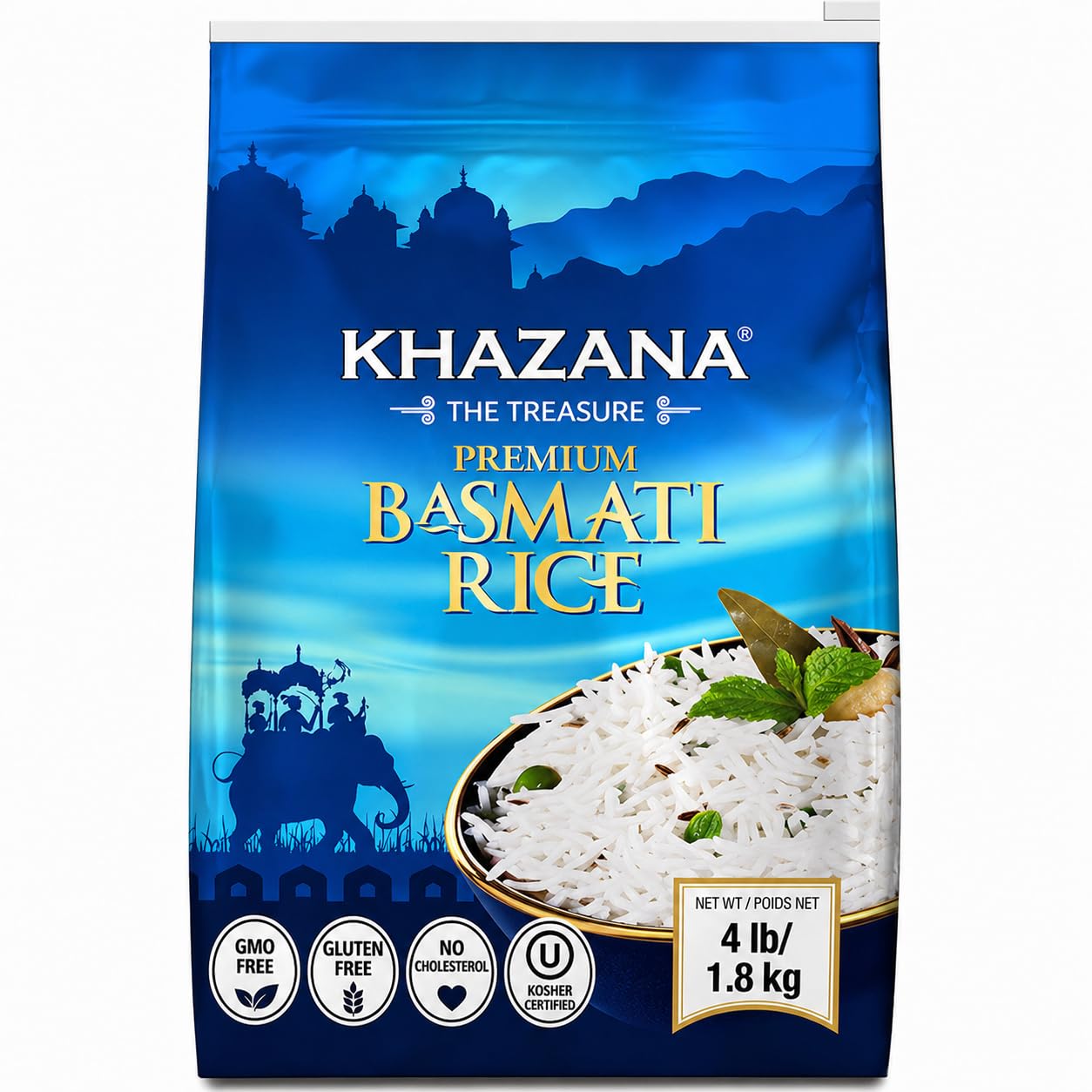
Khazana hits the sweet spot of quality and value for a pilaf base. The grains are grown in the Himalayan foothills and aged, giving them that necessary firmness for withstanding a thorough sauté and simmer without disintegrating. At four pounds, the resealable zipper bag keeps the rice fresh between uses, which matters because aged rice can lose its character if exposed to humidity.
Customer reviews consistently note the non-sticky texture across multiple cooking methods — rice cooker, stovetop pot, and pressure cooker. That versatility is important for pilaf because you may start the dish on the stovetop and finish it covered in the oven. The nutty aroma is present without being overwhelming, letting the pilaf’s broth and seasonings take the lead. The single reported incident of a rancid bag suggests quality control could be tighter, but the overwhelming majority of feedback praises the consistency over years of repurchase.
For a mid-range option that delivers reliable grain separation and a clean flavor profile, this is a strong candidate for regular pilaf cooking. The resealable bag is a practical advantage that many bulk rice options lack.
Why it’s great
- Consistent non-sticky texture across cooking methods
- Resealable zipper bag protects freshness
- Nutty aroma enhances without overwhelming pilaf flavors
Good to know
- Occasional quality variance reported in some batches
- No expiration date printed on packaging
2. Iberia Premium Aged Indian Basmati Rice
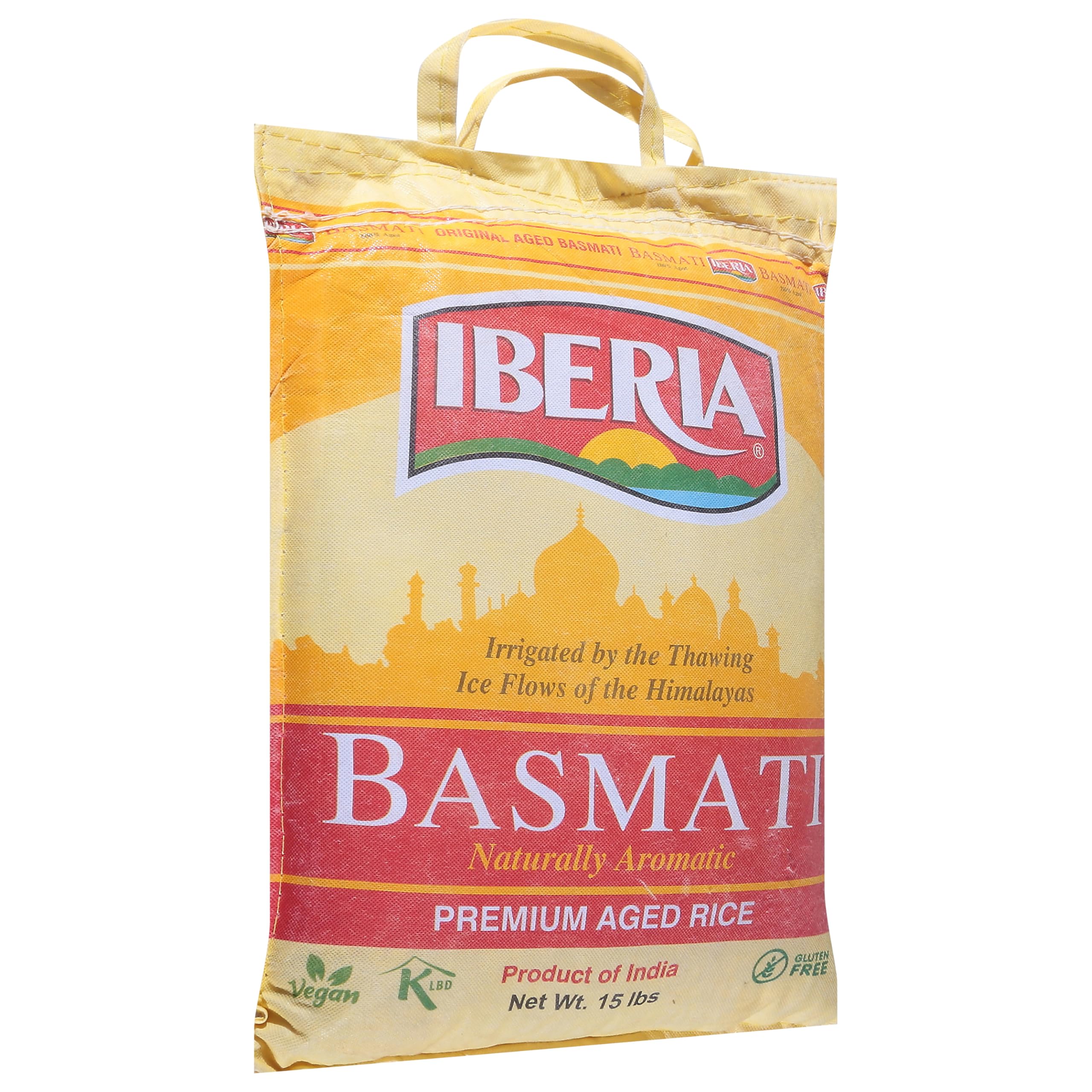
Iberia’s 15-pound bag is aged for up to 18 months, and that extended aging directly translates to superior grain structure. The individual grains are notably long and remain intact through the cooking process, producing a pilaf that fluffs easily with a fork and looks clean on the plate. The burlap bag with a zipper closure and a carrying handle is a thoughtful design — easier to store and pour from than a flimsy plastic sack.
Multiple customer reviews highlight that the rice stays fluffy and separate even when cooked in an Instant Pot, which is a tougher environment for grain integrity due to the higher pressure. The natural nutty fragrance is described as unmatched by other brands, and the flavor profile is rich and buttery without being oily. The bag also carries certifications for being gluten-free, Non-GMO, and kosher, making it a safe choice for households with dietary restrictions.
This is the volume play for pilaf enthusiasts who cook frequently for groups. The per-pound cost is competitive for aged Basmati, and the 15-pound quantity means fewer reorders. Just make sure you have pantry space for the burlap bag.
Why it’s great
- 18-month aging process delivers exceptional grain separation
- Sturdy burlap bag with carrying handle and zipper
- Rich, buttery flavor with strong natural fragrance
Good to know
- Large 15lb bag requires dedicated storage space
- Burlap outer bag needs careful handling to avoid tears
3. Tilda Pure Basmati Rice

Tilda’s Pure Basmati is a 10-pound bag from a brand with five decades of sourcing heritage in the Himalayan region. The standout spec here is the cook time — 8 to 10 minutes — which is significantly faster than traditional Basmati that typically needs 15 to 20 minutes. That speed doesn’t compromise the grain structure; reviews describe the grains as long, slender, and fluffy with a gentle flavor that carries spices and broths well.
For pilaf, a quicker cook time means the rice is less likely to overcook while you’re waiting for the liquid to fully absorb. The resealable packaging is non-BPA, and the rice is Non-GMO Project Verified and kosher-certified. Customer feedback is consistently positive on the freshness of the bag upon arrival, with no reports of rancidity or damaged packaging. The flavor is described as milder than some competitors, which can be an advantage when you want the pilaf’s other ingredients, like saffron or toasted almonds, to stand out.
This is a strong mid-range choice for anyone who values speed without sacrificing quality. The 10-pound size hits a practical balance between value and storage footprint.
Why it’s great
- 8-10 minute cook time reduces risk of overcooking
- Mild, gentle flavor allows pilaf seasonings to shine
- Non-BPA resealable bag with consistent freshness
Good to know
- Less aromatic and flavorful than some aged options
- Higher per-pound cost compared to bulk competitors
4. Aahu Barah Basmati Sela Rice
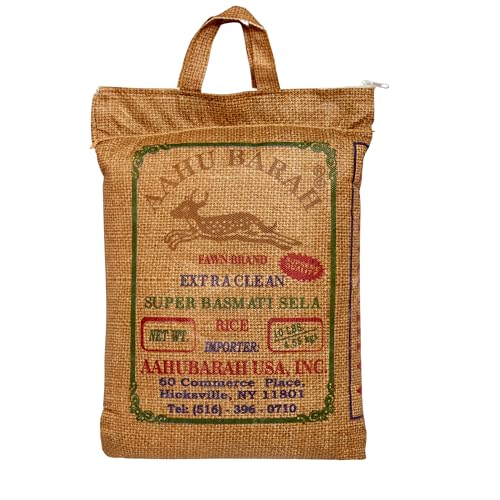
Aahu Barah’s Sela rice is a parboiled Basmati, meaning the paddy is steamed and dried before milling. This process locks nutrients into the grain and makes it even more resistant to overcooking than raw Basmati. The result is an extra-long grain that remains exceptionally separate and firm after cooking — exactly the texture a pilaf demands. A Michelin-starred chef cited in customer reviews calls it their favorite Basmati for its unmatched aroma and next-level flavor.
The 10-pound pack comes in a sturdy bag with a plastic lining that protects against moisture and pests. Users consistently note the absence of stones or debris, a sign of careful milling. The flavor is described as rich and authentic, and a reviewer recommends adding a tablespoon of coconut oil to the cooking water for even better grain separation. The parboiled nature means this rice has a slightly firmer bite than raw Basmati, so if you prefer a very tender grain, adjust your cooking liquid upward slightly.
This is a premium option for pilaf purists who want the absolute best grain integrity. The extra length of each kernel creates a visually impressive dish with remarkable texture.
Why it’s great
- Parboiled Sela process maximizes grain separation and firmness
- Extra-long grains produce a visually impressive pilaf
- High-quality milling with no debris reported
Good to know
- Sela texture is firmer than standard Basmati
- Higher price point reflects the specialized processing
5. Three Ladies Jasmine Rice

Three Ladies Jasmine rice is not a Basmati, and it’s important to understand that distinction for pilaf. Jasmine rice has a moister, slightly softer grain structure because it has less amylose than Basmati. It will produce a pilaf that is more tender and slightly more clinging than the fluffy, separate ideal. However, the powerful nutty fragrance of this particular Jasmine rice is exceptional, earning it a dedicated following among customers who call it the best rice they’ve ever eaten.
The 5-pound bag is a product of Thailand, and the aromatic quality is the main draw. Customers describe the smell as perfuming the house during cooking. The texture is described as fluffy but with a slight stickiness that holds together more than Basmati. For a pilaf, you will need to take extra care with the rinsing step and use a little less water to compensate for the higher moisture content of the grain. This is not the ideal pilaf rice, but it works in a pinch if fragrance is your priority over absolute grain separation.
This is a budget-friendly entry point that works best for those who want a deeply aromatic side dish and are willing to accept a softer, more cohesive pilaf texture.
Why it’s great
- Exceptional fragrant aroma that fills the kitchen
- Fluffy, tender texture with a pleasant mouthfeel
- Affordable entry point for rice pilaf exploration
Good to know
- Higher moisture content leads to less grain separation
- Not all bags arrive vacuum-sealed, affecting freshness
FAQ
Can I use Jasmine rice instead of Basmati for pilaf?
How long should I rinse Basmati rice before making pilaf?
What is Sela rice and why is it different from standard Basmati?
Final Thoughts: The Verdict
For most users, the rice for rice pilaf winner is the Khazana Authentic Premium Basmati Rice because it delivers reliable grain separation and a clean nutty aroma at a practical size. If you want maximum grain integrity for large batches, grab the Iberia Premium Aged Indian Basmati Rice. And for an unbeatable fragrance with a softer texture, nothing beats the Three Ladies Jasmine Rice.