A biryani lives or dies by its rice. Mushy grains collapse the layers, while clumped starches mute the saffron and spice. The ideal biryani grain must elongate, stay firm, and absorb the aroma of the dum without turning into a sticky mass — this is the central demand that separates average rice from biryani-grade rice.
I’m Mohammad Maruf — the founder and writer behind AirfryerBite. I’ve spent years analyzing the moisture retention, grain elongation ratios, and aroma profiles of basmati varieties to identify which bags deliver the structural integrity that a layered rice dish demands.
After testing multiple brands and reading hundreds of verified reviews, the standout performers consistently share one trait: they are aged basmati with a high amylose content. This buying guide breaks down the five best options for achieving that perfect, separate-grain texture. Finding the right rice for biryani means prioritizing grain length and aging over marketing claims or packaging design.
How To Choose The Best Rice For Biryani
The biggest mistake is picking a rice that cooks fluffy by itself but collapses under the weight of a layered biryani. You need grains that can withstand a second cooking phase inside the sealed pot without turning into paste. Three criteria matter most.
Grain Length and Elongation Ratio
Standard long-grain rice starts around 6.6mm raw. Biryani-grade basmati should double in length when cooked, reaching 16mm to 20mm per grain. The longer the raw kernel, the more structural integrity it retains through the dum process. Look for “extra-long grain” on the bag — that phrase signals the grower selected seeds for length, not just volume yield.
Aging Period
Aged basmati (stored one to two years post-harvest) loses internal moisture, which concentrates the starch and makes the grain firmer. Fresh-crop rice cooks softer and breaks apart more easily when you layer it with yogurt-based marinades. Premium brands state their aging period on the package; if it isn’t listed, assume the rice is from the most recent harvest and treat it accordingly by reducing cooking time slightly.
Raw vs. Parboiled (Sella)
Raw basmati offers a delicate, floral aroma and cooks faster — ideal for lighter biryanis where the rice is the star. Parboiled sella basmati is steam-treated before milling, which hardens the grain and makes it almost impossible to overcook. Sella is the safer choice for beginners and for biryanis with heavy meat masalas because the grains stay distinct even after extended steaming. The trade-off is a slightly less pronounced aroma.
Quick Comparison
On smaller screens, swipe sideways to see the full table.
| Model | Category | Best For | Key Spec | Amazon |
|---|---|---|---|---|
| Tilda Pure Basmati | Premium Raw | Aromatic layered biryani | 20-minute cook; non-BPA bag | Amazon |
| Khazana Premium Basmati | Mid-Range Raw | Consistent daily biryani | Non-GMO; Kosher certified | Amazon |
| Royal Chef’s Secret Sella | Premium Sella | Meat-heavy dum biryani | 20 lb bag; elongates 2x | Amazon |
| Iberia Premium Aged Basmati | Value Raw | Budget everyday rice | 10 lb bag; carry handle | Amazon |
| Aahu Barah Basmati Sela | Extra-Long Sella | Restaurant-style biryani | Extra-long; chef preferred | Amazon |
In‑Depth Reviews
1. Tilda Pure Basmati Rice, 10-Pound Bag

Tilda has been a reference point in the basmati category for over 50 years, and this Pure Basmati bag lives up to that reputation. The grains are exceptionally long — even raw, you can see the slender profile — and they cook up to a fluffy white state in about 8 to 10 minutes, which is faster than most competitors. Reviewers consistently note that the grains hold their integrity for biryani and pulao without becoming sticky.
The aroma is the first thing you notice when you open the bag: a clean, slightly nutty scent that doesn’t smell musty or stale. This matters for biryani because the rice aroma competes with the spice layers — a flat-smelling rice drags down the whole dish. The bag is also resealable and made from non-BPA materials, so you can store the remaining rice without transferring it to another container.
One minor critique from the reviews is that a small percentage of buyers found the flavor profile plain compared to more aromatic rivals. But for a raw basmati that cooks fast, elongates well, and works across biryani, pulao, and sides, Tilda is the most balanced choice on this list.
Why it’s great
- Very fast 8-10 minute cook time
- Consistently fluffy, non-sticky grains
- Resealable non-BPA bag for pantry storage
Good to know
- Aroma is milder than some Indian imports
- Not parboiled — requires careful timing for dum
2. Khazana Premium Basmati Rice, 10 lb Bag
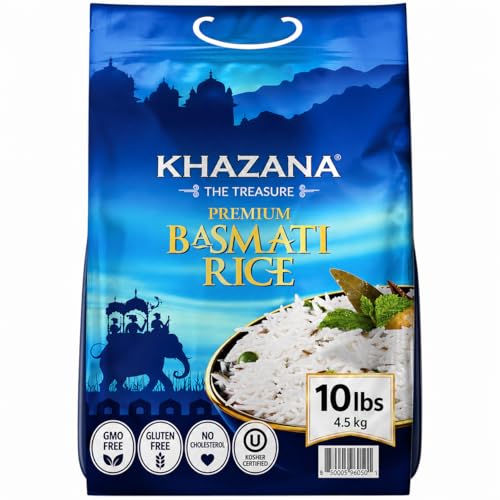
Khazana’s basmati is grown in the Himalayan foothills — the same region that produces the most sought-after grains in the world. The 10-pound bag has been a consistent performer for years, with verified buyers reporting that the grains remain intact and non-gluey whether they use a pressure cooker, stovetop pot, or rice cooker. The texture holds up particularly well for leftovers and reheating.
The flavor profile leans subtle rather than punchy, which makes this rice a good canvas for heavy masala-based biryanis. It won’t overpower the spices, but it also won’t disappear into them. A surprising number of reviewers specifically mention that this rice produces “perfect texture” for biryani and that it reheats without clumping — a critical detail if you batch-cook for the week.
The main concern flagged in the review pool is occasional quality inconsistency. One buyer reported a rancid-smelling bag with no expiration date printed on the packaging. This appears to be a rare issue, but it’s worth checking the bag’s seal immediately upon arrival. For the price point, Khazana delivers reliable day-to-day performance that rivals more expensive bags.
Why it’s great
- Long, sturdy grains that resist clumping
- Works well in pressure cookers and rice cookers
- Subtle flavor that pairs with heavy masalas
Good to know
- Occasional reports of missing expiration dates
- Aroma is less pronounced than premium imports
3. Royal Chef’s Secret Sella Basmati Rice, 20 lb
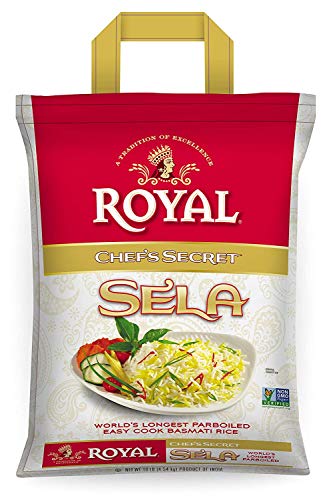
This is the rice you reach for when you are making a mutton biryani with a thick yogurt marinade and you need grains that will not break under the weight. Royal Chef’s Secret is a sella (parboiled) basmati, which means the kernel has been steam-treated before milling. The result is a hard, resilient grain that doubles in length when cooked and stays separate even if you accidentally steam it for an extra five minutes.
Buyers mention that this rice freezes and defrosts exceptionally well without drying out — a feature that regular raw basmati rarely delivers. For anyone who meal-preps biryani in large batches, this is a major advantage. The 20-pound bag is also cost-efficient for high-volume cooking; the per-serving cost is lower than most 10-pound premium options.
The trade-off is that sella rice has a slightly chewier texture and a less floral aroma than raw basmati. Purists who prioritize the delicate fragrance of aged basmati may find it lacks that top note. But for structural integrity in a layered dum biryani, this is the most forgiving and reliable bag on the list.
Why it’s great
- Highest grain elongation of any tested bag
- Freezes and reheats without drying out
- 20-pound bag is great for volume cooking
Good to know
- Sella texture is slightly firmer than raw basmati
- Aroma is less pronounced than raw-aged rice
4. Iberia Premium Aged Indian Basmati Rice, 10 Pounds
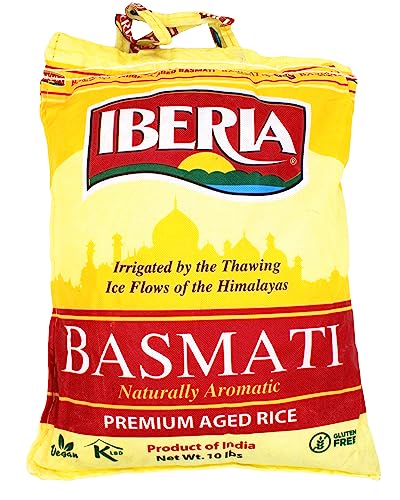
Iberia’s entry-level basmati is a surprising performer for its price bracket. The grains are aged, which gives them a firmer bite than fresh-crop rice, and they cook up with the fluffy, separate texture that biryani requires. Multiple verified reviewers describe it as the best-tasting rice they have ever eaten — strong praise for a bag that sits at the budget end of the spectrum.
The 10-pound bag features a woven outer layer with an attached handle and an inner plastic lining that keeps moisture out. This packaging is practical for pantry storage and makes it easy to lift the bag without tearing. The rice itself is naturally gluten-free, vegan, and contains no sodium or cholesterol — standard for pure basmati, but worth confirming for dietary restrictions.
The main limitation is that the grain length is not as extreme as the premium options. You will still get a good elongation, but the cooked grains may be slightly shorter than Tilda or Royal Chef’s Secret. For an everyday biryani where you want good texture without spending top dollar, Iberia punches above its weight.
Why it’s great
- Aged grains provide firm, separate texture
- Handle and durable packaging for easy storage
- Very competitive cost per pound
Good to know
- Grain length is shorter than premium bags
- Aroma is mild rather than intensely nutty
5. Aahu Barah Basmati Sela Rice, 10 lb Pack
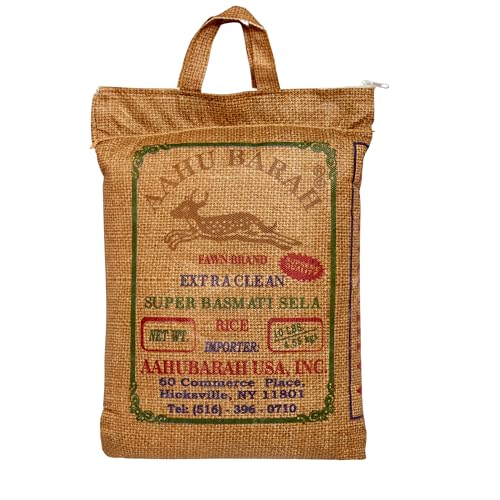
Aahu Barah’s Sela rice is the bag that a Michelin-star chef reportedly uses at home — that is not a marketing line, it appears verbatim in a verified review. The grains are extra-long, even by sella standards, and they cook into distinct, fluffy kernels that separate completely. For a restaurant-style biryani where presentation matters — each grain standing alone, no clumps — this is the closest you can get to professional results from a home kitchen.
The flavor is described as slightly richer and more authentic than standard sella options. One reviewer’s tip: adding a tablespoon of coconut oil to the cooking water amplifies the grain separation and adds a subtle richness that works well with biryani spices. The bag is sturdy, with a plastic lining that prevents the rice from absorbing external odors during storage.
The price sits at the top of this list, and the 10-pound bag size means the upfront cost is higher per unit than some bulk options. But for cooks who prioritize grain length above all else — and who want a sella that looks and tastes like it came from a restaurant kitchen — Aahu Barah is the definitive choice.
Why it’s great
- Exceptional extra-long grain length
- Flavor profile is richer than standard sella
- Sturdy bag with protective inner lining
Good to know
- Premium price tier within this category
- Parboiled texture may not suit raw-rice purists
FAQ
Can I use jasmine rice instead of basmati for biryani?
How do I know if my basmati rice is properly aged?
What is the ideal water-to-rice ratio for biryani parboiling?
Does rinsing basmati affect its performance in biryani?
Final Thoughts: The Verdict
For most users, the rice for biryani winner is the Tilda Pure Basmati because it combines fast cook time, reliable grain elongation, and a clean aroma that complements rather than overwhelms the spice layers. If you want maximum structural resilience for meat-heavy dum biryani, grab the Royal Chef’s Secret Sella for its forgiving parboiled texture and freezer-friendly performance. And for a restaurant-quality presentation where every grain stands alone, nothing beats the Aahu Barah Basmati Sela.