Ready-to-drink protein shakes have moved beyond the dusty gym bag into the daily rhythm of breakfast tables, office desks, and post-workout coolers. The challenge isn’t finding one—it’s finding one that delivers real protein without a chalky mouthfeel, a chemical aftertaste, or a sugar spike that defeats the purpose.
I’m Mohammad Maruf — the founder and writer behind AirfryerBite. I spend my days dissecting nutritional labels, comparing processing methods like ultrafiltration versus standard mixing, and cross-referencing real user feedback to separate honest formulations from overhyped branding.
Whether you need a lactose-free option that tastes like chocolate milk or a 45g heavy hitter for serious recovery, this guide filters the noise. These are the rated protein drinks that actually earn their place in your fridge.
How To Choose The Best Rated Protein Drinks
The protein drink aisle is crowded with similar-looking cartons that differ wildly in how they treat your digestion and your taste buds. The following criteria will help you decode what separates a daily driver from a one-time sample.
Protein Source and Digestive Compatibility
Dairy-based shakes use either standard milk protein concentrate or ultrafiltered milk that strips out lactose sugars. If you experience bloating with standard whey, look for A2 protein or an explicit lactose-free label. Plant-based options like almondmilk are naturally dairy-free but typically contain less protein per ounce, so brands compensate with added isolates that can introduce a grittier texture.
Sweetener Strategy and Sugar Content
The 1g-to-2g sugar club relies on stevia, monk fruit, or sucralose. Monk fruit and stevia leave a mild cooling sensation that some describe as an aftertaste, while sucralose masks flavors well but can linger. If you react to any of these, a shake with no artificial sweeteners and only 2g of natural sugar from milk is your cleanest bet.
Protein Density Per Serving
Standard servings hover around 20g to 30g, which covers breakfast gaps and light recovery. The 45g tier targets muscle repair after heavy lifting or long-duration endurance sessions. More protein means a thicker, fuller shake, but it also drives up the cost per bottle significantly—weigh your actual daily protein gap before paying for the extra grams.
Quick Comparison
On smaller screens, swipe sideways to see the full table.
| Model | Category | Best For | Key Spec | Amazon |
|---|---|---|---|---|
| Quest Nutrition Chocolate | Premium | High-intensity recovery | 45g protein per 14 fl oz | Amazon |
| Orgain 30g Vanilla Bean | Mid-Range | Clean ingredients with BCAAs | 6g BCAAs, 1g sugar | Amazon |
| Premier Protein Chocolate (30g) | Mid-Range | Everyday protein with vitamins | 30g protein, 24 vitamins/minerals | Amazon |
| Premier Protein Non-Dairy Almondmilk | Mid-Range | Dairy-free plant based choice | 20g plant protein, almondmilk | Amazon |
| Slate Milk Classic Chocolate | Mid-Range | Lactose-free chocolate milk taste | 20g protein, 1g sugar, canned | Amazon |
| Pioneer Pastures A2 Chocolate | Premium | A2 dairy with no seed oils | 30g A2 protein, 2g sugar | Amazon |
| BOOST MAX Chocolate | Mid-Range | Immunity and muscle support | 30g protein, 26 vitamins/minerals | Amazon |
In‑Depth Reviews
1. Quest Nutrition Chocolate Protein Shake

Quest’s 45g protein shake is effectively a meal in a bottle, built for anyone whose daily protein target sits above 150g. The 14-ounce serving packs the highest protein density in this comparison, with a smooth texture that avoids the glue-like thickness of some ultra-high protein formulas. Sucralose provides the sweetness, and most users find the aftertaste well-masked by the creamy chocolate profile.
Net carbs sit at just 4g per bottle with 2g of sugar, making this a strong fit for keto and low-carb diets. The protein comes from ultrafiltered nonfat milk, which delivers a complete amino acid profile without the excess water volume of standard milk. It is gluten-free and the bottles are ready to grab from the cooler without any powder mess.
The obvious trade-off is cost per serving, which runs noticeably higher than 30g options. Buyers on a strict budget may want to reserve this for post-lift days when the extra 15g of protein makes a real difference. The flavor is consistently described as close to a chocolate milkshake, though those sensitive to sucralose should taste one bottle before committing to a 12-pack.
Why it’s great
- Highest protein count at 45g per serving in this roundup
- Smooth, milkshake-like texture with well-masked sweetener taste
- Only 2g of sugar and 4g net carbs
Good to know
- Premium cost per bottle is among the highest in the category
- Sucralose aftertaste may still be noticeable to some palates
2. Orgain 30g High Protein Shake, Vanilla Bean

Orgain takes a strict approach to ingredient sourcing: no carrageenan, no soy ingredients, no artificial flavors or sucralose, and no added hormones. Sweetness comes from monk fruit, which produces a noticeably cleaner finish than the chemical edge of some artificial sweeteners. The vanilla bean flavor is intentionally mild and thin in texture, closer to a chilled milk than a thick shake.
At 30g of dairy-based milk protein and 6g of BCAAs per 11-ounce bottle, this covers both daily supplementation and post-workout recovery without the calorie load of heavy meal replacements. Each bottle contains 160 calories, 1g of sugar, and 40 percent of your daily calcium intake. The keto-friendly label holds up against that macros profile.
The monk fruit note is polarizing—some drinkers perceive it as a distinct aftertaste that skews away from pure vanilla. Users who prefer a sweeter, thicker shake may find this too restrained. That said, fans describe the flavor as clean and smooth, and parents report picky kids tolerate it well. It is best served very cold.
Why it’s great
- Monk fruit sweetened with zero artificial additives
- High BCAAs count of 6g per serving
- Thin, smooth consistency that mixes easily with espresso or ice
Good to know
- Monk fruit aftertaste can be distracting for some drinkers
- Texture is thinner than a standard protein shake
3. Premier Protein Shake, Chocolate (30g)
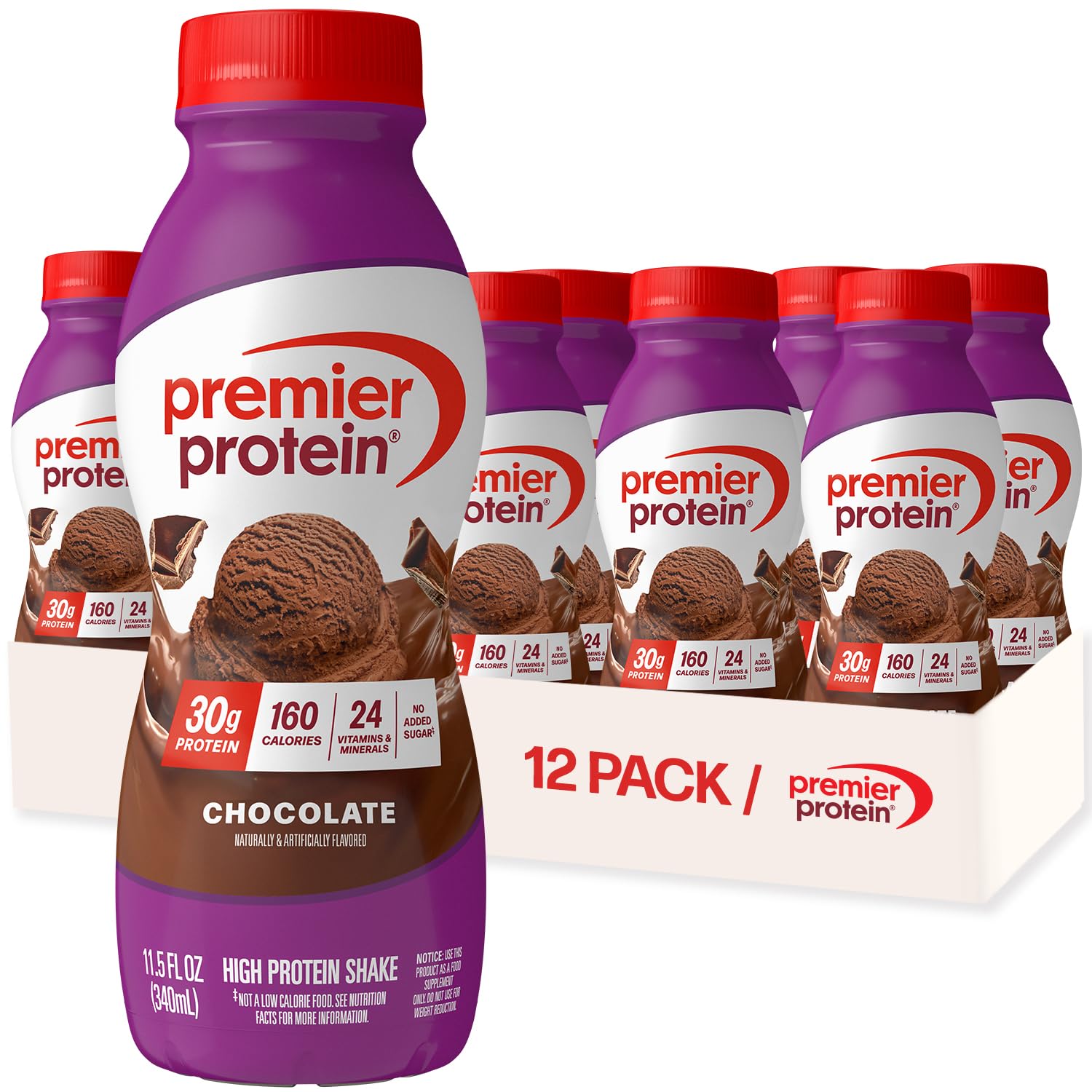
The long-standing bestseller in the ready-to-drink protein aisle holds its position for a reason. The chocolate formulation delivers a rich, creamy mouthfeel that many users describe as nearly indistinguishable from chocolate milk. At 160 calories, 30g of protein, and no added sugar, it satisfies the protein target without the nutritional penalties of a standard sugary drink.
Premier Protein also packs 24 essential vitamins and minerals into each 11.5-ounce bottle, including zinc and vitamins A, C, and D for immune support. The inclusion of micronutrients elevates this beyond a simple protein tool into a legitimate meal support option for busy mornings. The texture requires a vigorous shake before opening to avoid a stringy consistency reported by some users.
This drink is gluten-free and suited for keto dieters, but the primary downside is its reliance on sucralose as the sweetener. A subset of drinkers detects a faint artificial aftertaste, though the chocolate version is widely regarded as the flavor that best masks it. For the combination of price, protein density, and added vitamins, this remains the most balanced daily driver in the category.
Why it’s great
- Rich chocolate flavor that closely mimics real chocolate milk
- High 30g protein with 24 vitamins and minerals added
- Consistent quality and widely available across retailers
Good to know
- Sucralose aftertaste is detectable in some batches
- Needs aggressive shaking to avoid stringy texture
4. Premier Protein Non-Dairy Almondmilk, Chocolate
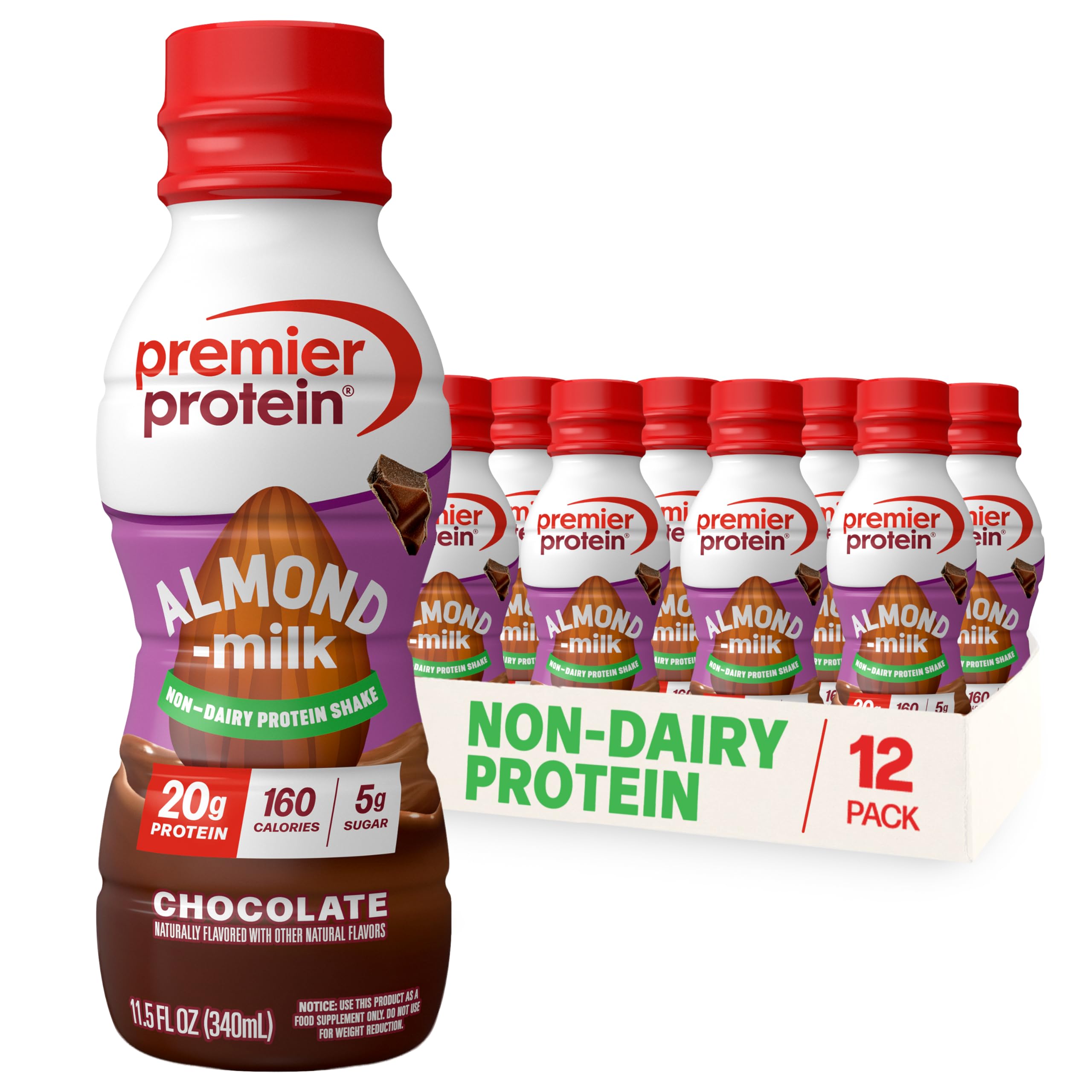
Premier Protein extends its lineup to plant-based drinkers with this almondmilk-based shake. It contains 20g of plant protein per 11.5-ounce bottle, 5g of sugar, and 160 calories, with no artificial flavors, colors, or sweeteners. The consistency is lighter and slightly grainier than the dairy original, but fans of almond milk will find the texture familiar.
The main advantage here is digestive comfort for the lactose-intolerant crowd. Multiple reviews confirm that this version produces zero bloating or stomach discomfort compared to the dairy-based alternatives. The chocolate cocoa flavor is described as crave-worthy and rich enough to satisfy a chocolate craving without the dairy hit. It is best served cold to reduce the slightly grainy mouthfeel.
The trade-off is lower protein density—20g versus 30g in the dairy version—and a higher sugar content by comparison. The cost per bottle also runs higher than the standard Premier Protein, likely reflecting the premium on almondmilk processing. It is a solid choice for those who need dairy-free but still want the brand consistency of the Premier Protein line.
Why it’s great
- Completely dairy-free and safe for lactose-intolerant drinkers
- Rich chocolate flavor without artificial sweeteners
- Shelf-stable convenience for on-the-go use
Good to know
- Grainy texture is noticeable, especially if served warm
- Lower protein count of 20g compared to dairy version
5. Pioneer Pastures A2 Chocolate Milkshakes
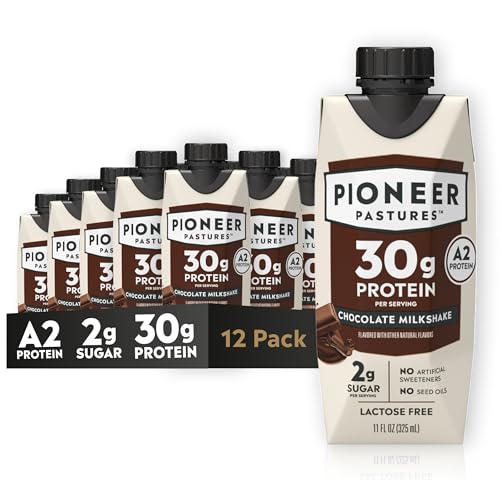
Pioneer Pastures differentiates itself by using A2 dairy—a protein structure that lacks the A1 beta-casein peptide linked to digestive discomfort in some individuals. Combined with ultrafiltration to remove lactose, this shake is engineered for sensitive stomachs. Each 11-ounce bottle delivers 30g of single-source A2 milk protein with only 2g of sugar and no added sugars.
The ingredient philosophy excludes seed oils, artificial sweeteners, sugar alcohols, and carrageenan. Sweetness comes from a blend of stevia and monk fruit, which produces a mild, not-too-sweet profile that many post-surgery and sensitive-users specifically seek. The chocolate flavor is creamy and smooth, and reviews consistently emphasize the lack of GI distress even with regular consumption.
The premium cost is the main barrier—these shakes are significantly more expensive per serving than mainstream competitors. They are shelf-stable until opened, but the packaging is currently less widely stocked than the big in-store brands. For anyone who reacts poorly to standard whey or milk protein concentrate, this clean A2 formula may be worth the upgrade.
Why it’s great
- A2 ultrafiltered milk is easier on digestion than standard whey
- No seed oils, artificial sweeteners, or carrageenan
- Creamy texture with a mild, natural sweetness
Good to know
- Premium price is among the highest in the category
- Limited retail availability compared to mainstream brands
6. Slate Milk Classic Chocolate
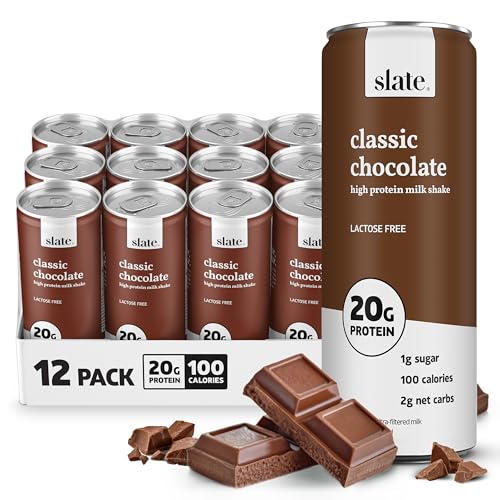
Slate Milk takes the nostalgic route—it tastes like classic chocolate milk, not a protein shake. The difference lies in the ultrafiltration process that removes lactose sugars and concentrates the protein naturally. The result is a 20g protein, 1g sugar, 100-calorie, 11-ounce can that reads more like a treat than a supplement.
The packaging is notable: it comes in a shelf-stable aluminum can, similar to premium canned coffee. No refrigeration is required until opening, making this a strong option for gym bags, travel, or desk drawers. The flavor is described as smooth, refreshing, and not overly thick, with a light chocolate profile that doesn’t cloy. Electrolytes and essential vitamins are added, reinforcing the recovery angle.
The protein count sits at 20g, which is lower than the 30g benchmark most active adults target. The chocolate flavor can settle, requiring a quick swirl before drinking. The cost per 12-pack is mid-range, but the per-can price is competitive with other premium low-sugar milks. For anyone who misses the taste of real chocolate milk but needs a macro-friendly lift, this hits the spot.
Why it’s great
- Tastes remarkably like classic chocolate milk, not a supplement
- Shelf-stable can needs no refrigeration until opened
- Only 1g of sugar and 100 calories per serving
Good to know
- 20g protein is lower than most 30g competitors
- Chocolate solids settle in the can and need a shake
7. BOOST MAX Protein Shake Chocolate

BOOST MAX positions itself as 3-in-1 active nutrition: muscle support from 30g high-quality protein, energy conversion from B-vitamins, and bone health from calcium and vitamin D. The 11-ounce bottle packs 26 vitamins and minerals, including vitamin C, zinc, and iron for immune function. With only 1g of sugar and 160 calories, the macros are clean enough for daily use.
The chocolate flavor is serviceable but not the standout feature of this drink—most users find it pleasant enough to finish but not crave-worthy. It works best as a meal supplement for picky eaters, post-surgery recovery, or older adults who need a concentrated nutrient delivery system. The texture is smoother than many medical-style shakes, and it mixes well with coffee or ice.
The 18-pack delivers strong value on a per-bottle basis, making it a cost-effective choice for households that rely on a steady supply. The flavor range currently includes chocolate and very vanilla, which limits variety over an extended daily rotation. If your priority is comprehensive micronutrient coverage alongside your protein, this is the most complete package in the list.
Why it’s great
- Comprehensive micronutrient profile with 26 vitamins and minerals
- High 30g protein with only 1g of sugar
- 18-pack provides strong per-bottle value
Good to know
- Chocolate flavor is decent but not a highlight
- Limited to chocolate and vanilla flavor options
FAQ
Are 20g protein drinks enough for muscle growth?
Why do some protein drinks have a gritty texture?
Is monk fruit sweetener better than sucralose in protein shakes?
Can I use a protein drink as a complete meal replacement?
Final Thoughts: The Verdict
For most users, the rated protein drinks winner is the Premier Protein Chocolate Shake because it offers an ideal balance of creamy taste, high protein density, added micronutrients, and a proven track record of consistency. If you prioritize ultra-clean ingredients and digestive comfort, grab the Pioneer Pastures A2 Chocolate. And for high-intensity recovery where 45g of protein makes the difference, nothing beats the Quest Nutrition Chocolate Shake.