That packet of powdered seasoning is fine for a dorm-room fix, but when you want a bowl of ramen that tastes like it came from a shop, the sauce is where the magic happens. A great ramen sauce delivers layers of savory depth—shoyu, miso, tonkotsu, or a chili-ginger kick—that turn plain noodles into a meal worth slurping.
I’m Mohammad Maruf — the founder and writer behind AirfryerBite. I’ve spent years analyzing the formulations, sodium levels, and umami profiles of dozens of ramen sauces to identify which ones actually transform a bowl without requiring a trip to a specialty market.
The right concentrate or seasoning can make or break your homemade ramen, which is why I’ve pulled together this guide to the best options available. Whether you want a rich broth base or a spicy sauce, this breakdown of the ramen sauce category gives you the specs and flavor notes you need to choose wisely.
How To Choose The Best Ramen Sauce
Not every bottle or packet labeled “ramen sauce” delivers the same experience. The right choice depends on whether you want a quick broth, a dipping sauce, or a seasoning to doctor up instant noodles. Here’s what to look for.
Base Type: Concentrate vs. Seasoning vs. Tsuyu
A broth concentrate, like a shoyu or tonkotsu base, is designed to be diluted with hot water or broth for a full bowl of soup. A powdered seasoning works best as a flavor boost for dry noodles or upgraded instant ramen. Tsuyu, a Japanese soup base, is traditionally used for soba or udon but can serve as a lighter ramen broth. Decide how you plan to use the sauce before choosing the format.
Sodium and Additives
Many bottled ramen sauces are sodium-heavy. Look for “less sodium” or “low sodium” labels if you are watching your intake, or choose an additive-free option with no MSG or preservatives. Some premium concentrates deliver deep umami without relying on excessive salt, using ingredients like bonito flakes, kombu, and shiitake mushrooms instead.
Versatility and Yield
A single bottle of concentrate can yield 8 to 15 servings depending on how much you use per bowl. Packets of dashi or tsuyu typically serve 1 to 4 bowls each. If you cook ramen regularly, a larger bottle or multi-pack offers better value over time and reduces packaging waste.
Quick Comparison
On smaller screens, swipe sideways to see the full table.
| Model | Category | Best For | Key Spec | Amazon |
|---|---|---|---|---|
| Yamasa Artisanal Shoyu Ramen Broth Concentrate | Broth Concentrate | Restaurant-quality shoyu broth | Serves 8 bowls per 8-oz bottle | Amazon |
| Paldo Fun & Yum Bibim Men | Instant Noodle Sauce | Cold, brothless sweet-spicy noodles | 5-pack of 130g individual servings | Amazon |
| Mizkan Oigatsuo Tsuyu Bonito Soup Base | Tsuyu Base | Traditional soba/udon broth & tempura dip | 32 fl oz bottle, bonito-flavored | Amazon |
| JAYUSS Less Sodium Chicken Ramen Seasoning | Seasoning Powder | Low-sodium chicken flavor for instant noodles | 10.58 oz resealable pouch | Amazon |
| Grelim Dashi Stock Japan | Dashi Packet | Clean, additive-free umami broth base | 18 packets, 6-ingredient blend | Amazon |
In‑Depth Reviews
1. Yamasa Artisanal Shoyu Ramen Broth Concentrate
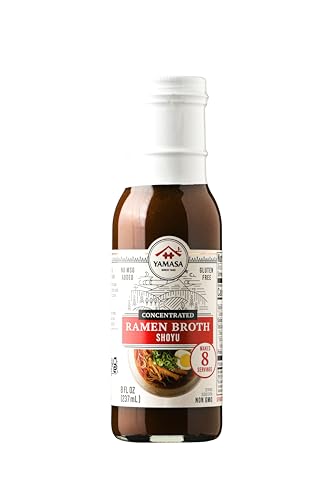
Yamasa’s shoyu ramen broth concentrate is as close as you can get to a bowl from a ramen-ya without leaving your kitchen. The concentrate is built on a base of traditionally brewed shoyu, delivering a layered umami that includes earthy depth and a subtle sweetness. It’s gluten-free, non-GMO, and has no added MSG or preservatives, so the flavor comes entirely from the soy fermentation and natural ingredients.
It also doubles as a stir-fry booster or a quick gravy base, adding savory complexity to anything it touches. The flavor profile leans toward the richer, more robust end of the shoyu spectrum, which pairs exceptionally well with fresh noodles and soft-boiled eggs.
This is a premium product in both taste and price, sitting at the higher end of the ramen sauce market. For the price-conscious cook, it may seem steep per ounce, but the yield and quality justify the cost. The concentrate is very salty if you follow the directions exactly; start with a slightly higher water ratio and adjust to taste.
Why it’s great
- Rich, complex shoyu flavor that rivals restaurant broth
- Very concentrated — yields more than the stated 8 servings
- Clean ingredients: gluten-free, no MSG, no preservatives
Good to know
- Salt level is high when mixed per instructions; dilute further
- Only 8 ounces of concentrate per bottle — small physical volume
2. Paldo Fun & Yum Bibim Men Instant Cold Noodles
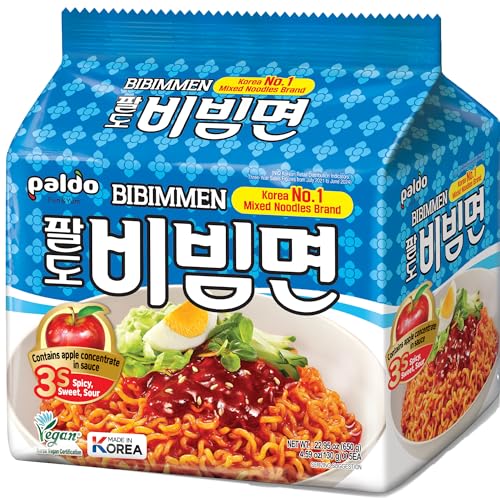
Paldo’s Bibim Men is not your standard ramen — it’s a cold, brothless Korean-style noodle dish built around a sweet and spicy seasoning sauce. Each 130g serving includes chewy, bouncy noodles that hold up well to the thick, gochujang-based sauce. The flavor profile hits a balanced sweet-spicy note, with a mild kick that builds without overwhelming. It’s ideal for hot summer days or anyone who prefers soupless noodles.
The sauce in this pack is the star. It’s a concentrated gochujang-style paste that coats each strand with a glossy, sticky finish. The noodles themselves are thick and springy, with a texture that stands up to the sauce without turning mushy. The 5-pack format gives you a solid value per serving, though the price per pack is higher than standard instant ramen. Many users recommend adding fresh toppings like sliced cucumber, a soft-boiled egg, or shredded pear to round out the meal.
This is not a broth for sipping — it’s a sauce designed for mixing. If you are looking for a hot soup, look elsewhere. But if you want a unique, satisfying cold noodle experience with a proper Korean-inspired sauce, this delivers. The only minor complaint is that the sauce packet is small; some users wish for more sauce to fully coat the noodles. Draining a small amount of water before adding the sauce helps it blend more evenly.
Why it’s great
- Authentic sweet-spicy Korean sauce profile with good depth
- Chewy, high-quality noodles that resist sogginess
- Quick and easy — just cook, drain, and mix
Good to know
- Price per pack is higher than standard ramen
- Sauce amount could be more generous for the noodle quantity
3. Mizkan Oigatsuo Tsuyu Bonito Flavored Soup Base

Mizkan’s tsuyu is a Japanese staple that pulls double duty as a noodle soup base and a dipping sauce for tempura. The primary flavor comes from bonito (dried skipjack tuna) flakes, which give it a clean, savory smokiness that’s lighter than a tonkotsu broth but still satisfying. It’s a shoyu-based sauce, so the soy sauce backbone provides the salt and umami, while the bonito adds the signature Japanese dashi character.
The 32-ounce bottle is one of the biggest volumes in this roundup, making it an excellent value for anyone who cooks Japanese-style noodles regularly. Because it’s a concentrate, you dilute it with water — typically a 1:4 or 1:3 ratio depending on your taste. That means one bottle can stretch across many bowls of soba, udon, or ramen. Some users find it slightly sweet, which is common for bottled tsuyu, but the sweetness is mild and balances the saltiness well.
This is not a thick, heavy broth concentrate — it’s a light soup base best for clear broths or cold noodles. If you want a rich, creamy tonkotsu-style sauce, this isn’t it. But for a versatile, affordable, and authentic Japanese soup base that works hot or cold, Mizkan tsuyu is hard to beat. The sodium content is moderate for a sauce base, but diluting it helps keep the final broth within a reasonable range.
Why it’s great
- Large 32-ounce bottle offers excellent yield per dollar
- Versatile — works as soup base, dipping sauce, or stir-fry boost
- Clean bonito flavor that tastes authentic and not artificial
Good to know
- Sweetness level may be too high for those preferring a more savory tsuyu
- Not suitable for thick or creamy broth styles like tonkotsu
4. JAYUSS Less Sodium Chicken Ramen Seasoning
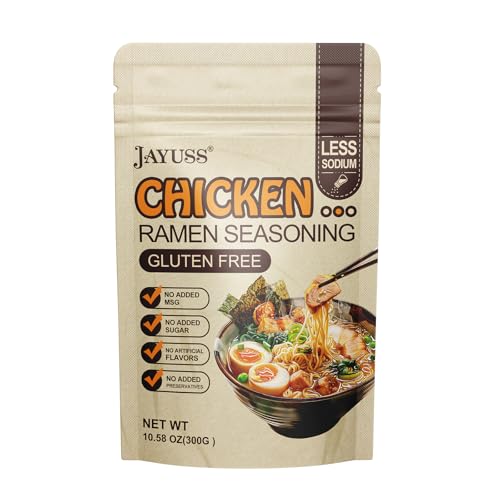
The JAYUSS chicken ramen seasoning is a powder-based sauce alternative designed for anyone who wants the flavor of instant ramen without the excessive sodium. At 180mg of sodium per serving, it’s significantly lower than the standard ramen packet that often clocks in at over 800mg. The seasoning blend is gluten-free, non-GMO, and free from added MSG, dairy, nuts, and soy. It uses chicken powder, natural vegetables, and spices to create a savory broth that tastes genuinely close to a classic chicken ramen packet.
The resealable stand-up pouch holds 10.58 ounces, which provides many servings — each one uses about 1.5 teaspoons per cup of water. Users report that it tastes very similar to Maruchan’s chicken seasoning but with less salt and a cleaner ingredient panel. The flavor is not “premium” in the sense of a complex broth, but it’s honest, comforting, and effective for upgrading plain noodles or adding to soups and stir-fries.
This is a budget-friendly, health-conscious option that sacrifices some depth for lower sodium and cleaner ingredients. It won’t replace a proper shoyu concentrate for ramen purists, but for a quick, satisfying bowl with less guilt, it delivers. Some users add mushroom umami powder or sesame oil to boost the flavor profile, which works well with the base seasoning.
Why it’s great
- Low sodium (180mg per serving) compared to standard ramen packets
- Gluten-free and free from common allergens and additives
- Large resealable pouch provides good value and portion control
Good to know
- Flavor lacks depth compared to broth concentrates or fresh dashi
- Best suited as a base seasoning — benefits from added umami boosters
5. Grelim Dashi Stock Japan
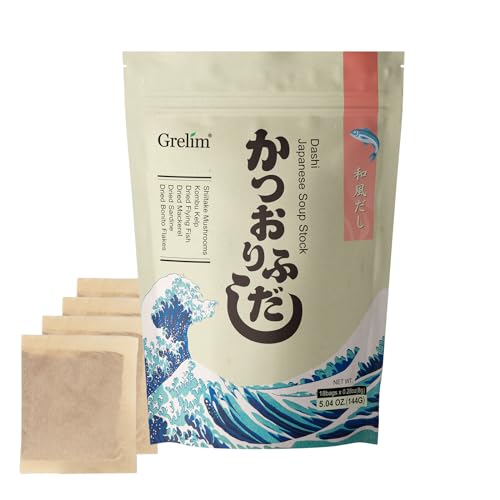
Grelim’s dashi stock is a purist’s choice for building a ramen sauce or broth from the ground up. It comes as 18 individual packets made from six Japanese domestic ingredients: bonito flakes, dried sardines, dried mackerel, dried flying fish, kombu kelp, and shiitake mushrooms. There is no added salt, sugar, soy sauce, chemical seasonings, preservatives, or MSG. Each packet acts like a tea bag; you simply simmer it in water for 4 minutes to extract a clear, umami-rich broth.
This is not a sauce in the traditional sense — it’s a dashi stock that serves as the foundation for ramen broth, miso soup, or noodle soup. The flavor is light, clean, and mineral-rich, with a subtle smokiness from the bonito and a gentle earthiness from the shiitake. It lacks the bold saltiness of a finished ramen sauce, so you will likely need to add a splash of soy sauce, miso paste, or salt to complete the bowl. For cooks who want total control over the sodium and flavor profile, this is ideal.
The value is strong for the quality: 18 packets at this price point is reasonable for additive-free, imported Japanese dashi. Some users report that a single packet can taste slightly weak for ramen, recommending two packets per bowl for a richer result. It’s best for anyone who prioritizes clean ingredients and wants to avoid pre-seasoned bases, but it does require a bit of extra effort to build the final flavor.
Why it’s great
- Completely additive-free with no MSG, preservatives, or added salt
- Six-ingredient blend provides a complex, authentic dashi profile
- Convenient tea-bag format for quick extraction without measuring
Good to know
- Mild flavor — may need two packets per bowl for stronger ramen broth
- Requires additional seasoning (soy sauce, miso, salt) to finish the bowl
FAQ
Can I use tsuyu as a ramen broth base?
How do I make a richer broth from a ramen sauce concentrate?
Final Thoughts: The Verdict
For most users, the ramen sauce winner is the Yamasa Artisanal Shoyu Ramen Broth Concentrate because it delivers the most authentic, restaurant-quality shoyu flavor with a clean ingredient list and impressive yield. If you want a versatile, large-format base for everyday cooking, grab the Mizkan Oigatsuo Tsuyu. And for a low-sodium, gluten-free option that closely mimics classic chicken ramen seasoning, nothing beats the JAYUSS Less Sodium Chicken Ramen Seasoning.