Cooking with protein powder is the single fastest way to turn a standard pancake, muffin, or loaf of bread into a satiating, muscle-repairing meal. The problem is that most powders turn your batter into a rubbery mess or a chalky disappointment. The secret to a moist, well-risen bake that actually tastes good lies in choosing a powder formulated for heat stability and neutral flavor.
I’m Mohammad Maruf — the founder and writer behind AirfryerBite. I’ve spent years analyzing how different proteins behave under heat, from denaturing whey to the absorbent nature of pea isolates, so you get a bake that holds structure without turning into cardboard.
If you want a powder that disappears into batters without altering taste or texture, you need the right fit. This guide breaks down the best protein powder to cook with based on ingredient purity, mixing performance, and heat tolerance.
How To Choose The Best Protein Powder To Cook With
Picking a protein powder for the oven or stovetop requires different thinking than picking one for a shaker bottle. Heat changes protein structure, and additives that taste fine in a cold smoothie can scorch or separate when baked. Focus on these three factors to avoid wasting money on a powder that ruins your recipe.
Unflavored and Unsweetened Is the Gold Standard
Flavored powders add vanilla, chocolate, or fruit notes that clash with savory bakes and limit your recipe range. Artificial sweeteners like sucralose often turn bitter when exposed to prolonged heat. An unflavored, unsweetened powder gives you total control over the final taste and works equally well in banana bread, meatloaf, or oatmeal.
Heat Stability and Protein Source
Whey concentrate and whey isolate denature at lower temperatures than plant-based proteins, which can cause baked goods to become dense or gummy if over-mixed. Pea protein isolate, on the other hand, absorbs more liquid and provides a robust crumb structure that holds up well to high-heat baking. For pancakes and waffles, whey delivers a lighter texture. For muffins and breads, pea protein often yields a more predictable rise.
Ingredient Purity and Mixability
The shortest ingredient list usually means fewer emulsifiers, gums, and fillers that alter dough hydration. A single-ingredient whey concentrate or a pure pea isolate blends more predictably with flour and liquid. Powders that clump easily require extra whisking or a blender to incorporate, whereas finely milled isolates dissolve smoothly into wet batters without leaving chalky pockets.
Quick Comparison
On smaller screens, swipe sideways to see the full table.
| Model | Category | Best For | Key Spec | Amazon |
|---|---|---|---|---|
| Opportuniteas Grass Fed Whey | Whey Concentrate | Baking and cooking versatility | 24g protein, 1 ingredient | Amazon |
| AGN Roots Grass Fed Whey Isolate | Whey Isolate | Clean-label baking and shakes | 25g protein, 6.5g BCAAs | Amazon |
| Nutricost Organic Pea Protein | Pea Isolate | Vegan baking and dense crumb | 20g protein, USDA Organic | Amazon |
| Simply Tera’s Pure Whey | Whey Concentrate | Budget-friendly all-purpose cooking | 22g protein, 2 ingredients | Amazon |
| Olympian Labs Pea Protein | Pea Protein | Dairy-free baking on a budget | 25g protein, low net carbs | Amazon |
In‑Depth Reviews
1. Opportuniteas Grass Fed Whey Protein Powder Concentrate
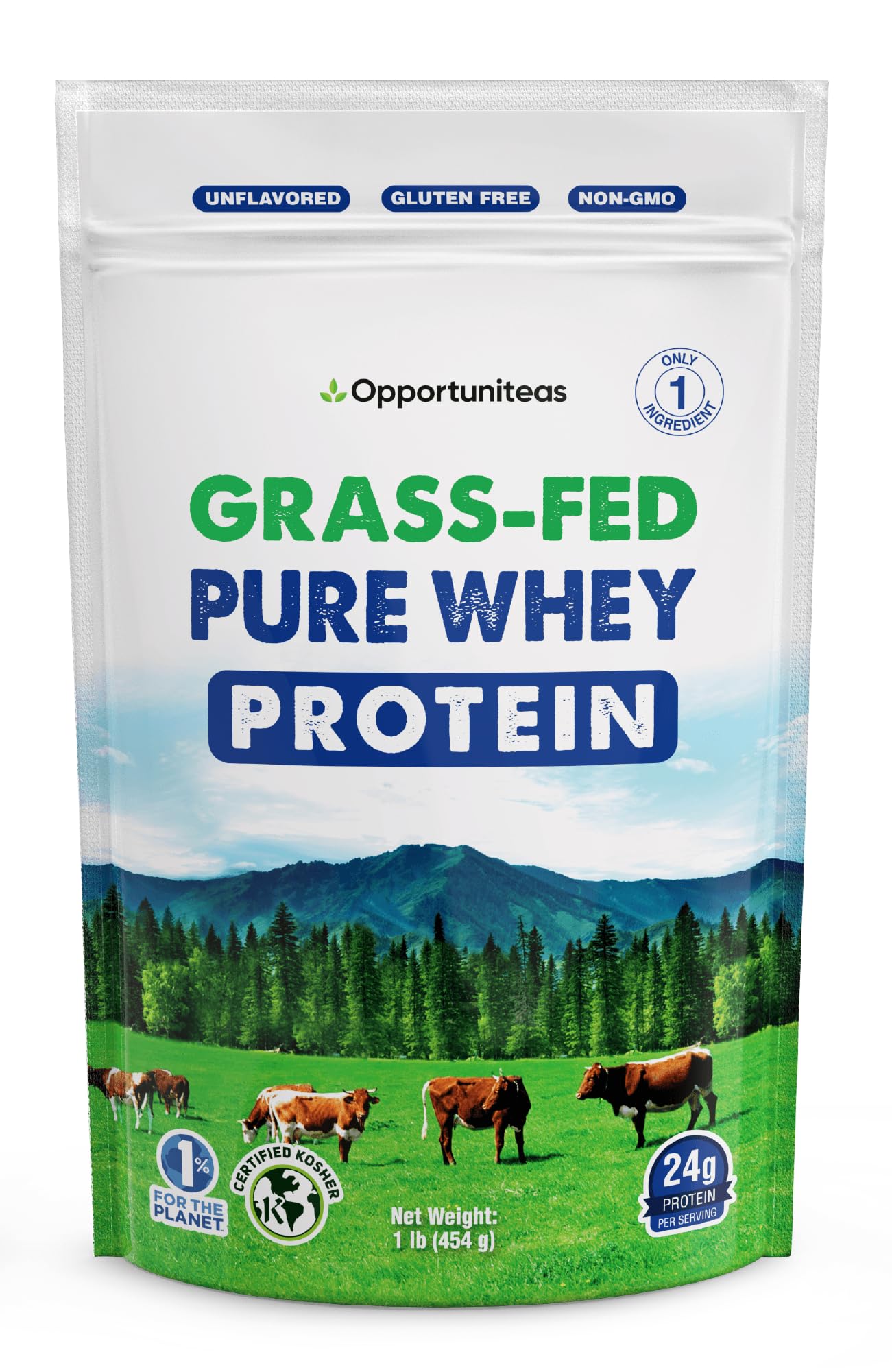
This single-ingredient grass-fed whey concentrate is the closest you can get to a neutral canvas for cooking. With 24 grams of protein per serving and zero sweeteners or fillers, it blends into soups, stews, pancake batter, and even bread dough without introducing any off-flavors. Reviewers consistently mention its rich, creamy texture and how it disappears into recipes without clumping.
The whey comes from hormone-free cows that graze on pasture year-round, giving the final powder a nutrient-dense profile that conventional dairy cannot match. Because it is a concentrate rather than isolate, it retains more of the natural milk fats and bioactive compounds that contribute to a moist, tender crumb in baked goods. Users have reported success using it in raw protein bars and no-bake treats, which indicates it holds structure well without heat activation.
One detail that stands out in the feedback is the lack of any chalky mouthfeel or chemical aftertaste. This is largely due to the absence of soy lecithin and artificial emulsifiers, which are common in cheaper blends. The only real constraint is the one-pound bag size, which may require more frequent repurchasing for heavy users.
Why it’s great
- Single ingredient with no sweeteners or fillers
- Blends smoothly into hot and cold recipes without clumps
- Rich, creamy texture ideal for pancakes, breads, and soups
Good to know
- One-pound bag may run out quickly for daily bakers
- Whey-based, so not suitable for dairy-free or vegan diets
2. AGN Roots Grass Fed Whey Protein Powder Isolate
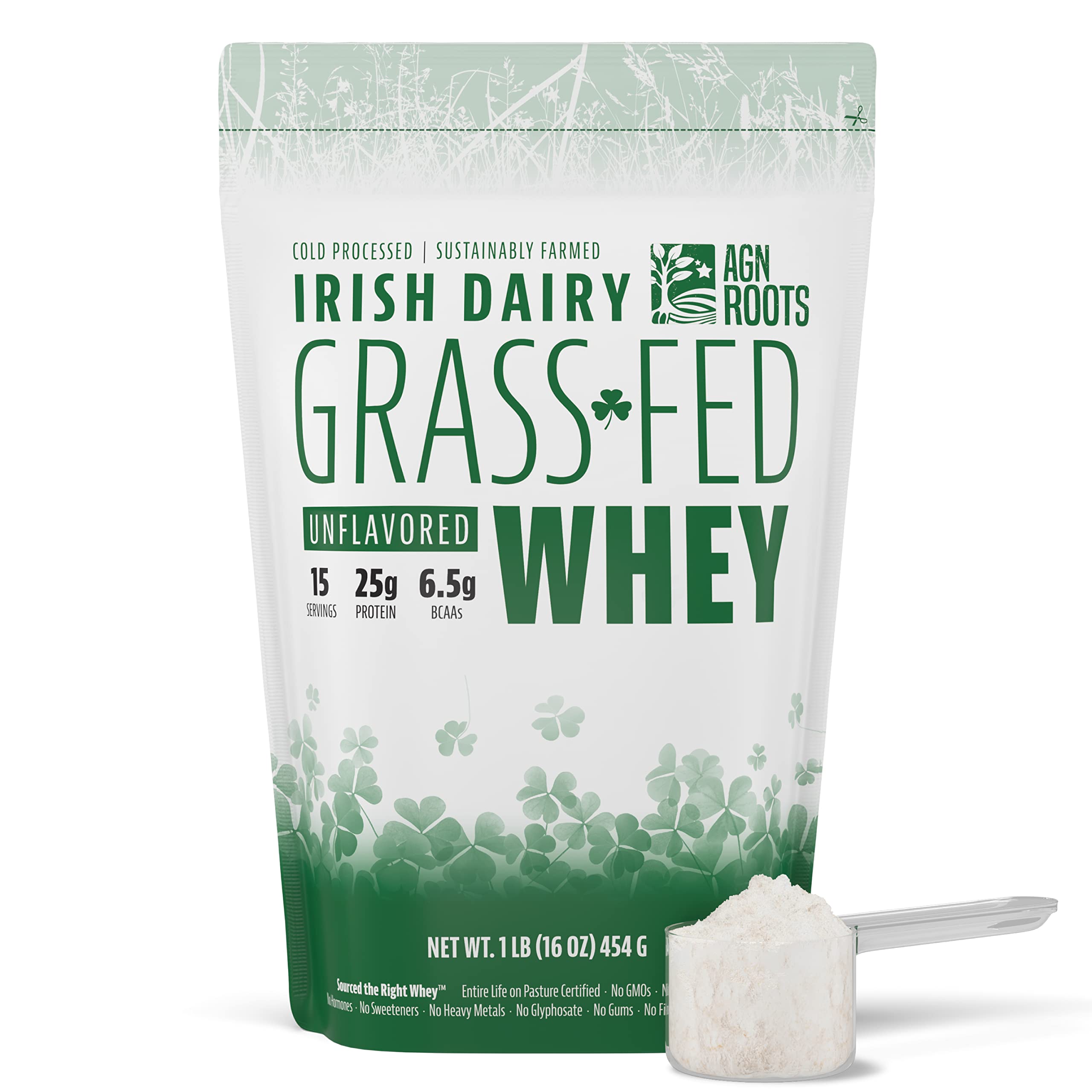
AGN Roots sets a high bar for transparency with its entire-life-on-pasture certification and third-party testing through Informed-Sport. This unflavored whey isolate delivers 25 grams of protein and 6.5 grams of BCAAs per two-scoop serving, making it one of the most nutrient-dense options available for cooking. The cold-processing method preserves the delicate protein structure, so it performs well in baked items without turning gummy.
What separates this isolate from typical whey concentrates is its exceptionally low moisture content and fine powder consistency. It mixes into mug cakes, protein pancakes, and waffle batter with almost no effort, creating a smooth, creamy base that tastes slightly sweet on its own. Reviewers frequently highlight the lack of bloating and the clean ingredient list, which contains no sugar, artificial flavors, or gums.
The powder arrives in a thermally protected pouch rather than a plastic tub, which minimizes heat and UV damage during shipping. This packaging choice is unique and matters for cooking because it ensures the protein has not denatured before it hits your batter. The primary trade-off is the price point, which sits above most entry-level whey blends.
Why it’s great
- High BCAA content supports muscle repair after meals
- Cold-processed and packaged to prevent heat damage
- Third-party tested for banned substances and heavy metals
Good to know
- Premium pricing makes it a bigger upfront investment
- Isolate structure can feel too light for very dense breads
3. Nutricost Organic Pea Protein Isolate Powder

Nutricost’s unflavored pea isolate delivers 20 grams of organic plant protein per serving without the gums and stabilizers that plague many vegan blends. For cooking, this powder behaves predictably: it absorbs liquid well and produces a dense, hearty crumb that works beautifully in muffins, brownies, and savory loaves. Users describe the taste as mild and flour-like, which means it will not fight with the flavors you add.
The two-pound container offers strong value for those who bake multiple times per week. Reviewers note that the powder dissolves easily in almond milk and oat milk, though straight water yields a slightly chalky texture that benefits from blending with fruit or nut butter. Once baked, that chalkiness disappears entirely, replaced by a firm, satisfying structure that mimics whole-grain flour in density.
A recurring piece of advice from the feedback is to use a frother for proper mixing when adding the powder to cold liquids. This minor step prevents the clumps that form with hand-whisking alone. The tub is bulky, but the secure screw cap keeps the fine powder from puffing out when you open it.
Why it’s great
- Certified organic with no GMOs or gluten
- Produces a dense, sturdy crumb ideal for baked goods
- Excellent value per gram of protein at two pounds
Good to know
- Fine powder can puff out if opened too quickly
- Mixing with water alone can feel chalky
4. Simply Tera’s Pure Whey Protein Powder

Simply Tera’s uses only two ingredients — grass-fed whey concentrate and sunflower lecithin — to produce a clean, unflavored powder that mixes seamlessly into hot and cold recipes. The 22 grams of protein per serving come from pasture-raised cows on small family farms, with no rBGH or artificial sweeteners. Reviewers consistently praise its mild taste and lack of any strange aftertaste when blended into pancakes, brownies, or shakes.
Sunflower lecithin acts as a natural emulsifier that helps the powder dissolve without clumps, which is a significant advantage when you are folding it into a thick muffin batter. The unflavored profile works equally well in sweet and savory applications, from protein cakes to creamy soups. Users who are sensitive to soy lecithin appreciate the sunflower alternative, noting that it does not cause the digestive discomfort they experienced with other brands.
The twelve-ounce bag is small, making it a perfect entry point for someone who wants to test cooking with whey before committing to a larger container. Some users combine one scoop of this unflavored powder with one scoop of vanilla from the same brand to create a balanced flavor without overload.
Why it’s great
- Only two ingredients with sunflower lecithin for easy mixing
- Mild, neutral taste does not compete with recipe flavors
- Grass-fed and hormone-free from US family farms
Good to know
- Small bag size means more frequent repurchasing
- Not suitable for dairy-free or vegan diets
5. Olympian Labs Plant Based Pea Protein Powder
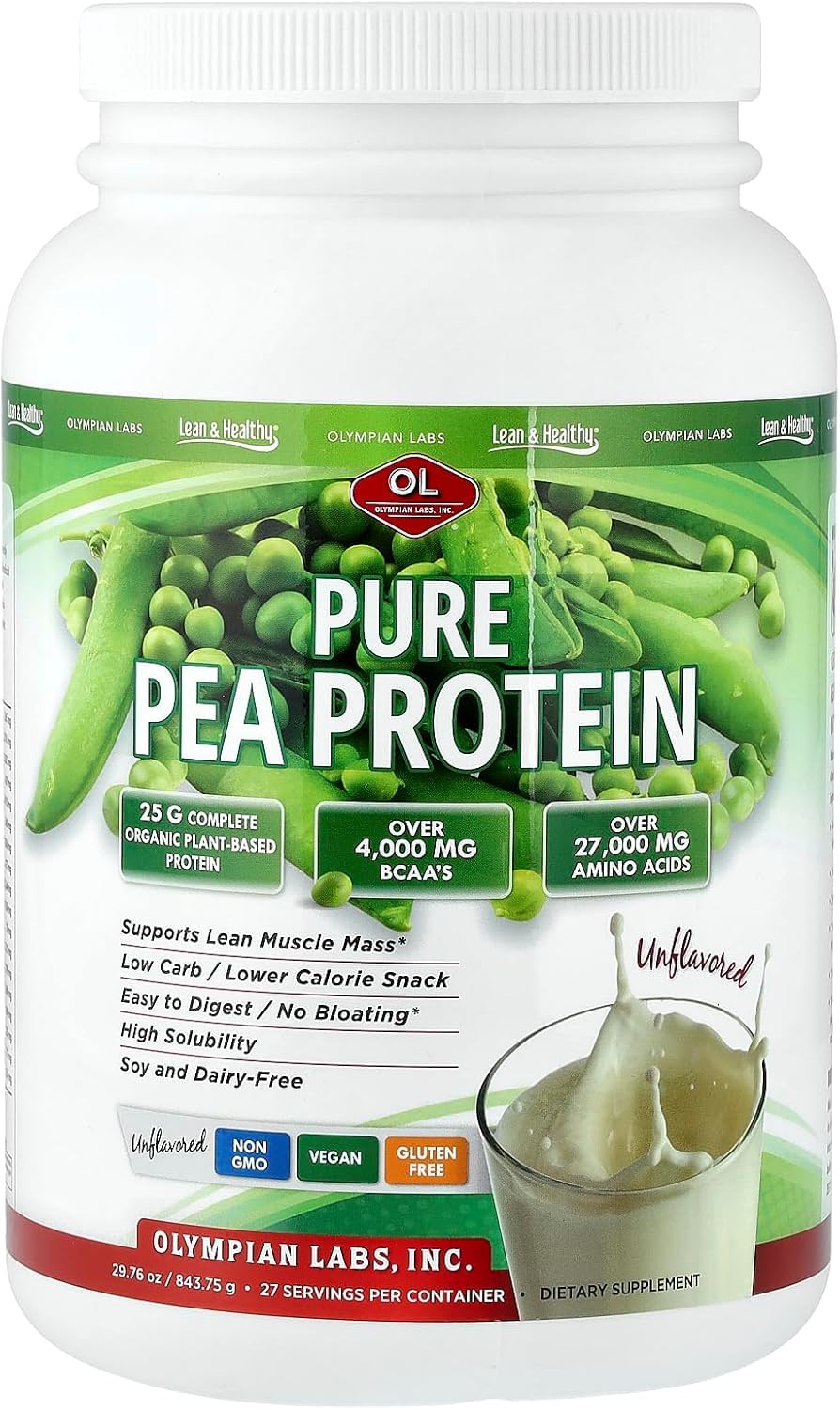
Olympian Labs has been formulating plant-based supplements since 1992, and this unflavored pea protein reflects that experience. With 25 grams of protein per serving and a concentrated yellow pea isolate that exceeds 80 percent protein content, it is designed to build lean mass without the allergens found in soy, dairy, or egg-based powders. The lack of sugar and fat makes it a low-calorie option for protein-fortified baked goods.
The powder has a mild nutty pea flavor that blends well in smoothies and works especially well in baked goods where it can be substituted for a portion of the flour. Users recommend it for pancakes and waffles, noting that it masks easily when combined with stronger ingredients like cocoa or banana. Some reviewers find the taste unpleasant when mixed with water alone, but that issue disappears once the powder is incorporated into a batter and cooked.
One practical selling point is the manufacturer’s explicit instruction to replace one cup of flour with one cup of this pea protein, which gives you a reliable starting ratio for recipe conversion. The two-pound bag provides strong value for dairy-free households that bake regularly, though the bag’s simple packaging lacks the scoop that some competitors include.
Why it’s great
- High protein content with low net carbs and no sugar
- Soy-free, dairy-free, and vegan friendly
- Works as a direct flour replacement in many recipes
Good to know
- Nutty pea flavor may be noticeable in plain recipes
- No scoop included in the package
FAQ
Can I substitute protein powder for flour in any recipe?
Does cooking destroy the protein in whey or pea powder?
Why does my protein powder turn bitter when I bake it?
Final Thoughts: The Verdict
For most users, the protein powder to cook with winner is the Opportuniteas Grass Fed Whey because its single-ingredient formula and 24 grams of protein create a creamy, neutral base that works across sweet and savory recipes without clumping or off-flavors. If you need a vegan option that holds up under high heat, grab the Nutricost Organic Pea Protein Isolate. And for the cleanest label with third-party certification, nothing beats the AGN Roots Grass Fed Whey Isolate.