Starting your protein powder journey feels like standing in front of a wall of tubs, each promising muscle growth, weight loss, and better energy. The biggest hurdle for a beginner isn’t choosing a flavor — it’s deciphering the label to find a powder that mixes well, tastes decent, and won’t upset your digestion on day one.
I’m Mohammad Maruf — the founder and writer behind AirfryerBite. I’ve spent years researching how nutritional supplements fit into everyday cooking and meal prep, analyzing the bioavailability of plant versus animal proteins and the real-world impact of ingredient transparency on first-time buyers.
There is a massive difference between a powder that sits on a shelf and one that actually supports your goals. I built this guide to cut through the marketing and deliver the protein powder for beginners that truly works for a smooth, digestible, and effective start.
How To Choose The Best Protein Powder For Beginners
The best protein powder for a new user balances digestibility, clean ingredients, and a protein count that actually moves the needle. Three factors separate a wasted tub from a daily staple.
Whey Versus Plant Protein — Your Gut Decides First
Whey protein absorbs quickly and contains all essential amino acids, but some beginners experience bloating if they are lactose sensitive. A whey isolate (like the one in Premium Whey selections) filters out most lactose, making it safer for sensitive stomachs. Plant protein blends, typically pea, rice, or fava bean, are naturally lactose-free and often include prebiotic fiber for digestive comfort. For a beginner, test your tolerance with a small serving before committing to a full tub.
Ingredient Transparency And The Filler Trap
Cheap protein powders bulk up their labels with maltodextrin, artificial sweeteners, and proprietary blends that hide exact amounts. Look for full label disclosure — every ingredient listed with no hidden fillers. A quality beginner powder lists the exact source of protein (WPC80, whey isolate, pea protein isolate) and avoids artificial colors and preservatives. The shorter the ingredient list, the better your body will handle it.
Protein Per Scoop — The Real Value Metric
Ignore the flashy “25g protein” front label and check the serving size. Some powders require two scoops to hit that number, doubling your cost per serving. A standard single-scoop serving delivering 24-25g of protein is the benchmark for efficiency. Anything below 20g per scoop means you will either need a larger scoop or a second serving to get meaningful muscle support.
Quick Comparison
On smaller screens, swipe sideways to see the full table.
| Model | Category | Best For | Key Spec | Amazon |
|---|---|---|---|---|
| Optimum Nutrition Gold Standard Whey | Premium Whey | Proven quality & mixability | 24g protein per scoop, 5.5g BCAAs | Amazon |
| NutraBio Classic Whey | Transparent Whey | Full label disclosure | 25g protein, WPC80 concentrate | Amazon |
| C4 Whey Protein | Flavor-Focused Whey | Taste without added sugar | 25g protein, 0g added sugar | Amazon |
| Optimum Nutrition Plant Protein | Premium Plant | Vegan muscle support | 24g plant protein, 0g sugar | Amazon |
| Orgain Organic Plant Protein | Gut-Friendly Plant | Digestion & fiber support | 21g protein, 6g prebiotic fiber | Amazon |
| Premier Protein Whey | Low-Fat Whey | Low sugar & calorie control | 30g protein, 1g sugar, 150 cal | Amazon |
| Growing Naturals Pea Protein | Single-Source Plant | Hypoallergenic vegan option | Pea protein, top 9 allergen free | Amazon |
In‑Depth Reviews
1. Optimum Nutrition Gold Standard 100% Whey Protein Powder
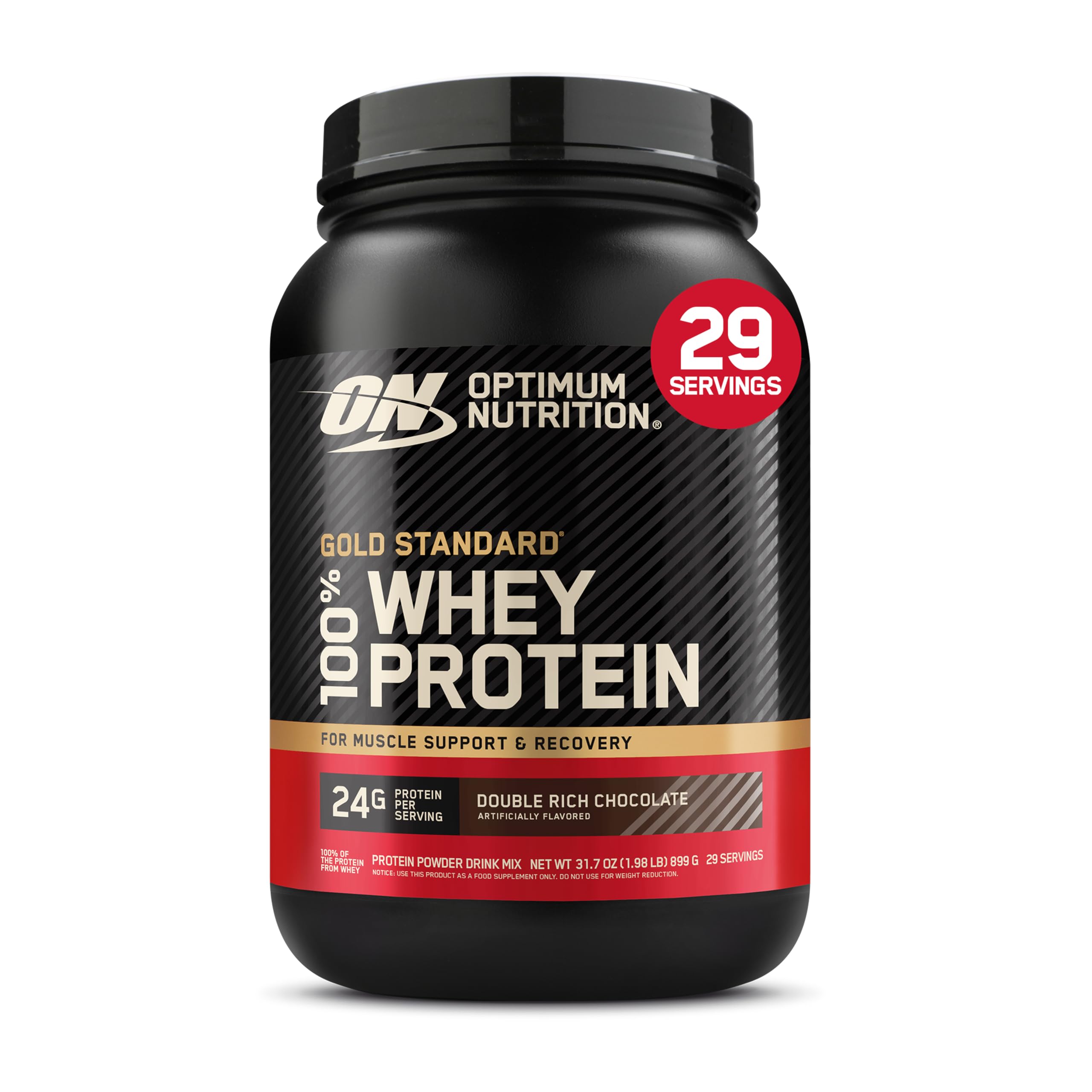
Optimum Nutrition’s Gold Standard Whey is the benchmark for a reason — it uses whey protein isolate as its primary ingredient, which means you get a fast-digesting, low-lactose formula that beginners tolerate well. With 24 grams of protein per scoop and only about 1 gram of sugar, it supports muscle recovery without loading up on unnecessary carbs or fats. The mixability is genuinely instantized; a spoon stir is enough to avoid clumps in cold water or milk.
The Double Rich Chocolate flavor is widely regarded as the gold standard of taste in the protein world — it doesn’t have that chalky artificial aftertaste that turns so many first-timers off. Each tub delivers 5.5 grams of naturally occurring branched-chain amino acids (BCAAs), including leucine, which directly signals muscle protein synthesis. This is a no-nonsense product that has been tested and trusted by athletes for nearly two decades.
For a beginner who wants a proven, reliable entry point, this tub removes the guesswork. The 1.98-pound size (packaging may vary) provides roughly 30 servings. Just be aware that the manufacturer has long-standing status and this specific variant shows a discontinued by manufacturer note — newer packaging versions are identical in formulation but carry updated design.
Why it’s great
- Whey isolate primary — low lactose for sensitive stomachs
- Exceptional mixability with no shaker required
- Trusted brand with decades of verified quality
Good to know
- Packaging variant note may confuse first-time buyers
- Not suitable for those avoiding dairy entirely
2. NutraBio Classic Whey Protein Powder

NutraBio stands out in a sea of proprietary blends because they print every ingredient and its exact amount on the label — no hidden fillers, no artificial colors, no preservatives. This Classic Whey derives its 25 grams of protein per scoop entirely from WPC80 whey concentrate, which offers a rich amino acid profile with a Biological Value (BV) of 104. That means your body retains and uses a very high percentage of the protein you consume.
The Creamy Vanilla flavor mixes smoothly in 5-6 ounces of water or milk with just a few shakes, and the taste is clean without being overly sweet. NutraBio also provides independent third-party lab testing for every batch, which gives a first-time buyer peace of mind about what is actually inside the tub. The 2-pound container holds about 36 servings, making it a solid mid-range value for daily use.
Because it uses whey concentrate rather than isolate, the lactose content is slightly higher — most users handle it fine, but those with strong lactose intolerance may prefer an isolate. The full transparency policy means you can verify the absence of acesulfame potassium or other artificial sweeteners common in mass-market powders.
Why it’s great
- Complete label disclosure — no proprietary blends
- High biological value (104) for superior absorption
- Third-party tested every batch
Good to know
- Whey concentrate reduces lactose tolerance for sensitive users
- Requires a quick stir; slightly thicker texture than isolates
3. C4 Whey Protein Powder, Reese’s Peanut Butter & Chocolate

C4 Protein Powder brings the unmistakable taste of Reese’s Peanut Butter & Chocolate to a whey protein that delivers 25 grams of protein per serving with zero added sugar. That partnership with Hershey means the flavor profile is genuinely dessert-like — far from the medicinal aftertaste of lesser flavored powders. For a beginner who dreads drinking protein shakes, this product makes compliance easy.
Each serving sits at 140 calories and a low fat count, making it suitable for those in a cutting phase or anyone watching their caloric intake. The whey blend mixes well with water, but the real appeal is how it transforms baked goods — mixing a scoop into pancake batter or overnight oats tastes like a legitimate peanut butter treat. The 28-serving tub is a practical size for testing commitment without a massive upfront investment.
Note that this is a first-party branded collaboration, so the ingredient panel includes acesulfame potassium and sucralose for sweetness. Beginners avoiding artificial sweeteners should weigh this against the superior taste experience. The peanut butter flavor also contains tree nuts, so those with allergies need to check the label.
Why it’s great
- Authentic Reese’s flavor — no chalky protein taste
- 25g protein with zero added sugar
- Low calorie per serving (140 cal)
Good to know
- Contains artificial sweeteners
- Tree nut allergen present
4. Optimum Nutrition Gold Standard 100% Plant Based Protein Powder
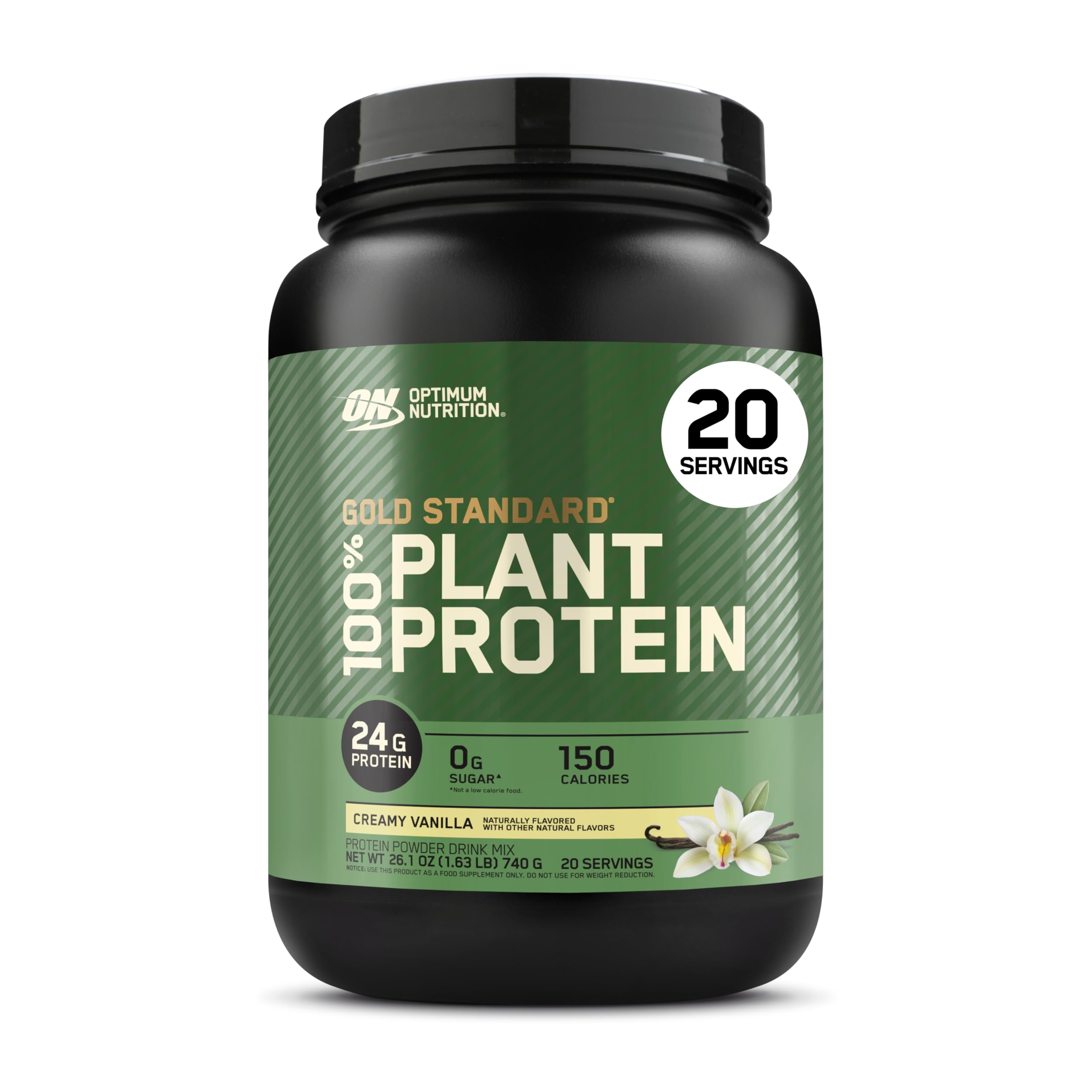
Optimum Nutrition brought the quality standards of their whey line to the plant-based world with this blend of pea, rice, and fava bean protein. Each serving delivers 24 grams of complete plant protein with all nine essential amino acids and zero grams of sugar. This is a rare plant blend that does not rely on heavy flavor masking — it tastes clean, not grassy or gritty.
The formula is gluten-free, vegan, and carries the same banned-substance testing that Optimum Nutrition is known for. This matters for a beginner because you get a reliable protein source without risking digestive discomfort from dairy. The blend is designed to mix well with a shaker bottle, though plant proteins naturally have a slightly grainier texture than whey isolates. A quick blend in a smoothie solves that completely.
At a 20-serving tub size, this is a premium option intended for extended daily use. The absence of sugar and artificial ingredients makes it a clean choice for morning shakes or post-workout recovery. Beginners switching from whey to plant will appreciate the smoother amino profile compared to single-source pea protein powders.
Why it’s great
- 24g complete plant protein with zero sugar
- Trusted brand testing for banned substances
- Triple-source blend covers all amino needs
Good to know
- Slightly grainier texture than whey
- Smaller container (20 servings)
5. Orgain Organic Vegan Protein Powder, Vanilla Bean
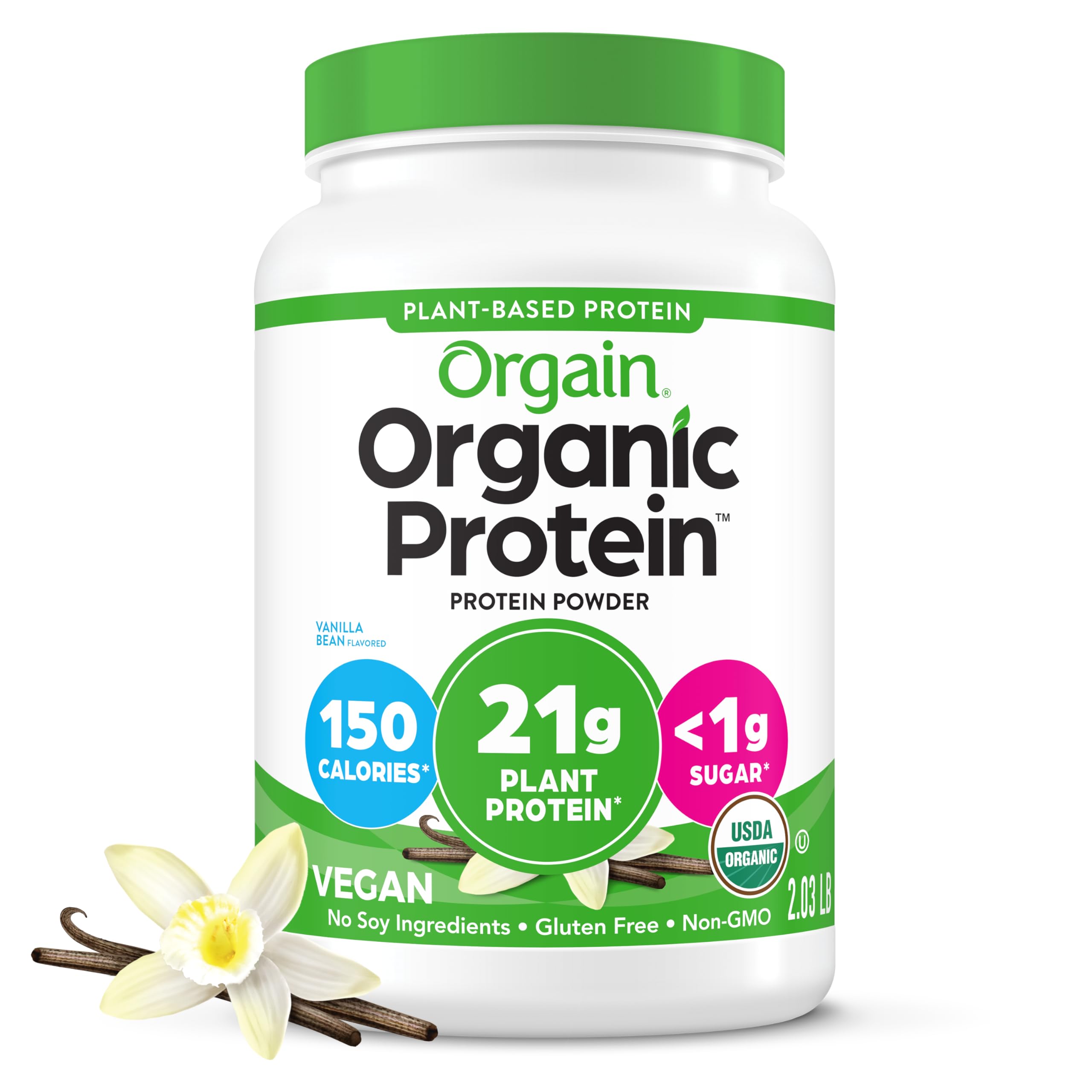
Orgain Organic Plant Protein combines 21 grams of protein from organic peas, brown rice, and chia seeds with 6 grams of prebiotic fiber for digestive support. This dual-function approach is ideal for beginners who experience bloating or irregularity with standard protein powders. The vanilla bean flavor is mild and versatile — it blends seamlessly into oatmeal, pancakes, or smoothies without dominating the taste.
The formula is certified USDA Organic, plant-based, and free from soy ingredients, gluten, carrageenan, artificial colors, flavors, and preservatives. It also contains no erythritol, which is a common digestive irritant found in many low-carb protein powders. The 2.05-pound tub provides roughly 30 servings depending on scoop size, and the protein blend covers the essential amino acid spectrum despite being a lower protein count per scoop compared to whey-based options.
Orgain targets a broader audience beyond gym performance — this powder works well as a meal replacement component or a nutrient boost for busy mornings. The 6 grams of fiber per serving is significant, so beginners should start with one scoop and increase water intake to let their digestive system adjust. The slightly lower protein-per-scoop count (21g versus the 24-25g standard) means you may want a larger serving if muscle gain is your primary goal.
Why it’s great
- Includes 6g prebiotic fiber for gut health
- USDA Organic and free from major allergens
- Mild vanilla flavor works in cooking and baking
Good to know
- 21g protein per scoop — lower than whey alternatives
- Fiber may cause adjustment bloat for sensitive users
6. Premier Protein Powder, Vanilla Milkshake

Premier Protein delivers 30 grams of whey protein per serving with only 1 gram of sugar and 150 calories, making it one of the most protein-dense, low-calorie options available. For a beginner focused on weight management or cutting, this ratio is hard to beat — you get high satiety without burning through your daily calorie budget. The vanilla milkshake flavor is sweet and creamy, designed to mimic a dessert rather than a chalky supplement.
The formula is made from 100% whey protein, gluten-free, and contains no soy ingredients. It mixes well with just water, though using milk creates a thicker, truly milkshake-like consistency. The 23.3-ounce tub yields 17 servings, which makes sense as a trial size before committing to a larger container. Premier Protein also markets this powder for baking — it holds up well in muffins, pancakes, and protein bars without turning rubbery.
Like many flavored whey powders, it uses artificial sweeteners (sucralose and acesulfame potassium) to achieve that dessert taste with negligible sugar. Beginners who prefer natural sweeteners should consider the trade-off. The 30g protein count is impressive, but note that it requires one heaping scoop to hit that number — using a level scoop yields closer to 25g.
Why it’s great
- 30g protein with only 1g sugar per serving
- Low calorie count supports weight management
- Versatile for baking and cooking
Good to know
- Uses artificial sweeteners
- 17 servings per tub — smaller trial size
7. Growing Naturals Raw Pea Protein Powder, Vanilla Blast

Growing Naturals Raw Pea Protein is about as clean as it gets — a single ingredient (raw pea protein) free from the top nine allergens including gluten, soy, dairy, corn, and lactose. For a beginner with multiple food sensitivities or a restrictive diet, this is the safest starting point. The vanilla blast flavor is subtle and natural, relying on the pea’s own character rather than heavy flavoring agents.
Pea protein is naturally rich in iron and all 20 amino acids, with a particularly high concentration of branched-chain amino acids (BCAAs) compared to other plant proteins. Each serving is low in carbs and sugar, making it suitable for keto and low-FODMAP diets. The 1-pound container is a modest 30 servings, ideal for someone who wants to test tolerance before buying a larger quantity. The powder mixes best with a blender rather than a shaker bottle due to its texture.
The trade-off for this purity is a specific pea protein taste and a slightly grittier mouthfeel than blended plant proteins. First-timers accustomed to sweet, creamy whey may find the flavor adjustment noticeable. Growing Naturals uses a chemical-free manufacturing process to isolate the protein without solvents, maintaining a 100% digestible score, but the texture requires a bolder palate or a frozen banana to smooth out completely.
Why it’s great
- Single-ingredient — free of top 9 allergens
- High BCAAs for a plant protein
- Chemical-free extraction process
Good to know
- Distinct pea flavor — not as neutral as blends
- Grainier texture requires blending
FAQ
How much protein should a beginner aim for per day?
Will protein powder make me gain weight as a beginner?
Why do I feel bloated after drinking a protein shake?
Can I use protein powder for meal replacement as a beginner?
Final Thoughts: The Verdict
For most users, the protein powder for beginners winner is the Optimum Nutrition Gold Standard 100% Whey because it combines proven quality, low-lactose whey isolate, and exceptional mixability into a trusted formula that works for new users. If you want full ingredient transparency and a premium whey concentrate, grab the NutraBio Classic Whey. And for a dairy-free, gut-friendly plant option, nothing beats the Orgain Organic Plant Protein with its prebiotic fiber support.