Between morning sickness, aversions to meat, and the constant hum of hunger, getting enough protein while pregnant can feel like a second job. The wrong protein drink leaves behind a chalky paste, a queasy stomach, or a label full of questionable fillers—none of that works when you’re eating for two.
I’m Mohammad Maruf — the founder and writer behind AirfryerBite. I’ve spent years tracking supplement manufacturing standards, ingredient sourcing, and third-party testing protocols to understand exactly what separates a trustworthy prenatal protein from a marketing label.
This guide walks through seven rigorously screened options to help you find the safest, most effective protein drink for pregnancy that fits your dietary needs and flavor tolerance.
How To Choose The Best Protein Drink For Pregnancy
Pregnancy changes the protein math dramatically—your body’s daily requirement jumps by roughly 25 grams to support fetal tissue growth, blood volume expansion, and placental development. The right protein drink delivers those grams without introducing contaminants, artificial sweeteners, or allergens that complicate an already sensitive digestive system.
Heavy Metal Screening Is Non-Negotiable
Many plant-based protein powders—especially those using rice, pea, or hemp as primary sources—accumulate lead, cadmium, and arsenic from the soil they’re grown in. A prenatal protein drink should carry third-party certification such as Informed Protein or a published heavy metal assay from an accredited lab. If a brand hides its testing results, assume the worst.
Choline And Folate: The Brain-Builders
Choline directly supports fetal neurodevelopment and the formation of the neural tube during the first trimester. Most generic protein powders contain zero choline. A pregnancy-specific formula should provide at least 100 mg per serving, and ideally closer to 250 mg. Folate (preferably as methylfolate rather than folic acid) should be present for mothers with MTHFR gene variants who cannot process synthetic folic acid.
Digestive Tolerance: Texture And Ingredients
Pregnancy amplifies food sensitivities. Protein drinks that rely on gums (xanthan gum, guar gum), sugar alcohols (erythritol, xylitol), or stevia often trigger bloating, gas, or nausea. A clean pregnancy protein uses minimal ingredients—ideally fewer than ten—and avoids common irritants like soy lecithin, artificial flavors, and carrageenan.
Quick Comparison
On smaller screens, swipe sideways to see the full table.
| Model | Category | Best For | Key Spec | Amazon |
|---|---|---|---|---|
| Ritual Prenatal Vegan Protein | Vegan Protein | Heavy metal safety & choline content | 20g pea protein + 250mg choline | Amazon |
| Pink Stork Pregnancy Protein | Whey + Collagen | Postpartum recovery with electrolytes | 20g whey + collagen + electrolytes | Amazon |
| Boobie Superfood Greens | Greens Powder | Nutrient-dense superfood variety | 35+ organic fruits & vegetables | Amazon |
| Pure Encapsulations PreNatal Nutrients | Prenatal Capsule | Comprehensive vitamin-mineral prenatal | 100mg choline + 27mg iron | Amazon |
| Mama Natural Multi Collagen | Collagen Peptides | Skin, hair, nail support during pregnancy | 6 types of collagen (I, II, III, IV, V, X) | Amazon |
| wellious Almond Protein | Vegan Protein | Gut-friendly, soy-free clean protein | 18g almond + chickpea protein | Amazon |
| Sprout Living Plant Protein | Vegan Protein | Unflavored versatility for cooking | 26g multi-source plant protein | Amazon |
In‑Depth Reviews
1. Ritual Prenatal Vegan Protein Powder

Ritual’s Essential Protein Daily Shake is the first pregnancy-specific plant protein to earn both Informed Sport Certification and Informed Protein Verification—meaning every batch gets screened for 250+ banned substances and heavy metals. That level of third-party rigor matters enormously when the stakes involve fetal neurodevelopment and maternal safety.
The formula delivers 20 grams of regeneratively farmed pea protein plus 250 mg of choline derived from nature-identical tartaric acid, supporting baby’s brain development and mom’s lean muscle maintenance simultaneously. With zero sugar, zero stevia, and no sugar alcohols, the vanilla flavor profile relies on monk fruit and natural vanilla bean layers that actually taste smooth rather than cloyingly sweet.
Users consistently report no chalky aftertaste—a rare feat for a dairy-free protein—and the powder integrates seamlessly into smoothies, yogurt, or even hot cereal. The scoop-less packaging (5 tablespoons per serving) reduces plastic waste by 22%. This is the reference standard for a traceable, pregnancy-safe protein drink.
Why it’s great
- Informed Sport Certified + heavy metal testing on every batch
- 250 mg choline per serving specifically targets fetal neurodevelopment
- Zero chalkiness, no stevia or sugar alcohols
Good to know
- Requires 5 tablespoons or 1/3 cup per serving—no scoop included
- Price sits at the premium end of the market
2. Pink Stork Pregnancy & Postpartum Protein Powder
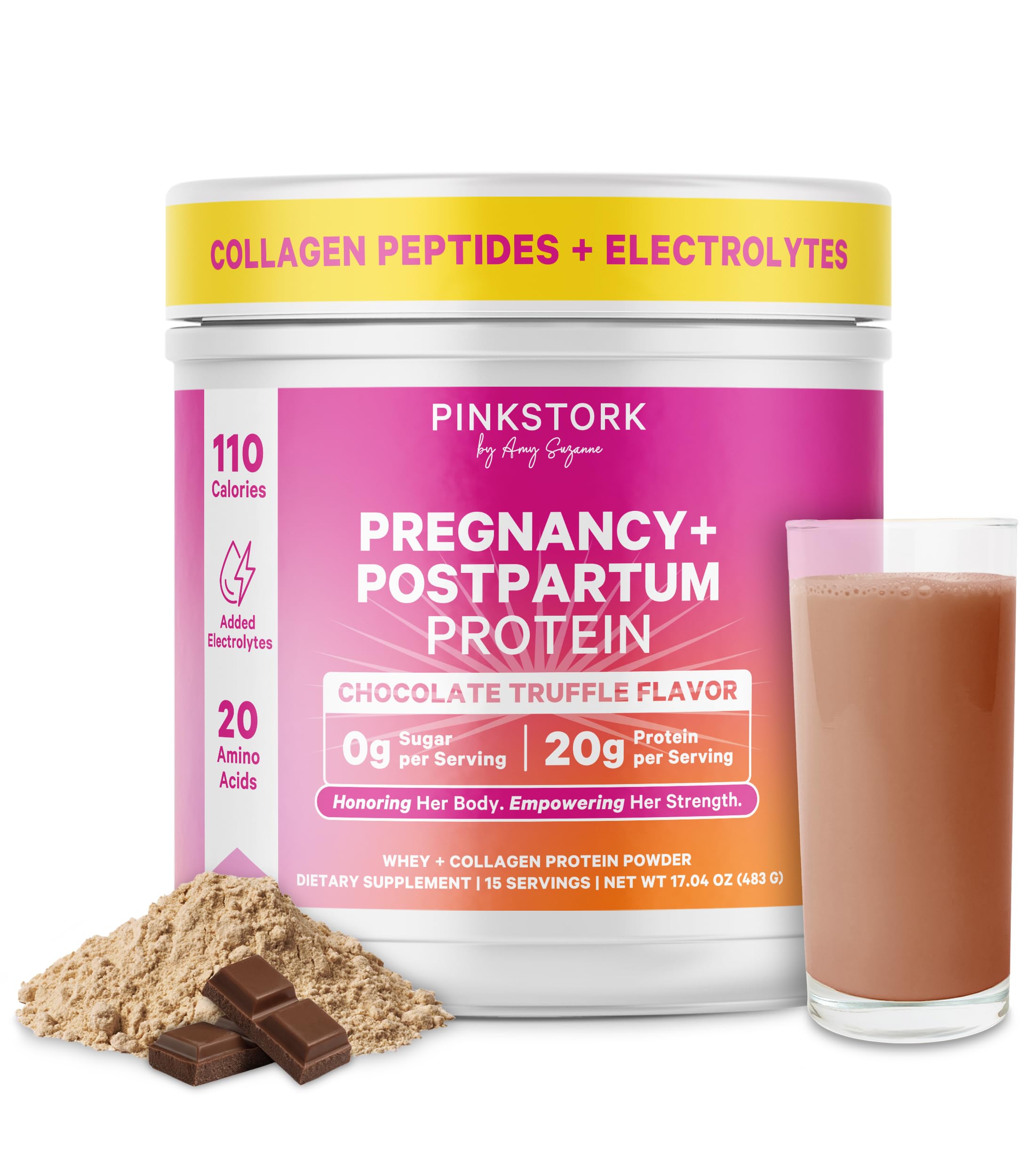
Pink Stork blends 20 grams of whey protein with bovine collagen and added electrolytes—a combination that targets two specific pregnancy challenges: maintaining adequate protein intake and replenishing hydration after delivery. The whey base provides a complete amino acid profile that plant proteins struggle to match, while the collagen adds types I and III for skin elasticity and joint support.
The chocolate flavor is formulated to mix instantly with water or milk without clumping, and users describe the taste as resembling a truffle rather than a chalky shake. The formula is non-GMO, gluten-free, and free from artificial flavors, which reduces the risk of triggering pregnancy-related food aversions. The brand is women-owned and integrates faith-guided values, which may resonate with or deter buyers depending on personal preference.
Several users specifically note that this powder helped manage morning sickness when they couldn’t stomach solid protein sources. The compact, low-dust packaging also prevents the powder-cloud problem common with bulkier tubs. If you tolerate dairy well, this is a powerful protein-plus-electrolyte tool for the third trimester and beyond.
Why it’s great
- 20g whey + collagen provides complete amino and structural support
- Electrolyte blend supports hydration and postpartum recovery
- Compact packaging minimizes powder dust and clumping
Good to know
- Whey protein is not suitable for vegan or dairy-sensitive mothers
- Slightly sweet flavor may not suit those who prefer unsweetened proteins
3. Boobie Pregnancy & Breastfeeding Superfood Greens Powder
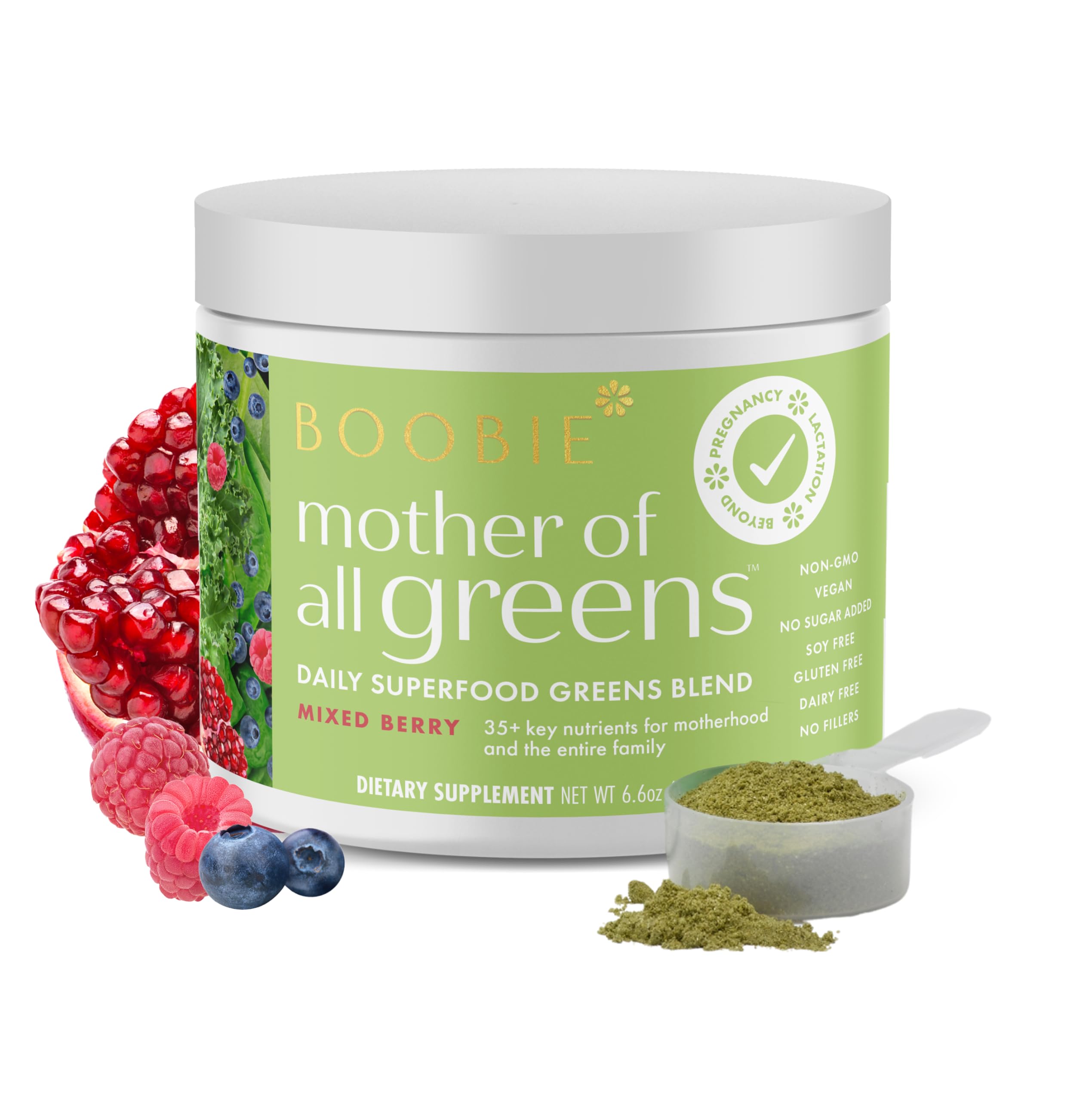
Boobie takes a greens-first approach rather than a protein-first approach—each serving packs 35+ organic fruits, vegetables, and superfoods including spirulina, kale, hemp protein, chia, and flaxseed. This makes it less of a pure protein drink and more of a nutrient-dense foundation that also contributes some plant protein via the hemp and chia content.
Formulated by a registered nurse and mom of three, this powder is explicitly designed for all stages of motherhood including pregnancy, postpartum, and family use. The mixed berry flavor aims to mask the earthy notes common to greens powders, and while some users find the texture slightly grainy at the bottom of the glass, most agree the taste beats the typical “dirt-in-a-glass” experience.
The vegan, gluten-free, non-GMO, and sugar-free profile makes it an excellent bridge for mothers who struggle to get enough vegetables during pregnancy. It pairs well with a higher-protein shake if additional protein grams are needed. The inclusion of hemp protein provides omega-3s, which support fetal brain and eye development.
Why it’s great
- 35+ organic superfoods provide micronutrient diversity
- Hemp protein adds omega-3 fatty acids for fetal development
- Safe for pregnancy, postpartum, and family use
Good to know
- Protein content is low—not a primary protein source
- Grainy texture near bottom of drink may irritate sensitive throats
4. Pure Encapsulations PreNatal Nutrients
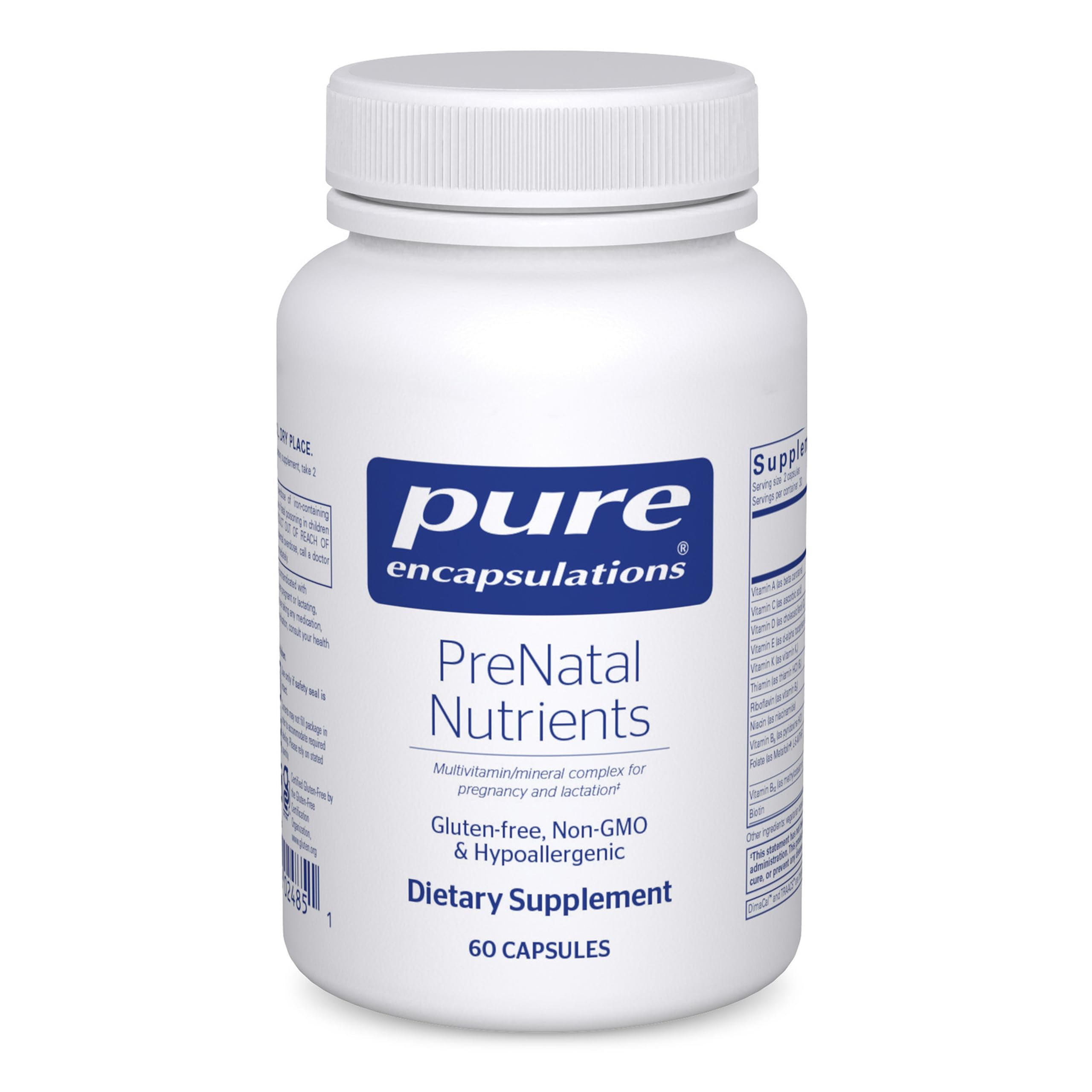
While not a protein drink in the traditional shake sense, Pure Encapsulations PreNatal Nutrients delivers the supporting nutritional framework that a pregnancy protein drink should complement. Each two-capsule serving provides 100 mg of choline, 27 mg of iron, 1 mg of Metafolin L-5-MTHF (the active form of folate), plus iodine, vitamins A and D—all critical cofactors for protein metabolism and fetal growth.
The brand’s manufacturing philosophy centers on what they leave out: no wheat, eggs, tree nuts, peanuts, gluten, artificial colors, flavors, sweeteners, coatings, shellacs, GMOs, or unnecessary binders, fillers, or preservatives. This is exactly the purity standard a pregnant mother needs from her foundational supplement stack.
Users consistently report zero stomach discomfort, easy swallowing, and no detectable taste. The Metafolin formulation is particularly valuable for women with MTHFR mutations who cannot efficiently convert folic acid. Pair this capsule with a standalone protein powder for a complete pregnancy nutrition system.
Why it’s great
- Metafolin L-5-MTHF for women with MTHFR mutations
- Free from all major allergens, GMOs, and artificial additives
- Easy on the stomach with no nausea reported
Good to know
- Capsule form—not a protein drink; must be paired with separate protein
- Pill count may be inconvenient for those who dislike multiple capsules
5. Mama Natural Multi Collagen Protein Powder
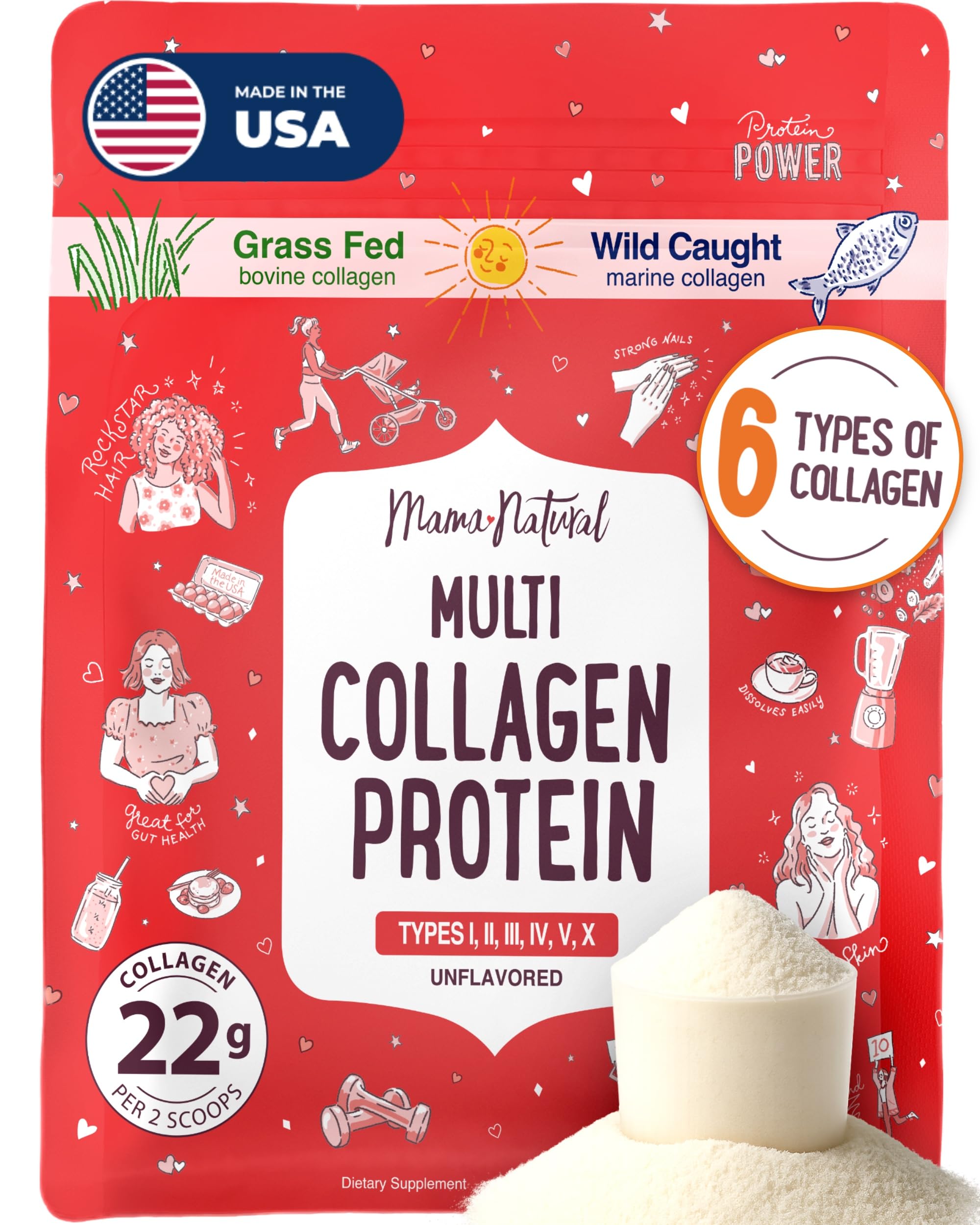
Mama Natural combines six types of collagen—types I, II, III, IV, V, and X—sourced from grass-fed bovine, wild fish, and USA eggshell membrane. No other pregnancy-safe collagen product on this list matches that structural breadth. The 100% hydrolyzed format dissolves instantly in hot or cold liquids with zero flavor or odor, making it invisible in coffee, tea, or water.
Collagen protein is not a complete protein source (it lacks tryptophan), but during pregnancy it serves a different role: supporting skin elasticity to reduce stretch marks, strengthening nails and hair, and cushioning joints that bear extra weight. The hydrolyzed peptides also support gut lining integrity, which matters when pregnancy hormones slow digestion.
Users report improved joint comfort, thicker hair, and easy morning mixing without clumping or bitter aftertaste. The unflavored format means you can add it to almost anything without altering the taste profile. For mothers focused on structural recovery rather than muscle protein synthesis, this is the superior choice.
Why it’s great
- Six collagen types provide whole-body structural support
- Dissolves instantly with zero taste or odor
- Grass-fed, wild-caught, and USA-sourced ingredients
Good to know
- Not a complete protein—lacks tryptophan for full amino profile
- Price per serving is higher than single-source collagen powders
6. wellious Almond Protein Powder (Vanilla)
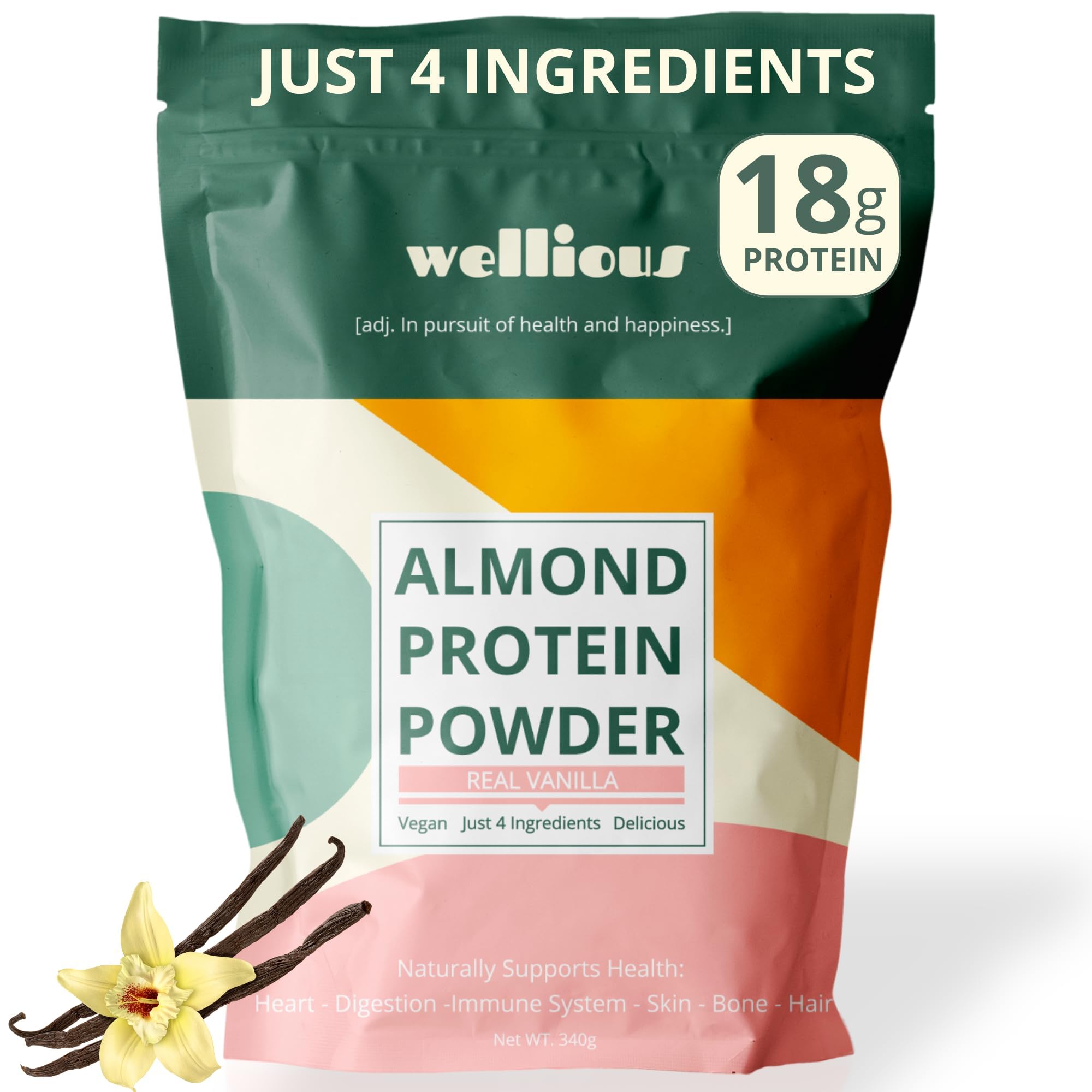
Wellious strips protein supplementation down to four real-food ingredients: almond protein, chickpea protein, monk fruit, and Madagascar vanilla beans. No gums, no lecithins, no artificial additives—just a short, readable label that a pregnant mother can trust without decoding industrial thickeners. The almond-chickpea blend delivers 18 grams of protein per serving.
The vanilla flavor is described as naturally sweet without being cloying, and the powder blends smoothly with minimal grit—a major advantage given that many plant proteins leave a chalky residue on the back of the throat. Users with SIBO and general digestive sensitivity consistently report no irritation, bloating, or cramping, which makes this a standout choice for pregnant women with IBS or IBS-like symptoms.
The keto-friendly, dairy-free, soy-free profile covers common elimination diets, and the fiber content from chickpea protein provides satiety that helps manage pregnancy hunger between meals. The only compromise is the 18-gram protein punch is lower than the 20-gram standard set by Ritual and Pink Stork, but the clean digestibility often makes up for the missing 2 grams.
Why it’s great
- Four-ingredient label—almond, chickpea, monk fruit, vanilla
- Exceptionally gentle on sensitive digestive systems
- Naturally sweet without stevia or sugar alcohols
Good to know
- 18g protein per serving—slightly below the 20g benchmark
- Higher price per gram than standard single-source plant proteins
7. Sprout Living Plant Based Protein & Superfoods Powder

Sprout Living delivers 26 grams of complete plant protein per serving—the highest count on this list—using a five-source blend of yellow pea, pumpkin seed, sunflower seed, chia seed, and cranberry seed. That amino acid diversity covers the full essential amino spectrum without relying on soy or whey, and the organic certification ensures no pesticide residues enter the equation.
The unflavored original formula has a subtly sweet undertone from the Jerusalem artichoke prebiotic fiber and cranberry seed, but it is not a taste that stands alone well in water. Most users find it performs best in smoothies, oatmeal, or baked goods where the earthy notes blend into other ingredients. The 2025 formula update replaced Sacha Inchi with chia seed, improving both taste and texture according to the manufacturer.
Third-party testing for purity and heavy metals adds a layer of safety, though some users find the texture leaves a residual film on teeth if not blended thoroughly. For the protein-per-gram value, this is unmatched among organic plant-based options, making it a strong choice for mothers who want a flexible, high-protein additive for cooking.
Why it’s great
- 26g protein per serving—highest count in this guide
- Five organic plant sources provide complete amino profile
- Unflavored and versatile for cooking and baking
Good to know
- Earthy taste does not work well in plain water
- Textural residue on teeth if not blended thoroughly
FAQ
Can I use a regular protein powder during pregnancy?
Is collagen protein safe during pregnancy?
How much protein do I need daily during pregnancy?
What sweeteners should I avoid in pregnancy protein drinks?
Why does choline matter more in the third trimester?
Final Thoughts: The Verdict
For most users, the protein drink for pregnancy winner is the Ritual Prenatal Vegan Protein Powder because it combines heavy metal testing, 250 mg of choline, and zero-chalk smoothness in a plant-based formula designed specifically for pregnancy and postpartum. If you want whey protein with electrolyte support for recovery, grab the Pink Stork Pregnancy Protein. And for mothers seeking a gut-friendly, ultra-clean label with only four ingredients, nothing beats the wellious Almond Protein Powder.