The line between your morning coffee and your post-workout shake has officially dissolved. Protein coffee powder isn’t a blend of two ingredients dumped into a mug—it’s a precise category of ready-to-drink and mixable formulas engineered to deliver a fast-absorbing protein dose alongside a measured caffeine hit, without the chalky texture or milky heaviness of a traditional shake.
I’m Mohammad Maruf — the founder and writer behind AirfryerBite. I’ve spent years analyzing the intersection of functional nutrition and kitchen convenience, breaking down the specs that actually matter for busy adults who refuse to choose between muscle recovery and a morning caffeine ritual. This guide focuses on ready-to-drink bottles and powders that are specifically built for the protein coffee powder category, filtering out generic shake mixes that merely claim to pair well with coffee.
The best protein coffee powder delivers a precise macro profile, a clean ingredient deck, and a caffeine dose that actually registers—without turning into a gritty, cloying mess. This guide evaluates five products that treat protein and caffeine as co-pilots, not afterthoughts.
How To Choose The Best Protein Coffee Powder
Protein coffee is not a one-size-fits-all category. A product that works for a keto dieter at noon will feel cloying and under-caffeinated for a morning lifter. You need to evaluate three core dimensions: the protein source, the caffeine dose and delivery, and the sweetener profile.
Protein Source and Digestive Tolerance
Whey isolate is the gold standard for clear, low- sugar liquid formats because it mixes without clumps and absorbs rapidly. Ultrafiltered milk concentrates retain more of the natural milk protein while stripping out lactose sugars, making them a strong middle ground for those with mild sensitivity. Plant-based blends (pea, brown rice, chia) are inherently vegan but often require more aggressive sweetening to mask the earthy undertones and typically mix best in a shaker, not a ready-to-drink bottle.
Caffeine Dosage and the L-Theanine Buffer
The caffeine range in this category runs from 125mg to 200mg per serving—roughly one to two cups of standard coffee. Products on the higher end (175mg and above) are closer to a pre-workout jolt. The presence of L-theanine, an amino acid that smooths out caffeine’s sharp edge without reducing alertness, is a quality indicator you should actively look for. It means the brand isn’t just dumping stimulants into a bottle.
Sweetener Strategy and Aftertaste Management
Sucralose is the most common sweetener in this space, but it leaves a lingering artificial tail that clashes with coffee’s natural bitterness. Stevia and monk fruit are cleaner alternatives, though they can carry their own herbal notes. A truly great protein coffee uses a monk fruit-stevia blend to hit sweetness without a chemical finish. If a product relies solely on sugar alcohols or high sucralose doses, the aftertaste will overwhelm the coffee flavor.
Quick Comparison
On smaller screens, swipe sideways to see the full table.
| Model | Category | Best For | Key Spec | Amazon |
|---|---|---|---|---|
| Slate Milk Mocha Latte | Ready-to-Drink | Balanced protein & caffeine | 20g protein, 175mg caffeine | Amazon |
| Premier Protein Plus Fiber Vanilla | Powder | Gut health & versatility | 25g protein, 7g prebiotic fiber | Amazon |
| Quest Nutrition Mocha Latte | Ready-to-Drink | High caffeine kick | 10g protein, 200mg caffeine | Amazon |
| Protein2o Cotton Candy | Ready-to-Drink | Light, refreshing hydration | 15g whey isolate, 125mg caffeine | Amazon |
| Orgain Vegan Vanilla Bean | Powder | Vegan & organic diet | 21g plant protein, 6g fiber | Amazon |
In‑Depth Reviews
1. Slate Milk High Protein Iced Coffee – Mocha Latte
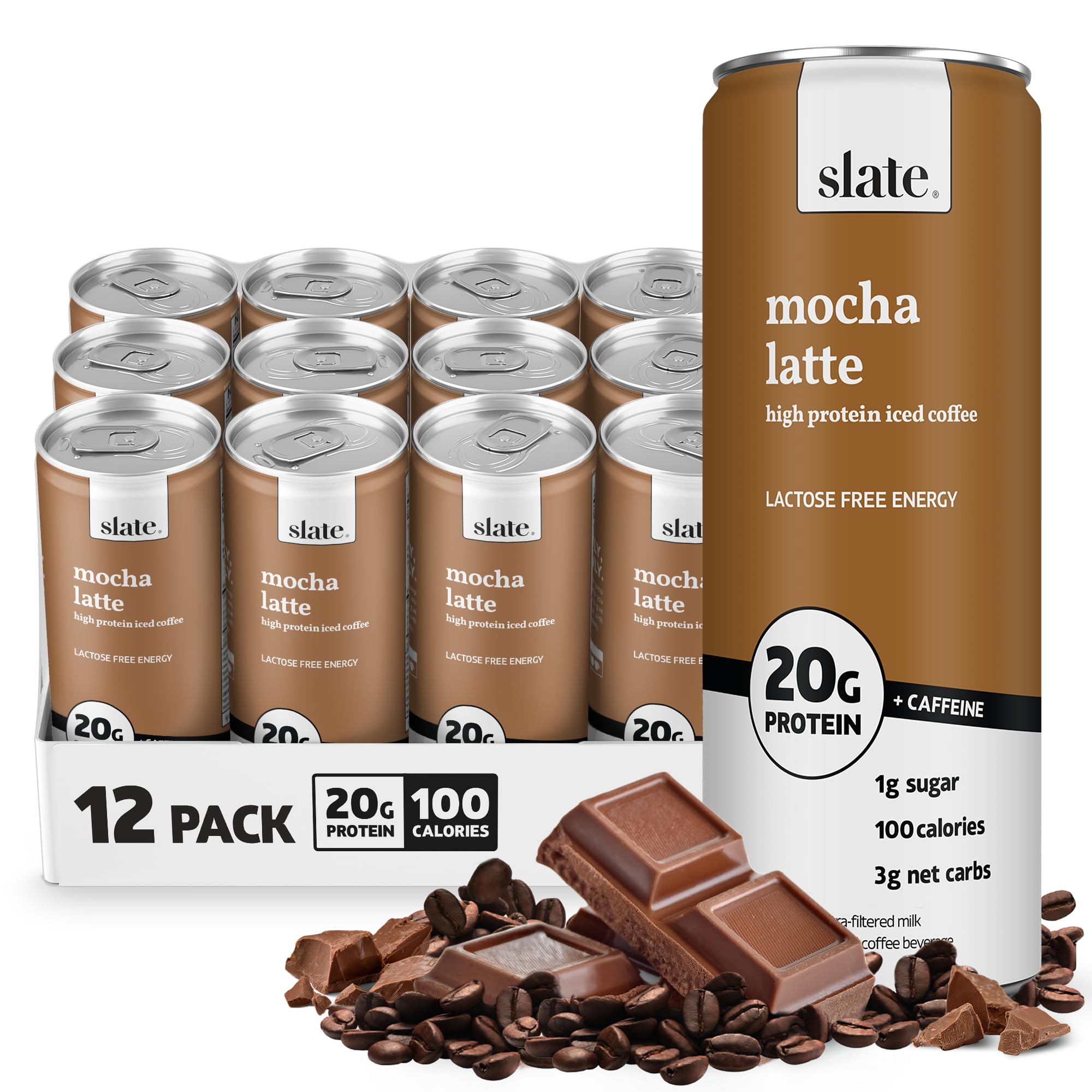
Slate Milk cracks the code that most hybrid drinks miss: the protein-to-caffeine ratio feels intentional, not accidental. At 20g of protein and 175mg of caffeine per 11-ounce can, you get a genuine coffee kick without the jittery drop-off, thanks to the ultrafiltration process that removes lactose sugars while concentrating the milk proteins. The mocha flavor is chocolatey but clean—no artificial burn on the finish.
The texture is where Slate separates from the pack. Because the milk is ultrafiltered rather than reconstituted from isolates, the mouthfeel is closer to a real iced latte than a protein shake pretending to be one. At only 100 calories and 3g net carbs per serving, it fits comfortably within keto macros. The shelf-stable packaging means you can stash a case in your car or office without refrigeration anxiety.
Customer feedback consistently highlights the smoothness and lack of stomach irritation, which is rare for a product that delivers this much protein in liquid form. The only trade-off is the monk fruit sweetener—it’s subtle, but if you are hyper-sensitive to any herbal sweetness, the aftertaste may nudge you. For most daily drinkers, this is the cleanest, most functional protein coffee on the market right now.
Why it’s great
- Ultrafiltered milk delivers genuine latte texture, not chalky shake consistency
- 20g protein and 175mg caffeine in just 100 calories with 3g net carbs
- Monk fruit and stevia blend avoids the chemical aftertaste of sucralose-heavy drinks
Good to know
- Mocha flavor leans sweet; dark roast purists may prefer a less chocolate-forward option
- Shelf-stable but best served chilled to fully appreciate the texture
2. Premier Protein Powder Plus Fiber, Vanilla
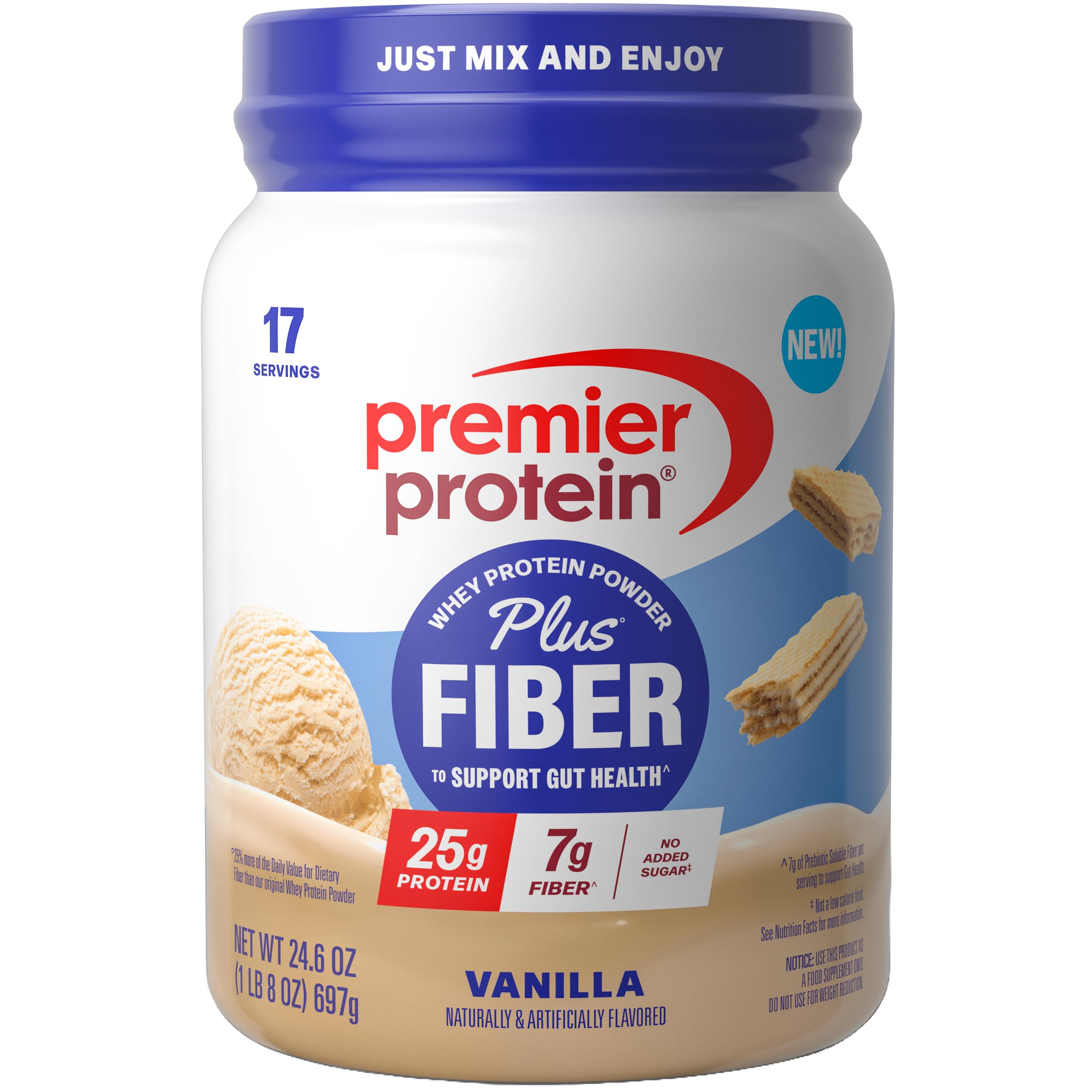
Premier Protein took its award-winning vanilla whey and layered in 7g of prebiotic fiber, creating a powder that doubles as a gut health tool. This is not a ready-to-drink product—you mix it with water, milk, or your hot or cold coffee. The real draw is the versatility. Customers report using it as a coffee creamer, a smoothie base, and even a dry sprinkle on fruit, which speaks to the powder’s neutral, non-chalky profile.
The 25g of protein per scoop is among the highest in this lineup, and the absence of added sugar keeps the glycemic load low. The fiber blend—three types of prebiotic fiber—nourishes gut bacteria without the bloating some fiber supplements cause. It mixes smoothly with an immersion blender or a vigorous shaker; straight stirring into hot coffee will leave small clumps unless you use a frother.
Where this product truly shines is its adaptability. You can dial in the exact caffeine level by controlling how much coffee you mix it with, unlike a fixed-dose can. The downside is that the vanilla flavor is pleasant but not complex—it won’t elevate a single-origin pour-over, but it will make a standard drip coffee taste like a café vanilla latte. If you want a product that does double duty as a meal replacement base and a coffee enhancer, this is the play.
Why it’s great
- 25g protein plus 7g prebiotic fiber supports muscle recovery and gut health simultaneously
- No added sugar and mixes cleanly into hot or cold coffee without separating
- Winner of American Masters of Taste Gold Medal for flavor quality
Good to know
- Uses artificial sweeteners (sucralose) which some find overly sweet in coffee
- Not a third-party tested product; relies on manufacturer quality control
3. Quest Nutrition Iced Coffee, Mocha Latte

Quest’s entry into protein coffee focuses on a single dominant metric: caffeine density. At 200mg per 10-ounce bottle, this is the highest stimulant dose in the group, paired with 10g of protein and just 1g of sugar. The mocha latte flavor is deliberately rich and slightly chocolate-forward, designed to satisfy a sweet craving without the sugar crash. Customers who dislike the typical chalkiness of protein drinks consistently praise this product for its smooth, thick mouthfeel.
The protein count (10g) is lower than Slate’s or Premier’s, which makes this more of a caffeine vehicle with a protein bonus rather than a meal replacement. That is not a flaw—it positions the Quest drink perfectly for the person who needs a fast jolt before a workout or a mid-afternoon pick-me-up, not a full nutrition block. The addition of 125mg of L-theanine is a smart buffer that rounds off the caffeine sharpness, a detail many competitors in this category skip.
The main friction point is sweetness level. Multiple customer reviews note that the sucralose sweetening is aggressive, to the point where the mocha and milk flavors dominate and the coffee character gets pushed to the background. If you prefer a bolder, more bitter coffee taste, this will taste more like chocolate milk with a caffeine kick. For the sweet-tooth crowd, it hits perfectly.
Why it’s great
- 200mg caffeine from real coffee with 125mg L-theanine for smooth, jitter-free energy
- Thick, indulgent texture without the chalky protein residue common in the category
- Only 1g of sugar and 90 calories per bottle, making it macro-friendly for any diet
Good to know
- Sucralose sweetness overwhelms the coffee flavor; not ideal for black coffee fans
- 10g protein is lower than competing products; better suited as a pre-workout than a meal
4. Protein2o 15g Whey Protein Isolate Hydration Drink Plus Energy
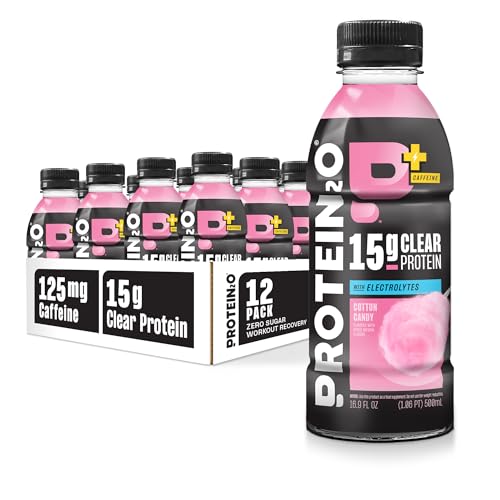
Protein2o takes a fundamentally different approach: it’s a clear protein water, not a creamy latte. This is the only product in the roundup that uses fully hydrolyzed whey isolate, resulting in a translucent, fruit-flavored drink that looks and feels more like a sports beverage than a protein shake. The cotton candy flavor is polarizing—customers either love the nostalgic sweetness or find it too sugary—but the functional delivery is undeniable. 15g of fast-absorbing protein with 125mg of caffeine and 350mg of electrolytes.
The absence of milk solids means zero lactose, zero sugar, and only 70 calories per bottle. That makes it the lightest option in this group, ideal for people who cannot stomach heavy dairy-based drinks before or during exercise. The 250mg of L-theanine buffers the caffeine nicely, and the electrolyte blend supports hydration in a way that the milk-based competitors simply cannot match. It’s built for a different use case—think post-run hydration with a protein bonus rather than a coffee replacement.
The trade-off is flavor delivery. The cotton candy profile is fun but gimmicky for a daily coffee drinker. If you want a protein drink that tastes like coffee, this is not it. But if you want a caffeinated protein beverage that doubles as a hydration tool and sits easily in a hot gym bag, this is the most functional choice. The chalky aftertaste is present but minimal compared to other clear protein drinks, especially when served chilled.
Why it’s great
- Clear whey isolate mixes into a transparent drink with no milky texture or heavy feeling
- 350mg electrolytes plus 125mg caffeine with L-theanine for active hydration and focus
- Zero sugar and only 70 calories, fitting strict keto and low-carb regimens
Good to know
- Cotton candy flavor is love-it-or-hate-it; not a coffee replacement in taste
- 15g protein is moderate compared to higher-density options in the category
5. Orgain Organic Vegan Protein Powder, Vanilla Bean
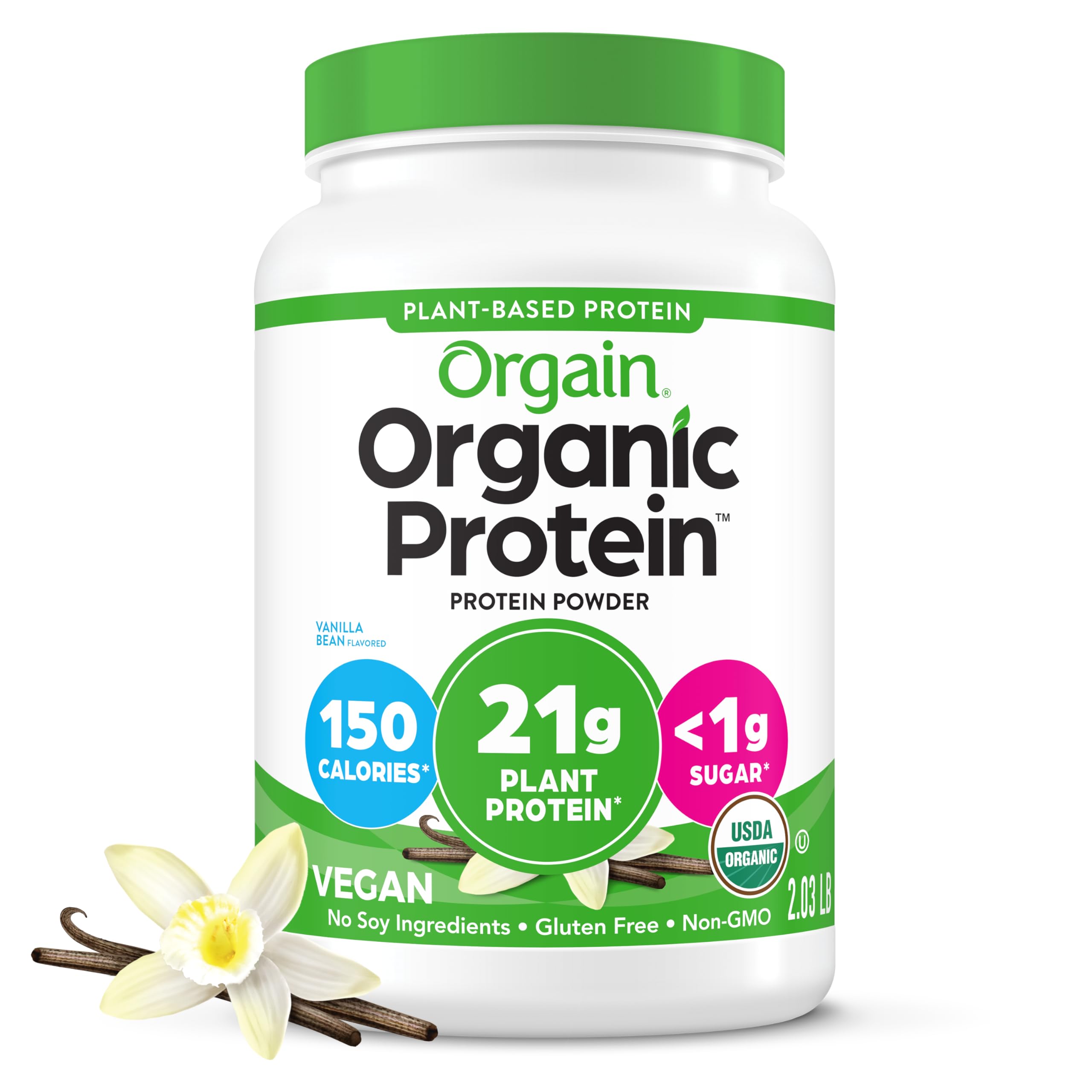
Orgain’s vanilla bean powder is the sole plant-based entry in this group, and it occupies a specific niche: the vegan or dairy-sensitive user who needs a clean organic protein to mix into their coffee. The protein blend—pea, brown rice, and chia seeds—delivers all nine essential amino acids with 21g of protein per serving, plus 6g of prebiotic fiber. It is USDA Organic, Non-GMO, and free of soy, gluten, and any artificial ingredients.
Texture is the defining challenge for any plant powder, and Orgain handles it better than most. When blended (not stirred) into coffee or a smoothie, it integrates without the grittiness that plagues lower-cost vegan blends. The vanilla bean flavor is naturally sweet and mild, which means it won’t clash with a medium-roast coffee. However, customers note an inherent earthy undertone that is characteristic of pea protein—it is subtle but unmistakable if you are accustomed to whey.
The lack of added sugar and the presence of chia-derived fiber make this a solid choice for gut-conscious drinkers who want a morning protein boost without dairy bloat. The powder is also versatile enough to use in oatmeal, baked goods, and overnight oats, which extends its utility beyond coffee. The main caveat is that it requires a blender for a truly smooth result—shaker cups leave micro-clumps. If you are vegan or prefer organic, this is the only product in the guide that fits without compromise.
Why it’s great
- USDA Organic plant blend with complete amino acid profile and no soy or gluten
- 6g of prebiotic fiber supports digestion without the bloat common in fiber additives
- No artificial sweeteners, colors, or preservatives; vanilla bean flavor is clean and mild
Good to know
- Earthy pea protein undertone is noticeable; best when blended, not stirred
- Contains no caffeine—you supply your own coffee, so the protein-to-caffeine ratio is DIY
FAQ
Can I mix a standard protein powder into my coffee instead of buying a specialized product?
Why do some protein coffee drinks use sucralose instead of sugar or stevia?
Does protein coffee powder require refrigeration after opening?
Final Thoughts: The Verdict
For most users, the protein coffee powder winner is the Slate Milk Mocha Latte because it delivers the highest protein-to-calorie efficiency (20g at 100 calories) with a genuine latte texture and a well-buffered 175mg caffeine dose. If you want the flexibility to control your own caffeine level while adding gut-supporting fiber, grab the Premier Protein Plus Fiber Vanilla. And for a vegan option that prioritizes organic certification and digestive comfort, nothing beats the Orgain Organic Vegan Vanilla Bean.