Finding a protein bar that actually tastes good without listing more chemicals than a science textbook is the real struggle. Most bars either deliver a dense, chalky mouthful that requires a glass of water per bite, or they hide behind artificial sweeteners that leave a metallic aftertaste. The right bar should feel like a treat, fuel your muscles, and keep you full long enough to make it to your next meal.
I’m Mohammad Maruf — the founder and writer behind AirfryerBite. I’ve spent years digging through nutrition labels, comparing macronutrient profiles, and researching how ingredient sourcing directly affects both taste and satiety in portable meal replacements.
The key is knowing which specs actually matter for your lifestyle. This guide breaks down the best options by protein count, sugar content, fiber density, and ingredient transparency so you can find the best protein bars for your specific needs without wasting money on overpriced candy bars masquerading as health food.
How To Choose The Best Protein Bars
The nutritional profile of a protein bar varies wildly between brands. To avoid buying a glorified candy bar, break down three critical factors that separate a useful bar from a marketing trap.
Protein-to-Calorie Density
The ratio of protein grams to total calories tells you the efficiency of the bar. A bar offering 20g of protein for around 200-220 calories sits in the sweet spot. Bars that deliver under 10g of protein while packing 300 calories are essentially sweets with a dusting of protein powder.
Sugar Content and Sweetener Source
Many bars hide high glycemic sugars under names like tapioca syrup or brown rice syrup. Look for bars with less than 5g of added sugar or sweetened with stevia, monk fruit, or allulose. Avoid maltitol, a sugar alcohol shown to spike blood sugar nearly as much as table sugar in some individuals.
Texture and Ingredient Transparency
The mouthfeel of a protein bar often dictates whether you finish the box. Some proteins, like collagen or hydrolysates, create a smooth consistency, while soy or pea protein concentrates can leave a gummy or dry residue. Brands that list a short ingredient list with recognizable whole foods (oats, nuts, egg whites, dates) usually deliver a better bite.
Quick Comparison
On smaller screens, swipe sideways to see the full table.
| Model | Category | Best For | Key Spec | Amazon |
|---|---|---|---|---|
| Quest Overload Cookie Commotion | Low Sugar | Keto & macro tracking | 1g sugar, 20g protein | Amazon |
| RXBAR Variety Pack | Clean Label | Whole-food ingredient purists | Egg white protein base | Amazon |
| Promax Chocolate Chip Cookie Dough | High Protein | Pre/post workout fuel | 20g protein, gluten free | Amazon |
| PROBAR Meal Superfood Slam | Whole Food | Active outdoor meal replacement | 360 cal, 9g plant protein | Amazon |
| Special K Meal Bar Chocolate Peanut Butter | Budget Friendly | Everyday snack or light breakfast | 12g protein, 18 count | Amazon |
In‑Depth Reviews
1. Quest Overload Cookie Commotion
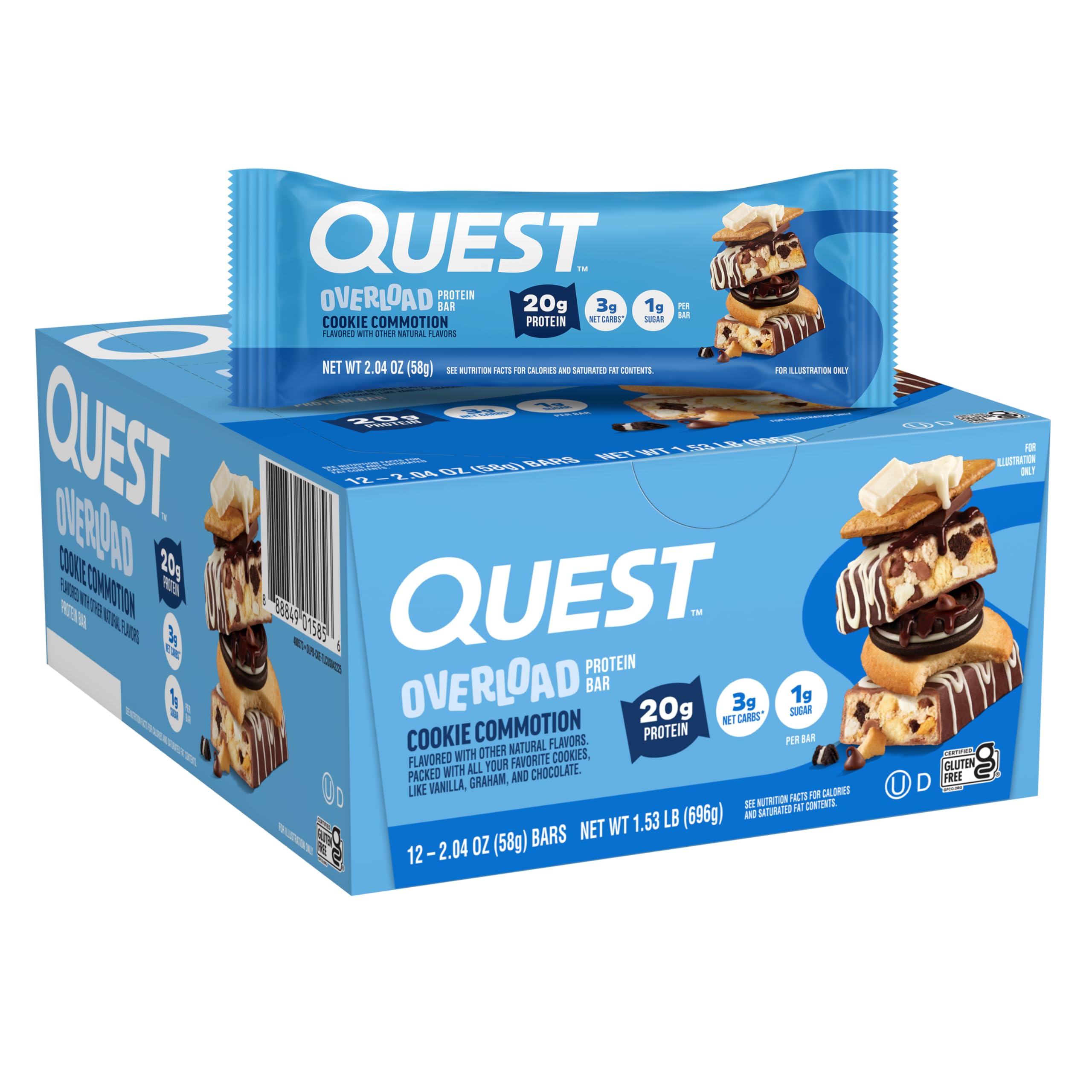
The Quest Overload line redefines what a low-sugar protein bar can feel like in the mouth. The Cookie Commotion flavor delivers a layered texture with crunchy graham pieces, white chocolate chunks, and a soft interior that never turns into the brick-like density typical of many high-protein bars. This bar lands at 20g of protein with only 1g of sugar and 3g of net carbs per serving, making it a strong candidate for anyone tracking macros toward a ketogenic or low-glycemic target.
What makes this bar stand out is the absence of a protein aftertaste. Many users point to the “crispy treat” mouthfeel that blends the chew of a baked bar with the snap of a rice-based snack. The ingredient deck avoids maltitol and uses soluble corn fiber as the primary fiber source, which supports digestive tolerance better than polyols in some individuals. At roughly 2.04 ounces per bar, the serving size feels generous enough to curb hunger between meals.
For athletes, commuters, or desk workers who need a clean macro split without the sugar crash, this bar delivers precision. The 12-count carton keeps well in a pantry or gym bag, though the bar can soften in warmer climates. It pairs well with coffee or as a straight replacement for a sweet snack craving when you want the candy bar experience without the metabolic cost.
Why it’s great
- Only 1g sugar with 20g complete protein
- Crunchy, layered texture avoids chalkiness
- No maltitol or artificial sweeteners
Good to know
- Higher cost per bar than standard options
- May soften in heat; best stored cool
2. RXBAR Protein Bars Variety Pack
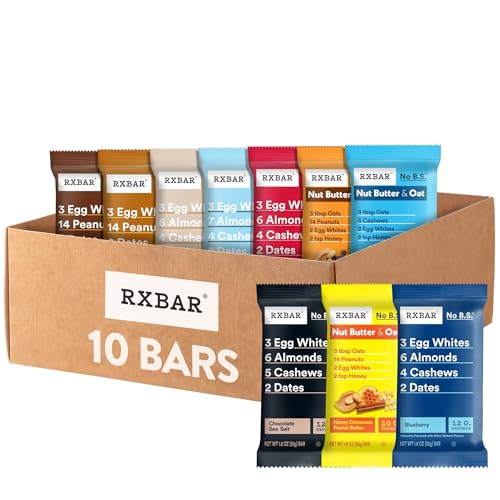
RXBAR has carved a loyal following by putting the ingredient list front and center on the wrapper, literally. The variety pack includes seven classic RXBARs and three Nut Butter and Oat bars, covering flavors like Peanut Butter Chocolate, Blueberry, and Chocolate Sea Salt. The protein base comes from egg whites, which creates a dense, chewy texture that divides opinions — you either love the substantial bite or find it a little heavy compared to whey-based bars.
Each standard bar delivers around 12g of protein with no added sugar, relying on dates as the primary binder and sweetener. This natural approach keeps the glycemic load lower than bars sweetened with syrups or crystalline fructose. The Nut Butter and Oat versions in this pack introduce a softer, more oats-forward texture with a nut butter layer that adds richness without going overboard on sugar. For users who prioritize clean labels over pure protein density, this variety set removes the guesswork of flavor fatigue.
The real strength here is ingredient transparency. You can count the total ingredients on one hand, and you’ll recognize every single one. That makes this a solid choice for families, hikers, or anyone who wants to avoid gums, lecithins, and isolated protein fractions. The downside is the lower protein count compared to competitors, so serious lifters or those looking for a high-protein snack may need to eat two bars to hit their target.
Why it’s great
- Short, recognizable ingredient list
- No added sugar, sweetened with dates
- Variety pack prevents flavor boredom
Good to know
- Only 12g protein per bar
- Texture can be dense and very chewy
3. Promax Chocolate Chip Cookie Dough

Promax hits a nostalgic note with its Chocolate Chip Cookie Dough bar, which features an indulgent nougat center studded with chocolate chips. At 20g of protein per bar, this is a solid option for active lifestyles where you need a reliable post-workout window or a pre-activity carbohydrate boost. The bar is certified gluten-free and contains no artificial ingredients, no high fructose corn syrup, no gelatin, and no maltitol, which sets a high bar for the clean ingredient movement.
The texture, however, is where opinions split. Several users report the bar leans dry, requiring water to get through comfortably. The sticky throat feel after eating is a common note, which may be related to the protein blend used. That said, the flavor profile is strong enough that many buyers call it the best tasting Promax flavor, especially the Cookie Dough variant over Double Chocolate Fudge. The carbohydrate and protein blend is formulated to defend muscle tissue during activity and to replenish glycogen afterward.
For those who can handle a drier texture, this bar delivers a solid 20g dose of complete protein with 18 vitamins and minerals. It works well as a meal replacement when you have access to water, or as a hike snack where calorie density matters more than mouthfeel. The 12-count box is priced competitively, falling into the mid-range bracket that yields a reasonable cost per gram of protein.
Why it’s great
- 20g protein with added vitamins and minerals
- No artificial ingredients or maltitol
- Great flavor, especially chocolate chip cookie dough
Good to know
- Texture can be very dry for some
- Higher in sugar compared to low-carb options
4. PROBAR Meal Superfood Slam
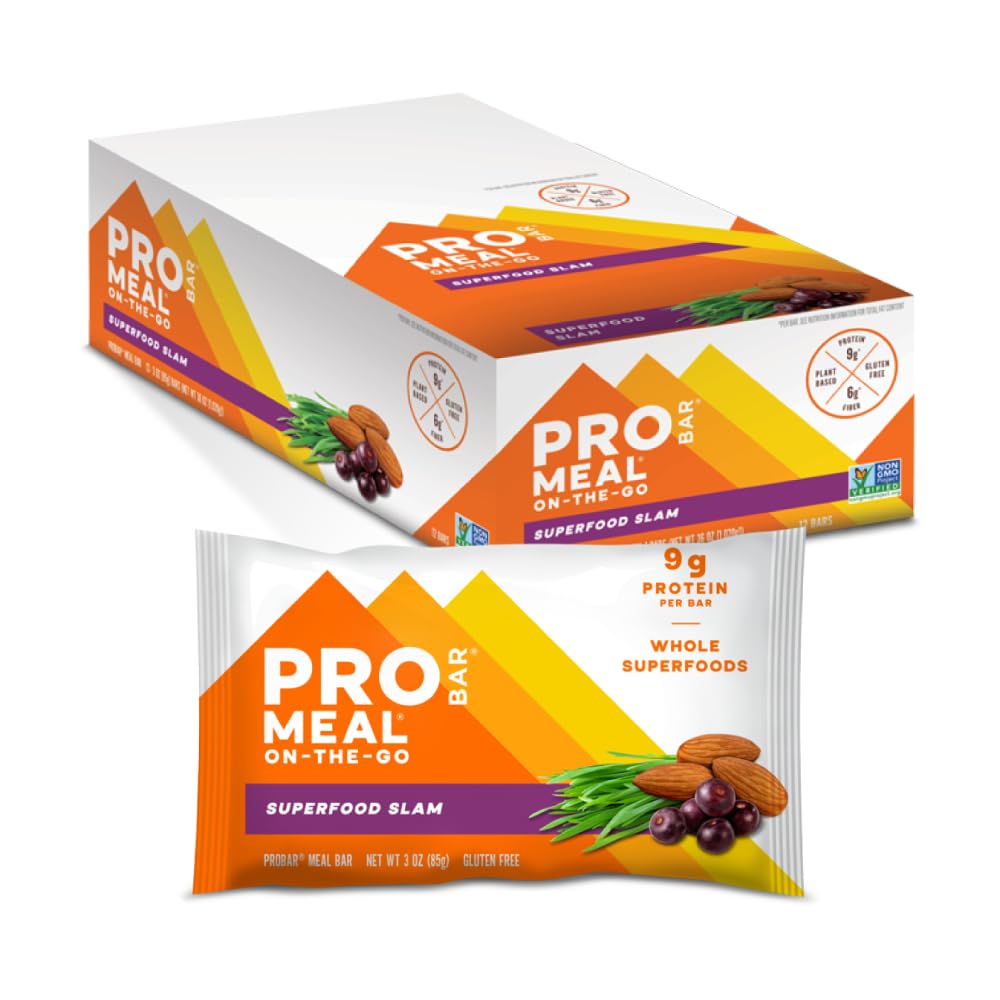
PROBAR takes a different philosophy entirely. Rather than isolating protein into a bar, the Meal bar line builds a whole-food package with organic oats, nuts, seeds, and dried fruits. The Superfood Slam flavor packs 360 calories with 9g of plant-based protein and 6g of fiber, making it a genuine meal replacement rather than a high-protein snack. This is not a bar you eat for the protein numbers — it’s a bar you eat because you need sustained energy for hours of hiking, cycling, or kayaking.
The texture is moist and chewy, closer to a dense granola bar than a protein brick. Users consistently note that even half a bar provides a noticeable energy boost without the jittery feeling of caffeine-based energy products. The ingredient list is non-GMO, gluten-free, and soy-free, which opens the door for those with soy sensitivities. However, the protein content is lower than many competitors, and some users report inconsistency in moisture between batches — occasional boxes arrive drier than usual.
For vegans, vegetarians, or anyone who prefers to avoid whey and soy isolates, the PROBAR Meal is a standout. The calorie-to-satiety ratio is excellent, and the whole-food fat profile (from nuts and seeds) supports stable blood sugar during prolonged physical activity. Just understand that this is a meal, not a protein supplement. If you need 20g of protein in a low-calorie package, look elsewhere. If you need a portable lunch that tastes like real food, this is a top contender.
Why it’s great
- Real whole-food ingredients with no isolates
- 360 calories with 6g fiber for lasting energy
- Non-GMO, gluten-free, and soy-free
Good to know
- Only 9g protein per bar
- Batch moisture can be inconsistent
5. Special K Meal Bar Chocolate Peanut Butter

The Special K Meal Bar in Chocolate Peanut Butter fills a specific niche: a low-cost, widely available bar that tastes more like a candy bar than most health-focused alternatives. Each bar contains 12g of protein and comes in a bulk pack of 18 individually wrapped bars across three boxes. The flavor profile is driven by a chocolatey coating and a creamy peanut butter interior, which reviewers consistently call addictive — some even report needing to limit themselves because the bars taste too good.
At 12g of protein, this bar sits at the lower end of the protein density scale, but the calorie count aligns with a light meal replacement rather than a pure protein supplement. The ingredient list includes soy, peanut, milk, almond, and wheat, so this is not suitable for those with multiple food allergies. The saturated fat content of 4.5g per serving comes primarily from the chocolate coating, which adds to the dessert-like profile. For someone who simply needs a portable snack to avoid vending machine temptation, this bar works without pretension.
The real value here is the sheer count and cost per bar. This is the most budget-friendly option among the five, and the 18-bar quantity means you can stash them in desks, cars, and bags without worrying about running out. The trade-off is lower satiety compared to the high-protein or high-fiber options, and the sugar content is higher than the keto-friendly bars. But for casual protein supplementation or an afternoon pick-me-up, the Special K bar delivers exactly what it promises: a tasty, accessible snack with a modest protein bump.
Why it’s great
- Very affordable per-bar cost in 18-count
- Rich chocolate and peanut butter taste
- Convenient individually wrapped packs
Good to know
- Only 12g protein per bar
- Higher in sugar and sat fat than other options
FAQ
Are protein bars with 20g of protein better than bars with 12g?
Why do some protein bars have a chalky or gritty texture?
Can I replace a full meal with a protein bar every day?
Final Thoughts: The Verdict
For most users, the best protein bars winner is the Quest Overload Cookie Commotion because it balances a phenomenal texture with 20g of protein and only 1g of sugar, making it suitable for keto, low-carb, and macro-conscious eaters alike. If you want a label you can read without a chemistry degree, grab the RXBAR Variety Pack. And for long outdoor days where you need real food calories and sustained energy, nothing beats the PROBAR Meal Superfood Slam.