The difference between a strong finish and a wall you can’t climb often comes down to what you ate an hour before the run. Protein bars for runners need to deliver a specific balance: enough protein for muscle repair, enough carbs for sustained energy, and a texture that won’t turn into a sticky brick in your stomach while you’re pounding pavement. The wrong bar sits heavy, causes cramps, or leaves you hungry mid-mile.
I’m Mohammad Maruf — the founder and writer behind AirfryerBite. I’ve spent years analyzing nutritional hardware and ingredient profiles to separate the bars that actually fuel performance from those that are just candy in a wrapper.
This guide breaks down five of the best options on the market, each chosen for its specific ability to support a runner’s energy demands and recovery needs. Whether you need a pre-run boost or a post-run repair, these are the protein bars for runners that earn their place in your kit.
How To Choose The Best Protein Bars For Runners
Not every protein bar is built for the road. Runners need a specific macronutrient profile that supports muscle repair without causing gastrointestinal distress during a run. The bar you grab before a tempo run is not the same bar you should reach for after a long recovery session.
Protein-to-Carb Ratio for Running Performance
For pre-run fuel, look for a 2:1 or 3:1 carb-to-protein ratio. Too much protein before a run can slow digestion and cause side stitches. For post-run recovery, a 1:1 or 2:1 protein-to-carb ratio helps replenish glycogen stores and repair muscle tissue. Bars with 20 grams of protein work well for recovery, while bars with 10 to 12 grams are better suited as a pre-run snack.
Texture and Digestibility on the Move
A dry, crumbly bar or one that is excessively chewy can be hard to swallow mid-run and may cause an upset stomach. Look for bars with a softer, cohesive texture that breaks down easily. Ingredients like oats, nut butters, and rice crisps typically digest faster than dense, hard protein blends. Avoid bars with large amounts of sugar alcohols like maltitol, which can cause bloating and cramping.
Sugar Content and Energy Stability
A bar with 15 to 25 grams of sugar will give you a quick burst of energy but often leads to a crash. For sustained energy during a long run, bars with 1 to 5 grams of sugar and a higher fat and fiber content provide stable blood sugar levels. Runners with sensitive stomachs should also avoid bars that rely on stevia or erythritol in large quantities, as these can cause gas and discomfort.
Quick Comparison
On smaller screens, swipe sideways to see the full table.
| Model | Category | Best For | Key Spec | Amazon |
|---|---|---|---|---|
| Quest Overload Cookie Commotion | High Protein | Post-run recovery | 20g protein, 1g sugar | Amazon |
| PROBAR Protein Peanut Butter Chocolate | Plant Protein | Sustained energy on long runs | 20g plant protein, dairy-free | Amazon |
| IQBAR Wild Blueberry | Low Carb Keto | Low-sugar pre-run snack | 12g protein, 2g net carbs | Amazon |
| RXBAR Variety Pack | Whole Ingredient | Simple, clean pre-run fuel | Simple whole ingredients | Amazon |
| PROBAR MEAL Superfood Slam | Meal Bar | Long-duration fuel (hiking/ultra) | 360 cal, 11g plant protein | Amazon |
In‑Depth Reviews
1. Quest Nutrition Overload Protein Bars, Cookie Commotion, 20g Protein, 1g Sugar, 3g Net Carbs, Gluten Free, 12 Count
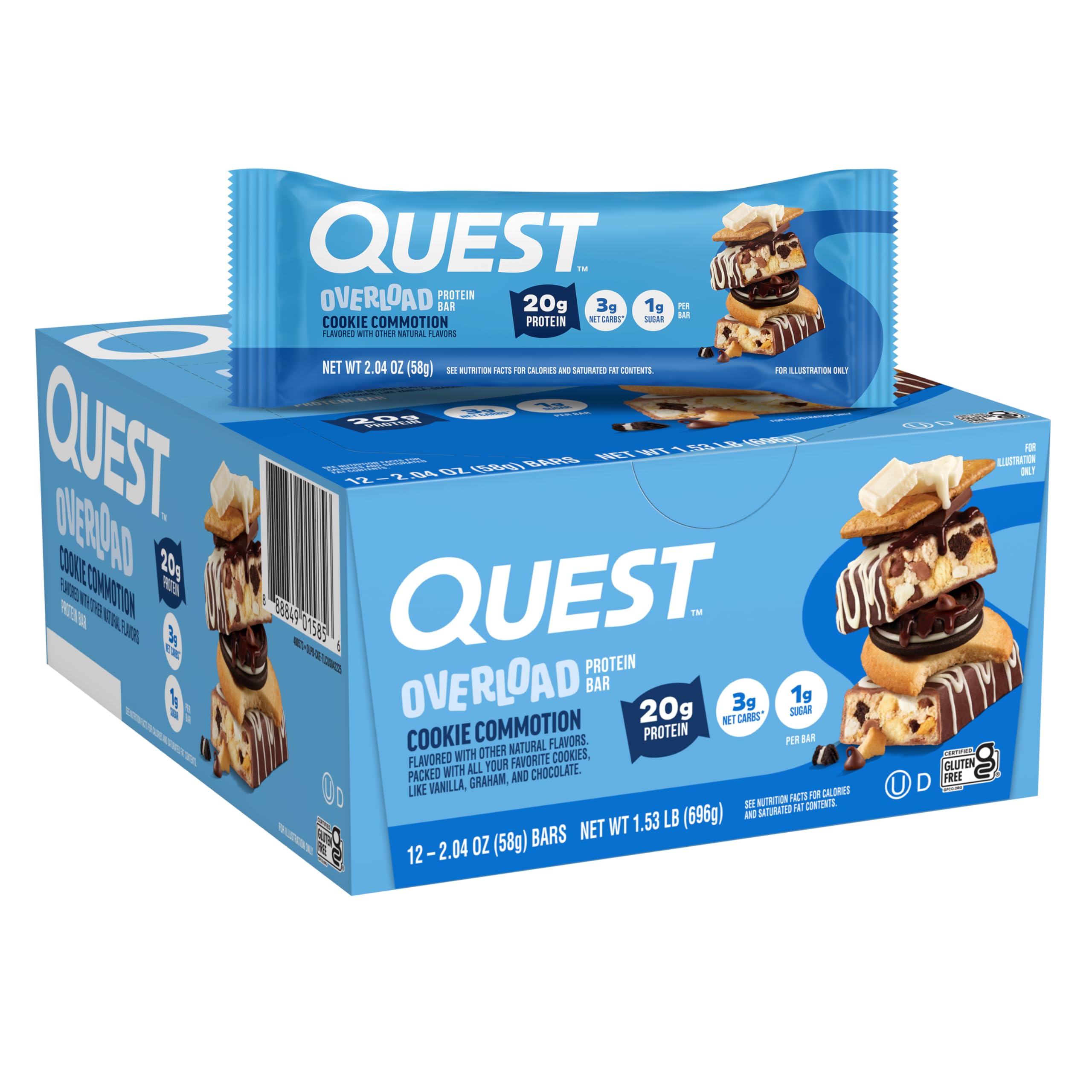
The Quest Overload Cookie Commotion bar hits the sweet spot for runners who need high protein without the heavy feeling. With 20 grams of protein and only 1 gram of sugar, it is designed for muscle repair after a hard effort without spiking blood sugar. The 3 grams of net carbs keep it keto-friendly, making it a solid option for runners who track macros or follow a low-carb training diet.
What sets this bar apart from standard Quest bars is the texture. Instead of the dense, chewy brick that many runners complain about, the Overload line has a crunchy, layered structure with graham cookie pieces and white chocolate chunks. Multiple verified reviewers note that it “finally isn’t a brick” and compares more to a candy bar than a typical protein bar. The absence of a chalky protein aftertaste is a recurring theme in user feedback.
Each bar is 2.04 ounces and comes in a 12-count box. The package is gluten-free and kosher certified, though it contains almonds, milk, and soy. For runners with a sensitive stomach, the low sugar content reduces the risk of mid-run GI issues, making this a reliable post-run recovery bar or a pre-run snack if eaten at least 45 minutes before hitting the road.
Why it’s great
- 20g protein with zero protein aftertaste
- Crunchy, layered texture that doesn’t feel like a protein bar
- 1g sugar prevents energy crashes and GI distress
Good to know
- Contains almonds, milk, and soy — not safe for all allergies
- Higher per-bar cost compared to standard Quest bars
2. PROBAR PROTEIN Bar, Peanut Butter Chocolate, 20g Plant Protein, Non-GMO, Gluten-Free, 12 Count

The PROBAR Protein Peanut Butter Chocolate bar delivers 20 grams of plant-based protein with a taste and texture that rivals whey-based bars. For runners who follow a vegan or dairy-free diet, this bar provides a complete protein source without artificial flavors, colors, or preservatives. The 2 grams of fiber help with satiety, keeping hunger at bay during long training sessions.
Users consistently describe the texture as thick and chewy, similar to a rice crispy treat, which makes it easy to eat on the go. Many runners report that one bar provides about four hours of satiety during constant movement, which is useful for ultra-distance training or long trail runs. The peanut butter chocolate flavor is the most popular, and several reviewers mention that it pairs well with coffee for a pre-run breakfast.
The bar is gluten-free and Non-GMO Project Verified, but some users note that the texture can be too hard for those with dental sensitivities. A few customers also report occasional packaging mix-ups between flavors. Made from whole-food ingredients like oats, brown rice syrup, and peanut butter, this bar is best used as a pre-run or mid-run fuel source rather than immediate post-run recovery, given the 20g protein and moderate carb profile.
Why it’s great
- 20g plant-based protein supports vegan runners
- Thick, chewy texture that stays cohesive during a run
- No artificial flavors, colors, or preservatives
Good to know
- Texture can be too hard for some teeth
- Higher price point compared to whey-based bars
3. IQBAR Clean Plant Protein Bars – Wild Blueberry – 12 Count – Keto, Vegan, High Fiber
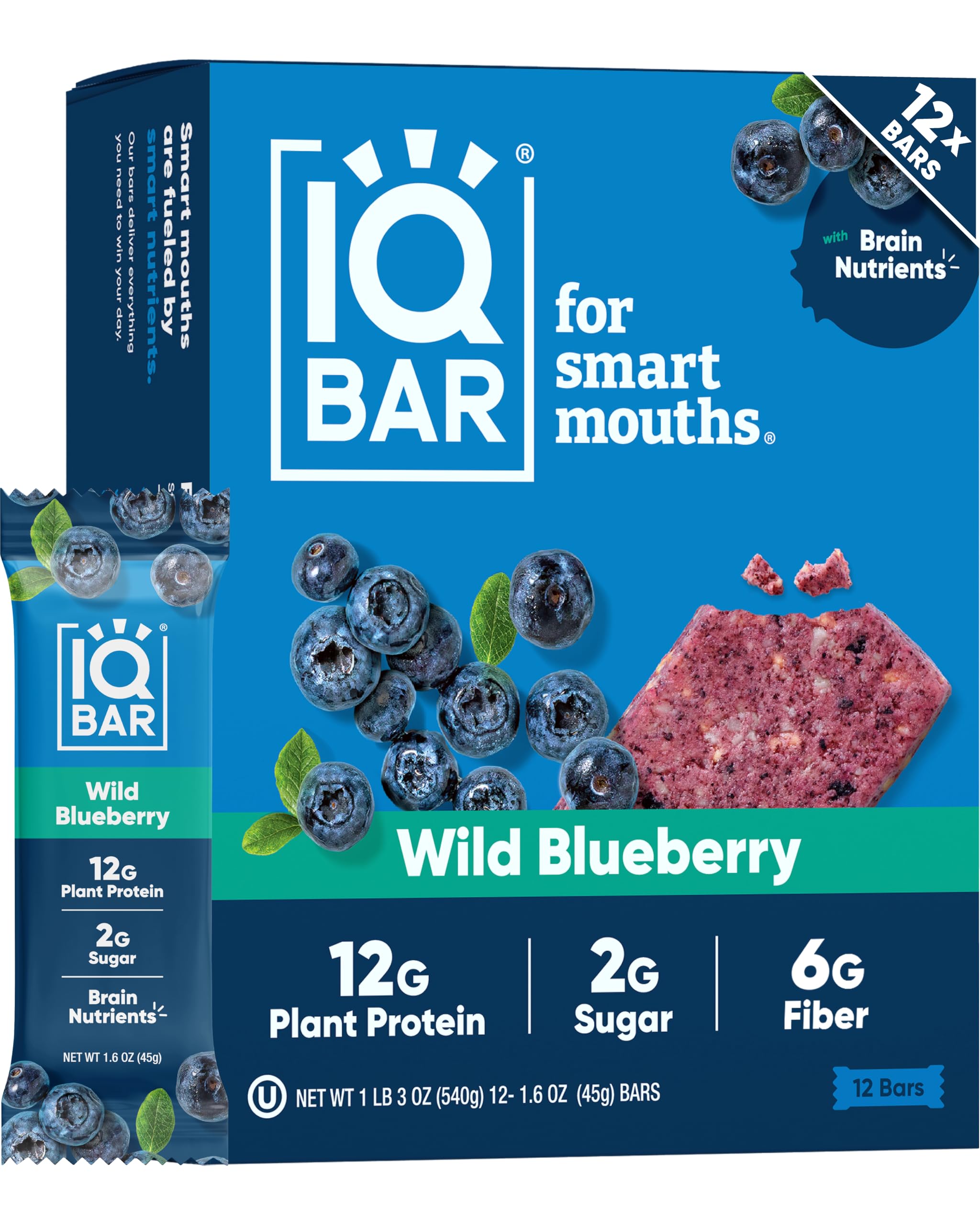
The IQBAR Wild Blueberry is a standout option for runners who need a clean, low-sugar snack that won’t cause a mid-run crash. With 12 grams of plant protein, 6 to 9 grams of fiber, and only 2 grams of net carbs, this bar is designed for sustained energy without the insulin spike. It is gluten-free, dairy-free, soy-free, and kosher certified, making it one of the most allergen-safe options on this list.
What makes this bar unique for runners is the addition of functional nutrients: Lion’s Mane, MCTs, magnesium, and vitamin E are included to support focus, memory, and energy. For runners who do early morning or late evening runs, the brain-supporting ingredients can help with mental clarity when fatigue sets in. Multiple reviewers mention that the bar tastes better than most protein bars, with no chalky aftertaste, and that it helps manage blood sugar levels.
The Wild Blueberry flavor is part of a 10-flavor lineup, and each bar contains just 160 to 180 calories. This lower calorie count makes it better suited as a pre-run snack eaten 30 to 60 minutes before a run rather than a full post-run recovery meal. Some users note the bar can be crumbly, and the 12-pack price is slightly higher than comparable plant-based bars. The Clean Label Project certification adds credibility for runners who prioritize ingredient transparency.
Why it’s great
- Only 2g net carbs with 6–9g fiber for stable energy
- Functional nutrients (Lion’s Mane, MCTs) support mental focus
- Clean Label Project certified with no artificial sweeteners
Good to know
- Lower calorie count may not satisfy post-long-run hunger
- Texture can be slightly crumbly for some users
4. RXBAR Protein Bars, Variety Pack, 10 Count
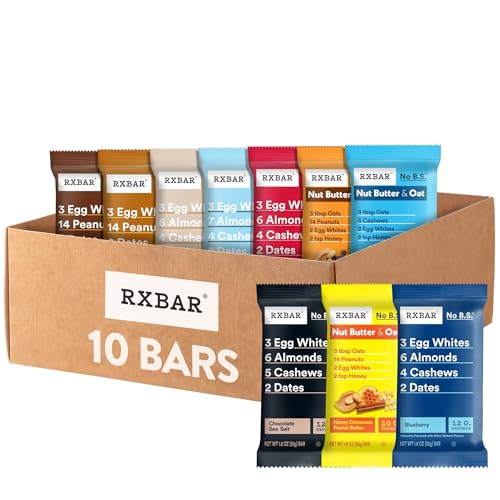
The RXBAR Variety Pack is built on a philosophy of simplicity: egg whites, dates, and nuts. No soy isolates, no whey protein, no long ingredient lists that are hard to pronounce. For runners who want a bar that provides clean energy without processing, this is a strong choice. The 10-count pack includes seven classic RXBARs and three RXBAR Nut Butter and Oat bars, giving a broad flavor range to prevent palate fatigue.
Users regularly praise the rich, chewy texture and the fact that the bars are not overly sweet. The natural sweetness comes from dates, which also provide fiber and quick-digesting carbohydrates — ideal for a pre-run snack eaten about an hour before heading out. Many runners report that these bars keep them full longer than most other options, which is useful for long endurance efforts where hunger can become a distraction.
The variety pack includes flavors like Peanut Butter Chocolate, Blueberry, and Chocolate Sea Salt. Each bar is gluten-free and provides a good source of fiber. Some users find the classic RXBAR texture to be dense and sticky, which can be a problem for runners who prefer a softer bar that dissolves more easily. The simple ingredient list also means the protein content (typically 10–12g per bar) is lower than whey-based competitors, so this is best used as pre-run or mid-run fuel rather than a primary post-run recovery bar.
Why it’s great
- Minimal, whole-food ingredients — no protein isolates
- Natural sweetness from dates with no added sugar
- Variety pack prevents flavor boredom on long training blocks
Good to know
- Dense, sticky texture can be hard to eat mid-run
- Lower protein content (10–12g) limits post-run recovery use
5. PROBAR – MEAL Bar, Superfood Slam, Non-GMO, Gluten-Free, 12 Count
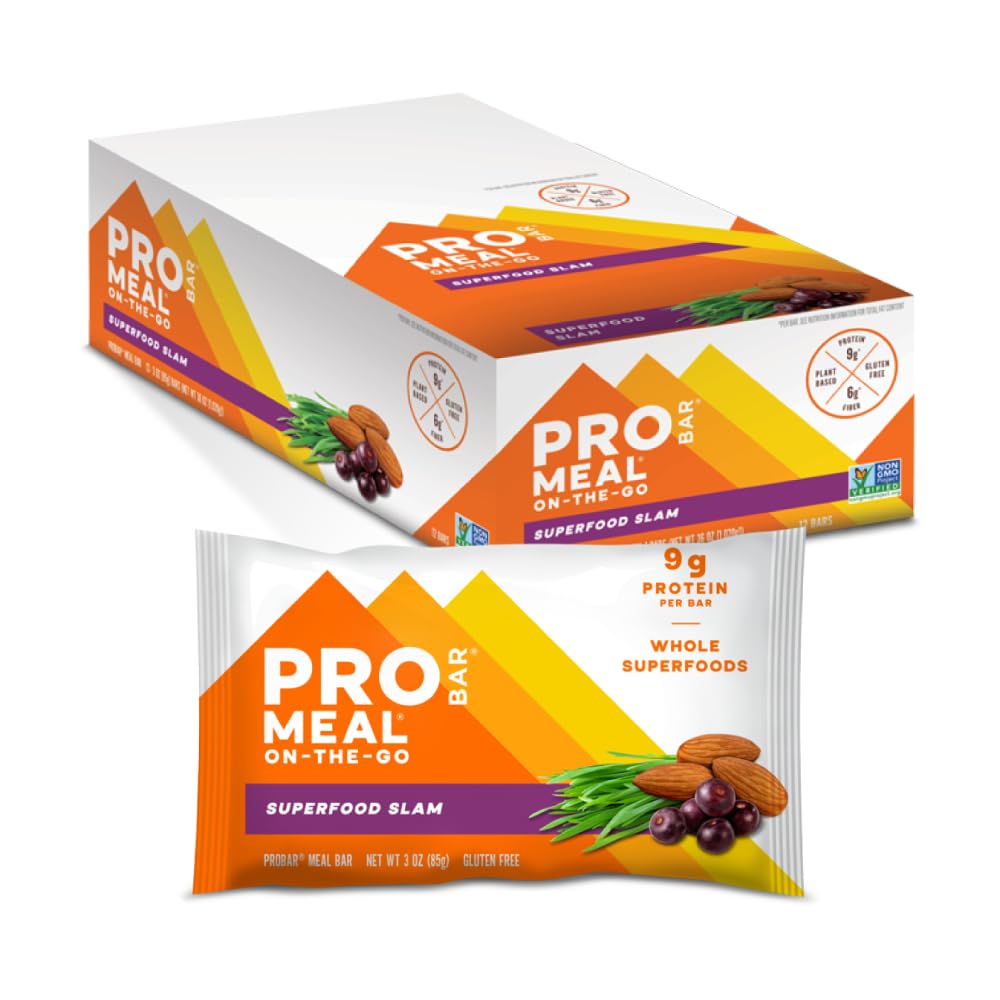
The PROBAR MEAL Superfood Slam is designed for one specific running scenario: long-duration efforts where you need real calories, not just a snack. At 360 calories with 11 grams of plant protein and 6 grams of fiber, this bar functions as a meal replacement on the trail. It is gluten-free, soy-free, and Non-GMO Project Verified, made from whole-food ingredients like oats, nuts, and flax seeds.
Runners who use this bar for ultramarathon training or long-distance backpacking trips appreciate that it does not have a chocolate coating, which can melt in warm weather. The flavor is described as a balanced mixture of savory and sweet, with a moist, dense texture that is not dry. Multiple reviewers note that half a bar is enough to satiate hunger for several hours, making it a calorie-efficient way to fuel during a long run without overeating.
Because of the lower protein-to-calorie ratio, this bar is not ideal for immediate post-run recovery when 20g or more of protein is typically needed. It also contains no added sugars, so the carb content comes from whole food sources like oats and dates, providing a slow energy release. Some users wish the protein content was higher, and the price per bar is on the higher end. For runners who need sustained energy over 4 to 6 hours of movement, this bar delivers steady fuel without the GI distress of high-sugar alternatives.
Why it’s great
- 360 calories provide meal-level fuel for ultra-distance runs
- No chocolate coating means no melt issues in warm weather
- Moist, dense texture that is easy to eat on the move
Good to know
- Only 11g protein — too low for primary post-run recovery
- Higher cost per bar compared to standard protein bars
FAQ
Should I eat a protein bar before or after a run?
What is the best protein bar for runners with a sensitive stomach?
How many grams of sugar should a protein bar for runners have?
Final Thoughts: The Verdict
For most runners, the protein bars for runners winner is the Quest Overload Cookie Commotion because it delivers 20g of protein with only 1g of sugar and a crunchy texture that doesn’t feel like a protein bar. If you want a plant-based option with 20g of protein for long-run fuel, grab the PROBAR Protein Peanut Butter Chocolate. And for ultra-distance runners or trail enthusiasts who need meal-level calories without GI issues, nothing beats the PROBAR MEAL Superfood Slam.