Scrolling through endless protein bar options feels like decoding nutrition labels for a living. You want muscle, not a sugar crash. The difference between a bar that fuels your workout and one that sits in your gym bag is a mix of protein quality, net carbs, and honest ingredient lists.
I’m Mohammad Maruf — the founder and writer behind AirfryerBite. I break down sports nutrition hardware the same way I analyze kitchen gear: by comparing the specs that actually move the needle for performance.
After digging into dozens of labels, reviews, and ingredient profiles, I’ve narrowed the field to the seven bars that deliver on their promise without the marketing fluff. This is the definitive guide to the protein bars for muscle gain that earn a spot in your rotation.
How To Choose The Best Protein Bars For Muscle Gain
Not every wrapper that says “high protein” delivers the amino acid profile your muscles actually need. The wrong bar can spike your blood sugar, cause bloating, or leave you hungry an hour later. Here’s what to scan for before you buy.
Protein Source and Quantity
Whey protein isolate dominates this category because it digests quickly and scores high on the PDCAAS scale. Bars with 20g to 30g of protein per serving hit the anabolic window for most athletes. Anything below 15g is a glorified snack, not a muscle builder. Look for whey isolate, micellar casein, or a blend that includes naturally occurring BCAAs in the 2:1:1 ratio.
Net Carbs and Sugar Alcohols
Low sugar doesn’t mean low net carbs. Many bars use sugar alcohols like maltitol or erythritol to keep sugar grams low while maintaining sweetness. Net carbs = total carbs minus fiber minus sugar alcohols. For lean muscle gain, aim for bars with under 5g net carbs. Watch your stomach’s tolerance to sugar alcohols — some formulations cause gas and bloating mid-workout.
Caloric Density and Meal Timing
A muscle gain bar should provide 200 to 400 calories, depending on whether it’s a pre-workout snack or a meal replacement. Heavier bars around 350 to 400 calories work best post-workout or as a breakfast stand-in. Lighter bars under 250 calories fit better between meals. The texture also matters — dense bars take longer to eat and promote fullness, while crispy bars go down fast for on-the-go refueling.
Quick Comparison
On smaller screens, swipe sideways to see the full table.
| Model | Category | Best For | Key Spec | Amazon |
|---|---|---|---|---|
| QUEST Salted Caramel | Mid-Range | Low sugar, high fiber | 20g protein, 2g net carbs | Amazon |
| KIND Protein MAX Variety | Mid-Range | Clean ingredients, keto friendly | 20g protein, 1g total sugar | Amazon |
| Gatorade Recover Chocolate Caramel | Mid-Range | Post-workout carb refuel | 20g whey protein, 49g carbs | Amazon |
| Pure Protein Variety Pack | Budget-Friendly | Best value per gram of protein | 20-21g protein, 2g sugar | Amazon |
| MUSASHI Milk Choc Brownie | Premium | Maximum protein density | 45g protein, 2g total sugar | Amazon |
| FULFIL Choc Salted Caramel | Premium | Candy-like taste with clean macros | 20g protein, 3g net carbs | Amazon |
| MET-Rx Big 100 Salted Caramel | Premium | Meal replacement, big appetite | 30g protein, 3.52 oz bar | Amazon |
In‑Depth Reviews
1. Quest Nutrition Salted Caramel
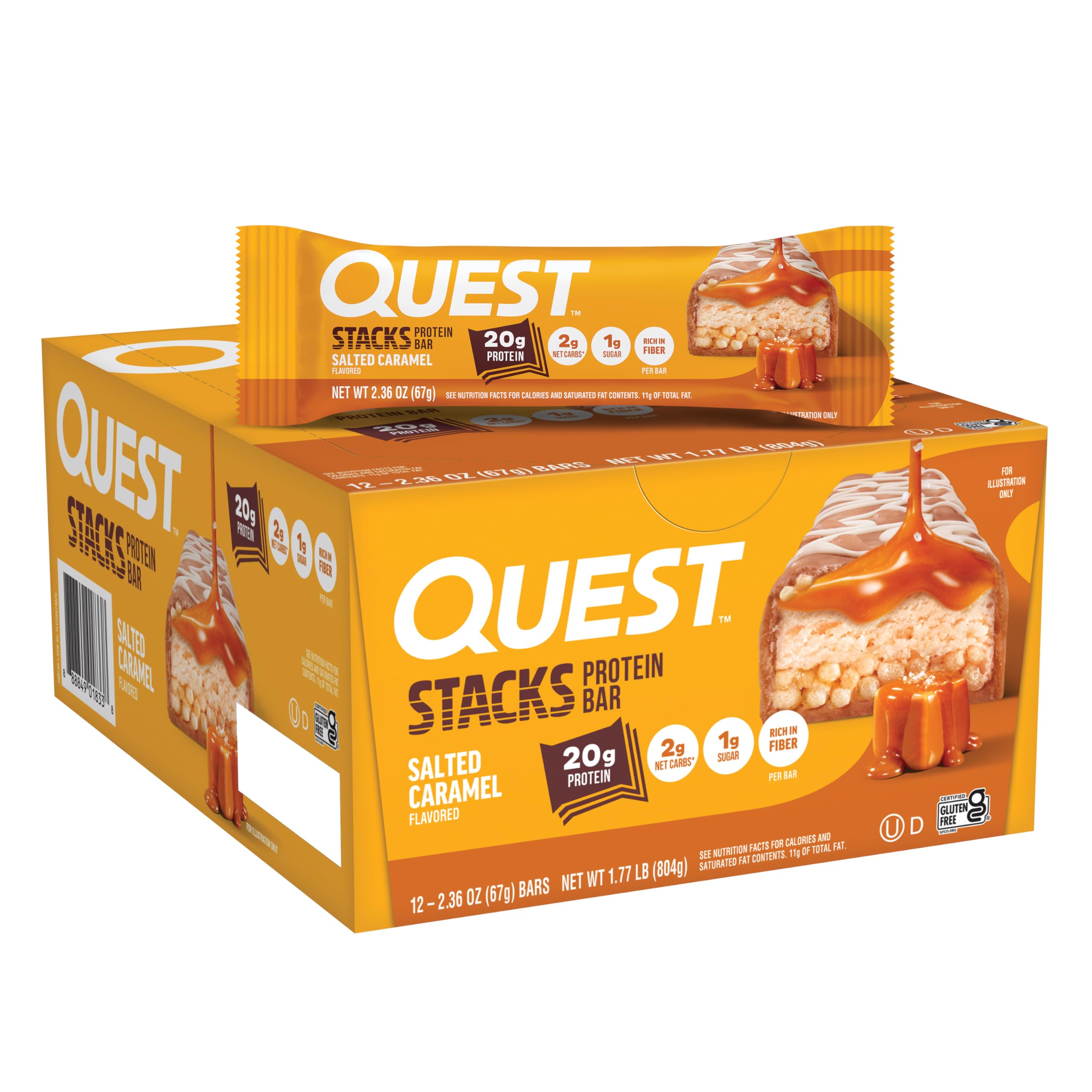
Quest nails the macro triangle with 20g of protein, 1g of sugar, and only 2g of net carbs per bar. The texture splits the difference between chewy and crispy, with actual caramel coating and crunchy bits that mimic a candy bar without the insulin spike. Reviewers consistently rate the mouthfeel a 10 out of 10, which is rare for a product with this low of a sugar profile.
The 2.36 ounce serving size feels substantial enough to kill a between-meal craving or serve as a quick post-lift snack. The fiber content (roughly 15g per bar) supports satiety, but some users find the sweetness level high for daily consumption. Melting in heat is a known issue, though the bar remains structurally intact enough to eat.
For anyone prioritizing low net carbs and clean blood sugar response, this is the balanced choice. It’s competitive across all price tiers and builds trust through consistent formulation — no reformulation surprises between batches.
Why it’s great
- Only 2g net carbs supports ketogenic muscle gain
- Layered texture — crunchy, chewy, and creamy in one bite
- Gluten-free and high fiber for sustained energy
Good to know
- Sweetness level is polarizing — some find it too intense
- Can soften or melt in warm shipping conditions
2. KIND Protein MAX Variety Pack
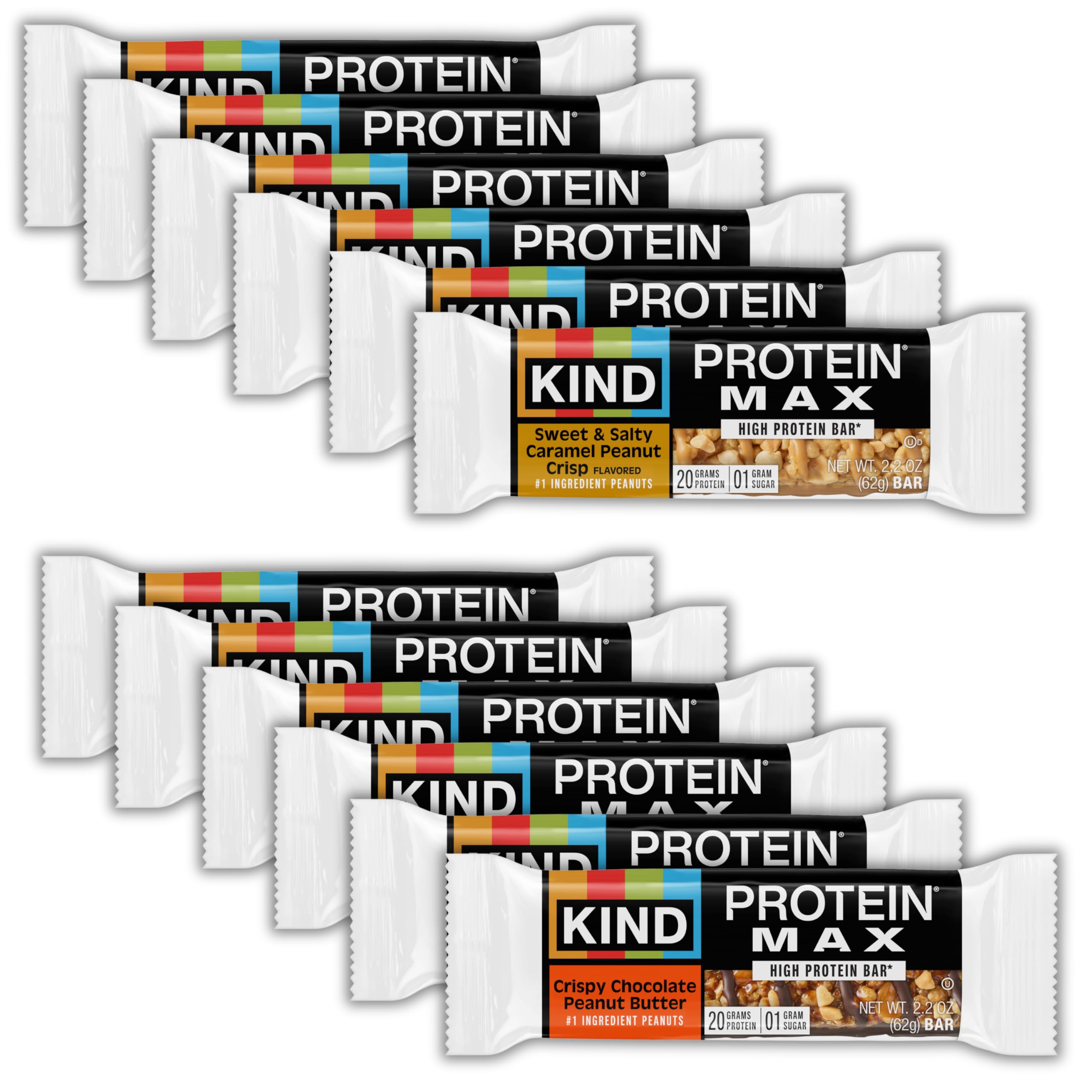
KIND built this bar around whole-food credibility — nutrient-dense peanuts are the first ingredient, and the formulation carries zero added sugar with only 1g of total sugar. The 20g of protein comes from a blend that avoids sugar alcohols and artificial sweeteners entirely, making it one of the few bars that won’t trigger digestive distress during training.
The tradeoff is a dense, firm texture that some reviewers describe as “dry” or “tough to chew” compared to softer competitors. The Sweet & Salty Caramel Crisp flavor leans heavily into dark chocolate notes, while the Peanut Butter variant stays approachable for most palates. Both are Non-GMO Project Verified and gluten-free.
If your priority is ingredient transparency and keto compatibility without the chemical aftertaste, this bar delivers. The drier bite works better for those who enjoy a crunchy, less gummy protein bar, especially when paired with water or a shake.
Why it’s great
- Zero added sugar and no artificial sweeteners
- Peanuts are the primary ingredient for real-food protein
- Non-GMO and gluten-free certified
Good to know
- Texture is notably dense and dry — requires chewing patience
- Chocolate flavor has dark cocoa tang that not everyone likes
3. Gatorade Whey Protein Recover Chocolate Caramel

Gatorade designed this bar specifically for glycogen replenishment post-exercise, packing 49g of carbs alongside 20g of high-quality whey protein. The Chocolate Caramel flavor leans heavily sweet, earning consistent praise for tasting closer to a dessert than a recovery tool. Reviewers from the NFL and NHL have used these bars in rotation, lending credibility to the formulation.
Each bar delivers 350 calories, positioning it firmly in the meal replacement category rather than a light snack. The texture is soft and chewy without the dry crumble of competitor bars, though the sweetness can feel overpowering if you’re sensitive to sugar-heavy profiles. The whey protein source digests quickly, making it effective for the 30-minute post-workout window.
For athletes who burn high glycogen stores and need both protein and carb recovery, this is the most targeted option on the list. The higher calorie load also supports weight gain goals for hardgainers during sports seasons.
Why it’s great
- Clinically relevant carb-to-protein ratio for post-exercise recovery
- Soft, non-rubbery texture with genuine caramel and chocolate layers
- Endorsed by professional athletes across major leagues
Good to know
- 350 calories per bar — not suitable for light snacking
- Very sweet profile may not suit low-sugar diets
4. Pure Protein Variety Pack
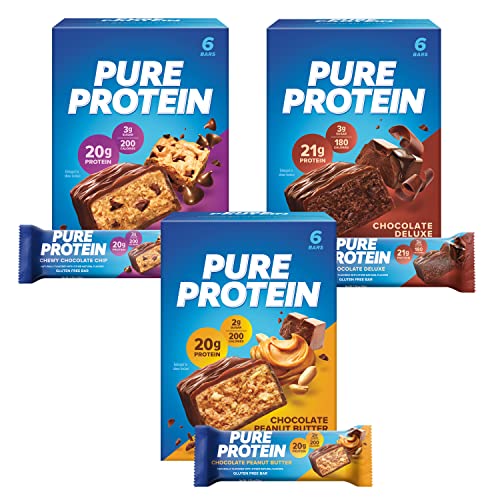
Pure Protein delivers the lowest cost-per-gram of protein in this lineup without sacrificing macro quality. Each bar in the variety pack delivers 20 to 21g of protein, with just 2g of sugar and roughly 180 to 200 calories per serving. The three-flavor rotation — Chocolate Peanut Butter, Chocolate Deluxe, and Chewy Chocolate Chip — keeps boredom at bay through a full box.
The texture leans “chewy and mushy” rather than crispy, which splits opinion between those who want a soft bar and those expecting a crunch. Some reviewers note a mild protein aftertaste on certain flavors, but the majority rank the taste as surprisingly good for the price point. Chocolate Peanut Butter Caramel is consistently flagged as the best variant within the lineup.
This is the practical choice for someone buying in bulk for daily intake without blowing the budget. The macros work for both pre-workout fuel and midday hunger killing, and the 18-count box lasts through a solid training cycle.
Why it’s great
- Unmatched value — lowest cost per bar with solid macros
- Diabetic-friendly with minimal impact on blood sugar
- Variety pack provides flavor rotation in one purchase
Good to know
- Chewy, mushy texture — not for crunch lovers
- Some flavors have noticeable protein aftertaste
5. MUSASHI High Protein Bar Milk Chocolate Brownie

MUSASHI holds the heavy crown with 45g of protein per bar and only 2g of total sugar — a macro density that dwarfs nearly every competitor on the shelf. The protein comes from whey protein isolate sourced from New Zealand, delivering naturally occurring BCAAs in the ideal 2:1:1 ratio for muscle protein synthesis. This is the bar you reach for when recovery demand is at its peak.
The Milk Chocolate Brownie flavor is dense and filling with a toffee-like chewiness. It’s not dry, but it’s heavy — reviewers describe needing water to get through it, and the sugar alcohol content can cause gastrointestinal discomfort for sensitive stomachs. At 3.2 ounces, it’s physically one of the largest bars in the category.
For hardgainers, strength athletes, or anyone with a high daily protein target, this bar efficiently closes the gap. The high density means it works better as a meal replacement or post-heavy-session recovery than as a casual snack between meetings.
Why it’s great
- Industry-leading 45g protein from premium WPI
- Natural 2:1:1 BCAA ratio for muscle repair
- Extremely filling — doubles as a proper meal replacement
Good to know
- Very dense and chewy — easier to eat with water or milk
- Sugar alcohols can cause bloating in sensitive individuals
6. FULFIL Protein Bars Chocolate Salted Caramel
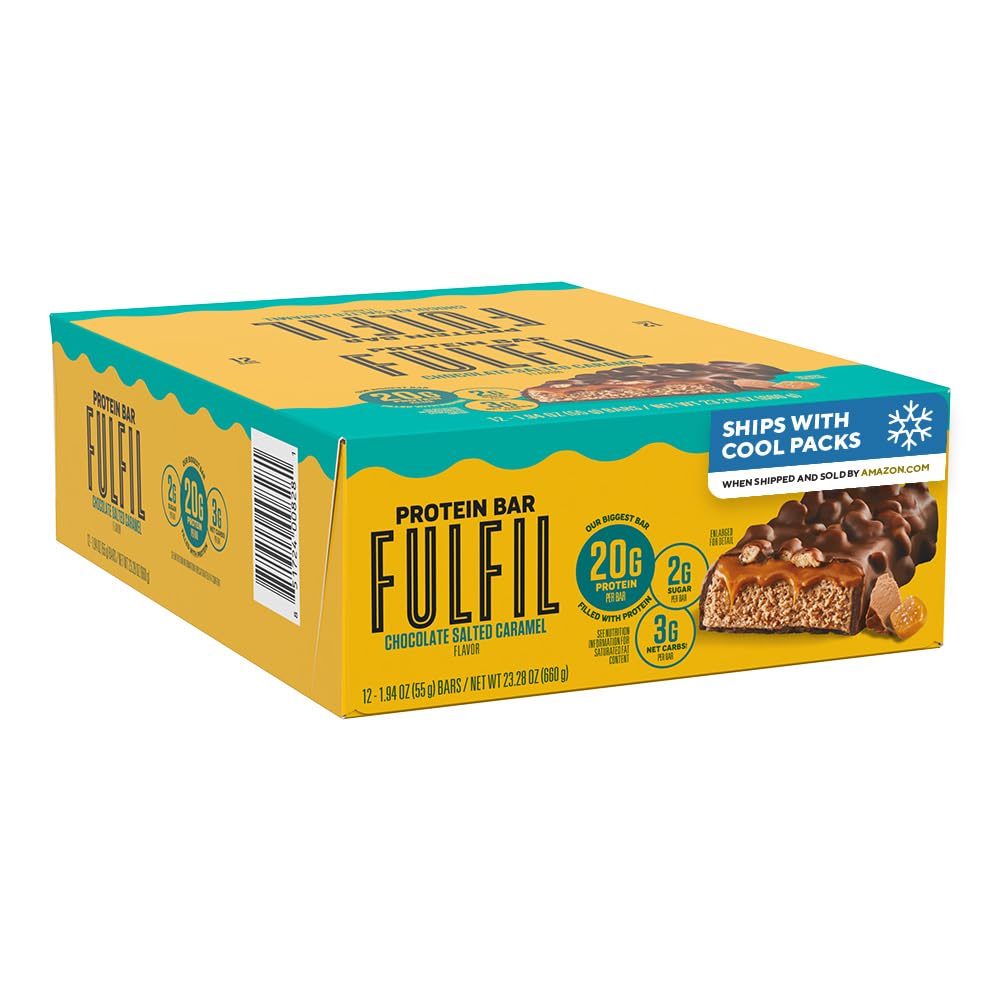
FULFIL engineers a candy bar experience without the metabolic downside — 20g of protein, 3g of net carbs, and only 2g of sugar per bar. The Chocolate Salted Caramel flavor features a soft, chewy nougat center studded with miniature crispies, all coated in a double layer of chocolate. Multiple reviewers compare the texture directly to Milky Way or Snickers, which is high praise for any protein bar.
The 55g bar is slightly smaller than some competitors at around 169 calories, making it a smarter fit for between-meal snacking rather than full meal replacement. It ships with cold packs during warmer months to prevent the chocolate coating from softening, which speaks to the brand’s attention to product integrity. No artificial ingredients or gluten complicate the formula.
If you struggle with protein bar fatigue and need a flavor-first option that still respects your macros, this is the strongest contender. The low net carb count also supports ketogenic or low-glycemic eating plans.
Why it’s great
- Genuine candy bar taste and texture with clean macros
- Low caloric load (169 cal) fits between meals or light recovery
- Cold-pack shipping protects chocolate integrity in transit
Good to know
- Smaller portion — may not satisfy large appetites alone
- Texture is soft; no crunch for those expecting a hard bite
7. MET-Rx Big 100 Salted Caramel Brownie Crunch
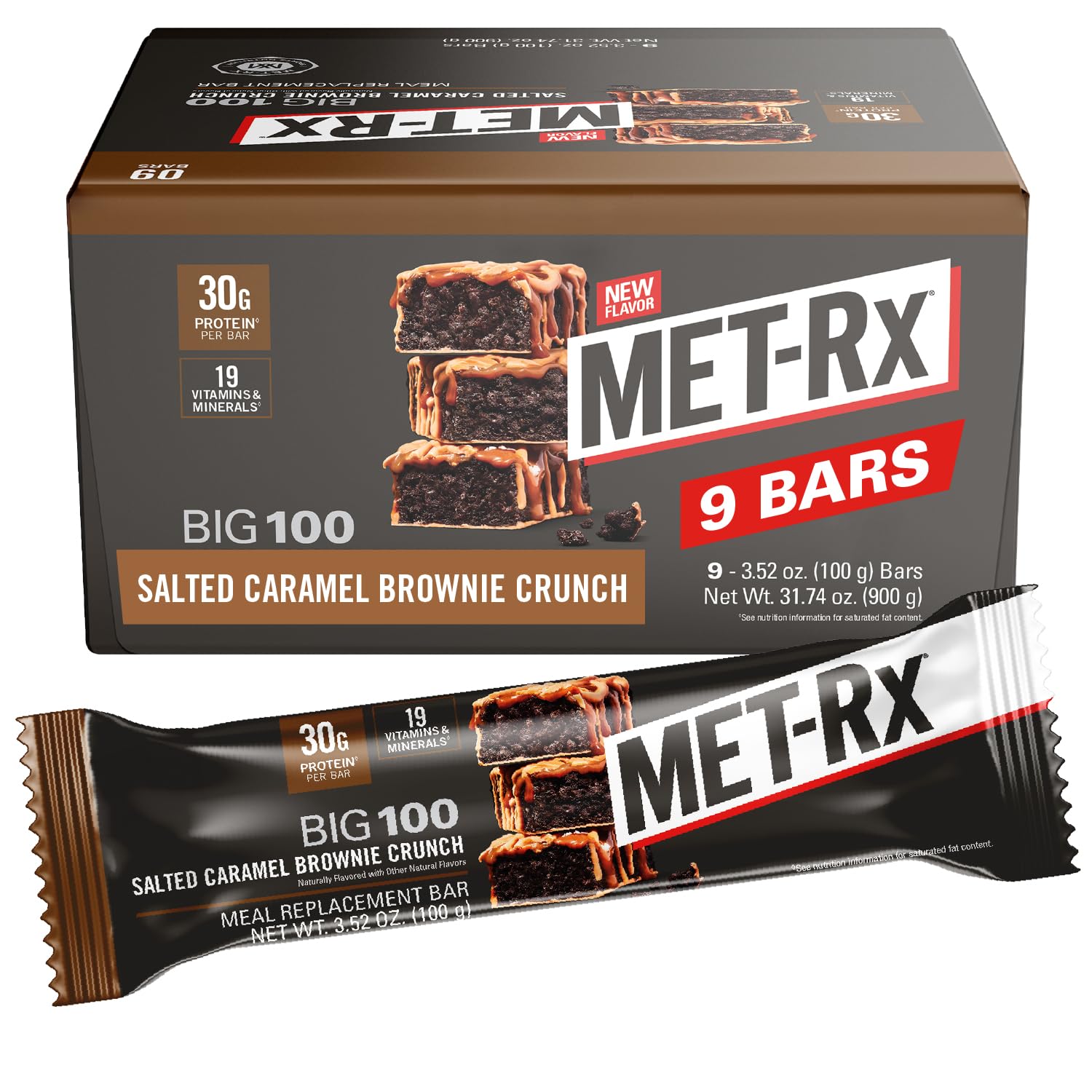
MET-Rx built a reputation on the Big 100 format, and the Salted Caramel Brownie Crunch version justifies the legacy with 30g of protein, a 3.52-ounce bar weight, and a sweet-salty-crunchy-chewy texture spectrum that genuinely feels like a cheat day indulgence. The macros support serious muscle gain: enough protein for synthesis and enough caloric density for weight gain in athletes.
Reviewers, especially parents of active teenagers, report this bar as a go-to for helping young athletes add lean mass during demanding sports seasons. The Salted Caramel Brownie Crunch flavor avoids the artificial tone that plagues some MET-Rx variants, and the crunch particles provide textural variety that other meal-replacement bars lack.
Batch quality can vary — some customers receive boxes close to expiration with hard, dry bars. Checking production dates before purchase is worth the habit. For anyone needing a dense, satisfying, protein-heavy meal replacement that tastes genuinely good, this bar earns its size.
Why it’s great
- Large 3.52 oz bar delivers thick, satiating portion
- Crunchy-chewy texture profile rare in high-protein bars
- Effective for hardgainer weight gain goals
Good to know
- Freshness inconsistency — always check expiration dates
- Calorie-dense bar may be too heavy for light snack preference
FAQ
How much protein should a muscle gain bar have?
Are low sugar protein bars better for muscle gain?
Can protein bars replace a post-workout shake?
Why do some protein bars cause stomach bloating?
Final Thoughts: The Verdict
For most users, the protein bars for muscle gain winner is the Quest Salted Caramel because it nails the balance of 20g protein, 2g net carbs, and a texture that doesn’t punish your palate. If you want the highest protein density possible, grab the MUSASHI High Protein Bar at 45g per serving. For an honest meal replacement that tastes like dessert, nothing beats the MET-Rx Big 100 Salted Caramel Brownie Crunch.