The lunchbox gamble is real. You want a quick snack that keeps your kid full until the next bell, but the grocery aisle is a minefield of candy bars dressed up as “protein snacks” with 20 grams of sugar and a laundry list of unpronounceable additives. The wrong pick means a sugar crash and a hangry child; the right one delivers steady energy from clean ingredients. The challenge is filtering the marketing from the nutrition.
I’m Mohammad Maruf — the founder and writer behind AirfryerBite. I’ve spent years analyzing ingredient decks, protein-to-sugar ratios, and allergen facility certifications to help parents navigate the overwhelming snack bar market with confidence.
After crunching the specs and real-world feedback on fiber content, organic certification, and school-safe allergen protocols, I’ve narrowed down the top contenders to bring you this clear, practical guide to the protein bars for kids that actually deliver on their promises.
How To Choose The Best Protein Bars For Kids
Not all bars with “protein” on the wrapper are suitable for children. A bar built for adult post-workout recovery might pack too much fiber or an off-putting texture for a picky eater. Focus on three pillars: ingredient transparency, sugar content, and allergen safety.
Check the Sugar-to-Protein Ratio First
A quality bar for kids should have at least as many grams of protein as grams of added sugar. Many mainstream options bury 12-15g of added sugar under a “whole grain” label. Look for bars with 5g of sugar or less, or those that derive sweetness from whole food sources like dates rather than high-fructose corn syrup or cane sugar concentrates.
Verify Allergen Facilities, Not Just Ingredients
“Gluten-free” on the front doesn’t guarantee the bar is safe for a celiac child if it’s made on shared equipment. The same applies to nuts. The safest bars for school lunchboxes explicitly state “made in a dedicated nut-free facility” or “certified gluten-free facility.” This is the difference between a bar that is technically free of an allergen and one that is reliably safe for a sensitive child.
Texture and Portion Size Matter More Than You Think
Kids often reject bars that are too hard, too chewy, or too large. Mini or snack-sized bars (under 30g) are less intimidating and easier to finish before recess. Look for descriptions like “soft-baked” or “chewy but not tough” in reviews. A bar that crumbles everywhere will likely end up uneaten at the bottom of a backpack.
Quick Comparison
On smaller screens, swipe sideways to see the full table.
| Model | Category | Best For | Key Spec | Amazon |
|---|---|---|---|---|
| ALOHA Organic Plant Based Minis | Premium/Organic | Low-sugar strict diets | 5g sugar, 14g protein per bar | Amazon |
| TRUBAR Vegan Protein Bar | Premium/Plant-Based | Dessert-flavor cravings | 12g fiber, 12g protein per bar | Amazon |
| CLIF BAR Variety Pack | Mid-Range/Energy | Active kids & sports | 9-11g protein, organic oats | Amazon |
| Blake’s Seed Based Granola Bars | Value/Allergy-Safe | Nut-free school zones | Top 9 allergen-free facility | Amazon |
| LUNA Bar Variety Pack | Value/Woman-Focused | Budget-friendly variety | 7-9g protein, gluten-free | Amazon |
In‑Depth Reviews
1. ALOHA Organic Plant Based Protein Bar MINIS

This is the gold standard for low-sugar kids’ nutrition. Each 24g mini bar packs 14g of plant-based protein from organic brown rice and pumpkin seed protein, with only 5g of sugar. There is no stevia, erythritol, or maltitol — a huge relief for parents whose kids react to sugar alcohols with bloating or stomach upset. The fiber content is high at 10g, so start with one bar to gauge tolerance.
The texture is soft and moist, not dry or chalky, which reviews highlight as a major win for picky eaters. The Peanut Butter Cup flavor offers a taste profile that genuinely satisfies dessert cravings without a fake aftertaste. This box contains 20 individually wrapped minis, making portion control effortless.
It’s also USDA Organic, Non-GMO, vegan, gluten-free, soy-free, and Kosher. The only caveat is the premium-tier cost — this is a per-bar investment in clean ingredients. It is also not certified nut-free, so it may not be the best choice for classrooms with strict peanut bans. For home use, however, it is unmatched for nutrition density.
Why it’s great
- Just 5 grams of sugar per bar
- 14g organic plant protein from brown rice and pumpkin seed
- Soft, moist texture — no chalky protein taste
- Free from stevia and sugar alcohols
Good to know
- Not certified nut-free — check facility protocols for allergies
- High fiber (10g) may be too much for very young children at first
- Premium price point per box
2. TRUBAR Vegan Protein Bar, Cocoa For Coconuts
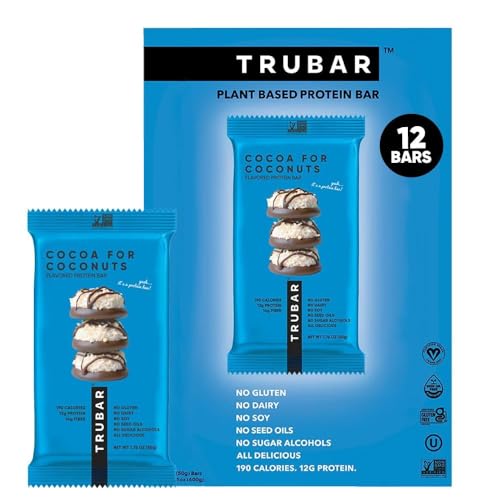
If your child craves cookie dough but you refuse to serve sugar-laden snacks, the TRUBAR Cocoa For Coconuts is a game-changer. It tastes like actual dessert — reviewers consistently describe it as “spooning cookie dough straight from the package” — yet delivers a balanced 12g protein and 12g fiber with only 190 calories. There is zero chalky aftertaste, a common deterrent for kids.
The ingredient list is refreshingly simple: almonds, cassava, pea protein, and cocoa. It is entirely free of gluten, dairy, soy, GMOs, and sugar alcohols. This makes it an excellent option for families navigating multiple dietary restrictions. The texture is smooth and soft-baked, not crunchy or dry, which helps it feel like a treat rather than a health intervention.
One minor drawback for younger children: the 23g of total carbohydrates per bar includes 12g of fiber, which is substantial for small digestive systems. Start with half a bar for a younger child. Also, it contains almonds, so it is not suitable for nut-free schools. For an indulgent yet healthy after-school snack, this is a top-tier pick.
Why it’s great
- Tastes like cookie dough — no protein aftertaste
- 12g protein and 12g fiber per bar
- Dairy-free, soy-free, gluten-free, no sugar alcohols
- Simple, recognizable ingredients
Good to know
- Contains almonds — not nut-free safe
- 12g fiber may be intense for very young or sensitive stomachs
- On the sweeter side for some palates
3. CLIF BAR – Energy Protein Bars – Variety Pack
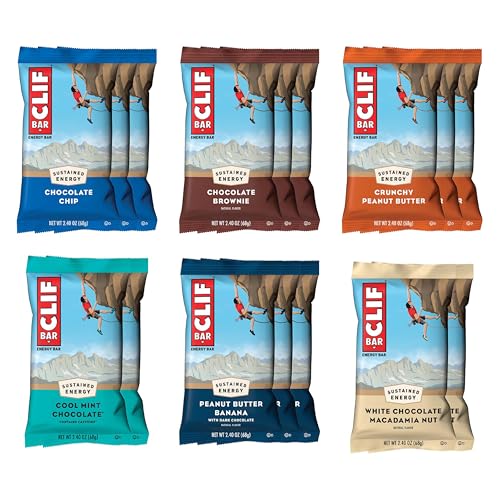
CLIF BAR is the established name in sustained energy, and this 16-pack variety is tailor-made for active kids who need fuel before soccer practice, hiking, or a long bike ride. The formula uses a calibrated mix of protein (9-11g), fat, and carbohydrates from organic rolled oats to provide steady energy rather than a sugar spike. No high-fructose corn syrup is used.
The variety includes classic flavors like Chocolate Chip, Crunchy Peanut Butter, and White Chocolate Macadamia Nut — all of which reviewers note are “filling and chewy” without being too dense for smaller appetites. Parents appreciate that the bars limit sugar intake while still tasting good enough that kids choose them over candy. The 16-count box offers a good value for the protein content.
A few caveats: the bars are larger and firmer than mini bars, so they may be better suited to older children (elementary age and up). Some customers reported bars arriving slightly flattened or misshapen due to loose packaging in the box. The texture is sturdy and chewy, which some younger kids might find tough. It also contains gluten and is not nut-free, so check individual dietary needs.
Why it’s great
- 9-11g protein from organic oats and plant-based ingredients
- No high-fructose corn syrup
- Classic flavors kids actually enjoy
- Good value for a 16-count box
Good to know
- Contains gluten and potential nut cross-contamination
- Large, dense bar — not ideal for toddlers
- Some bars may arrive squished in transit
- Moderate protein (not a high-protein bar)
4. Blake’s Seed Based Chewy Granola Bars – Variety Pack

For parents with children in nut-free classrooms, this is the most reliable pick on the list. Blake’s Seed Based bars are made in a certified nut-free and gluten-free facility, and they skip the Top 9 allergens entirely: no dairy, eggs, fish, shellfish, tree nuts, peanuts, wheat, soy, or sesame. Each bar contains 8g of whole grain oats, flax seeds, and sunflower seeds.
The 24-count bulk pack includes three kid-approved flavors: Chocolate Chip, Birthday Cake, and Apple Cinnamon. Reviews consistently praise how “delicious and junk-free” they taste, and the chewy texture avoids the brittle crumble that makes a mess in lunchboxes. The bars are also vegan, kosher, and Non-GMO, with no preservatives or artificial colors.
The trade-off is a lower protein count compared to the premium options — 8g per bar — and some kids find the Apple Cinnamon flavor less exciting than the sweeter varieties. The bars are also seed-based, so the texture is denser than a traditional oat bar. For safety and peace of mind in a school environment, however, this is the most trustworthy choice available.
Why it’s great
- Certified nut-free and gluten-free facility
- Free from Top 9 allergens — school-safe
- 8g protein from whole grains and seeds
- Vegan, kosher, Non-GMO, no artificial ingredients
Good to know
- Lower protein content than other bars on this list
- Denser, seed-based texture may not appeal to all kids
- Apple Cinnamon flavor rated lower by some children
5. LUNA Bar – Variety Pack – Gluten Free Snack Bars
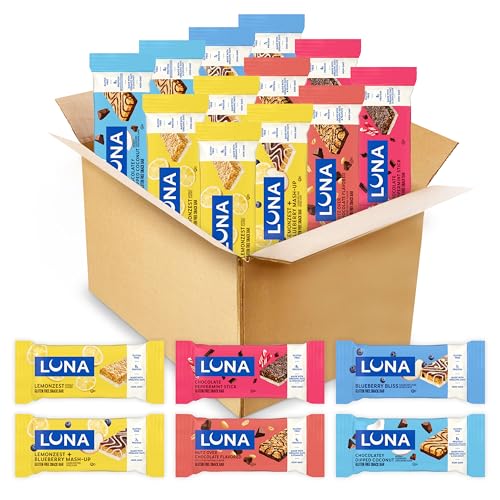
If you need an affordable, widely available bar to keep the pantry stocked, the LUNA Bar Variety Pack is a solid entry-level option. Each 12-count box contains six flavors — Nutz Over Chocolate, Chocolate Peppermint Stick, Chocolatey Dipped Coconut, LemonZest, Blueberry Bliss, and a LemonZest + Blueberry mash-up — giving kids plenty of variety to avoid flavor fatigue.
These bars deliver 7-9g of plant-based protein from organic oats and soy protein, with no high-fructose corn syrup. They are Non-GMO and gluten-free. The texture is chewy and crispy, and reviewers mention the LemonZest and Blueberry flavors as standout hits with kids. The price per bar is noticeably lower than the premium options, making it a practical choice for bulk buying.
The largest downside is temperature sensitivity: multiple reviews report the chocolate coating melts during summer transit, and the bars can develop an off taste if they resolidify. They also contain soy, which is not suitable for soy-allergic children. For a budget-friendly snack that keeps lunchboxes interesting, this bar works well — just avoid ordering during hot weather.
Why it’s great
- Budget-friendly price per bar
- Six flavors in one box — great for variety seekers
- Gluten-free and Non-GMO
- Plant-based protein from organic oats and soy
Good to know
- Chocolate coating melts easily in warm weather
- Contains soy — not soy-free
- Lower protein (7-9g) compared to premium bars
FAQ
Are protein bars safe for toddlers under 3 years old?
How many grams of sugar should a kids protein bar have?
What does “nut-free facility” mean for school snacks?
Can protein bars replace a meal for my child?
Final Thoughts: The Verdict
For most users, the protein bars for kids winner is the ALOHA Organic Plant Based Protein Bar MINIS because it delivers the lowest sugar content (5g) with high organic protein (14g) in a portion size that suits children. If you want a dessert-like flavor that kids actually beg for, grab the TRUBAR Vegan Protein Bar Cocoa For Coconuts. And for a nut-free, school-safe option that meets the strictest allergen policies, nothing beats the Blake’s Seed Based Chewy Granola Bars.