The link between your gut microbiome and systemic inflammation is one of the most compelling areas of nutritional science today. Choosing a targeted probiotic strain — not just any bottle off the shelf — is the critical first step toward managing that chronic, low-grade fire many of us feel but can’t quite name.
I’m Mohammad Maruf — the founder and writer behind AirfryerBite. I’ve spent years analyzing clinical research on gut-health supplements, cross-referencing strain-specific studies with real-world user outcomes to find the formulations that actually perform.
This guide breaks down the five most effective formulations on the market, focusing on strain diversity, CFU count, and clinical backing to help you make a confident choice. After hours of comparing labels and digging into the data, I’ve narrowed the field to the best probiotics for inflammation based on their ability to support a balanced immune response and quiet digestive discomfort.
How To Choose The Best Probiotics For Inflammation
Not all probiotics are created equal when your goal is calming inflammation. The strain type and the colony count are non-negotiable factors, but so are delivery technology and the presence of prebiotic fiber that feeds those good bacteria once they arrive.
Look for Clinically Studied Strains
Strains like Lactobacillus rhamnosus GG (found in Culturelle) and Bifidobacterium lactis HN019 (found in Garden of Life) have dedicated clinical trials showing they reduce markers of systemic inflammation and improve gut barrier integrity. A generic “probiotic blend” without named, studied strains is a gamble you don’t want to take.
CFU Count and Delivery Technology
Higher CFU counts — 30 billion to 300 billion — can be beneficial, but only if the capsules survive stomach acid. Look for delayed-release or patented protective technologies. A high CFU count means nothing if the bacteria are dead on arrival in your small intestine.
Prebiotics, Postbiotics, and Organic Herbs
The best anti-inflammatory formulas don’t stop at probiotics. Prebiotic fibers (inulin, acacia, organic herbs) feed the good bacteria, while postbiotics (metabolites) directly modulate immune signaling. A 3-in-1 approach often delivers more consistent results than a standalone probiotic.
Quick Comparison
On smaller screens, swipe sideways to see the full table.
| Model | Category | Best For | Key Spec | Amazon |
|---|---|---|---|---|
| Tbivfller 300 Billion | Mid-Range | Highest CFU diversity | 300B CFU / 24 Strains + 15 Herbs | Amazon |
| Garden of Life Dr. Formulated | Mid-Range | Gas & bloating relief | 50B CFU / 15 Strains + PreforPro | Amazon |
| Culturelle Pro Strength | Mid-Range | Clinically proven strain | 12B CFU / L. rhamnosus GG | Amazon |
| Probulin Colon Support | Premium | Colon microbiome support | 20B CFU / 12 Strains + Prebiotic | Amazon |
| BIOHM Total Probiotic | Premium | Gut balance & bloating | 30B CFU / Bacteria + Fungi Enzyme | Amazon |
In‑Depth Reviews
1. Tbivfller 300 Billion CFU Probiotic
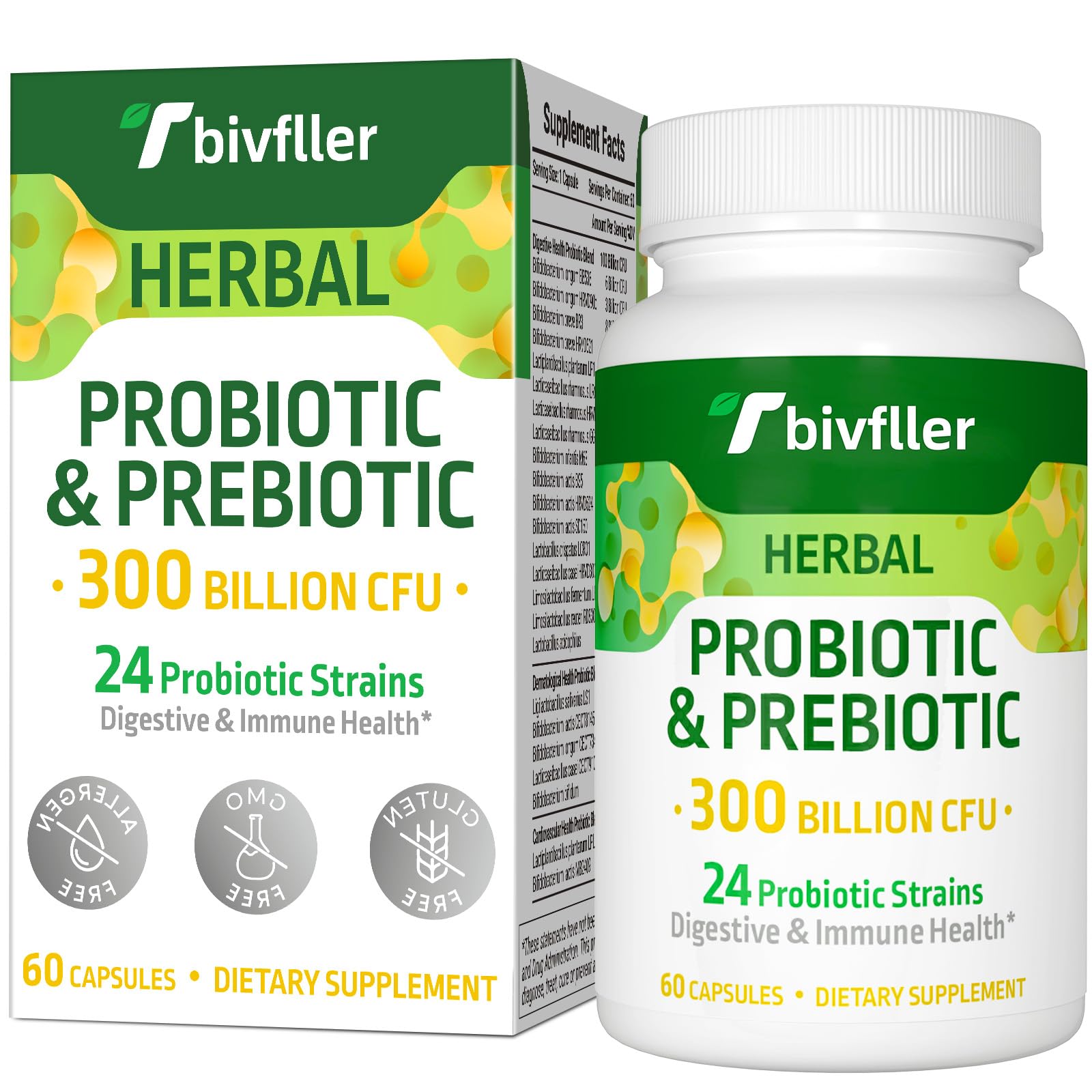
This formulation packs the highest CFU count in the roundup at 300 billion per serving, supported by 24 diverse probiotic strains and a 15-organic-herb prebiotic blend. The sheer strain diversity is designed to target multiple pathways of gut health and immune modulation simultaneously, making it a robust choice for systemic inflammation.
The delayed-release technology is a standout feature — it ensures the bacteria survive stomach acid and reach the intestinal tract alive, which is the single biggest failure point for lower-end probiotics. The inclusion of organic herbs like those in a natural gut cleanse formula adds a layer of prebiotic fiber that feeds the introduced cultures.
At a 2-month supply with one capsule per day, it offers strong value for someone who wants maximal CFU density and strain variety without requiring multiple pills. The vegan, non-GMO, gluten-free profile also aligns with clean-label priorities.
Why it’s great
- 300 billion CFU — highest potency for aggressive inflammation support
- 24 strains plus organic herb prebiotics for a 3-in-1 delivery
- Delayed-release technology for maximum survivability
Good to know
- Relatively new brand (2024) with shorter track record for long-term efficacy
- 300B CFU may be too strong for sensitive beginners — start slowly
2. Garden of Life Dr. Formulated Pre, Post & Probiotics
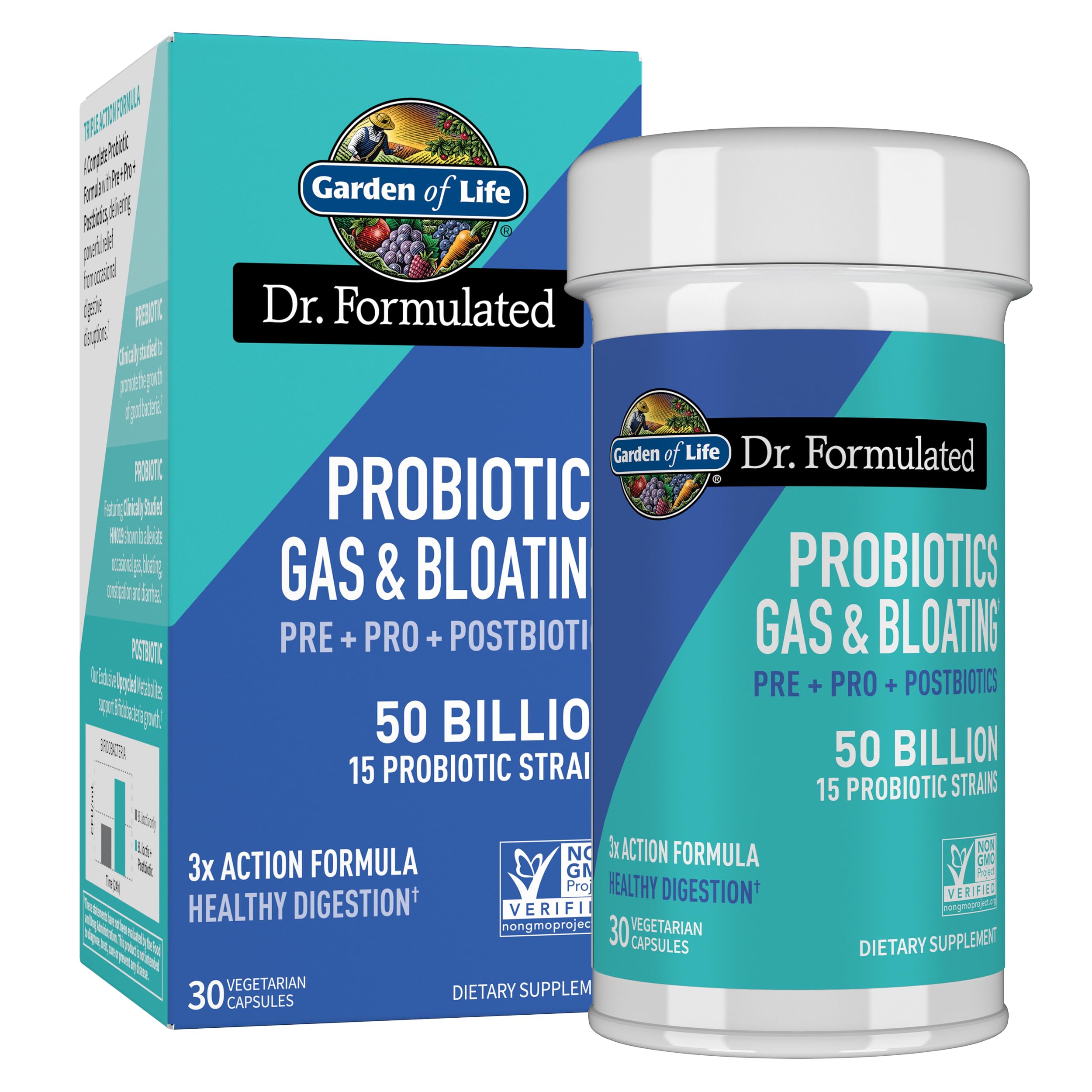
Garden of Life’s triple-action WholeBiotic formula combines 50 billion CFU from 15 strains, a prebiotic fiber blend (organic potato, acacia, and PreforPro), and postbiotic metabolites specifically designed for gas and bloating relief. The inclusion of the clinically studied HN019 strain gives this formula a clear anti-inflammatory edge backed by published research.
This is one of the few products that covers all three legs of the gut-health stool — prebiotic, probiotic, and postbiotic — in a single vegetarian capsule. The postbiotics are particularly relevant for inflammation because they include short-chain fatty acids that directly modulate immune cell activity in the gut lining.
NSF gluten-free certification and the absence of artificial dyes or fillers make it a clean choice for those with sensitivities. At 30 capsules per bottle, it’s a one-month supply that prioritizes clinical efficacy over raw CFU numbers.
Why it’s great
- Clinically studied HN019 strain for targeted inflammation support
- 3-in-1 prebiotic, probiotic, and postbiotic formula
- NSF certified gluten-free and vegan
Good to know
- 50B CFU is moderate — may not be enough for severe dysbiosis
- One-month supply requires monthly repurchase
3. Culturelle Pro Strength Daily Probiotic

Culturelle is the most scientifically validated probiotic on this list — Lactobacillus rhamnosus GG has been the subject of over 1,000 studies and 30 years of research. This strain is one of the most well-documented for improving gut barrier function and reducing inflammatory markers like CRP.
With 12 billion CFU per capsule, the CFU count is lower than competitors, but the clinical track record of L. rhamnosus GG compensates with proven survivability through stomach acid and targeted immune support. The addition of inulin as a prebiotic provides a simple, clean food source for the bacteria.
This is the best option for someone who wants a minimalist, research-first formula without 20+ strains that may introduce unknown variables. The 60-count bottle provides a full 2-month supply, and the gluten-free, soy-free, vegetarian profile keeps it widely accessible.
Why it’s great
- Over 1,000 studies backing L. rhamnosus GG for immune and gut health
- Proven survivability through harsh stomach acid
- 2-month supply with simple one-capsule daily dosing
Good to know
- Only 12B CFU — low potency for severe inflammation
- Single strain limits diversity compared to multi-strain blends
4. Probulin Colon Support Probiotic
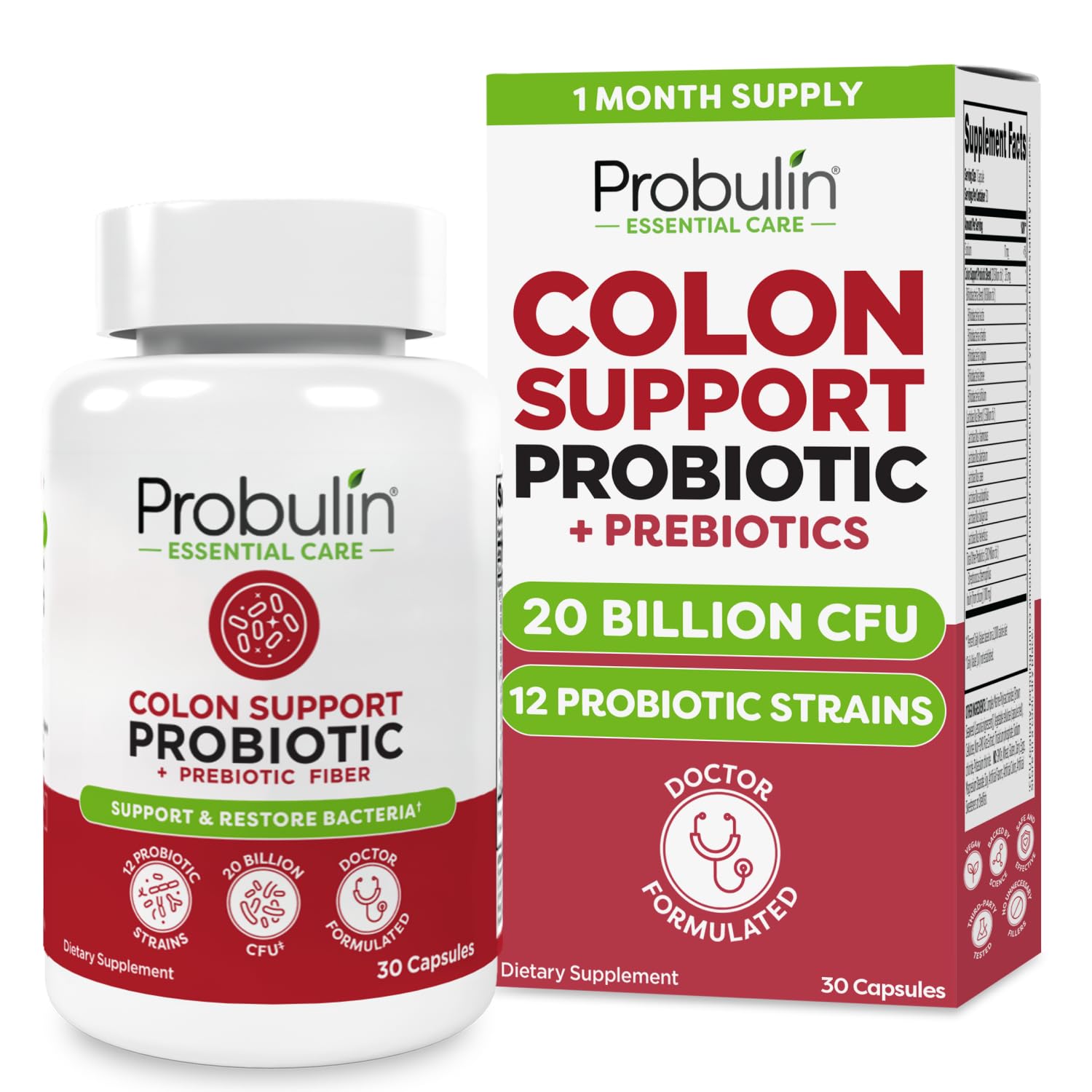
Probulin’s Colon Support formula takes a targeted approach by focusing on the colon’s unique microbiome, where the majority of immune cells reside. The 12-strain blend — including six Bifidobacterium species — is specifically chosen to colonize the large intestine and reduce local inflammation that can trigger systemic immune responses.
The capsule uses a seaweed-extract secondary barrier to protect against stomach acid and bile, which is a more advanced delivery system than standard vegetable capsules. Each serving also includes prebiotic fiber and electrolytes to keep the probiotics hydrated and nourished during transit to the colon.
At 20 billion CFU, it’s a mid-range potency that is ideal for someone who wants colon-specific support without overwhelming their system. The vegan formula is free of dairy, gluten, soy, and GMOs, and the company recommends taking it at bedtime for optimal colonization during sleep.
Why it’s great
- Colon-specific strain selection for targeted anti-inflammatory support
- Seaweed-extract secondary barrier for enhanced survivability
- Includes prebiotic fiber and electrolytes in each capsule
Good to know
- Only 30 servings per bottle — requires monthly ordering
- New formulation (2024) with limited long-term user feedback yet
5. BIOHM Total Probiotic

BIOHM takes a unique approach by including both bacterial strains (B. breve, L. acidophilus, L. rhamnosus) and a beneficial fungal strain (S. boulardii) along with the digestive enzyme amylase. This tripartite formula is designed to break down “digestive plaque” and support healthy Candida levels, which can be a hidden driver of inflammation.
The randomized placebo-controlled clinical trial backing this formula showed statistically significant reductions in bloating, abdominal discomfort, and flatulence compared to placebo. The patented BIOHM FX technology ensures survivability through low pH environments, and the shelf-stable capsules require no refrigeration.
At 30 billion CFU per daily capsule, it hits a sweet spot between potency and gentleness. The inclusion of S. boulardii is particularly valuable for anyone with a history of yeast overgrowth or antibiotic use, as this fungal strain helps rebalance the gut ecosystem in a way bacteria alone cannot.
Why it’s great
- Unique bacteria + fungi + enzyme formula for total gut balance
- Placebo-controlled clinical trial showing real symptom reduction
- Patented BIOHM FX technology for stomach acid survivability
Good to know
- 30-day supply only — higher cost per serving than some competitors
- S. boulardii may cause mild digestive adjustment in the first week
FAQ
How long does a probiotic take to reduce inflammation?
Is a higher CFU count always better for inflammation?
Can probiotics for inflammation help with joint pain?
Should I refrigerate my probiotics?
Final Thoughts: The Verdict
For most users, the probiotics for inflammation winner is the Tbivfller 300 Billion CFU because its 24-strain diversity and organic herb prebiotic blend offer the most comprehensive attack on gut-driven inflammation at the highest potency level. If you want a formula with the strongest clinical research pedigree, grab the Garden of Life Dr. Formulated with its 3-in-1 prebiotic, probiotic, and postbiotic synergy. And for targeted colon-specific support with a unique bacterial-fungal mix, nothing beats the Probulin Colon Support — or the BIOHM Total Probiotic for total gut balance backed by a clinical trial.