Starting a course of antibiotics is a targeted attack on an infection, but it is also a blunt-force trauma to your entire gut microbiome. The beneficial bacteria that regulate digestion, support immune function, and even influence mood get wiped out alongside the harmful pathogens. The result is often a familiar cascade of side effects: bloating, diarrhea, yeast overgrowth, and a general sense of digestive chaos. Rebuilding that ecosystem as quickly as possible is not just about comfort — it is about maintaining your body’s first line of defense.
I’m Mohammad Maruf — the founder and writer behind AirfryerBite. I have spent the last five years analyzing dietary supplement formulations, specifically how strain diversity and colony-forming unit (CFU) counts translate into real-world digestive recovery, especially during antibiotic therapy.
This guide breaks down the specific CFU thresholds, strain profiles, and delivery technologies that separate a genuinely effective supplement from a shelf-stable placebo. My goal is to help you identify the right probiotic to take with antibiotics so you can protect your gut health during and after treatment.
How To Choose The Best Probiotic To Take With Antibiotics
Buying a probiotic during an antibiotic course is different from picking up a general wellness supplement. The formula must be resilient enough to survive stomach acid, potent enough to replenish a heavily depleted colony, and diverse enough to cover the functions your medication is destroying. Focus on these four criteria.
CFU Potency and Strain Diversity
A minimum of 30 billion CFU per serving is the realistic starting point for antibiotic recovery. Anything lower may not have enough live organisms to compete with the medication’s constant bacterial kill-off. Strain diversity matters just as much — look for at least 10 distinct strains, with a strong representation of Lactobacillus and Bifidobacterium species. These two families are the workhorses of the lower gut and are most vulnerable to antibiotic damage.
Delivery Technology and Survivability
Standard capsules dissolve in the stomach, where harsh acids destroy a significant percentage of the fragile bacteria before they ever reach the intestines. Delayed-release capsules or enteric coatings are a critical feature for antibiotic pairing. They protect the probiotics until they pass through the stomach, releasing the contents directly into the small intestine and colon where they are actually needed. This technology can triple the number of viable organisms that survive passage.
Prebiotic and Postbiotic Synergy
A probiotic alone is only half the equation. Prebiotic fibers — such as organic potato starch, acacia fiber, or PreforPro — act as fuel that helps the newly introduced bacteria establish themselves and multiply. Postbiotics, which are the byproducts of bacterial fermentation, provide immediate support for the gut lining and immune signaling. A formula that combines all three components creates a complete ecosystem rather than a temporary bacterial transplant.
Quick Comparison
On smaller screens, swipe sideways to see the full table.
| Model | Category | Best For | Key Spec | Amazon |
|---|---|---|---|---|
| Linkvibe 300 Billion CFU | High Potency | Rapid gut repopulation after antibiotics | 300 Billion CFU / 12 strains | Amazon |
| Garden of Life Dr. Formulated | Triple Action | Digestive & immune support during medication | 30 Billion CFU / PRE+PRO+POST | Amazon |
| Totaria 14-in-1 Gut Health | 4-in-1 Formula | Complete microbiome restoration | 60 Billion CFU / 10 strains + enzymes | Amazon |
| Nutricost Probiotic Complex | Mid-Range Potency | Daily maintenance and mild recovery | 50 Billion CFU / vegetarian capsules | Amazon |
| NatureWise 60 Billion CFU | Budget Friendly | Entry-level antibiotic pairing | 60 Billion CFU / 17 strains | Amazon |
In‑Depth Reviews
1. Linkvibe 300 Billion CFU Probiotic
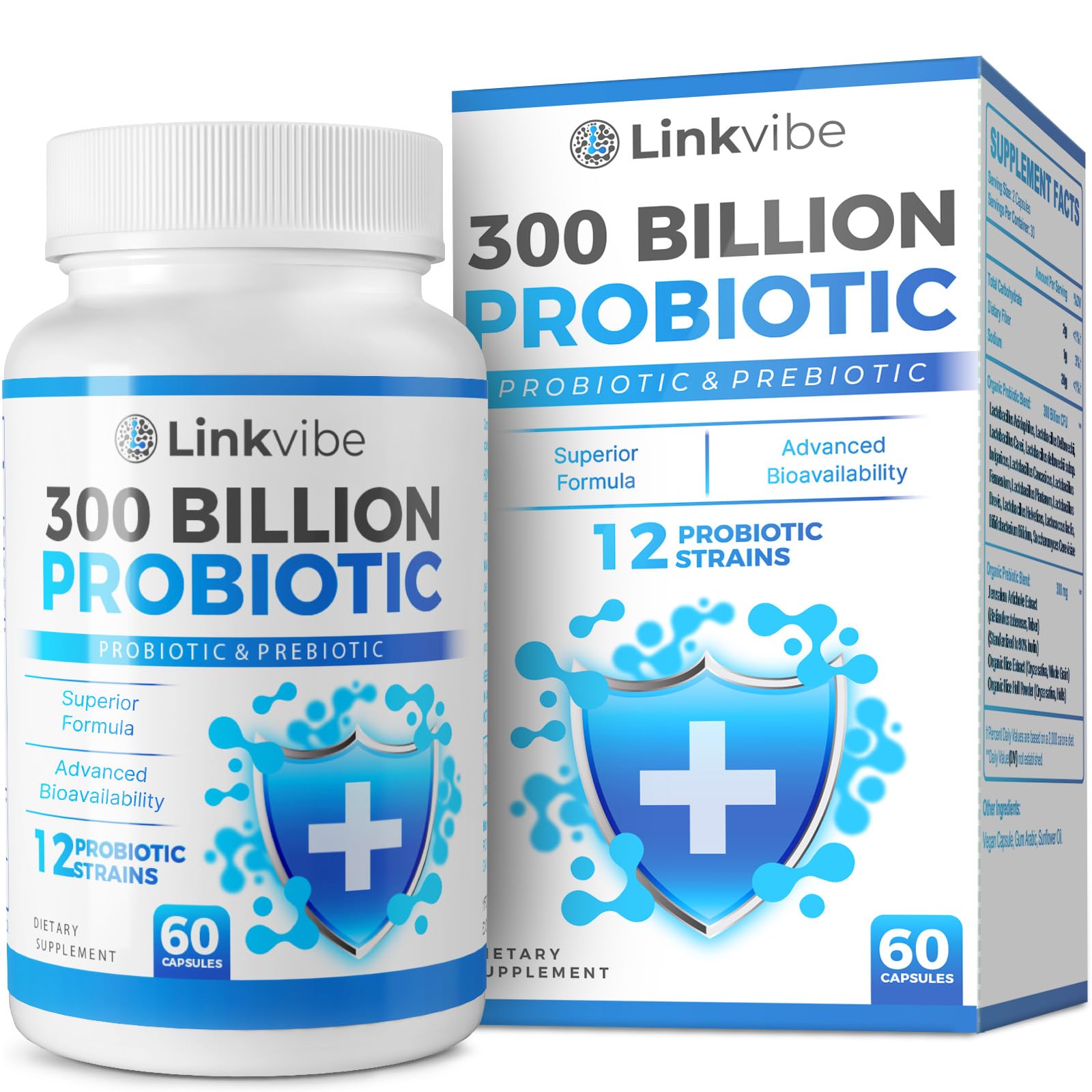
This is the highest CFU count in the lineup at 300 billion per serving, and it is paired with three organic prebiotic fibers to feed the incoming bacteria immediately. The strain list includes heavyweights like Lactobacillus and Bifidobacterium, which are precisely the families antibiotics decimate first. The delayed-release technology prevents the stomach acid from destroying the load before it reaches the gut.
Customer feedback consistently highlights rapid relief from bloating and discomfort within days, and several reviewers specifically mention using it to repair gut damage after antibiotic courses. The capsule size is manageable with no taste or strong odor, and the 60-count bottle provides a full 30-day supply at a per-serving cost that undercuts many lower-CFU competitors.
One practical consideration is potency management. Some users with very sensitive digestive systems found the 300 billion CFU load overwhelming initially. Starting with every-other-day dosing for the first week can help the gut adjust without distress. This is a premium-tier formulation that delivers measurable results for serious microbiome restoration.
Why it’s great
- Highest CFU count in the group for aggressive gut repopulation
- Includes organic prebiotic fibers to feed the new bacteria
- Delayed-release capsules improve survival through stomach acid
Good to know
- Extremely high potency may cause temporary gas for some beginners
- Non-refrigerated but store away from heat and moisture
2. Garden of Life Dr. Formulated Once Daily 3-in-1
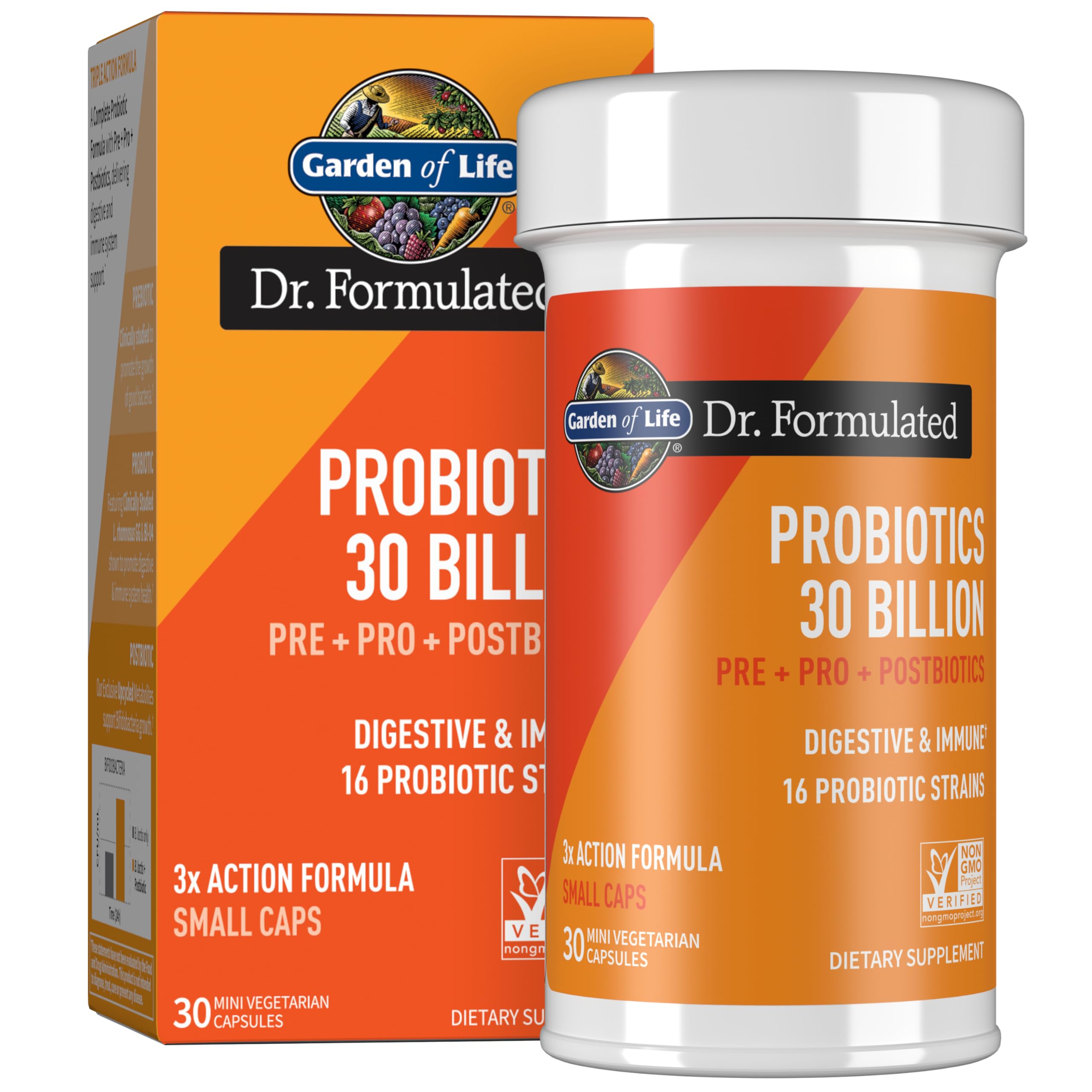
This is one of the few formulas that explicitly combines probiotics, prebiotics, and postbiotics in a single capsule. The 30 billion CFU dose is supported by 16 strains, including the clinically studied L. rhamnosus GG and B. lactis Bl-04. The inclusion of postbiotics — the beneficial metabolites produced by bacterial fermentation — provides immediate support for the gut lining while the live bacteria begin colonizing.
Users on antibiotics for cellulitis and other bacterial infections reported that this formula helped prevent the recurring yeast infections that often follow antibiotic therapy. The shelf-stable format and once-daily dosing make it easy to maintain consistency during a medication cycle. The non-GMO and NSF gluten-free certifications add a layer of quality assurance for people with dietary restrictions.
The lower CFU count compared to some competitors means it is less likely to cause initial digestive upset, making it a strong option for those who have never taken high-potency probiotics before. The only tradeoff is that for rapid recovery from heavy antibiotic courses, a higher CFU formula may be more effective in the first week.
Why it’s great
- Triple-action with prebiotics, probiotics, and postbiotics in one capsule
- Clinically studied strains including L. rhamnosus GG
- Non-GMO and NSF gluten-free certified
Good to know
- 30 billion CFU may be modest for aggressive antibiotic repopulation
- Renowned brand with a price point that reflects the research backing
3. Totaria 14-in-1 Gut Health 60 Billion CFU
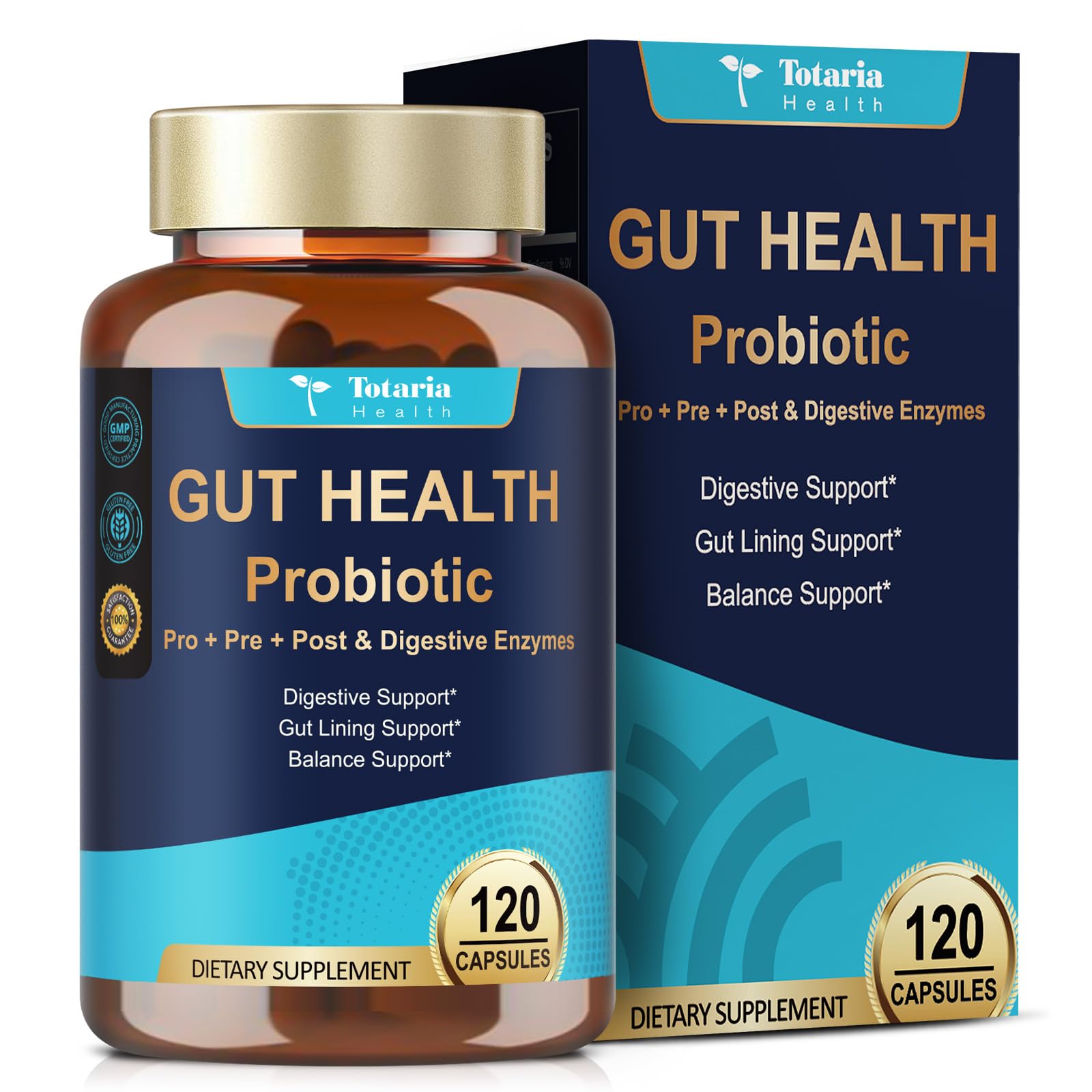
The 14-in-1 moniker refers to the combination of probiotics, prebiotics, postbiotics, and digestive enzymes — essentially a complete gut ecosystem in a 120-capsule bottle that lasts 60 days. The 60 billion CFU sits in a sweet spot that is potent enough for antibiotic recovery but not so aggressive that it shocks a sensitive gut. The 10 strains include BB-12, one of the most extensively studied probiotic strains for immune support.
Several reviewers noted that their bloating and burping stopped within just two days, and by day four they felt a complete return to normal digestive function. The inclusion of tributyrin and butyric acid — both postbiotics — helps repair the gut lining that antibiotics can irritate. The formula is free from gluten, dairy, soy, and artificial additives, making it clean enough for restricted diets.
The 60-day supply means fewer repurchases and a lower effective daily cost than many weekly-dose competitors. The only relative downside is the newer brand presence — Totaria does not have the decades of reputation that some established manufacturers carry, though early user satisfaction is strong.
Why it’s great
- 60-day supply with a potent 60 billion CFU per serving
- Includes digestive enzymes to aid absorption during gut recovery
- Contains butyric acid and tributyrin for gut lining repair
Good to know
- Newer brand with less long-term reputation data
- Two-capsule daily serving may add complexity to routine
4. Nutricost Probiotic Complex 50 Billion CFU
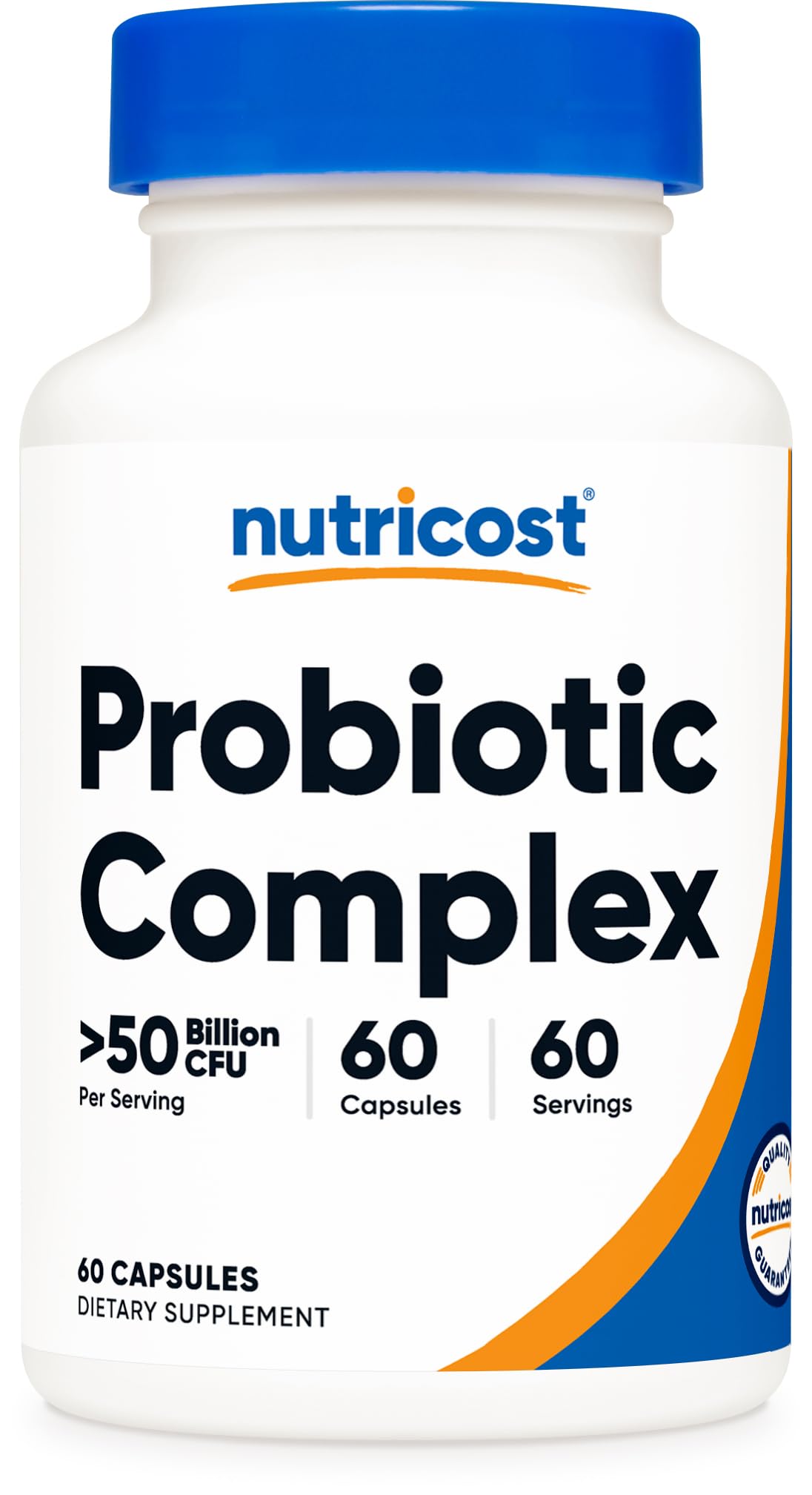
Nutricost has built a reputation for no-frills, third-party tested supplements at accessible price points, and this 50 billion CFU complex continues that pattern. The formula is straight-forward: multiple strains of beneficial bacteria in an easy-to-swallow capsule. It is made in a GMP-compliant, FDA-registered facility, which provides a baseline of manufacturing quality that matters when your gut is vulnerable.
Users who switched to this from single-strain brands like Philips Colon Health noted a noticeable improvement in digestive regularity and a reduction in acid reflux. Some even reported improvement in eczema and dermatitis symptoms, which tracks with the gut-skin axis. The capsule is compact with no aftertaste, and most users saw improvements within the first two weeks of daily use.
The critical detail here is that this probiotic requires refrigeration after opening. That is not a dealbreaker, but it does demand consistent fridge space and awareness during travel. If you are on antibiotics and need a travel-friendly option, the shelf-stable competitors in this lineup are more convenient.
Why it’s great
- Proven track record from a trusted supplement manufacturer
- 50 billion CFU is a solid mid-range potency for antibiotic pairing
- Third-party tested for purity and potency
Good to know
- Requires refrigeration after opening
- No prebiotic or postbiotic components included
5. NatureWise 60 Billion CFU Probiotics

NatureWise delivers 60 billion CFU from 17 strains plus organic prebiotics at a price point that undercuts most competitors by a noticeable margin. The sheer strain diversity — the highest in this lineup — means coverage across more niches of the gut microbiome, which is valuable when antibiotics have created a broad vacuum. The delayed-release capsule and shelf-stable bottle eliminate the refrigeration concern entirely.
Real users with IBS reported switching from expensive prescription-level brands to this supplement and seeing equal or better results. The formula is free from the top eight allergens, including wheat, eggs, soy, tree nuts, peanuts, fish, and shellfish, which simplifies things for people with food sensitivities. The 30-capsule bottle provides a full month at a single capsule per day.
The main limitation is that the formula lacks postbiotic support and digestive enzymes, so it is a pure probiotic-plus-prebiotic approach. For a budget-friendly entry into antibiotic gut recovery, it works well. If you need comprehensive gut lining repair alongside repopulation, the Totaria or Garden of Life options offer more complete coverage.
Why it’s great
- 17 strains for broad gut coverage at an entry-level price
- Delayed-release capsules survive stomach acid effectively
- Shelf stable with no refrigeration required
Good to know
- No postbiotic or digestive enzyme component
- 30-day supply runs faster if you need double dosing
FAQ
How many hours apart should I take my antibiotic and my probiotic?
Can I just eat yogurt instead of taking a probiotic capsule with antibiotics?
Is it safe to take a 300 billion CFU probiotic while on antibiotics?
Should I keep taking the probiotic after my antibiotic course finishes?
Final Thoughts: The Verdict
For most users, the probiotic to take with antibiotics winner is the Linkvibe 300 Billion CFU because its extreme potency and prebiotic support provide the fastest gut repopulation during a medication cycle. If you want a complete prebiotic-probiotic-postbiotic ecosystem in a single daily capsule, grab the Garden of Life Dr. Formulated 3-in-1. And for a budget-friendly 60-day supply that includes digestive enzymes for comprehensive recovery, nothing beats the Totaria 14-in-1 Gut Health formula.