Selecting a probiotic when you have gastritis isn’t as simple as grabbing the highest colony count off the shelf. An irritated stomach lining reacts differently to bacterial strains, and the wrong formulation can trigger more discomfort instead of relief. The goal is to find targeted strains that support the gastric mucosa and reduce inflammation without causing additional bloating or gas during the adjustment phase.
I’m Mohammad Maruf — the founder and writer behind AirfryerBite. My approach to evaluating digestive supplements focuses on strain specificity, delivery mechanisms that survive stomach acid, and third-party testing protocols that confirm potency through expiration.
After analyzing dozens of formulations and real user experiences, these selections stand out for their compatibility with sensitive digestive systems. This guide breaks down what makes each option effective so you can confidently choose the right probiotic for gastritis to support healing and daily comfort.
How To Choose The Best Probiotic For Gastritis
Gastritis means your stomach lining is inflamed, so adding bacteria to that environment requires precision. You need strains that reinforce the mucosal barrier and reduce inflammatory markers — not just any generic blend. Here are the three most important factors to evaluate before buying.
Strain Specificity Over CFU Count
A 100 billion CFU formula sounds powerful, but for gastritis, the specific strains matter far more than the sheer number. Look for strains like Lactobacillus rhamnosus and Bifidobacterium lactis, which have research backing their ability to strengthen the gut lining and reduce gastric inflammation. High CFU counts can sometimes overwhelm a sensitive stomach, so start with a moderate potency between 5 and 50 billion CFU and increase only if tolerated well.
Delivery Technology and Stomach Acid Survival
Standard capsules dissolve in the stomach, releasing probiotics into an acidic environment that kills most bacteria before they reach the intestines. For gastritis patients, this is doubly problematic because the stomach is already inflamed. Choose probiotics with delayed-release (enteric-coated) capsules or desiccant-lined packaging that protects the strains until they pass beyond the stomach acid. This ensures the bacteria arrive alive where they can actually colonize and support healing.
Purity and Additives in the Formula
Many probiotic supplements contain fillers, prebiotic fibers like inulin, or binders that can ferment and cause gas or bloating — exactly what you want to avoid with gastritis. Check the label for vegan, dairy-free, gluten-free, and soy-free certifications. The cleaner the formula, the less likely it is to trigger additional irritation. Third-party testing seals like Clean Label Project or GMP certification add an extra layer of confidence in purity.
Quick Comparison
On smaller screens, swipe sideways to see the full table.
| Model | Category | Best For | Key Spec | Amazon |
|---|---|---|---|---|
| Physician’s CHOICE 100 Billion | Advanced Probiotic | Gastric acid resistance | 100B CFU, 16 strains, delayed-release | Amazon |
| Designs for Health ProbioMed 50 | Clinical Probiotic | Strain transparency | 50B CFU, 10 strains, desiccant-lined bottle | Amazon |
| Thorne FloraMend Prime | Weight Support | Sensitive stomachs | 5B CFU, 3 strains, shelf-stable | Amazon |
| Keptrohy Akkermansia Muciniphila | Targeted Lining Support | Gut lining integrity | 300B AFU, delayed-release capsules | Amazon |
| MaryRuth’s 3-in-1 Probiotics | Pre+Pro+Postbiotic | Gentle daily maintenance | 50B CFU, 23 strains, Clean Label Certified | Amazon |
In‑Depth Reviews
1. Physician’s CHOICE 100 Billion Advanced Probiotic

This probiotic pairs 100 billion CFUs with 16 evidence-based strains plus organic prebiotics in a delayed-release capsule designed to survive stomach acid — exactly what gastritis patients need to avoid gastric irritation. The enteric coating ensures the live microbes bypass the inflamed stomach and reach the intestines where they can colonize effectively. Clinical evidence backs its strain diversity, including Lactobacillus acidophilus and Bifidobacterium lactis, both associated with reduced gastric inflammation.
User reports show significant relief from occasional bloating and stomach discomfort after heavy meals, with noticeable improvement around week three of consistent use. A customer managing SIBO successfully transitioned to this formulation after other brands failed to provide relief. The shelf-stable packaging maintains potency without refrigeration, and the formula is made in a cGMP facility with third-party testing for purity.
The capsules are designed for one daily dose, making compliance straightforward. Some users noted mild digestive adjustment during the first few days, which is typical when introducing high-CFU probiotics to a sensitive system. The combination of strain diversity, acid-resistant delivery, and prebiotic support makes this a robust choice for long-term gut health maintenance.
Why it’s great
- Delayed-release capsules protect strains from stomach acid
- Includes organic prebiotics to feed beneficial bacteria
- Shelf-stable, no refrigeration needed
Good to know
- High CFU count may require a few days of adjustment
- Prebiotics can cause gas in some sensitive individuals
2. Designs for Health ProbioMed 50
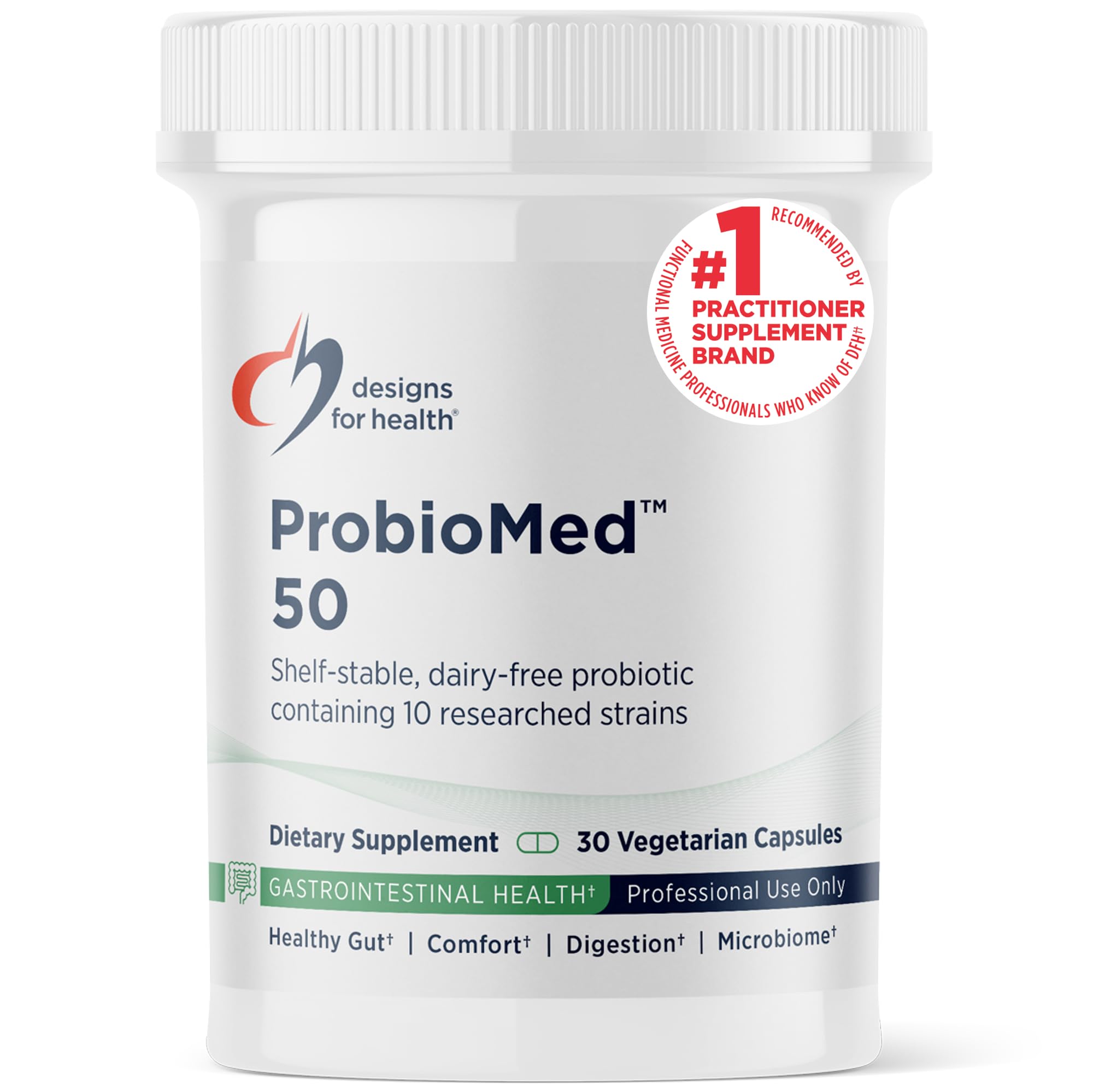
With 50 billion CFUs across 10 validated strains, this formulation includes both Lactobacillus rhamnosus and Bifidobacterium longum — both clinically associated with supporting healthy immune response and normal bowel movements without aggravating the gastric lining. The unique desiccant-lined packaging absorbs moisture, extending shelf life and maintaining potency without refrigeration, which is particularly useful for travelers.
Long-term users reported that this probiotic effectively restored gut bacteria after antibiotic and antifungal treatments for mold toxicity, with noticeable results around the 90-day mark. Another customer managing ME/CFS and fibromyalgia found it helped rebuild their microbiome without triggering flare-ups. The label provides full transparency on every strain, a rare level of detail that allows you to cross-reference against gastritis-friendly strains.
The capsules are vegan, dairy-free, and contain no fillers, reducing the risk of added irritation. Some users found that taking the probiotic every other day instead of daily was more comfortable during the initial phase. This makes it a flexible option for those who need to control the intensity of their probiotic intake while still receiving broad-spectrum support.
Why it’s great
- Full strain transparency for targeted selection
- Desiccant-lined packaging for moisture protection
- Vegan, dairy-free, and filler-free formula
Good to know
- May require 90 days for full microbiome restoration
- Some users prefer every-other-day dosing initially
3. Thorne FloraMend Prime Probiotic
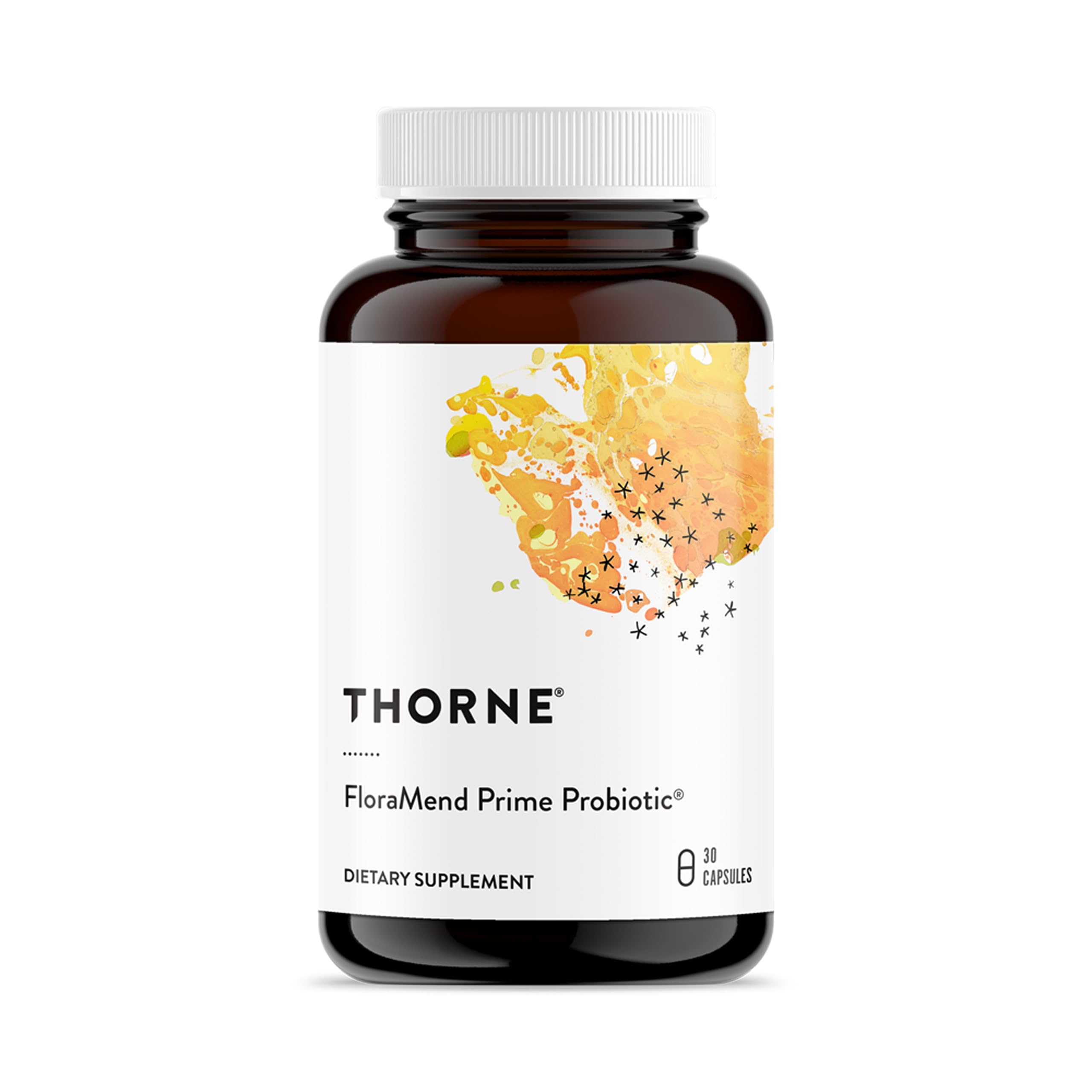
Thorne’s FloraMend Prime takes a low-and-slow approach with only 5 billion CFUs and three proprietary strains, making it one of the gentlest options for someone with acute gastritis who reacts strongly to higher-potency supplements. The formula is shelf-stable at room temperature through expiration, and each batch undergoes four rounds of testing — from raw material purity to finished shelf-life confirmation — giving you clinical-level confidence in what you’re ingesting.
The three-strain blend targets gut flora balance and immune support while also having research suggesting positive effects on BMI and body fat, which can be a secondary benefit for those whose digestive issues have affected metabolism. Users with very sensitive systems reported that this was the only probiotic they could tolerate without cramping or gas. The capsules are small and easy to swallow, and the brand is trusted by over 100 professional sports teams.
The primary limitation is the lower CFU count — 5 billion is less than what some protocols recommend for significant microbiome shifts. However, for gastritis patients who need to start with minimal bacterial load to avoid triggering inflammation, this low-potency approach is actually a strategic advantage. It’s a safe starting point before potentially graduating to higher-count formulas.
Why it’s great
- Extremely gentle on sensitive stomachs
- Four rounds of quality testing per batch
- Shelf-stable through expiration date
Good to know
- Low CFU count may not be enough for advanced cases
- Higher price per CFU compared to other options
4. Keptrohy 300 Billion AFU Akkermansia Muciniphila

This supplement focuses specifically on Akkermansia muciniphila, a strain that naturally comprises about 4% of a healthy gut microbiome but is often low or absent in people with compromised gut health. The 300 billion AFU potency is delivered in delayed-release capsules that protect the bacteria from stomach acid, allowing them to reach the intestines and support the gut lining — critical for gastritis patients whose mucosal barrier may be weakened.
The formula also includes vitamins B2 and D, which participate in digestive processes and immune function respectively. Users reported increased vigor and better digestive balance without side effects or aftertaste. The capsules are tiny and easy to swallow, and the shelf-stable, non-refrigerated bottle makes daily use convenient. However, it’s important to note that this product is not recommended for individuals under 18, or for those who are pregnant, breastfeeding, or elderly.
Sourcing a specific strain like Akkermansia muciniphila is more challenging than standard multispecies probiotics, which is reflected in its price point. The delayed-release technology is a standout feature because Akkermansia is particularly sensitive to oxygen and acidity. This formulation addresses both delivery and potency constraints better than most single-strain options on the market.
Why it’s great
- Targeted support for gut lining integrity
- Delayed-release capsules ensure strain survival
- Includes immune-supporting vitamins B2 and D
Good to know
- Not suitable for pregnant, elderly, or under-18 users
- Single-strain focus may not cover broader microbiome needs
5. MaryRuth’s 3-in-1 Probiotics for Digestive Health

MaryRuth’s combines prebiotics, probiotics, and postbiotics in one capsule with 50 billion CFUs across 23 unique strains, making it one of the most diverse formulations suitable for daily gut maintenance. The blend includes Lactobacillus acidophilus and Bifidobacterium lactis, both relevant for gastric health. The formula is vegan, Non-GMO, dairy-free, gluten-free, soy-free, and sugar-free — a clean profile that minimizes the risk of triggering gastritis flare-ups.
Users in their 60s reported that this probiotic was easy on the stomach and improved overall gut health without bloating or cramping. Another long-term user noted it helped regulate bowel movements predictably after four months of daily use. The Clean Label Project certification and B Corp status add credibility to the purity claims. The capsule size is standard and easy to swallow, with no aftertaste reported.
Some users experienced mild diarrhea during the first week as their digestive system adjusted, which resolved without further issues. The inclusion of prebiotics means there is a small risk of fermentation-related gas, though most users did not report this as a problem. For those seeking a budget-friendly option with broad strain diversity and a certified clean label, this is a strong entry-level choice.
Why it’s great
- Certified by Clean Label Project for purity
- 23 unique strains plus prebiotics and postbiotics
- Free from common allergens like dairy and soy
Good to know
- Initial adjustment period may cause mild digestive changes
- Prebiotic component may cause gas in sensitive users
FAQ
Can a Probiotic For Gastritis make my symptoms worse?
Should I take my probiotic with or without food for gastritis?
How long does it take for a probiotic to help gastritis symptoms?
Final Thoughts: The Verdict
For most users, the probiotic for gastritis winner is the Physician’s CHOICE 100 Billion Advanced Probiotic because its delayed-release delivery ensures strains survive stomach acid and the 16-strain diversity covers both digestive and immune support without overwhelming the system. If you want targeted gut lining reinforcement, grab the Keptrohy Akkermansia Muciniphila. And for a sensitive stomach needing a gentle starting point, nothing beats the Thorne FloraMend Prime.