Rebuilding your gut flora after a bout of food poisoning isn’t optional—it’s the single most critical step to stopping the cycle of loose stools, abdominal cramping, and lingering digestive sensitivity. The wrong probiotic can sit useless in your stomach acid, while the right one, with a verified CFU count and acid-resistant capsule, actively displaces the pathogenic bacteria that disrupted your microbiome in the first place.
I’m Mohammad Maruf — the founder and writer behind AirfryerBite. I’ve spent years analyzing gut health supplements, decoding the difference between marketing CFU numbers and clinically effective strains, and identifying which capsule technologies actually survive the harsh gastric environment to reach your intestines alive.
Whether you need a high-potency bi-phasic release capsule or a multi-strain formula gentle enough for a sensitive post-infection stomach, this guide cuts through the noise to reveal the true probiotic after food poisoning rebuilding plan.
How To Choose The Best Probiotic After Food Poisoning
Selecting a probiotic for post-food poisoning recovery differs from general daily maintenance. Your gut lining is inflamed, your native bacterial colonies are decimated, and you need rapid repopulation with strains that can adhere to the intestinal wall and crowd out residual pathogens. Here are the key factors to prioritize.
CFU Count and Viability Through Expiration
Colony Forming Units (CFU) measure the number of viable bacteria per dose. For post-infection rebuilding, look for at least 30 to 50 billion CFU per serving. More importantly, the brand must guarantee that CFU count through the printed expiration date—not just at the time of manufacture. A probiotic that loses potency on the shelf is useless for aggressive gut restoration.
Capsule Delivery Technology: Acid Resistance Is Non-Negotiable
Stomach acid is the first obstacle your probiotic bacteria face. Standard capsules expose delicate strains to a pH of 1.5 to 3.5, killing a significant portion before they reach the intestines. Delayed-release capsules (DRcaps) or enteric-coated capsules protect the bacteria through the stomach, releasing them in the higher-pH environment of the small intestine where colonization actually happens. Look for explicit “acid-resistant” or “delayed-release” labeling.
Strain Diversity and Clinical Relevance
Not all strains are equal for post-poisoning recovery. Lactobacillus rhamnosus GG and Saccharomyces boulardii have the strongest clinical evidence for reducing the duration of diarrhea and preventing recurrent Clostridium difficile infections. A multi-strain formula that includes both Lactobacillus and Bifidobacterium species provides broader coverage, but the presence of a prebiotic fiber (like inulin) can sometimes cause gas or bloating in a newly sensitive gut—proceed with caution.
Quick Comparison
On smaller screens, swipe sideways to see the full table.
| Model | Category | Best For | Key Spec | Amazon |
|---|---|---|---|---|
| Sports Research Daily Probiotics with Prebiotics | Mid-Range | High Potency General Recovery | 60 Billion CFU, Delayed-Release | Amazon |
| Supplements Studio 3-In-1 Probiotics | Mid-Range | Gentle Multi-Enzyme Support | 10 Strains + Enzymes, DRcaps | Amazon |
| Wholesome Wellness Digestive Enzymes Plus Probiotics | Mid-Range | Extended 6-Month Supply Value | 10 Billion CFU + 1000mg Enzymes | Amazon |
| ProBioCare Probiotic for Women | Premium | Targeted Vaginal & Immune Support | 50 Billion CFU, 34 Strains | Amazon |
| Renew Life Women’s Probiotic | Premium | Clinically Researched Vaginal & Digestive Health | 25 Billion CFU, L. Rhamnosus GG | Amazon |
In‑Depth Reviews
1. Sports Research Daily Probiotics with Prebiotics

Sports Research delivers a 60-billion-CFU punch per capsule with a 12-strain blend that spans both Lactobacillus and Bifidobacterium species—exactly the diversity needed to repopulate a gut ravaged by food poisoning. The delayed-release veggie capsule ensures those billions of bacteria bypass stomach acid and arrive alive in the small intestine where adhesion matters most.
The 60mg of inulin prebiotic fiber feeds the incoming bacteria, but it’s a low enough dose that even a sensitive post-illness digestive tract typically tolerates it without excessive gas. Multiple verified reviews report noticeable bloating reduction within one to two weeks, along with restored bowel regularity. The capsule itself is tasteless, odorless, and small enough to swallow easily on a queasy stomach.
Shelf stability through the expiration date is guaranteed, a critical feature since a probiotic that dies on the shelf offers zero recovery value. Certified non-GMO, gluten-free, and vegan, this formula avoids the common fillers and binders that can aggravate a healing gut.
Why it’s great
- High 60 billion CFU count for aggressive recolonization
- Delayed-release capsule protects bacteria from stomach acid
- 12 diverse strains target full-spectrum gut recovery
- Potency guaranteed through expiration date
Good to know
- Contains inulin prebiotic that may cause mild gas in ultra-sensitive users
- Only 30 capsules per bottle (one-month supply)
2. Supplements Studio 3-In-1 Probiotics with Digestive Enzymes

This 3-in-1 formula bundles probiotics, prebiotics, and digestive enzymes into a single daily capsule—a smart approach when your pancreas is still underproducing enzymes after an infection. The 10-strain probiotic blend provides moderate diversity, but the real differentiator is the inclusion of papain and bromelain, proteolytic enzymes that help break down food proteins your gut may struggle to process during recovery.
Delayed-release DRcaps ensure the probiotic strains survive the stomach environment, and users report that this is one of the gentler formulas on a sensitive system. Verified reviews specifically mention relief from GLP-1 medication side effects like heartburn and sulfur burps, suggesting the enzyme component provides added digestive ease that a plain probiotic cannot.
The clean label is impressive—free from magnesium stearate, rice flour, GMOs, soy, and fillers. At 60 capsules per bottle, this gives two months of daily dosing. Third-party lab testing for heavy metals and purity adds confidence for a gut that is in a vulnerable state.
Why it’s great
- Combines probiotics, prebiotics, and digestive enzymes for comprehensive recovery
- DRcaps technology for reliable intestinal delivery
- Free from common fillers that irritate healing guts
- Third-party tested for heavy metals and purity
Good to know
- CFU count not explicitly stated in high billions
- Enzymes may be redundant if taking a separate digestive aid
3. Wholesome Wellness Digestive Enzymes Plus Probiotics
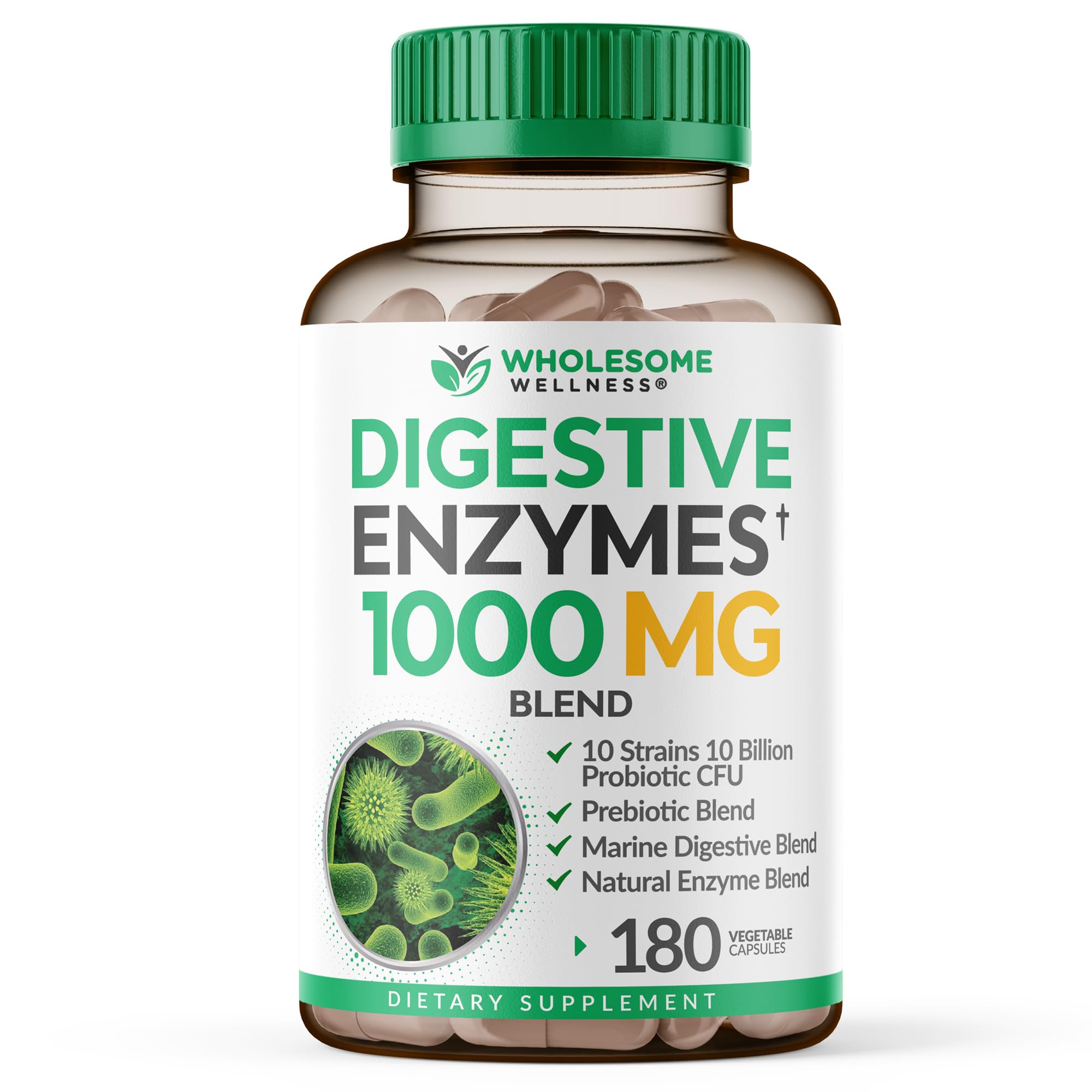
With 180 capsules per bottle, Wholesome Wellness delivers a 3-to-6-month supply at a single purchase—ideal for anyone who wants sustained gut rebuilding without monthly reordering. Each capsule provides 1000mg of clinical-grade digestive enzymes alongside a 10-billion-CFU, 10-strain probiotic blend, making this a high-dose enzyme formula first with probiotic support built in.
The enzyme panel is unusually comprehensive: amylase, protease, lactase, lipase, cellulase, hemicellulase, alpha-galactosidase, and bromelain are all present. This breadth is particularly useful if food poisoning damaged your brush-border enzyme production, because it helps break down fats, proteins, carbs, and dairy simultaneously. The probiotic strains include Lactobacillus acidophilus, plantarum, casei, and multiple Bifidobacterium species—solid coverage for general recolonization.
The formula is organic, vegan, non-GMO, and free from soy, dairy, peanuts, eggs, and shellfish. Users consistently note reduced bloating and gas within the first week. The only trade-off is the lower CFU count compared to a dedicated probiotic; if your primary goal is aggressive bacterial repopulation, you may want a higher-CFU option for the first month.
Why it’s great
- Massive 180-count supply for extended recovery periods
- Broad enzyme panel supports digestion of fats, proteins, and dairy
- Organic, vegan, and free from common allergens
- User reports of rapid bloating and gas reduction
Good to know
- Only 10 billion CFU—lower than dedicated probiotics
- Enzyme-heavy formula may be overkill if enzyme production is normal
4. ProBioCare Probiotic for Women
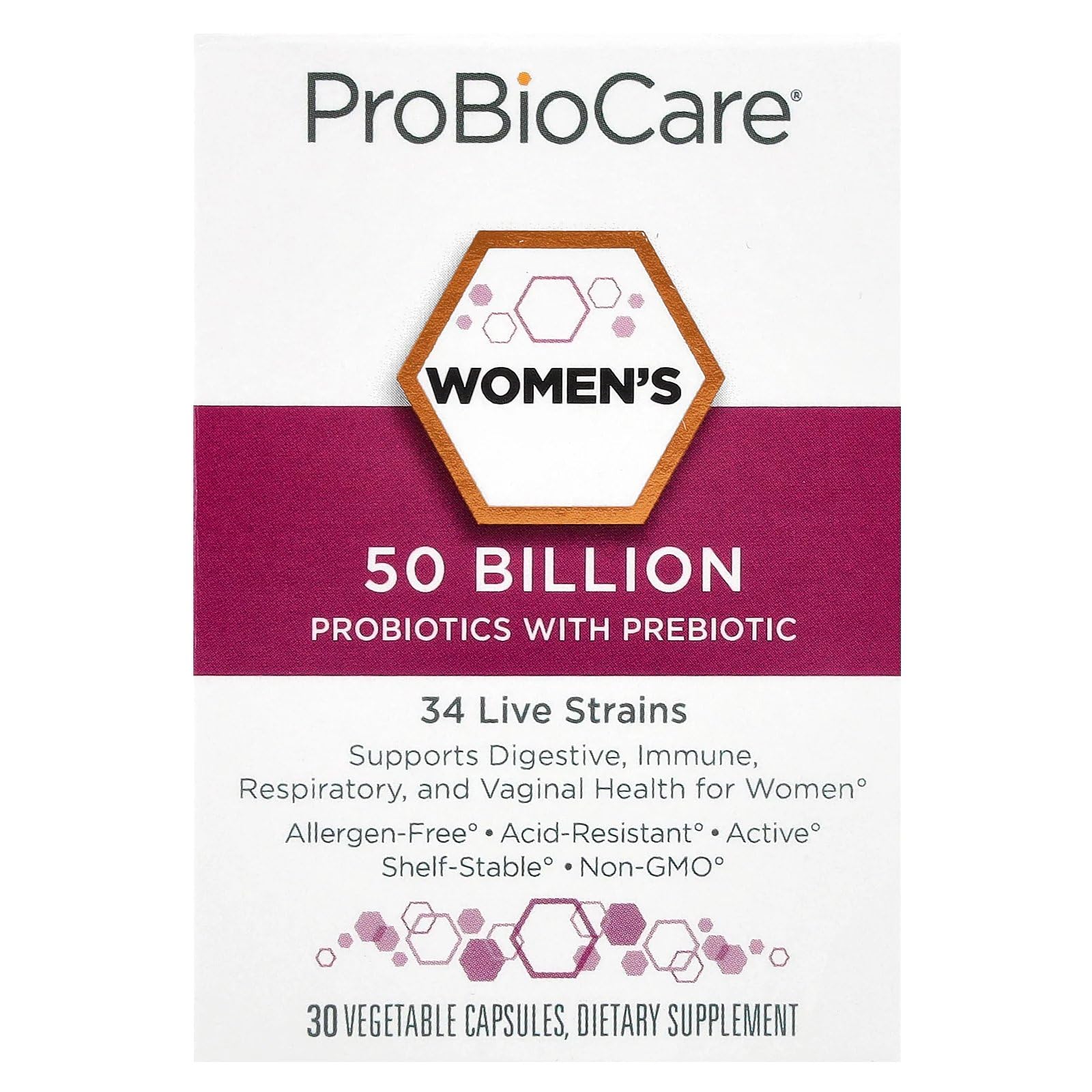
ProBioCare stands out with an extraordinary 34 live probiotic strains in a single capsule—one of the most diverse blends on the market. Diversity matters after food poisoning because different pathogens deplete different niches of your microbiome. A 34-strain formula increases the probability that the exact species your gut lost will be replenished.
The 50-billion-CFU potency is competitive for post-infection recovery, and the acid-resistant vegetable capsule is designed to survive stomach acid and release in the intestines. The formula specifically targets digestive, immune, respiratory, and vaginal health, making it a fit for women who experience yeast imbalances following antibiotic treatment for food poisoning.
As a member of The Vitamin Shoppe family, ProBioCare undergoes rigorous third-party testing for purity and potency. Users report noticeable improvement in bloating and digestion within days. The main downside is the smaller 30-count bottle, which provides only a one-month supply at the maximum dose.
Why it’s great
- Exceptional 34-strain diversity for broad microbiome coverage
- 50 billion CFU potency suitable for aggressive recolonization
- Acid-resistant capsules for reliable intestinal delivery
- Third-party tested from a trusted supplement family
Good to know
- Only 30 capsules per bottle (one-month supply)
- Marketed primarily for women, though strains benefit any gender
5. Renew Life Women’s Probiotic
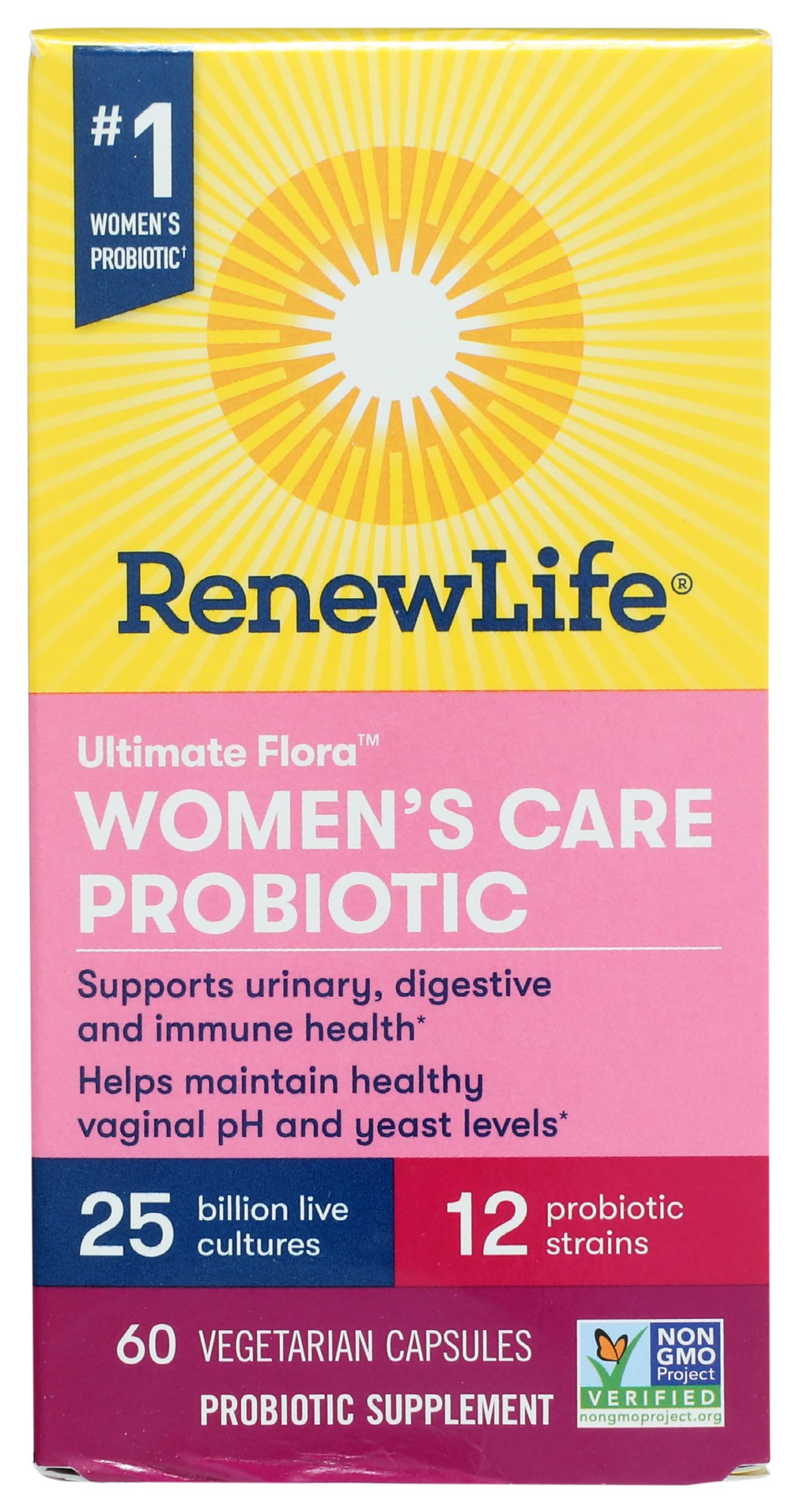
Renew Life is the number-one-selling women’s probiotic for a reason: it uses the clinically researched L. Rhamnosus GG strain, which has the strongest evidence base for preventing recurrent C. difficile infections and reducing the duration of infectious diarrhea. After food poisoning, this strain alone can tip the balance back in favor of healthy gut flora.
Each capsule delivers 25 billion CFU from 12 different strains, including targeted support for vaginal pH balance and urinary health—important if antibiotics were used during your illness. The formula is non-GMO verified, gluten-free, dairy-free, and soy-free, and the potency is guaranteed through the expiration date, not just at manufacture.
The 60-count bottle provides two months of daily dosing, making the per-dose cost highly competitive for a premium brand. Users consistently report reduced bloating, improved digestion, and resolution of vaginitis symptoms within one to two weeks. If you want a strain-specific, clinically-proven option for post-poisoning recovery, this is the gold standard.
Why it’s great
- Clinically studied L. Rhamnosus GG strain for diarrheal recovery
- Potency guaranteed through expiration date
- Targets vaginal, urinary, digestive, and immune health simultaneously
- 60-count bottle offers excellent value for a premium brand
Good to know
- 25 billion CFU is lower than some competing options
- Marketed for women; men may prefer a unisex formula
FAQ
How soon after food poisoning should I start taking a probiotic?
Should I choose a probiotic with or without prebiotic fiber after food poisoning?
Final Thoughts: The Verdict
For most users, the probiotic after food poisoning winner is the Sports Research Daily Probiotics with Prebiotics because its 60-billion-CFU dose and delayed-release capsule provide the highest probability of live delivery to the intestines. If you want targeted strain-specific support, grab the Renew Life Women’s Probiotic. And for an extended recovery period without monthly reordering, nothing beats the Wholesome Wellness 180-count combo.