The challenge of meeting higher protein needs during pregnancy while battling morning sickness, food aversions, and the constant concern about what is actually safe to put into your body is a real daily struggle. A standard protein shake can do more harm than good if it contains questionable additives, excessive sugar, or heavy metals, yet the need for adequate amino acids for fetal development and maternal tissue growth only intensifies with each passing week.
I’m Mohammad Maruf — the founder and writer behind AirfryerBite. I’ve spent years analyzing nutritional supplement formulations, decoding third-party testing certifications, and cross-referencing clinical data to separate truly clean products from those riding marketing hype, with a specific focus on prenatal and postpartum wellness categories.
Whether you are navigating first-trimester nausea or looking to support lactation demands, finding the right pregnancy protein powder requires a keen eye on ingredient transparency, macros, and independent contaminant testing protocols.
How To Choose The Best Pregnancy Protein Powder
Selecting a safe and effective prenatal protein supplement goes beyond simply checking the grams of protein per serving. You must look at the sourcing of the protein, the presence of any third-party certifications, and whether the formulation addresses the specific demands of pregnancy and breastfeeding without unnecessary fillers or artificial sweeteners that can exacerbate nausea or trigger intolerances.
Prioritize Third-Party Testing for Contaminants
Heavy metals like lead, cadmium, and arsenic can accumulate in protein powders over time, and the developing fetus is particularly vulnerable to these neurotoxins. Look for products with a Clean Label Project Certification or an Informed Sport / Informed Protein verification, which indicates that every batch has been screened for over 200 environmental contaminants and banned substances. This is non-negotiable for any product you plan to consume daily during pregnancy.
Evaluate the Protein Source and Digestive Compatibility
Pregnancy often alters digestive tolerance. Grass-fed whey isolate provides a complete amino acid profile with fast absorption, but some women develop lactose sensitivity during gestation. In those cases, a plant-based blend featuring pea protein, which is hypoallergenic and easily digested, becomes the better choice. Also, note whether the powder includes digestive enzymes or probiotics to reduce bloating — a common complaint when increasing protein intake.
Check for Added Functional Nutrients
A smart pregnancy protein powder does more than just deliver protein. Choline is critical for fetal neurodevelopment, and many women fall short of the recommended 450 mg daily intake. Collagen peptides support skin elasticity and connective tissue integrity during the rapid expansion of the belly. Prebiotic fiber aids digestion and helps maintain regular bowel movements, a major concern during the third trimester. Each additional functional ingredient adds specific value beyond simple muscle recovery.
Quick Comparison
On smaller screens, swipe sideways to see the full table.
| Model | Category | Best For | Key Spec | Amazon |
|---|---|---|---|---|
| Pink Stork Pregnancy & Postpartum | Whey + Collagen | Prenatal energy & hydration | 20g whey + collagen + electrolytes | Amazon |
| Ritual Prenatal Vegan Protein | Plant-Based | Choline-rich neuro support | 20g pea protein + 250mg choline | Amazon |
| Perelel Triple-Support Plant Protein | Plant-Based | All-in-one with creatine | 20g protein + 3g creatine + 5g fiber | Amazon |
| Orgain Protein Powder + Collagen | Organic Blend | Skin & joint support | 25g protein + 10g collagen + probiotics | Amazon |
| Just Ingredients Chocolate | Grass-Fed Whey | Clean keto-friendly profile | 24g grass-fed whey + multi-source blend | Amazon |
| Premier Protein Plus Fiber | Whey + Fiber | Gut health & fullness | 25g whey protein + 7g prebiotic fiber | Amazon |
| Needed. Hydrolyzed Collagen | Standalone Collagen | Pelvic floor & connective tissue | Grass-fed, hormone-free, tasteless powder | Amazon |
In‑Depth Reviews
1. Pink Stork Pregnancy & Postpartum Protein Powder
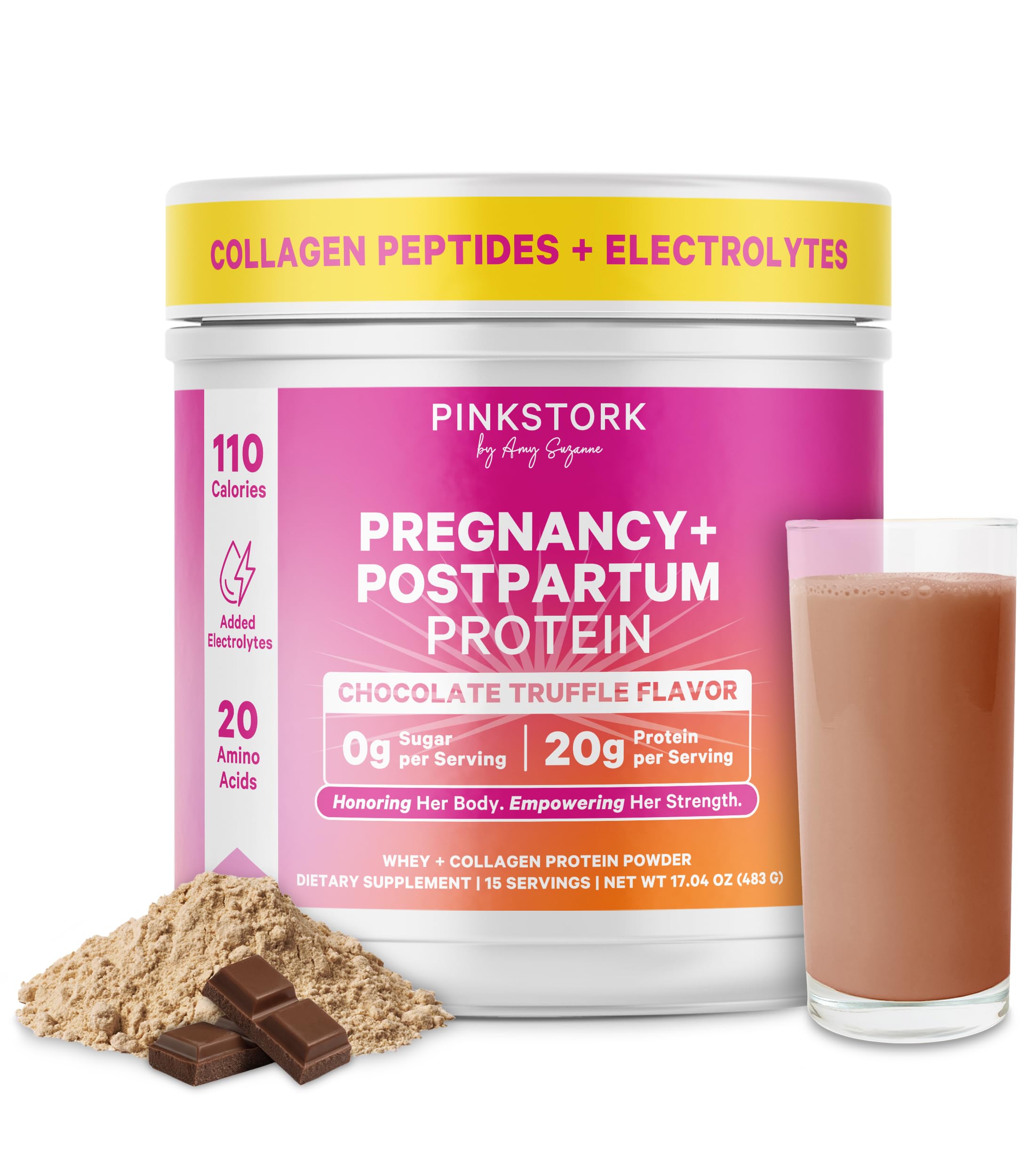
Pink Stork formulated this specifically for prenatal and postpartum needs, combining 20 grams of whey protein with bovine collagen and a clean electrolyte blend for hydration support. The chocolate truffle flavor uses natural sweetness that mixes readily into water or milk without a gritty residue, making it a practical choice for women struggling with food aversions during the first trimester.
The inclusion of electrolytes directly addresses the increased hydration demands during pregnancy and lactation, while the whey-collagen hybrid provides both fast-absorbing amino acids and structural support for skin elasticity and joint comfort. Many users report that it settles well on the stomach compared to standard protein shakes, which is a meaningful advantage when nausea is a daily hurdle.
Each 15-serving tub delivers a compact package that fits easily into a diaper bag, and the brand’s commitment to third-party testing offers peace of mind regarding heavy metal contamination. The only recurring feedback is that the sweetness level can feel strong for those accustomed to unsweetened powders, and batch consistency has occasionally shifted in flavor intensity.
Why it’s great
- Specifically designed for pregnancy and postpartum nutritional demands
- Includes electrolytes for hydration support during lactation
- Whey and collagen blend supports both muscle recovery and connective tissue
Good to know
- Some users find the chocolate flavor overly sweet
- Smaller serving count per container compared to standard protein tubs
2. Ritual Prenatal Vegan Protein Powder

Ritual took a deliberately science-led approach by centering this formula around 250 milligrams of choline per serving — a nutrient that the American Medical Association has flagged as critically under-consumed during pregnancy. The plant-based pea protein delivers 20 grams of complete amino acids without relying on dairy, making it safe for women with lactose intolerance or those following a vegan lifestyle.
The flavor profile layers vanilla with subtle caramel and spice notes, and the powder mixes smoothly with no chalky aftertaste, a direct result of avoiding stevia and sugar alcohols entirely. Its Informed Sport and Informed Protein certifications mean every batch is tested for heavy metals and over 250 banned substances, which is a rare and rigorous standard in the prenatal supplement space.
The brand deliberately omitted a scooper to reduce plastic waste, requiring 5 tablespoons per serving, which takes some getting used to. Some users note that the texture is slightly thinner than whey-based shakes when mixed with water, but it performs beautifully in smoothies and baked goods like banana muffins or overnight oats.
Why it’s great
- 250mg of choline per serving to support fetal brain development
- Rigorous third-party testing for heavy metals and banned substances
- No stevia, no sugar alcohols, no artificial aftertaste
Good to know
- No scoop included; requires measuring with tablespoons
- Thinner consistency when mixed with water alone
3. Perelel Triple-Support Plant Based Protein Powder
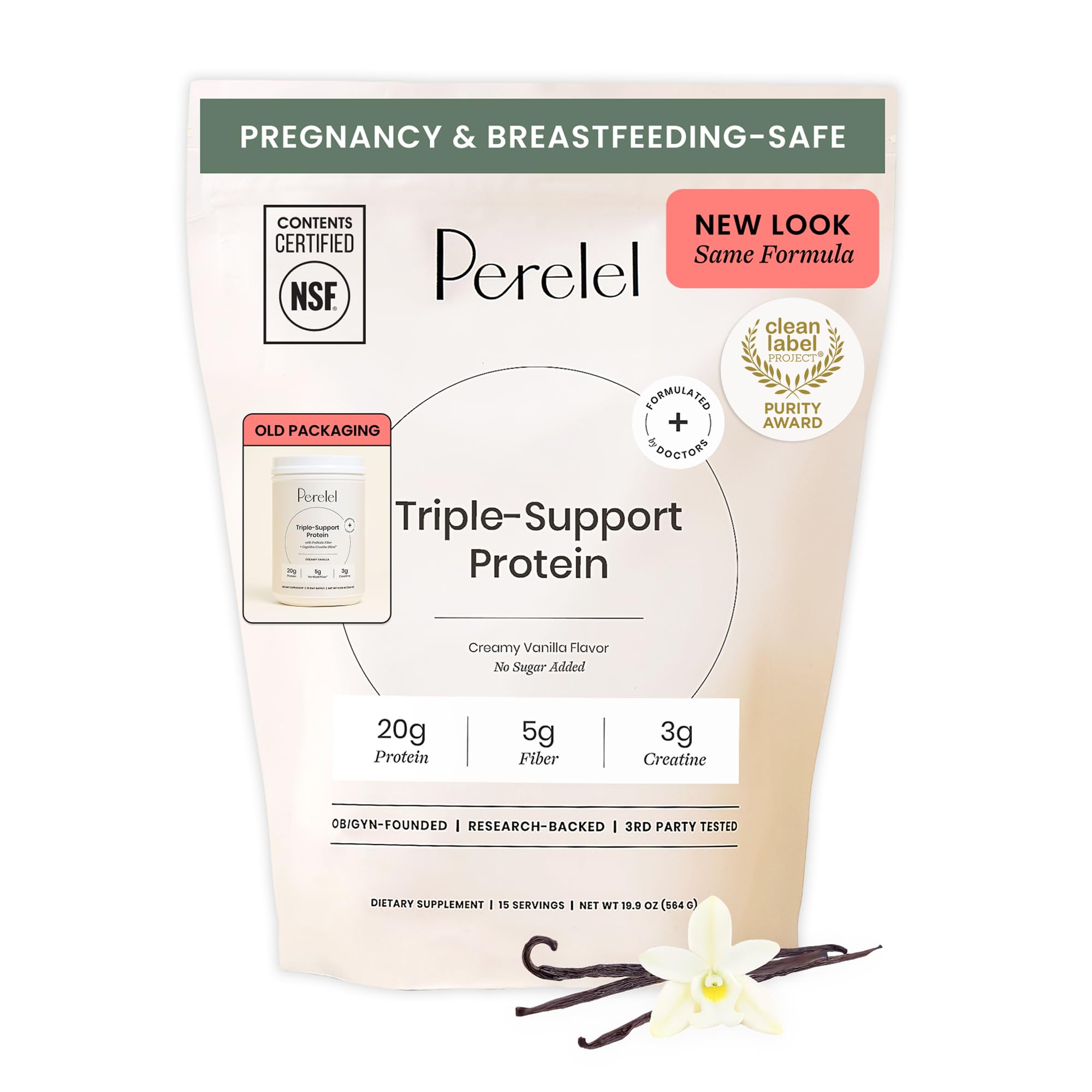
Perelel stands out by combining 20 grams of pea protein with 3 grams of creatine monohydrate — a compound typically associated with athletic performance but increasingly recognized for its role in cognitive energy and muscle support during pregnancy. Each serving also packs 5 grams of non-bloating prebiotic fiber, addressing the digestive sluggishness that often accompanies the second and third trimesters.
The formula is Clean Label Project Certified, meaning it has passed independent testing for over 200 environmental contaminants including heavy metals, pesticide residues, and plasticizers. Developed by OB/GYNs and naturopathic doctors, it is intentionally low FODMAP, soy-free, and dairy-free, which reduces the chance of triggering IBS-like symptoms that can complicate prenatal nutrition.
Feedback highlights that the creamy vanilla flavor blends exceptionally smoothly in a blender, but the tub does not include a scooper, which can be annoying for precise portioning. Some users also note that the creatine component may not be necessary for every pregnant woman, making this a more targeted choice for those who want an all-in-one functional shake rather than a basic protein supplement.
Why it’s great
- Creatine monohydrate supports cognitive and physical stamina during pregnancy
- Clean Label Project Certified for low heavy metal contamination
- Low FODMAP and free from common allergens like soy and dairy
Good to know
- Does not include a scooper for measuring
- Creatine may be unnecessary for women on a standard prenatal diet
4. Orgain Protein Powder + Collagen, Vanilla Bean

Orgain blends 15 grams of organic plant protein with 10 grams of grass-fed bovine collagen to reach a total of 25 grams of protein per serving, while adding 1 billion CFU probiotics for gut health. This 3-in-1 approach is beneficial for women looking to simultaneously support muscle repair, skin elasticity, and digestive regularity without stacking multiple supplements.
The vanilla bean flavor is natural and mild, and the powder mixes reasonably well into cold water, though some users note that it does not fully dissolve in hot coffee without persistent stirring. The formula is certified non-GMO, gluten-free, and free from soy and dairy, making it accessible to a wide range of dietary restrictions common during pregnancy.
Many reviewers report noticing improved skin texture and reduced hair shedding within a few weeks of daily use, which aligns with the hydrolyzed collagen content. The primary trade-off is that the organic plant protein base has a slightly earthier taste profile compared to pure whey blends, and the powder can clump if not stirred immediately.
Why it’s great
- 15g organic plant protein plus 10g collagen for dual muscle and skin benefits
- Includes 1 billion probiotics to support gut health during pregnancy
- Certified non-GMO, gluten-free, dairy-free, and soy-free
Good to know
- Does not fully dissolve in hot beverages like coffee
- Earthier taste compared to whey-based protein powders
5. Just Ingredients Protein Powder, Chocolate
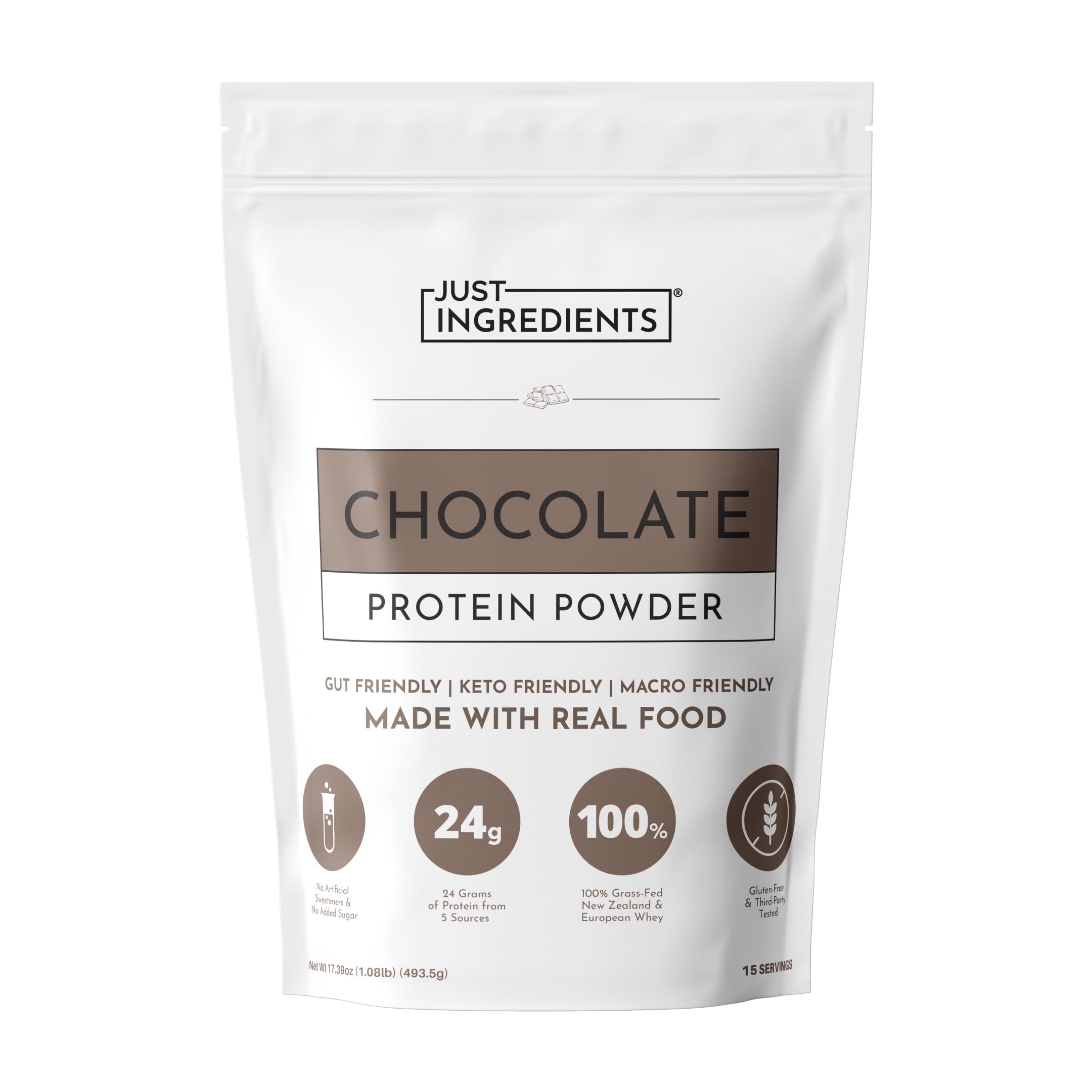
Just Ingredients takes a multi-source approach, combining grass-fed whey isolate with organic pea protein, pumpkin seed protein, collagen, and chia seed protein to deliver 24 grams of protein with a complete amino acid profile. The chocolate flavor relies solely on monk fruit and stevia for sweetness, avoiding artificial sweeteners and sugar alcohols that can cause bloating or blood sugar spikes during pregnancy.
The formula is gluten-free, soy-free, and free from artificial colors, gums, and emulsifiers, which reduces the risk of digestive discomfort. Reviewers consistently describe the taste as reminiscent of Swiss milk chocolate, with no lingering protein aftertaste, and many report that it does not trigger the nausea that other protein powders cause.
One practical consideration is that the powder can clump slightly when shaken with a standard bottle, so a blender or a 20-minute fridge rest is recommended for a smooth texture. Additionally, the multi-protein blend includes pumpkin seed and chia proteins that may not appeal to everyone’s palate, though the chocolate flavor does an effective job masking them.
Why it’s great
- Multi-source protein blend provides complete amino acid coverage
- Sweetened only with monk fruit and stevia, no artificial additives
- No digestive discomfort or nausea reported by most users
Good to know
- Tends to clump in a shaker bottle without blending
- Multi-source blend includes seed proteins that may feel unfamiliar
6. Premier Protein Powder Plus Fiber, Vanilla
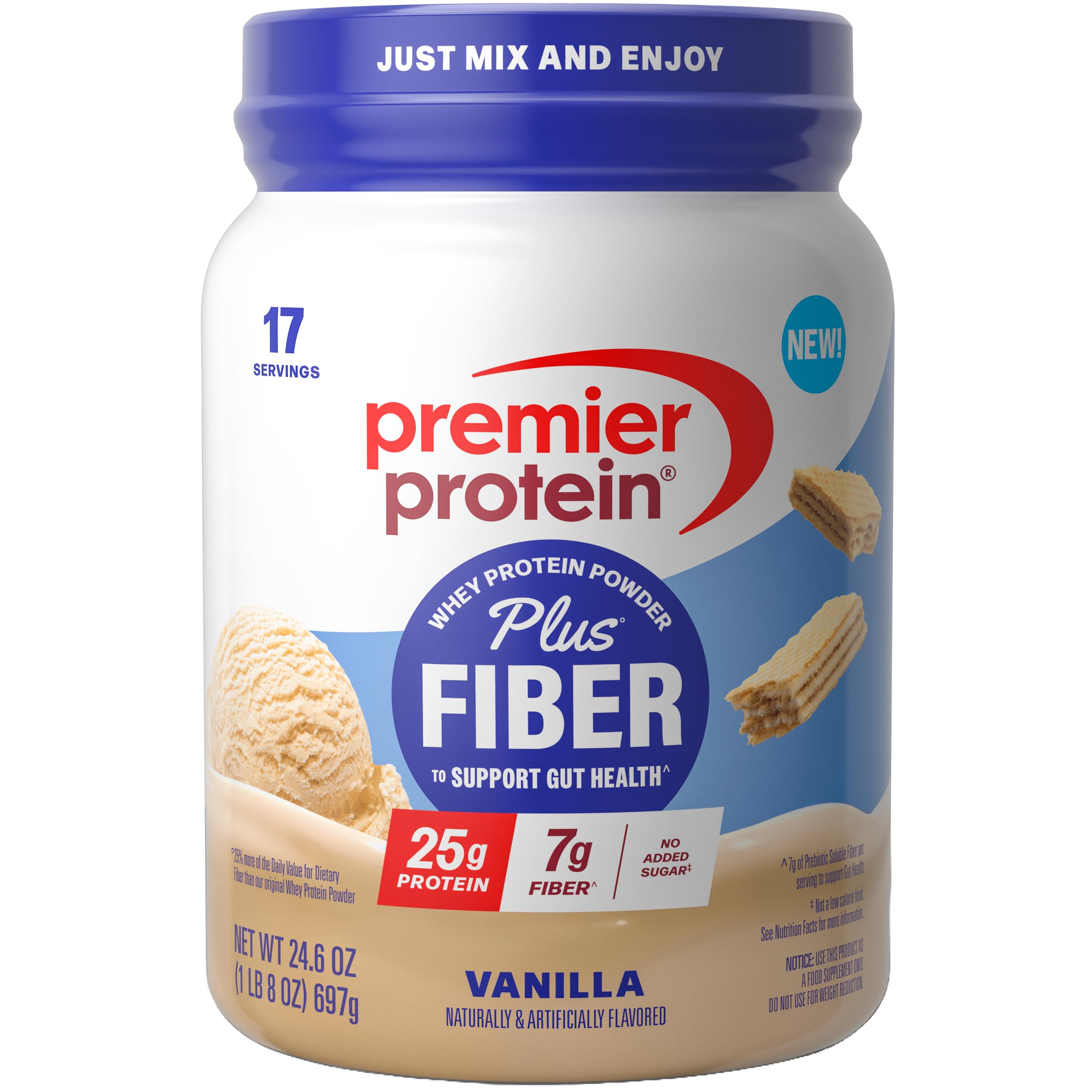
Premier Protein addresses a common prenatal complaint — constipation — by integrating 7 grams of prebiotic fiber directly into a 25-gram whey protein formula. This 2-in-1 approach supports both protein intake and digestive regularity without requiring a separate fiber supplement, which is convenient for women who already manage a long list of daily prenatal pills.
The vanilla flavor is widely praised for being versatile, working well in smoothies, overnight oats, baked goods, and even as a dry topping for fruit. The whey protein is lactose-friendly for many, though those with diagnosed lactose intolerance should proceed with caution, as it is not a lactose-free formula.
Some users find the taste less enjoyable when mixed with water alone and prefer to blend it with milk or a splash of coffee creamer to round out the flavor. The 7 grams of fiber per serving can also cause mild bloating initially if you are not accustomed to a high-fiber diet, so gradually ramping up intake is advisable.
Why it’s great
- 7 grams of prebiotic fiber helps combat pregnancy-related constipation
- Highly versatile vanilla flavor works in baking and smoothies
- Award-winning taste with no added sugar
Good to know
- Flavor is less appealing when mixed with water alone
- High fiber content may cause temporary bloating for new users
7. Needed. Hydrolyzed Collagen Protein Powder

Needed. focuses exclusively on structural support for the maternal body, sourcing its hydrolyzed collagen from grass-fed, pasture-raised, hormone-free bovine hides. The powder is flavorless and dissolves completely in hot liquids like coffee or tea, making it the easiest option for women who want the benefits of collagen without altering the taste of their existing beverages.
The amino acid profile is rich in glycine and proline, which are specifically associated with connective tissue strength, including the pelvic floor — a critical area that undergoes immense strain during pregnancy and childbirth. Created in collaboration with perinatal practitioners, this formula is targeted at women who are dealing with joint laxity, skin stretching, and postpartum tissue recovery.
It is important to note that this is a standalone collagen supplement, not a complete protein powder, and it contains no fiber, probiotics, or choline. Some users report that noticeable results in skin and joint comfort take several weeks to appear, and the price per serving is higher than multi-functional protein blends, so it is best used in conjunction with a separate protein source.
Why it’s great
- Flavorless and dissolves instantly in hot beverages without clumping
- Sourced from grass-fed, pasture-raised, hormone-free cattle
- Developed with perinatal practitioners for targeted structural support
Good to know
- Not a complete protein powder; lacks fiber, probiotics, and choline
- Results in skin and joint health may take several weeks to appear
FAQ
Can I use standard whey protein during the first trimester?
How much protein do I actually need from a supplement during pregnancy?
Is it safe to use collagen protein every day while pregnant?
What does Clean Label Project Certified mean for a protein powder?
Final Thoughts: The Verdict
For most users, the pregnancy protein powder winner is the Pink Stork Pregnancy & Postpartum Protein because it combines whey protein, collagen, and electrolytes in a formula specifically designed for the prenatal and postpartum timeline, with a taste that actually appeals to women struggling with food aversions. If you want a plant-based option with dedicated choline support for fetal brain development, grab the Ritual Prenatal Vegan Protein. And for structural connective tissue support during a high-risk pregnancy, nothing beats the Needed. Hydrolyzed Collagen for its tasteless, easy-to-hide integration into your daily coffee routine.