Rosemary demands a sharp departure from standard potting habits—this Mediterranean native evolved in gritty, fast-draining soils where moisture never lingers around the crown. Most bagged potting mixes hold too much water, turning rosemary’s woody stems into a gateway for root rot within weeks. Selecting the right blend is the single highest-leverage decision you can make for a thriving plant.
I’m Mohammad Maruf — the founder and writer behind AirfryerBite. I’ve analyzed hundreds of soil formulations across temperate herbs, Mediterranean perennials, and container-grown ornamentals to identify the specific drainage and pH profiles that rosemary roots reward.
Whether you are planting in terra cotta or raised beds, this guide isolates the precise potting soil for rosemary that balances aeration, nutrient density, and the slightly alkaline pH this herb requires for vigorous essential oil production.
How To Choose The Best Potting Soil For Rosemary
Rosemary is a drought-tolerant, sun-loving perennial that punishes soggy roots faster than almost any other herb. The wrong soil locks moisture against the root ball, causing foliage to yellow and stems to blacken. Choosing a mix that prioritizes drainage over water retention is the foundation of rosemary success.
Drainage Before Nutrients
Rosemary roots need oxygen as much as they need water. A soil that stays damp for more than two days after watering is too heavy. Look for blends that prominently feature perlite, pumice, coarse sand, or calcined clay. These inorganic components create air pockets that allow excess water to drain freely and roots to breathe.
pH That Mirrors Native Soil
Rosemary thrives in slightly alkaline conditions, ideally between 6.0 and 7.5. Many commercial potting mixes lean acidic (around 5.5) to suit ferns and tropical foliage. Check the bag for a pH indication or plan to amend with a small amount of garden lime if your chosen mix is too acidic for Mediterranean herbs.
Organic Matter Without Moisture Traps
A rosemary mix benefits from organic ingredients like composted bark or worm castings, but heavy sphagnum peat moss should appear sparingly. Peat retains water too aggressively for rosemary. Blends that use pine bark fines or coconut coir as the primary organic component tend to drain better while still providing slow-release nutrients.
Container-Specific Volume
Rosemary develops a dense, fibrous root system that spreads horizontally. An 8-quart bag fills a standard 10-inch to 12-inch pot adequately. If you are planting multiple specimens or a large raised bed, multi-pack options or larger single bags reduce the need for multiple purchases and ensure consistent formulation across all plants.
Quick Comparison
On smaller screens, swipe sideways to see the full table.
| Model | Category | Best For | Key Spec | Amazon |
|---|---|---|---|---|
| Soil Sunrise Cactus & Succulent Mix | Premium Hand-Blended | Desert-style drainage | 8 quarts / pine bark, silica sand, pumice | Amazon |
| Espoma Organic Potting Mix | Organic All-Purpose | Balanced moisture & nutrients | 8 quarts / sphagnum peat, perlite, myco-tone | Amazon |
| Jessi Mae Potting Soil | USA Crafted Organic | Slightly acidic indoor herbs | 4 quarts / perlite, light & airy texture | Amazon |
| Miracle-Gro Cactus, Palm & Citrus Mix (3-Pack) | Fast-Draining Value Pack | Multiple pots or large containers | 3 x 8 quarts / fast-draining + plant food | Amazon |
| Miracle-Gro Succulent Potting Mix | Budget-Friendly Entry | Small single pots | 4 quarts / peat moss base, plant food | Amazon |
In‑Depth Reviews
1. Soil Sunrise Cactus and Succulent Potting Mix
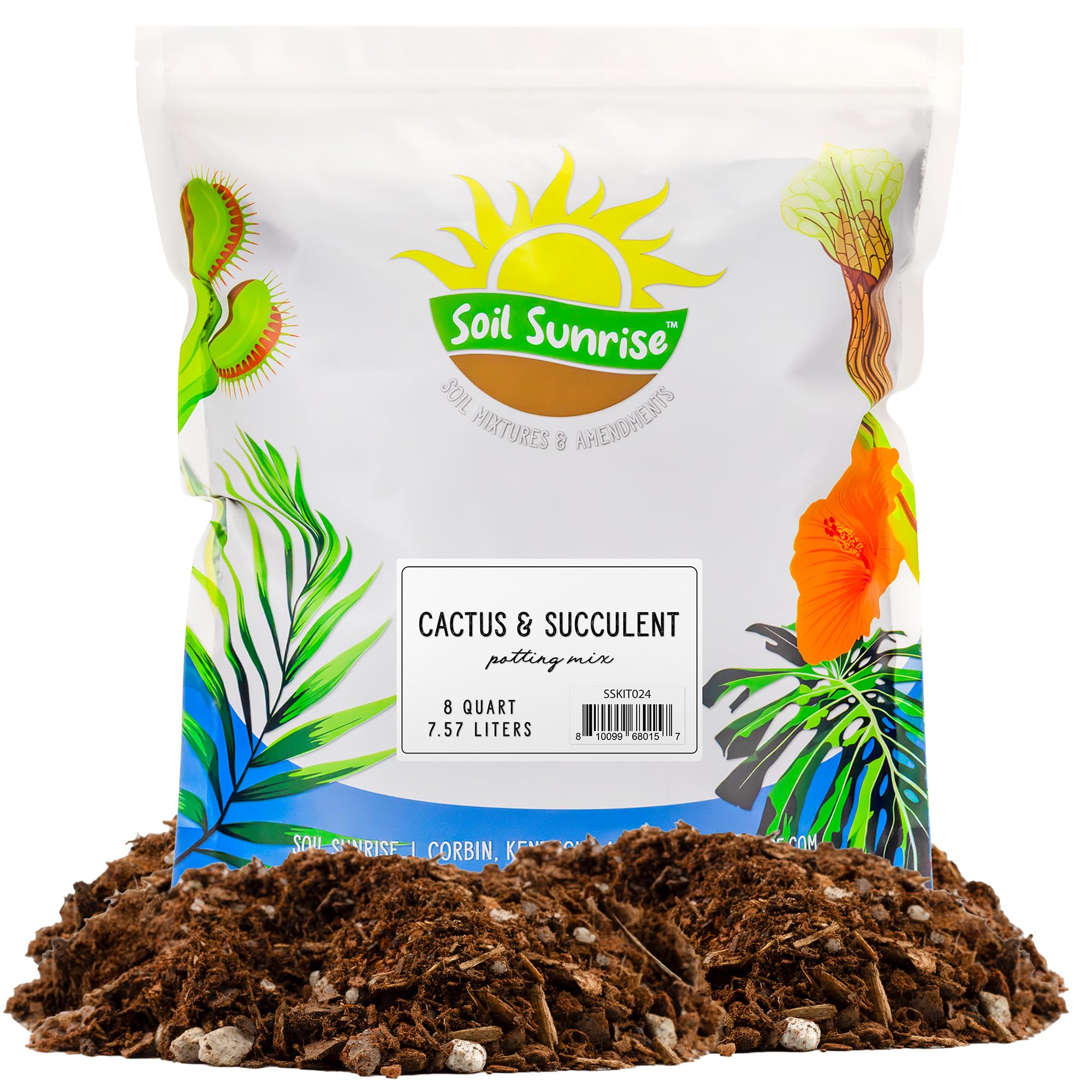
This hand-blended mix sidesteps the moisture-retention problem that plagues most bagged soils. The inclusion of pine bark fines, silica sand, calcined clay, and pumice creates a coarse, gritty texture that water passes through rapidly—exactly what rosemary needs to avoid crown rot. The 8-quart bag delivers enough volume to fill a 12-inch pot completely, making it a practical single-purchase solution for one established specimen.
Users consistently report zero fungal gnats and no lingering odor, which matters when potting is done indoors or on a patio. The formulation is 100% all-natural with no synthetic additives, aligning with organic gardening preferences. Because the ingredients mimic rocky, desert-style substrates, the mix stays loose and aerated even after repeated watering cycles.
For rosemary specifically, this blend requires no additional amendments—no extra perlite, no sand. The drainage is aggressive enough that you can water thoroughly and see the excess exit the drain holes within seconds. If you want a ready-to-use, premium foundation that removes guesswork, this is the most reliable option.
Why it’s great
- Excellent drainage with no amendments required
- No pests or odors reported
- Hand-mixed in small batches for consistency
Good to know
- Premium price per quart compared to commodity mixes
- 8-quart size may be excessive for very small pots
2. Espoma Organic Potting Soil Mix

Espoma has been a staple brand among organic gardeners for years, and this AP8 mix reflects that reputation. The blend combines sphagnum peat moss, humus, perlite, earthworm castings, alfalfa meal, kelp meal, and feather meal—plus Espoma’s proprietary Myco-Tone mycorrhizae for root development. At 8 quarts, it offers strong coverage for a standard container at a mid-range price point.
For rosemary, the perlite provides adequate aeration, but the peat moss content means this mix retains more moisture than a dedicated Mediterranean blend. Gardeners in dry climates or those using terra cotta pots may find the moisture balance acceptable as-is. In humid environments, consider mixing in a handful of pumice or coarse sand to sharpen the drainage.
Recent batches have drawn occasional complaints about unprocessed organic debris, but the overwhelming majority of users report vibrant growth across vegetables, herbs, and flowers. The organic nutrient load supports rosemary’s steady growth without synthetic fertilizers, and the mycorrhizae help the root system establish quickly after transplanting.
Why it’s great
- Rich organic nutrient profile with feed meals and castings
- Myco-Tone mycorrhizae boost root establishment
- Good value for an 8-quart organic bag
Good to know
- Peat moss holds more moisture—amend for rosemary
- Inconsistent bag quality reported in some batches
3. Jessi Mae Potting Soil

Jessi Mae offers a hand-mixed, slightly acidic organic blend that is light, fluffy, and laced with perlite. The 4-quart bag is ideal for a single rosemary plant in a standard 6-inch to 8-inch pot. The texture promotes excellent air circulation and water movement, which helps prevent the root rot that occurs when dense soil stays wet too long.
The slightly acidic pH (below 6.0) is not ideal for rosemary—this herb prefers alkaline conditions—so you may want to add a teaspoon of garden lime per pot to raise the pH. That small adjustment aside, the physical structure of the soil is excellent for rosemary. The high perlite content ensures water flows through freely, and the organic ingredients support steady growth without chemical inputs.
Users have noted a strong organic smell that dissipates after a day or two, a normal sign of active biological material. The mix is made in the USA and packaged in food-grade materials, which adds confidence for those growing edible herbs. For a single-pot rosemary project, this is a convenient grab-and-go option with minimal waste.
Why it’s great
- Light, airy texture with excellent drainage
- 100% organic with no synthetic chemicals
- Ideal size for one small to medium rosemary pot
Good to know
- Slightly acidic pH needs lime amendment for rosemary
- Small bag size limits use to one or two plants
4. Miracle-Gro Cactus, Palm and Citrus Potting Mix (3-Pack)

This three-pack of fast-draining Miracle-Gro formula provides enough volume to fill multiple large containers or a small raised bed. Each 8-quart bag fills two 8-inch pots, so the bundle supports up to six plants. The formula is designed to promote drainage, which aligns well with rosemary’s intolerance for standing water, and it includes embedded plant food for early-season nutrition.
The texture is coarser than standard Miracle-Gro potting mix, thanks to the cactus-specific formulation. However, it still contains a significant organic fraction that can retain moisture longer than the Soil Sunrise or Jessi Mae blends. If you are using this for rosemary, adding a cup of perlite or coarse sand per bag sharpens the drainage considerably. The built-in fertilizer means you can delay any supplemental feeding for the first four to six weeks.
This pack works best for gardeners who are potting three or more rosemary plants at once. The per-bag cost is lower than small-batch organics, making it a budget-friendly route to large-scale container herb gardening. Just be prepared to amend for optimal Mediterranean conditions.
Why it’s great
- Excellent value for multiple containers
- Fast-draining formula better suited for herbs than standard mix
- Built-in plant food simplifies early feeding
Good to know
- Still holds more moisture than ideal—best with added perlite
- No organic certification if that is a priority
5. Miracle-Gro Succulent Potting Mix

This small 4-quart bag targets the succulent and cactus market, which shares rosemary’s need for fast drainage. The blend is primarily sphagnum peat moss, processed forest products, and Miracle-Gro plant food. For a single small rosemary start in a 6-inch pot, this bag is enough to get you started without leftover waste.
The peat moss base is the main limitation. Reviews note that this soil stays visibly wet for several days after watering, which is not ideal for rosemary. Gardeners who want to use this mix should blend in at least 25 percent perlite or pumice by volume to create the fast-draining environment rosemary demands. Without amendments, the risk of root rot climbs significantly, especially in plastic pots.
At the entry-level price point, this mix is the most accessible option and works in a pinch if you already have a bag of perlite on hand. The built-in plant food gives a mild nutrient boost, but the moisture profile means you must be disciplined with watering frequency and pot selection.
Why it’s great
- Very affordable for a single small pot
- Includes Miracle-Gro plant food for gentle nutrition
- Readily available at most retailers
Good to know
- Peat-heavy mix retains too much water for rosemary as-is
- Must amend with perlite or pumice for safe drainage
FAQ
Can I use regular potting soil for rosemary without amending it?
Is it better to buy a bagged mix or make my own rosemary soil?
How often should I water rosemary planted in fast-draining soil?
Final Thoughts: The Verdict
For most users, the potting soil for rosemary winner is the Soil Sunrise Cactus and Succulent Potting Mix because it provides aggressive, ready-to-use drainage without amendments, plus a hand-blended, pest-free composition. If you want an organic nutrient-rich foundation at a mid-range price, grab the Espoma Organic Potting Soil Mix and add a handful of pumice. And for potting multiple rosemary plants on a budget, nothing beats the Miracle-Gro Cactus, Palm and Citrus Mix 3-Pack once you sharpen the drainage with extra perlite.