Potatoes are heavy feeders that develop underground, meaning the physical structure of your mix determines whether you harvest marbles or fist-sized tubers. A dense, waterlogged soil suffocates root systems and invites rot, while a light, well-aerated medium allows the stolons to expand freely. The difference between a disappointing handful and a bountiful crop starts with the blend you pour into your container.
I’m Mohammad Maruf — the founder and writer behind AirfryerBite. I have spent years analyzing soil science and consumer-grade growing media, cross-referencing ingredient ratios, drainage rates, and nutrient profiles to separate marketing fluff from functional biology.
This guide evaluates five specifically formulated blends to help you pick the right potting mix for potatoes that delivers drainage, aeration, and steady nutrition for vigorous tuber development.
How To Choose The Best Potting Mix For Potatoes
Potato roots demand a mix that stays loose year-round, never compacts after watering, and holds nutrients without becoming soggy. Here are the critical factors that separate a thriving harvest from a failed one.
Drainage and Aeration (The Non-Negotiable)
Tubers are modified stems that swell underground. If the medium holds too much water, the stolons rot before they size up. A proper potato mix contains perlite, vermiculite, or coarse sand to create pore space. Without at least 20% aeration material by volume, you risk anaerobic conditions that stunt root growth.
Organic Matter and Nutrient Density
Potatoes consume potassium and phosphorus heavily. A mix with earthworm castings, bat guano, or kelp meal provides slow-release nutrition without burning tender roots. Avoid blends high in uncomposted bark — they rob nitrogen as they decompose, leaving your plants yellow and weak.
pH and Salt Levels
Potatoes prefer a slightly acidic pH between 5.0 and 6.5. High salt content from synthetic fertilizers or unwashed coco coir damages root tips and reduces yield. Triple-washed coco products and pH-balanced peat blends are safer bets for consistent tuber formation.
Quick Comparison
On smaller screens, swipe sideways to see the full table.
| Model | Category | Best For | Key Spec | Amazon |
|---|---|---|---|---|
| Espoma Organic Potting Soil Mix | Organic Premium | Rich nutrition for heavy feeders | 8 qt, Myco-Tone, earthworm castings | Amazon |
| Midwest Hearth Premium Potting Soil | Balanced All-Purpose | Strong root development | 8 qt, pH controlled, peat-vermiculite-perlite | Amazon |
| FoxFarm BushDoctor Coco Loco | High-Aeration Coco | Water retention without oversaturation | 12 qt, triple-washed, bat guano | Amazon |
| Michigan Peat Baccto Premium | Bulk Value | Large container gardens | 25 lb, slow-release fertilizer included | Amazon |
| Soil Sunrise Avocado Tree Potting Mix | Lightweight Specialist | Tropical plants in pots | 12 qt, sand-perlite-peat blend | Amazon |
In‑Depth Reviews
1. Espoma Organic Potting Soil Mix

Espoma packs sphagnum peat moss, humus, perlite, earthworm castings, alfalfa meal, and kelp meal into an 8-quart bag that gives potato roots a nutrient-dense environment. The inclusion of Myco-Tone — a proprietary blend of endo and ecto mycorrhizae — colonizes the root zone to improve phosphorus uptake, a critical mineral for tuber expansion. Users report immediate plant response and strong growth after transplanting.
The mix arrives slightly dry, which is common for organic peat-based blends, so pre-moistening before potting is essential. Once hydrated, it holds a light, fluffy texture that resists compaction across a full growing season. The organic certification means zero synthetic chemicals, making it safe for edible crops.
For potato growers who want a biologically active start with minimal amendment work, Espoma delivers steady nutrition from week one. The 8-quart size works well for a single large container or two medium grow bags.
Why it’s great
- Rich organic nutrient profile with earthworm castings and kelp meal
- Mycorrhizal fungi enhance phosphorus uptake for tuber growth
- Light, fluffy texture resists compaction over time
Good to know
- Bagged on the dry side; requires pre-moistening
- Higher cost per quart than basic all-purpose blends
2. Midwest Hearth Premium Potting Soil Mix

Midwest Hearth blends peat moss, vermiculite, and perlite in a balanced 8-quart formulation that targets root aeration and moisture retention simultaneously. The pH is pre-adjusted to suit a broad plant spectrum, which aligns closely with the 5.0 to 6.5 range potatoes need for optimal nutrient absorption. The texture is intentionally light and fluffy, allowing stolons to spread with minimal resistance.
Users praise the resealable bag and dust-free handling, plus the absence of weeds or bugs. The mix requires pre-soaking to activate moisture retention — skipping this step leads to initial dry pockets that shed water. Once fully hydrated, it drains well enough that overwatering is unlikely, a major advantage for container potatoes prone to root rot.
This is a no-fuss, mid-range blend that performs consistently without the premium price tag of specialty organic mixes. For growers running multiple containers on a budget, Midwest Hearth offers reliable structure and predictable results.
Why it’s great
- Triple ingredient blend (peat, vermiculite, perlite) for ideal aeration
- pH pre-balanced for broad plant compatibility
- Resealable packaging reduces waste and mess
Good to know
- Must be pre-moistened to avoid water runoff
- Lacks slow-release fertilizers found in organic blends
3. FoxFarm BushDoctor Coco Loco Potting Mix
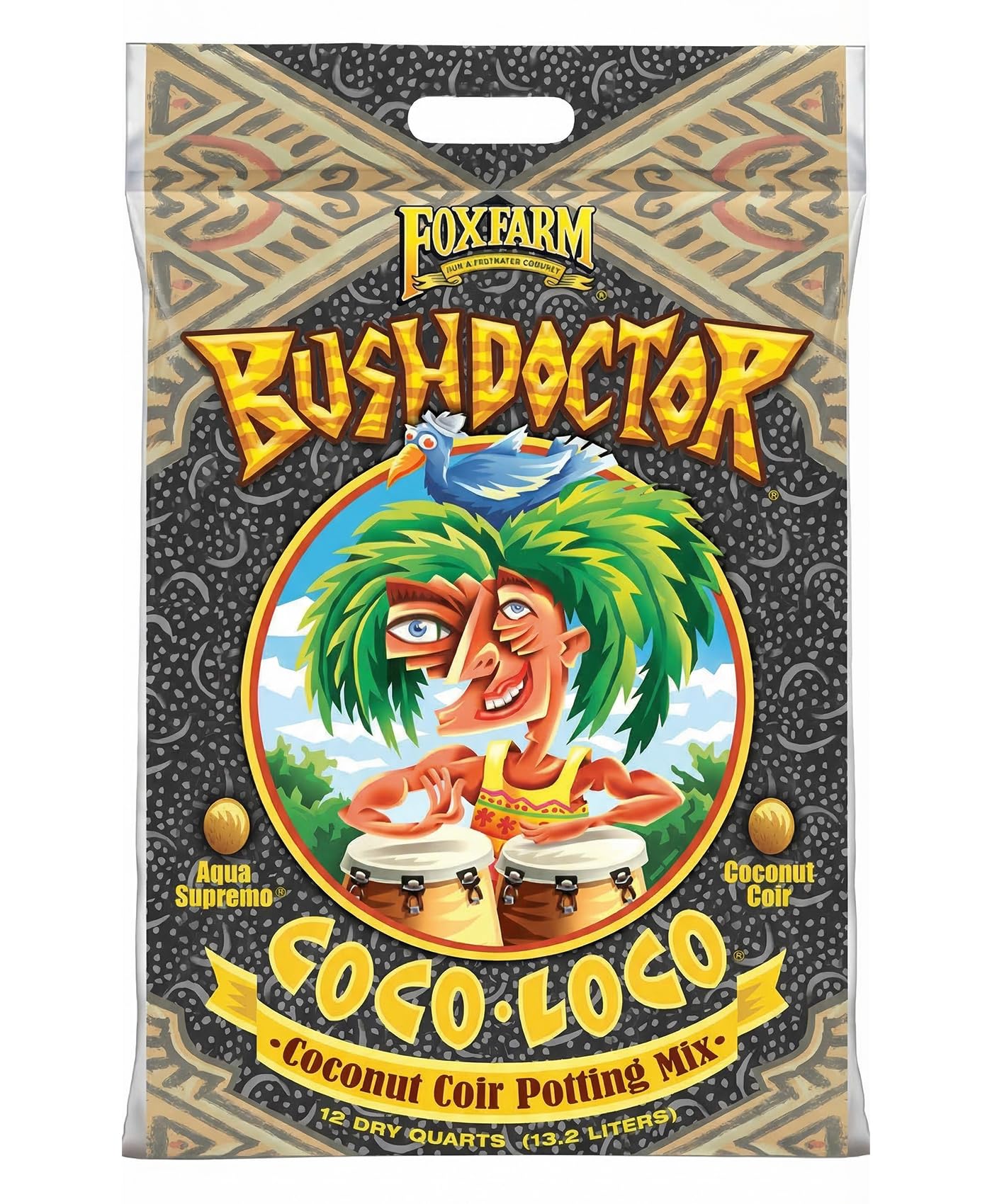
FoxFarm’s Coco Loco centers on triple-washed coconut coir, which holds water at the root zone while maintaining excellent drainage — a rare combination that directly benefits potato tuber formation. The coir makes up 50-60% of the mix and is supplemented with bat guano and earthworm castings for steady nutrient release. The triple-washing process reduces salt content, preventing the root-tip burn that plain coir can cause.
Users note that plants watered every two to three days in warm climates thrive without becoming waterlogged. The mix is not a “hot” soil — it won’t burn seedlings — and can be used straight out of the bag. Some growers opt to blend it 50/50 with a heavier medium for even better airflow in deep containers.
For potato growers who struggle with overwatering or inconsistent moisture, Coco Loco provides a forgiving buffer. The 12-quart bag covers a larger container or two medium grow bags, offering more volume than standard 8-quart options.
Why it’s great
- Triple-washed coco coir prevents salt buildup on roots
- Bat guano and earthworm castings supply slow-release nutrition
- Holds moisture without oversaturating, reducing rot risk
Good to know
- Shipping damage reported for some large orders
- May need extra perlite if used alone in very deep pots
4. Michigan Peat Baccto Premium Potting Soil
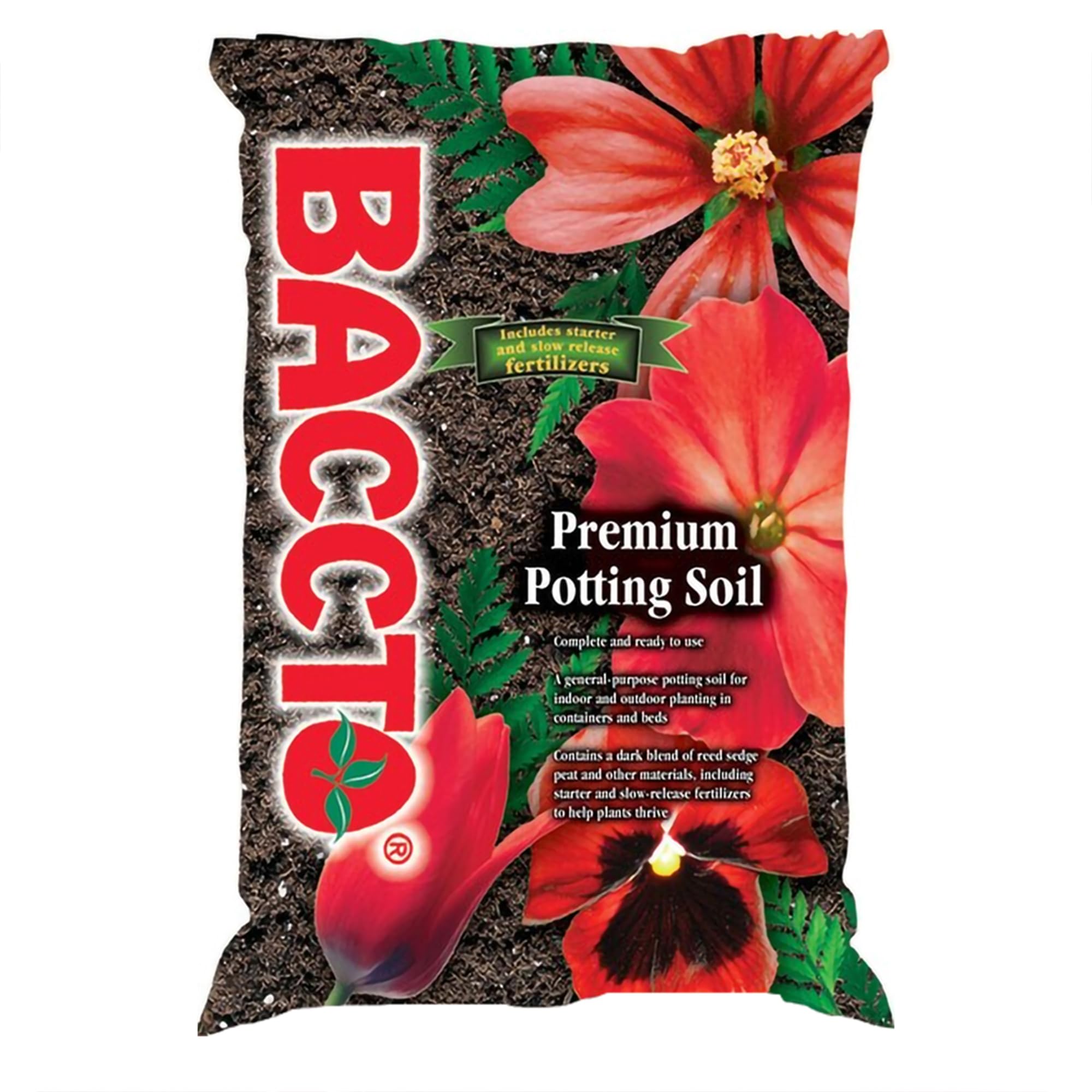
Michigan Peat Baccto is a 25-pound bulk blend of rich dark reed sedge peat, perlite, and sand, fortified with both starter and slow-release fertilizers. The heavy weight per bag means fewer trips to the store for large-scale container plantings. The sand component adds weight and structure, helping anchor deeper potato roots in tall grow bags or large pots.
Some users report occasional wood debris or small sticks in the mix, which is typical of compost-rich products and harmless to tubers. A smaller subset of bags reportedly contains a higher stick-to-soil ratio, so inspecting the contents before filling all containers is wise. The slow-release fertilizer provides continuous feeding for roughly six to eight weeks, covering the early bulking phase.
For potato growers covering large raised beds or multiple 10-gallon bags, Baccto offers the most volume per dollar. The nutrient charge is sufficient to delay supplemental feeding, though a mid-season potassium boost is still recommended for maximum yield.
Why it’s great
- 25-pound bag provides the best volume for large plantings
- Starter and slow-release fertilizers included
- Sand component adds weight for stable deep pots
Good to know
- Inconsistent quality; some bags contain many wood pieces
- Higher cost per pound than local bulk alternatives in some regions
5. Soil Sunrise Avocado Tree Potting Mix

Soil Sunrise blends peat moss, perlite, sand, and lime into a 12-quart formula engineered for container-grown plants that need sharp drainage and consistent aeration. The sand addition provides weight and structural stability, while the lime buffers pH into the slightly acidic range that potatoes favor. The texture is light and well-draining, with no strong odor or dust.
Users report quick plant adjustment and steady leaf growth after transplanting. Some growers add extra perlite for an even airier structure in deeper pots. The available volume at 12 quarts fills a medium grow bag comfortably, making it a practical choice for small-space gardeners with limited containers.
While marketed specifically for avocados, the sand-peat-perlite base translates well to potatoes as long as supplemental nutrition is added after the first month. This mix lacks the rich organic amendments of premium blends, so a schedule of liquid kelp or fish emulsion will sustain tuber development through harvest.
Why it’s great
- Sand content adds weight and improves drainage for pot stability
- Lime buffers pH into the ideal 5.0-6.5 range
- Light, fluffy texture resists compaction
Good to know
- No slow-release fertilizer; requires regular feeding
- Best suited for small to medium containers
FAQ
Can I reuse potting mix from last season for new potatoes?
Should I add extra perlite to a general potting mix for potatoes?
Final Thoughts: The Verdict
For most users, the potting mix for potatoes winner is the Espoma Organic Potting Soil Mix because its mycorrhizal fungi, earthworm castings, and light peat-perlite structure provide the ideal biological and physical foundation for tuber development. If you want a high-moisture buffer with triple-washed coco coir, grab the FoxFarm BushDoctor Coco Loco. And for large-scale container plantings on a tight budget, nothing beats the bulk volume of the Michigan Peat Baccto Premium Potting Soil.