That dull ache in your calves at 3 a.m. is your body signaling a gap no pill should ignore. Potassium is a core mineral for muscle relaxation, nerve signaling, and steady blood pressure, yet most vitamin shoppers grab the cheapest bottle without realizing the form—chloride, gluconate, citrate, or bicarbonate—radically changes how much actually enters your cells. Your choice between a coated tablet, a powder, or a quick-release capsule determines whether you wake up cramp-free or reaching for another dose.
I’m Mohammad Maruf — the founder and writer behind AirfryerBite. I’ve spent years analyzing supplement formulations and reviewing how electrolyte forms affect absorption rates in real-world diets, from keto plans to intermittent fasting windows.
The key to finding effective potassium tablets lies in matching the mineral form to your body’s specific needs, dosing frequency, and sensitivity to fillers — a match that turns a cabinet staple into a genuine health tool.
How To Choose The Best Potassium Tablets
Potassium supplements come in several salt forms — each absorbed differently by your digestive tract and each carrying a different kidney load. The decision involves three core variables: the mineral’s attached carrier, the total elemental potassium per serving, and the presence of unnecessary excipients like silicon dioxide, stearates, or titanium dioxide.
Form Matters: Bicarbonate vs. Citrate vs. Gluconate vs. Chloride
Potassium bicarbonate releases alkaline metabolites that can support pH balance and is often preferred for those watching chloride intake. Potassium citrate offers a middle ground for electrolyte replenishment and may reduce the risk of kidney stones. Potassium gluconate is the most common bulk form and tends to be gentle on the stomach, though it provides a lower elemental potassium percentage per gram — meaning you need more capsules for the same dose. Potassium chloride mimics table salt’s chemistry but has been linked to gastric irritation in sensitive individuals. Avoid it if you have a history of heart palpitations or ulcer sensitivity.
Dosage Per Capsule: Low-Dose vs. High-Potency
The FDA caps over-the-counter potassium dosages at 99mg per tablet to prevent intestinal damage from concentrated release, but higher-potency capsules (300mg–1020mg) are available in bicarbonate or glycinate forms that use buffered absorption. Low-dose 99mg units require multiple swallows each day. Single capsules of 300mg or more reduce pill burden but demand strict adherence to water intake. If you take blood pressure medication or have impaired kidney function, consult your physician before exceeding 99mg per dose.
Capsule Size and Swallowability
Not all capsules are equal in size. Standard gelatin capsules measure about 21.7mm in length, but smaller “mini” or vegetarian capsules (around 15–17mm) reduce gag reflex issues. Powders let you bypass swallowing entirely and allow custom dosing, though they require an accurate scoop or scale and usually have a mild salty aftertaste. If you travel frequently, press-through blister packs or sealed bottles with desiccants preserve potency better than plastic bags or bulk jars.
Quick Comparison
On smaller screens, swipe sideways to see the full table.
| Model | Category | Best For | Key Spec | Amazon |
|---|---|---|---|---|
| Dr. Berg Electrolytes | Capsule | Active hydration & keto | 350mg potassium + 598mg chloride per 2 caps | Amazon |
| Designs for Health K+2 | Capsule | Blood pressure support | 300mg potassium bicarbonate + glycinate | Amazon |
| NaturalSlim Kadsorb | Capsule | Night cramp relief | 99mg potassium citrate per capsule, 400 caps | Amazon |
| Puregen Labs Potassium Bicarbonate | Capsule | High-dose needs | 1020mg potassium bicarbonate per serving | Amazon |
| BulkSupplements Potassium Gluconate | Powder | Custom dosing & value | 600mg potassium gluconate per serving, 500g | Amazon |
In‑Depth Reviews
1. Dr. Berg Electrolyte Capsules

This is not a standalone potassium pill—it is a complete electrolyte matrix delivering 350mg of potassium alongside 598mg of chloride and a trace mineral blend. Designed for two capsules per day, it targets people on restrictive diets (keto, intermittent fasting) who lose electrolytes rapidly through urine. The formula excludes maltodextrin and sugar, making it one of the cleanest electrolyte capsules available for sustained energy and hydration.
Customer feedback consistently highlights improved endurance during workouts, faster recovery in hot climates, and elimination of the lightheadedness that often accompanies electrolyte depletion. The capsule size is slightly larger than standard, but the 30-day refund policy provides purchase confidence. The manufacturing facility holds GMP certification, meaning each batch undergoes quality control testing for heavy metals and microbial purity.
For users who drink coffee or follow a low-carb lifestyle, this two-in-one solution simplifies supplementation by combining potassium with magnesium and chloride in one bottle. Veteran users report that missing a single day causes noticeable cramping by early morning, evidence that the dose is both potent and well-absorbed. Pair it with morning water and a midday magnesium pill for complete electrolyte coverage.
Why it’s great
- Complete electrolyte profile includes magnesium and chloride
- Zero sugar, maltodextrin, or synthetic fillers
- GMP certified facility with full traceability
Good to know
- Two-capsule dosage may feel large for some throats
- Higher cost per serving compared to single-mineral capsules
2. Designs for Health K+2 Potassium
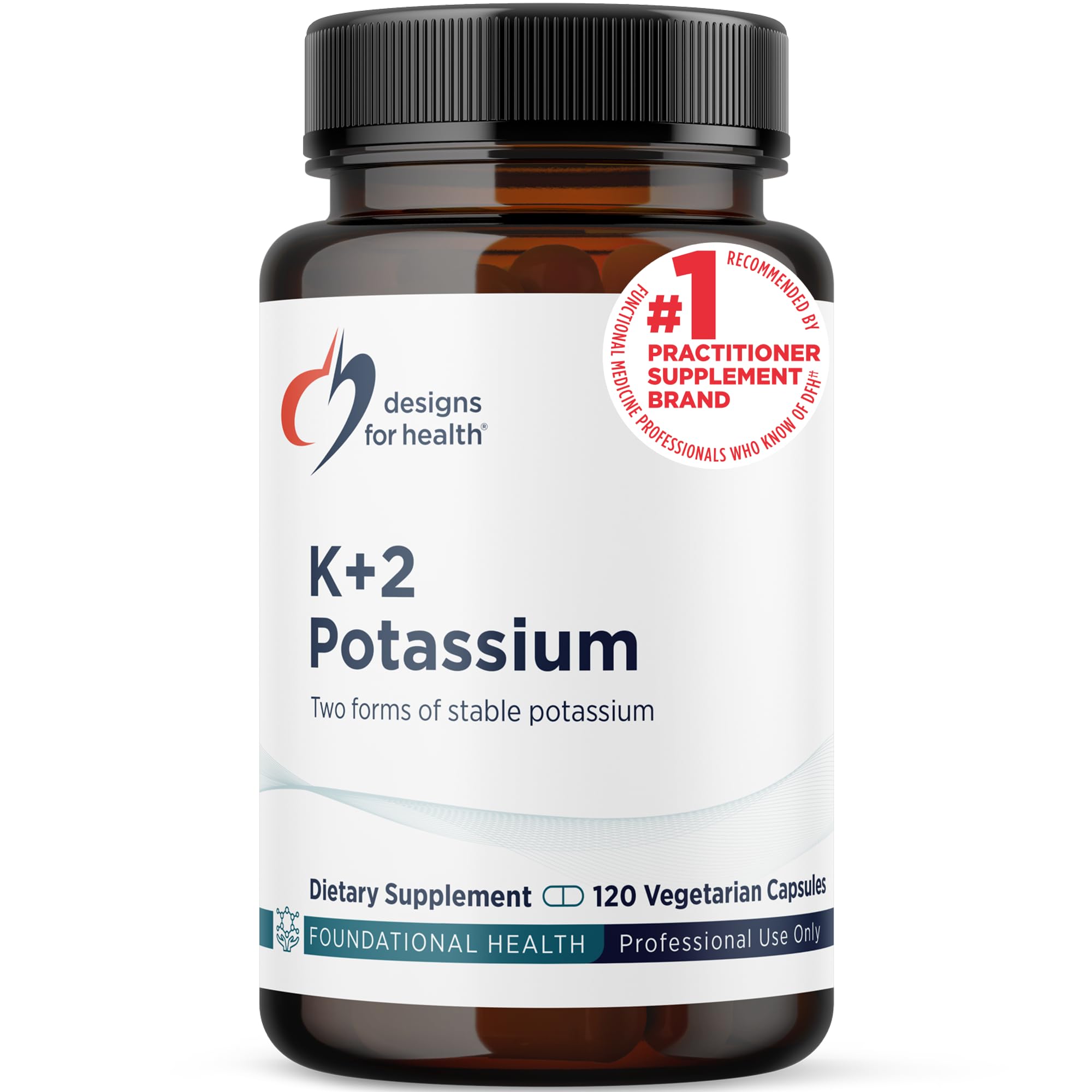
Designs for Health uses a dual-form blend of potassium bicarbonate and potassium glycinate, each attached to different carriers for staggered absorption. The bicarbonate fraction supports alkalinity and gentle digestion, while the glycinate form (glycine-bound) improves cellular uptake without gastrointestinal irritation. Each capsule delivers 300mg of elemental potassium, allowing you to reach therapeutic doses with just three capsules instead of nine low-dose tablets.
Clinical feedback from functional medicine practitioners shows this formula is particularly effective for individuals managing hypertension or edema. The glycinate chelation reduces the metallic aftertaste common with potassium chloride and prevents the loose stools some users experience with citrate forms. The bottle is sealed with a tamper-evident band, and the company is the #1 practitioner-trusted supplement brand among functional medicine professionals.
Because the capsules are unbuffered by stearates or titanium dioxide, they dissolve quickly in the stomach and release potassium within 15–20 minutes. Users who have tried both 99mg tablets and this formulation report better blood pressure stability and fewer heart palpitations. If you suffer from water retention or take diuretics, this is the most targeted potassium product in the premium tier.
Why it’s great
- Bicarbonate + glycinate forms for dual-phase absorption
- No stearates, silicon dioxide, or titanium dioxide
- Vegan, gluten-free, and non-GMO verified
Good to know
- Narrow potassium-only profile lacks magnesium or other electrolytes
- Amazon packaging sometimes leads to cracked bottle caps
3. NaturalSlim Kadsorb Potassium Citrate Gluconate
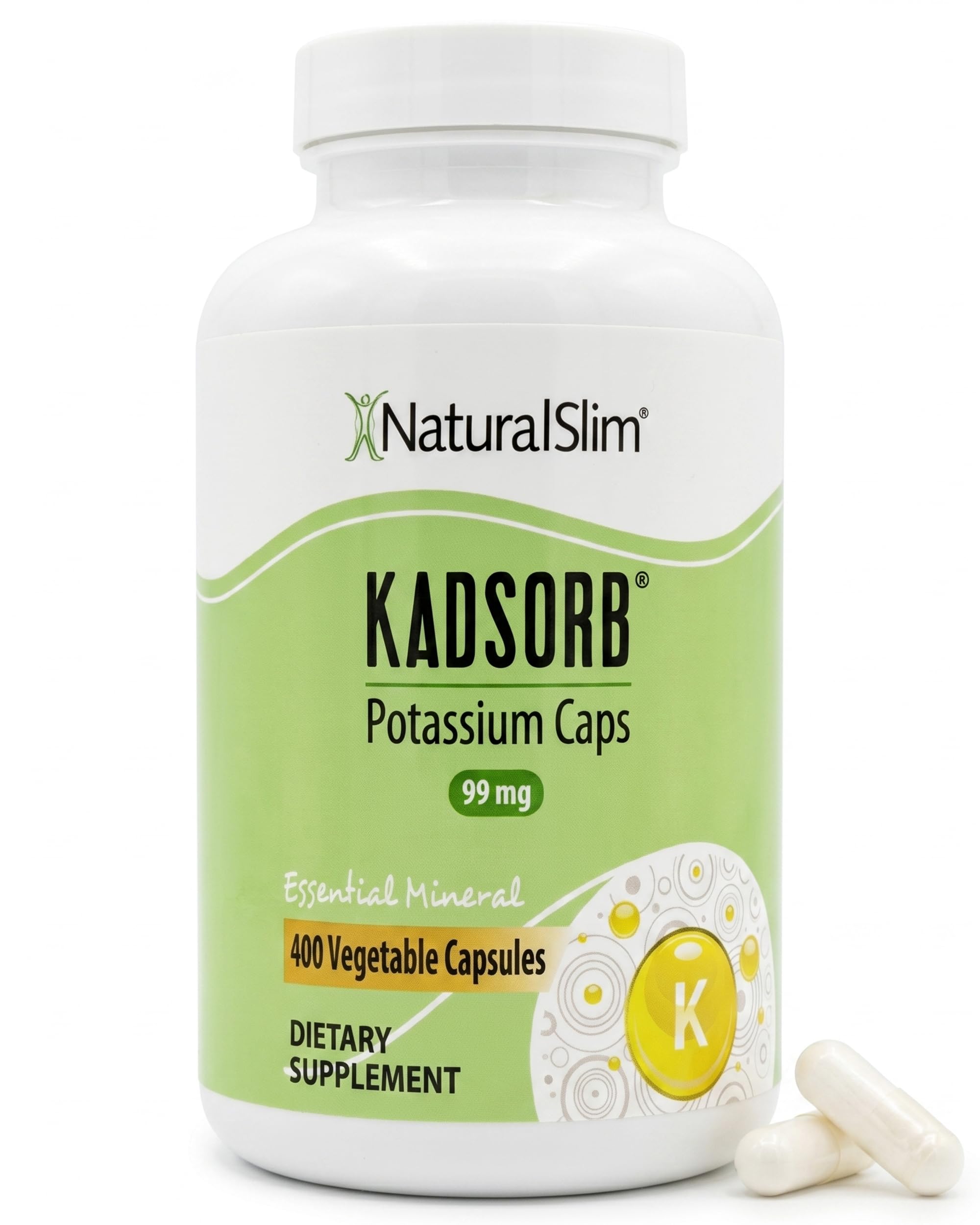
NaturalSlim’s Kadsorb uses a hybrid of potassium citrate and potassium gluconate, providing 99mg of elemental potassium per mini-capsule. The 400-count bottle lasts over four months at a two-capsule daily routine, making it a convenient solution for those who prefer a steady low-dose supply without the metallic burps associated with potassium chloride. The citrate component offers kidney-stone prevention benefits by binding to calcium oxalate in the urinary tract.
Real-world feedback from keto and intermittent fasting users confirms that this combination effectively resolves nocturnal foot and leg cramps without causing stomach discomfort. The capsules are noticeably smaller than standard multi-mineral pills — about the size of a standard B-complex — which eliminates the gagging problem many face with larger potassium tablets. The bottle is safety-sealed and the formula uses vegetable capsules with no artificial colors.
Because the dose per capsule is capped at 99mg, you must take four to six capsules to hit 400–600mg of potassium. Users who require high-potency single doses will find the capsule count inconvenient, but for general maintenance on a balanced diet, this is a steady, affordable regulator. The formula is free of magnesium stearate, and the gluconate component reduces gastrointestinal sensitivity.
Why it’s great
- Mini capsule size makes swallowing easy
- Citrate + gluconate dual form for absorption versatility
- Large 400-count bottle supports extended daily use
Good to know
- Multiple capsules needed for therapeutic potassium levels
- Some bottles may contain fewer pills than labeled
4. Puregen Labs Potassium Bicarbonate 1020 mg
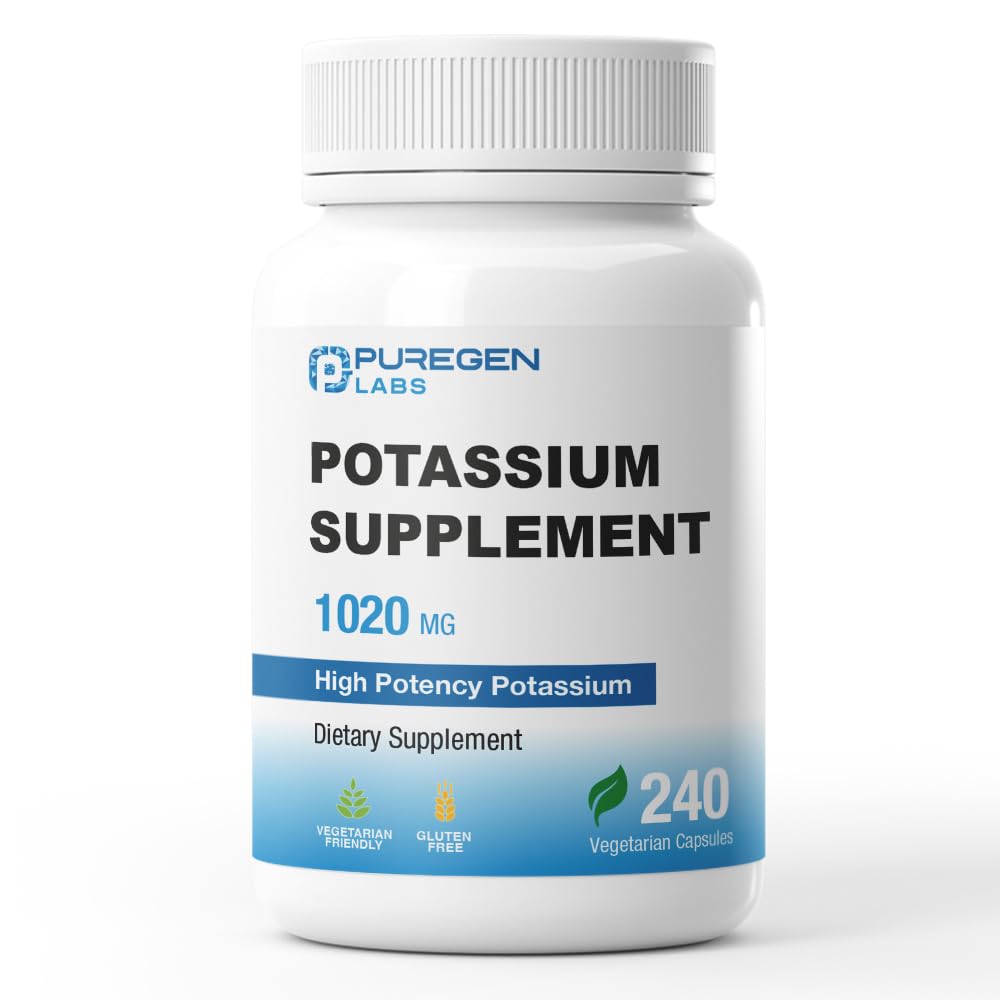
Puregen Labs delivers the highest elemental potassium per serving in this round — 1020mg of potassium bicarbonate per two-capsule dose, equating to roughly 510mg per capsule. The bicarbonate form is alkalinizing, meaning it buffers stomach acidity and reduces the risk of gastric erosion often seen with potassium chloride. Each batch is produced in the United States under GMP guidelines, and the capsules are vegetarian (hypromellose) without titanium dioxide coatings.
User reviews consistently mention significant improvement in sleep quality and energy for menopausal women and older adults who struggle with nocturnal leg cramps. The potency means that a single 240-count bottle provides over 120 full-serve doses at the maximum FDA-allowed over-the-counter range. However, the label warns against exceeding doctor-directed dosing, as high bicarbonate loads can alter blood pH in susceptible individuals. Some customers have reported 10–12 empty capsules inside sealed bottles, so check the fill weight upon arrival.
For elderly users or those on low-chloride diets (DASH diet focused on chloride reduction), this formula is ideal. Take with a full 8-ounce glass of water and avoid taking simultaneously with calcium supplements, as bicarbonate can reduce calcium absorption. If you have normal kidney function and need a high-potency option without plastic coatings, this is the most direct choice.
Why it’s great
- 1020mg potassium bicarbonate — highest per-serving dose available
- Vegetarian capsules without titanium dioxide coatings
- US-manufactured with third-party quality checks
Good to know
- Higher potency may cause stomach upset if water intake is low
- Occasional empty capsules reported in sealed bottles
5. BulkSupplements Potassium Gluconate Powder
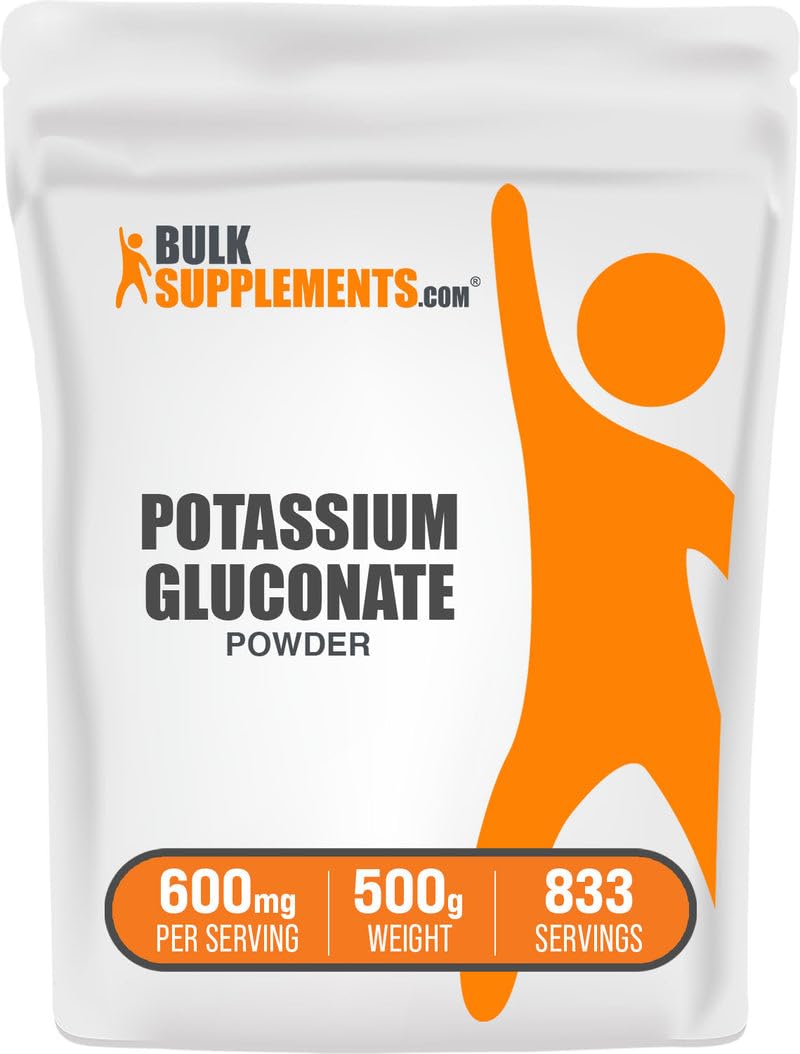
BulkSupplements offers potassium gluconate in loose powder form — 500g of unflavored white crystalline powder providing 600mg of gluconate per level scoop. The elemental potassium content is roughly 99mg per serving under standard USP translation, but advanced users can scale dosing by weight (each gram of gluconate contains about 165mg of actual elemental potassium). This flexibility is ideal for DIY capsule fillers who want to bypass commercial capsule count limits and produce custom doses at a fraction of the retail cost.
Customer reviews confirm that the powder dissolves easily in water or juice with a mildly salty taste that is neutral enough to mix into smoothies. Users with nocturnal leg cramps found that 1 tablespoon (roughly 435mg elemental potassium) combined with 2000mg magnesium oxide eliminated cramps completely — a routine impossible to achieve with 99mg pre-filled capsules. The bulk bag is economical for large households, but the lack of a measuring scoop (sold separately) and potential clumping in humid environments require caution.
Because this is a loose powder, precise dosing requires a milligram scale or the included general scoop estimate. Beginners may under- or over-dose without careful measurement, and the unflavored profile does not mask the alkaline taste well in plain water. Store the bag in an airtight container with a silica gel pack to keep the powder free-flowing.
Why it’s great
- Unlimited dosing flexibility — one bag replaces many bottles
- Gluconate form is gentle on sensitive stomachs
- Significantly lower cost per gram than capsule alternatives
Good to know
- Requires a scale or scoop for accurate measurement
- Powder can clump in high-humidity conditions
FAQ
What is the difference between potassium bicarbonate and potassium gluconate?
How many 99mg potassium tablets equal one high-potency 300mg capsule?
Can I take potassium supplements on an empty stomach?
Is 4700mg of potassium daily safe from supplements alone?
Final Thoughts: The Verdict
For most users, the potassium tablets winner is the Dr. Berg Electrolyte Capsules because it bundles potassium with magnesium and chloride for complete electrolyte support in just two daily capsules. If you want targeted blood pressure support from a practitioner-trusted formula, grab the Designs for Health K+2 Potassium. And for a low-cost bulk option that lets you control your precise dose down to the milligram, nothing beats the BulkSupplements Potassium Gluconate Powder.