Portuguese olive oil deserves a spot in your pantry, but the aisle is crowded with bottles that taste more like grass clippings than ripe fruit. The difference between a mediocre oil and a truly great one comes down to acidity levels, harvest freshness, and the specific region the olives were pressed from — details most labels conveniently hide.
I’m Mohammad Maruf — the founder and writer behind AirfryerBite. I spend my days analyzing food-grade specifications, cross-referencing chemical acidity tests against sensory reviews, and mapping the supply chain of imported culinary oils to separate genuine quality from clever marketing.
After comparing acidity percentages, packaging materials, harvest transparency, and verified tasting notes across dozens of imports, I’ve narrowed the field to five bottles that define the best portuguese olive oil available right now.
How To Choose The Best Portuguese Olive Oil
Portuguese olive oil differs from Spanish and Italian oils in its typical fruit-forwardness and lower bitterness. But within Portuguese labels, you still face variables that determine whether your oil tastes vibrant or flat.
Acidity and Harvest Freshness
The European Union defines extra virgin olive oil as having acidity below 0.8%. Premium Portuguese oils often land between 0.4% and 0.5%. Lower acidity generally correlates with healthier fruit at pressing. But acidity alone is meaningless without a harvest date. Oil oxidizes rapidly after milling, so a bottle with fantastic acidity that sat on a warehouse shelf for two years will taste dull and peppery compared to a fresher oil with slightly higher acidity.
Packaging That Protects
Olive oil degrades through three enemies: light, heat, and oxygen. Dark glass bottles and metal tins block light effectively. Clear plastic bottles virtually guarantee oxidation within weeks. Tin cans also provide a complete oxygen barrier and are lighter to ship, which often results in fresher oil arriving at your door. Always choose a container that a casual shopper might overlook in favor of prettier clear glass.
Single-Source vs. Blended
Portuguese oils labeled “single-source” or “single-estate” come from olives grown in one region, typically the Alentejo or Trás-os-Montes. These oils offer a more distinct flavor profile tied to that specific terroir. Blended oils combine olives from multiple regions for consistency. Neither is inherently better, but single-source oils give you a clearer picture of what Portuguese olives taste like without masking from other varieties.
Quick Comparison
On smaller screens, swipe sideways to see the full table.
| Model | Category | Best For | Key Spec | Amazon |
|---|---|---|---|---|
| Oliveira da Serra Classico | Extra Virgin | Everyday versatility | 0.5% acidity, 16.9 fl oz dark glass | Amazon |
| Saloio Portuguese Imported | Extra Virgin | Value volume | 32 fl oz plastic bottle | Amazon |
| A Taste of Portugal Premium | Extra Virgin | Low acidity, full flavor | 0.4% acidity, 32 oz tin | Amazon |
| Saloio Vintage Metal Tin | Extra Virgin | Strong olive punch | 17 fl oz metal tin | Amazon |
| A Taste of Portugal Organic | Organic EVOO | Certified organic, ice-pressed | 0.4% acidity, 32 oz tin, organic | Amazon |
In‑Depth Reviews
1. Oliveira da Serra Classico Extra Virgin Olive Oil
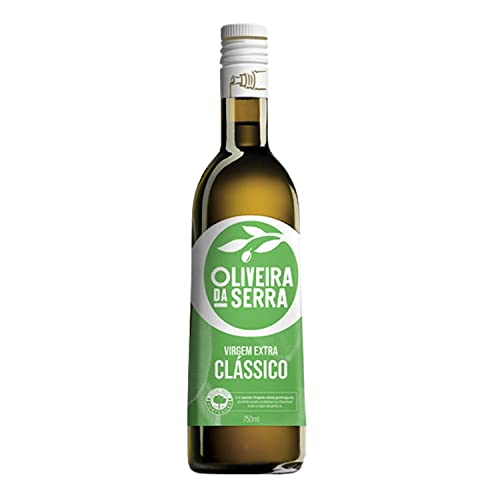
Oliveira da Serra is the most award-winning Portuguese olive oil brand globally, and the Classico bottling delivers exactly what that reputation promises. The dark glass bottle blocks UV light effectively, and the integrated pouring spout controls flow better than most screw caps — a detail home cooks notice immediately when dressing salads or drizzling over roasted vegetables.
At 0.5% maximum acidity, this oil sits comfortably in the extra virgin range with a profile that reviewers describe as “slightly bitter intense” — that bitterness is actually polyphenols, the antioxidant compounds that make olive oil genuinely healthy. Multiple verified buyers report using it for dipping, seasoning, and even cooking, which is rare praise for a single oil. The 16.9-ounce format is practical for households that go through a bottle every few weeks.
The main drawback is bottle age. One reviewer noted their bottle arrived with only six months until expiration, which suggests variable warehouse rotation. Given the volume this brand moves, checking the harvest date upon arrival is worth the extra second. If freshness aligns, this is the most balanced Portuguese oil for both table and stovetop use.
Why it’s great
- Most decorated Portuguese brand for a reason — consistent quality across batches
- Dark glass bottle with precision spout preserves oil and pours cleanly
- Versatile enough for dipping, cooking, and finishing without losing character
Good to know
- Bottle age can be short if stock rotates slowly at the warehouse
- 16.9 ounces is smaller than some tins, so heavy users will reorder frequently
2. Saloio Portuguese Imported Olive Oil with Easy Pouring Sprout
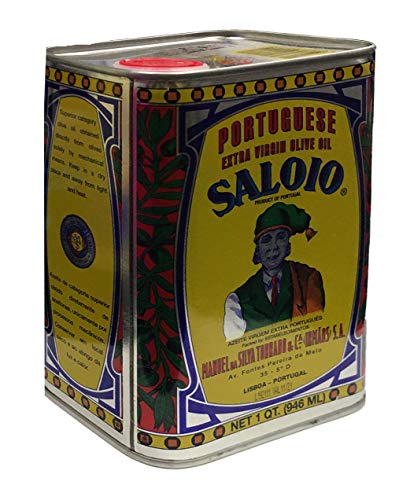
Saloio comes in a 32-ounce plastic bottle, which immediately raises questions about light exposure. But verified reviewers who claim to drink olive oil straight from a cup report this bottle passes their “drinking test” — oil so pure it tastes good unaccompanied. That level of trust from a hardcore olive oil user is worth noting even if the packaging isn’t ideal.
The flavor is described as authentic and delicious across multiple reviews, with one buyer calling it their number one olive oil for cooking and salads. The plastic bottle keeps shipping weight low and the cost per ounce favorable compared to glass-packed rivals. The easy-pour spout is integrated into the cap, which reduces drips on the counter.
The downside is plastic packaging. Over time, plastic can allow oxygen ingress and may affect flavor stability if the bottle sits on a shelf for months. For households that move through oil quickly — a quart within six to eight weeks — this is a non-issue. For occasional users who nurse a bottle for months, the tin or glass options will maintain freshness longer.
Why it’s great
- Generous 32-ounce volume at a competitive cost per ounce
- Drinking-test approved by reviewers with decades of olive oil experience
- Wide acceptance for salads, soups, fish, and even as a straight dip
Good to know
- Plastic bottle is not ideal for long-term storage or UV exposure
- No listed acidity percentage or harvest date on the label
3. A Taste of Portugal Premium Grade Olive Oil

This tin from A Taste of Portugal hits the lowest acidity in this lineup at 0.4%, and it comes in a metal can that blocks all light. The olives are single-sourced from the eastern central part of Portugal, which gives this oil a light and fruity character that builds trust immediately. One reviewer wrote that you can smell the freshness before you even taste it — that aroma is volatile aroma compounds preserved by the tin barrier.
The 32-ounce format is the sweet spot for regular cooks who want enough volume for dressings and dips without committing to institutional-sized containers. The light and fruity profile works particularly well on popcorn according to one verified buyer, which is a test many heavier oils fail because they overpower the grain. The low acidity also means less throat burn on initial tasting.
Stock consistency has been an issue. Multiple reviewers report shipments arriving with oil on the outside of the tin, indicating rough handling or possible seal issues during storage. The same buyers note that the oil inside remained good despite the external mess, but unpacking a greasy tin is annoying. Some buyers also mention that this product occasionally goes out of stock, so if you like it, buy a couple at once.
Why it’s great
- Industry-leading 0.4% acidity for a smooth, non-bitter finish
- Metal tin packaging provides complete light and oxygen protection
- Single-source Alentejo olives produce distinct, fruity Portuguese character
Good to know
- Occasional shipping defects cause oil leakage on the tin exterior
- Stock availability can be spotty; order more than one tin when available
4. Saloio Portuguese Extra Virgin Olive Oil – Vintage Metal Tin – 500ml
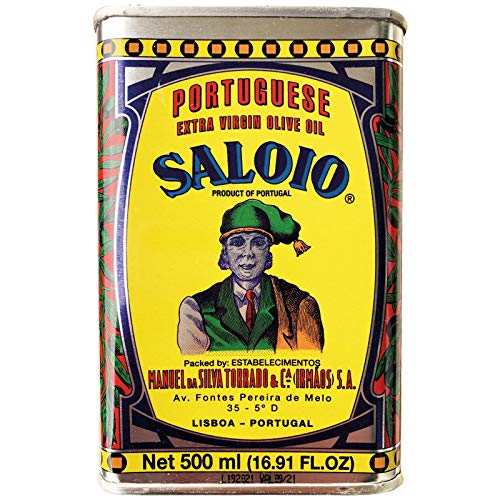
The Saloio Vintage Metal Tin is for olive oil purists who want a pronounced olive flavor with a strong finish. One reviewer conducting a personal “olive oil hunt” across seven brands ranked this oil as superior to most, citing its taste and finish as the best among contenders. That kind of comparison shopping from a dedicated taster carries weight when evaluating subtle flavor differences.
At 500ml (roughly 17 fluid ounces), this tin is smaller than the other Saloio bottle, but the metal packaging protects the oil more effectively. The flavor profile is described as light enough for salads but with enough personality to stand out. Multiple reviewers praise it specifically for salad use, and one buyer reported guests asking about the oil after tasting it — a sign that the flavor is distinctive enough to be memorable.
The main concern is value perception. One reviewer explicitly called out paying more for less product compared to the plastic-bottle Saloio, which is a fair criticism. You are paying a premium for the small-format tin and the stronger olive character. If you use oil primarily for finishing rather than cooking, the smaller tin makes sense. If you go through oil quickly, the plastic quart will serve you better at lower cost.
Why it’s great
- Pronounced olive flavor with a strong finish that stands out in blind tastings
- Metal tin packaging locks out light and oxygen completely
- Small format ideal for finishing, dipping, and special-occasion dressings
Good to know
- Higher cost per ounce compared to the plastic-bottle Saloio alternative
- Small 17-ounce tin means frequent reordering for heavy users
5. A Taste of Portugal Organic Olive Oil

This organic version from A Taste of Portugal uses an “ice-pressed” process, which the manufacturer claims is 20 to 30 times colder than standard cold pressing. Cold pressing already keeps temperatures below 80°F to preserve polyphenols, so ice-pressing theoretically extracts even more antioxidants and flavor compounds. Koroneiki olives — known for their intense fruitiness — are the source variety here, grown under organic certification.
The 32-ounce tin again blocks light completely, and the 0.4% acidity matches the non-organic premium tin. Verified buyers highlight the fruity flavor and fragrance, noting that it earns compliments when used on fresh bread or as a salad base. The organic certification appeals to buyers who avoid pesticides, and the ice-pressed method is a genuine differentiator rather than marketing fluff, since lower pressing temperatures measurably preserve volatile aroma compounds.
As with the non-organic tin, stock rotation and shipping issues appear. Some arrivals have visible oil residue on the tin exterior, and the unfiltered nature means small olive bits may settle at the bottom — that is normal for raw, minimally processed oil. The organic certification also pushes the cost slightly higher than the standard Premium tin, though the ice-pressed claim justifies the premium for those prioritizing nutritional retention.
Why it’s great
- Ice-pressed at temperatures far below standard cold pressing for higher polyphenol retention
- Certified organic Koroneiki olives from single-source Portuguese region
- Metal tin packaging with 0.4% acidity delivers freshness and smooth finish
Good to know
- Unfiltered oil may contain sediment — normal but unfamiliar to some users
- Higher cost than non-organic counterpart due to certification and ice-press process
FAQ
Does Portuguese olive oil taste different from Italian or Spanish oil?
Is a metal tin always better than a glass bottle for olive oil?
Why does the harvest date matter more than the best-by date?
Can Portuguese olive oil handle high-heat cooking or only cold dishes?
Final Thoughts: The Verdict
For most users, the best portuguese olive oil winner is the Oliveira da Serra Classico because it combines award-winning heritage, practical dark glass packaging, a functional pouring spout, and balanced flavor that works for both finishing and cooking without breaking your budget. If you want the lowest acidity and the best long-term storage protection in a high-volume format, grab the A Taste of Portugal Premium tin. And for certified organic lovers who prioritize ice-pressed purity, nothing beats the A Taste of Portugal Organic.