The biggest challenge with plant-based muscle building isn’t the workout — it’s finding a protein powder that delivers complete amino acids without the chalky grit or stomach bloat that derails your progress. Most plant options sacrifice texture for ethics, leaving you with a drink you dread.
I’m Mohammad Maruf — the founder and writer behind AirfryerBite. I’ve spent over a decade analyzing supplement formulations, scanning amino acid profiles, and reading thousands of verified buyer reports to identify which powders actually support lean muscle gains without the digestive compromise.
After reviewing dozens of organic blends, isolates, and whole-food mixes, I have narrowed the market to the seven most reliable contenders for the best plant based protein powder to build muscle in 2025 — candidates that balance protein density, digestibility, and real-world mixing performance.
How To Choose The Best Plant Based Protein Powder To Build Muscle
Switching from whey to a plant-based protein requires a shift in how you evaluate the label. Muscle growth depends on leucine signaling, digestibility, and total protein delivery — not just the grams per scoop. Here are the four filters that separate serious muscle-builders from filler powders.
Complete Amino Acid Profile & Leucine Threshold
A single plant source like pea or rice is rarely complete on its own. Pea protein is rich in lysine but low in methionine and cysteine; rice protein has the opposite pattern. The best muscle-building blends combine pea with rice, fava bean, or chia seed to hit all nine essential amino acids — and deliver at least 2.5 grams of leucine per serving to trigger muscle protein synthesis.
Protein Density Per Gram
Many plant powders dilute the protein count with carbs, fats, or fiber fillers. A quality isolate should deliver 20–26 grams of protein per 100–120 calorie serving — a ratio of roughly 5:1 protein-to-calorie. Powders below that threshold often make you drink extra calories to reach your daily protein target, slowing lean mass gains.
Hydrolyzation & Digestive Enzyme Addition
Undigested plant fiber and oligosaccharides cause the bloating and gas that drive many users back to whey. A hydrolyzed formula breaks protein chains into smaller peptides for faster absorption, while added enzymes like protease, bromelain, or the proprietary Digest-All blend actively reduce stomach discomfort during the first 30 minutes after drinking.
Dirty Ingredient Cost vs. Value Per Serving
Premium plant powders use organic certification, third-party heavy-metal testing, and no artificial sweeteners — but those features inflate the price. Calculate the cost per 25-gram protein serving, not the tub price. A mid-range organic pea isolate at a mid-tier cost per serving often beats a cheap blend that forces you to double-scoop to hit your protein target.
Quick Comparison
On smaller screens, swipe sideways to see the full table.
| Model | Category | Best For | Key Spec | Amazon |
|---|---|---|---|---|
| Optimum Nutrition Plant | Triple-Source Blend | Muscle recovery & taste | 24g protein, 0g sugar, pea+rice+fava | Amazon |
| Orgain Organic Chocolate Fudge | Organic Multi-Source | Gut health & satiety | 21g protein, 6g prebiotic fiber | Amazon |
| MRM Veggie Elite Vanilla | Enzyme-Enhanced | Digestive comfort | 24g protein, 4.5g BCAAs, Digest-All | Amazon |
| Ora Organic Vanilla Chai | Whole-Food + Superfood | Clean ingredients & flavor | 23g protein, 18 superfoods, USDA organic | Amazon |
| Zammex Organic Pea Protein | Hydrolyzed Isolate | Low-calorie density | 26g protein, 120 cal, hydrolyzed | Amazon |
| Olympian Labs Pea Protein | Unflavored Pure Pea | Baking & smoothie base | 25g protein, unflavored, fat-free | Amazon |
| Nutricost Organic Pea Isolate | Bulk Isolate | Budget bulk servings | 20g protein per scoop, 5lb organic tub | Amazon |
In‑Depth Reviews
1. Optimum Nutrition Gold Standard 100% Plant Based Protein Powder
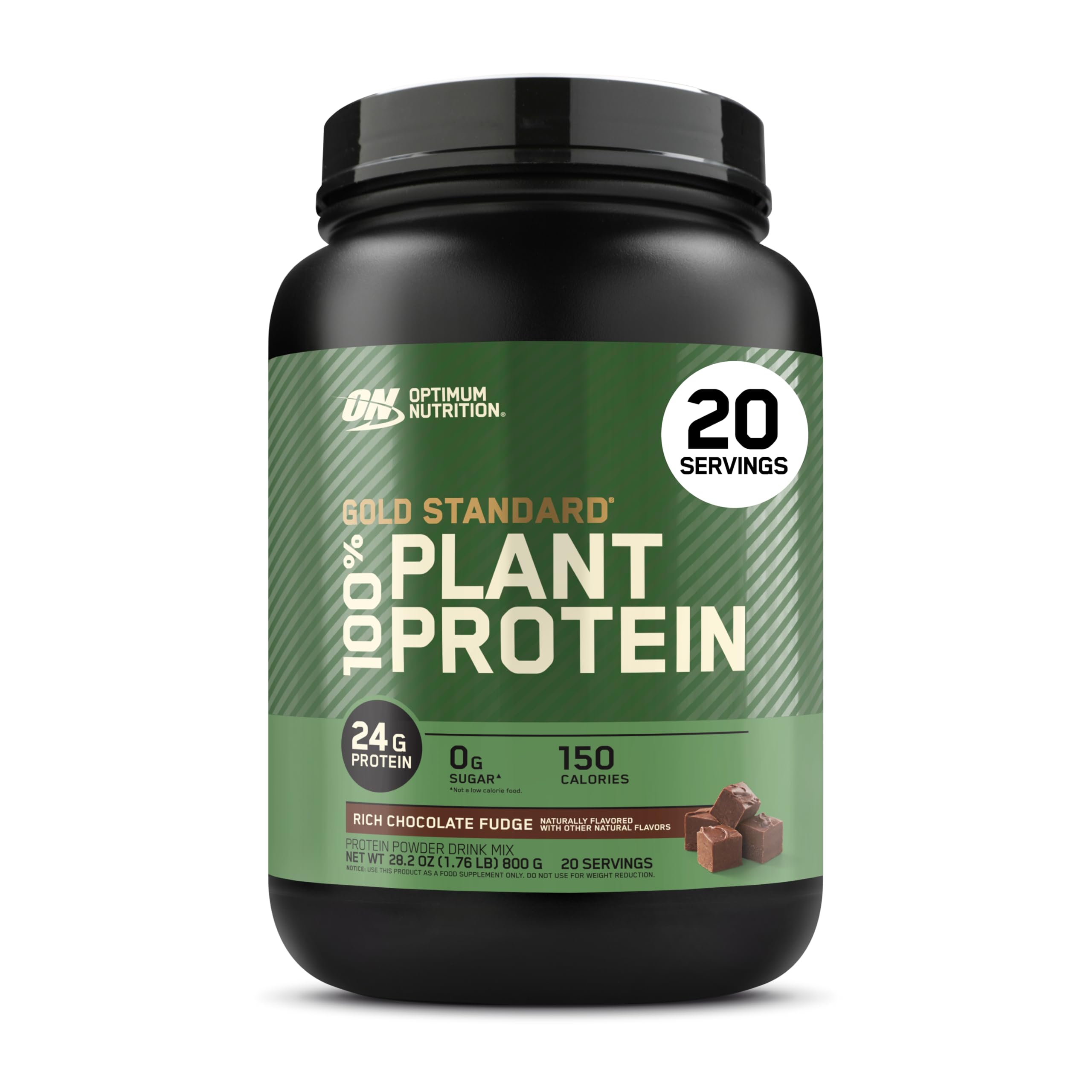
Optimum Nutrition brings its Gold Standard reputation to plant-based performance with a triple-source blend of pea, rice, and fava bean protein delivering 24 grams per scoop at zero grams of sugar. The amino acid profile hits all nine essentials with a leucine spike sufficient to trigger MPS after a heavy lifting session, and the mixability avoids the gritty sediment that plagues single-source isolates.
The Rich Chocolate Fudge flavor balances sweetness without the stevia linger that ruins many vegan powders. At roughly 20 servings per tub, the price lands in the premium tier, but each serving delivers the same third-party banned-substance testing ON is known for — a critical safety layer for athletes subject to screening.
Users consistently praise the smooth mouthfeel and minimal bloat, though a few note the chalky cocoa undertone when mixed with plain water. Stirring with oat milk or a banana eliminates that edge completely. This is the benchmark for plant-based muscle support because it solves the two biggest deal-breakers — taste and digestibility — without cutting corners on protein density.
Why it’s great
- Triple plant source ensures a complete essential amino acid profile with high leucine
- Zero sugar and smooth mixability reduce the chalky water effect
- Banned-substance tested for competitive athletes
Good to know
- Only 20 servings per container — reorder frequency is higher than larger tubs
- Chocolate flavor leans slightly chalky when mixed with water alone
2. Orgain Organic Vegan Protein Powder, Creamy Chocolate Fudge
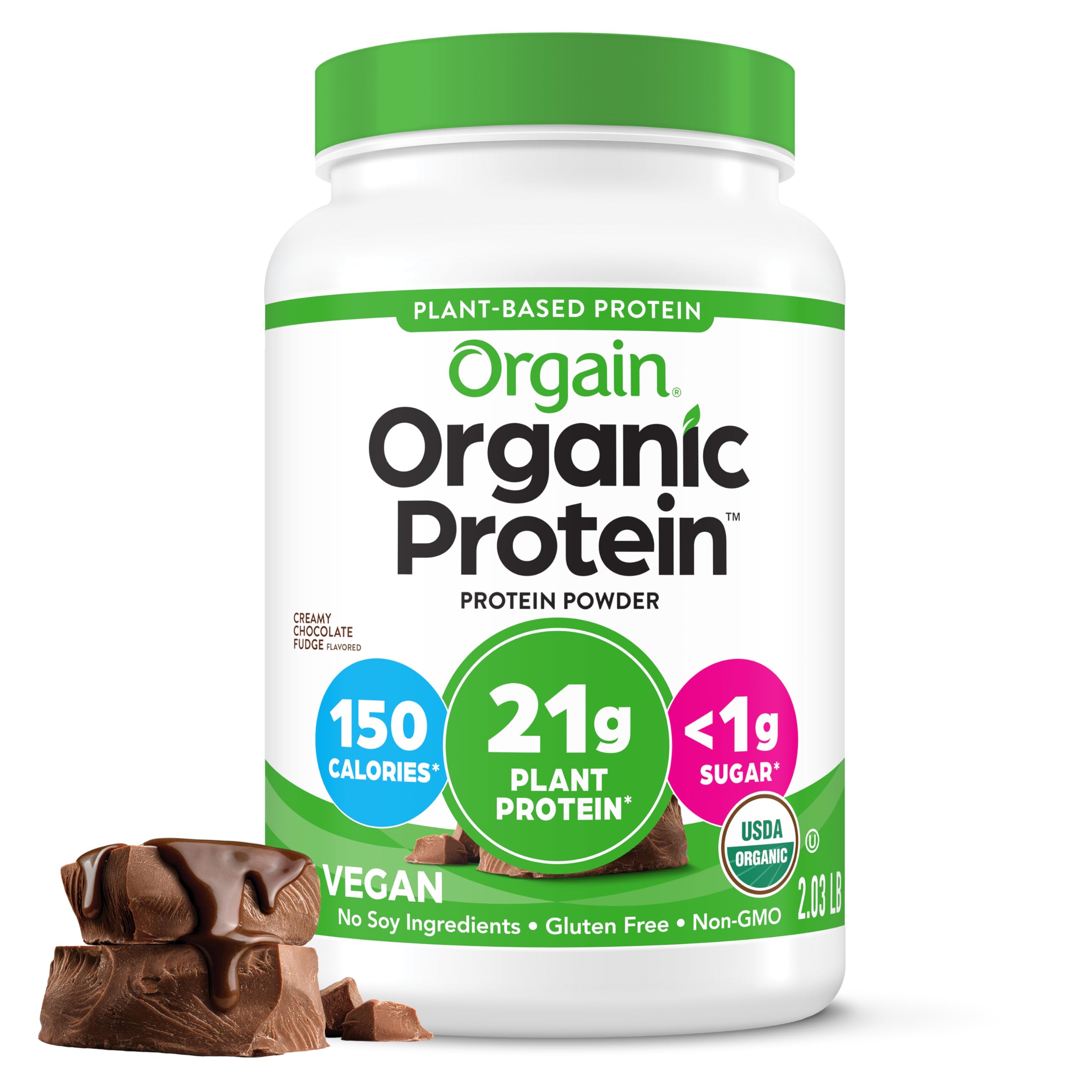
Orgain’s Creamy Chocolate Fudge stands apart by pairing 21 grams of organic pea, brown rice, and chia seed protein with 6 grams of prebiotic fiber per serving — a dual-action structure that supports muscle repair while feeding gut bacteria. The 0 grams of added sugar and USDA Organic certification remove the need to second-guess ingredient sourcing.
In the shaker, the powder dissolves faster than most multi-source blends, leaving a thick, milkshake-like consistency that masks the earthy notes typical of brown rice protein. Users with severe lactose intolerance report zero digestive fallout, a strong signal that the digestive enzyme-free formula still sits well due to the high fiber content slowing gastric emptying.
The trade-off is reduced protein density: at 150 calories for 21 grams, the ratio is looser than isolates. You need roughly 1.4 scoops to match the 26-gram hits of leaner powders. For anyone who prioritizes gut health, satiety, and clean label over maximum protein per calorie, this is the best compromise on the market.
Why it’s great
- 6g prebiotic fiber feeds beneficial gut flora without bloating
- USD Organic and third-party plant-based certified — no hidden additives
- Chocolate fudge flavor is genuinely enjoyable, not just tolerable
Good to know
- Lower protein-to-calorie ratio — requires more scoops per target gram
- Thicker consistency may not suit those who prefer thin, drinkable shakes
3. MRM Veggie Elite Performance Protein – Vanilla Bean
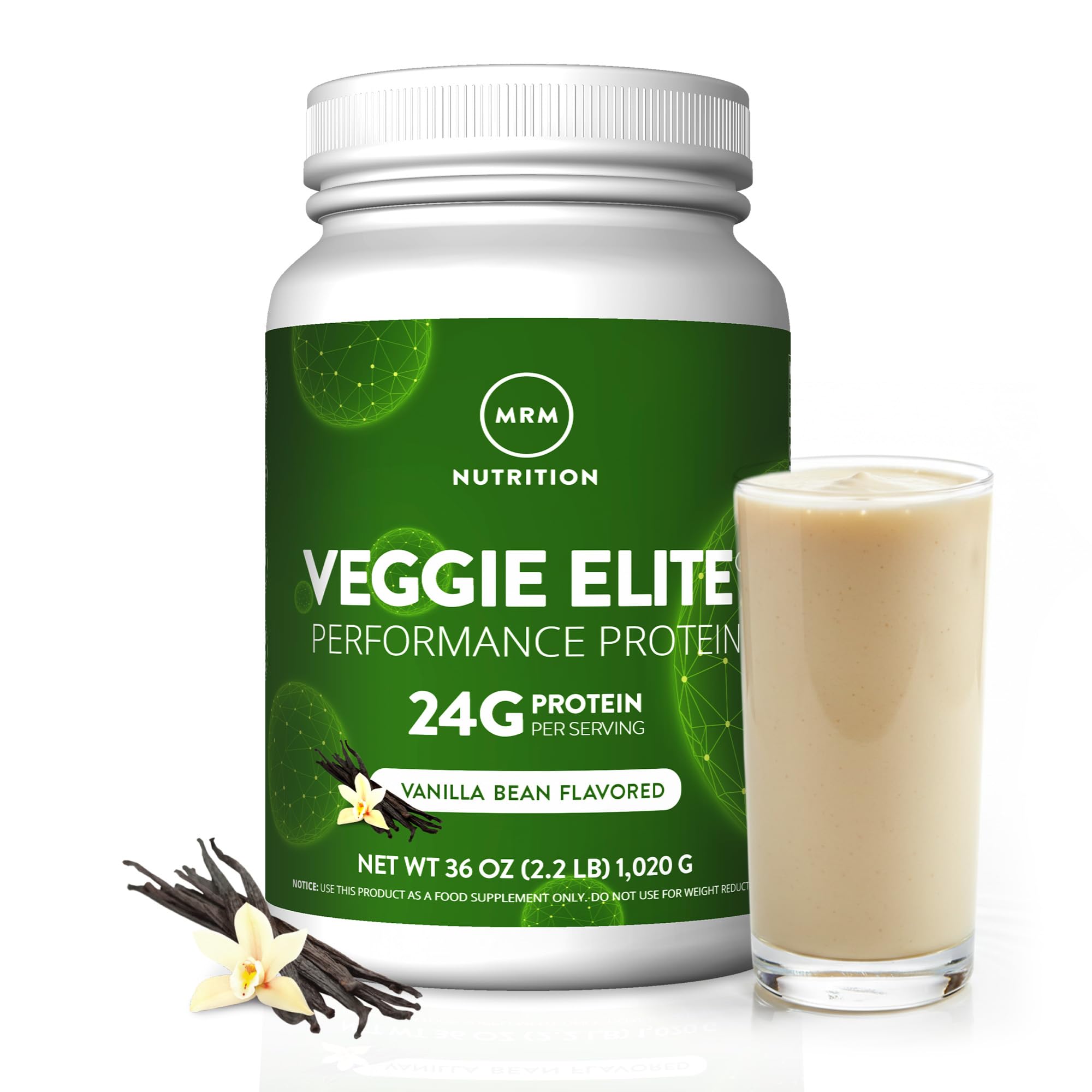
MRM Veggie Elite solves the single biggest complaint about plant protein — gastric distress — by incorporating a clinically validated blend of pea and rice protein with Digest-All, a proprietary enzyme complex that breaks down oligosaccharides before they reach the colon. The result is 24 grams of protein with 4.5 grams of BCAAs and zero of the methane-producing side effects that make some users quit vegan protein cold turkey.
The Vanilla Bean flavor steers clear of the saccharine sweetness that plagues flavored plant powders, relying on light stevia that fades quickly. Mixing one scoop into 8–12 ounces of water produces a smooth, slightly creamy texture with minimal foam. Many users report that the addition of sacha inchi — a seed rich in omega-3s — gives a thicker mouthfeel without requiring a blender.
Long-term users point out that the formula was recently reformulated with a sweeter profile that may disappoint those who preferred the original subtler taste. The scooper is also slightly oversized for the serving recommendation, so a food scale is more accurate for precise macros. For anyone switching from whey specifically because of digestive sensitivity, this is the most forgiving plant option available.
Why it’s great
- Digest-All enzyme complex prevents gas and bloat better than any other plant powder
- 4.5g BCAAs per serving supports post-workout recovery
- Light vanilla flavor works as a neutral base for smoothies and baking
Good to know
- Reformulation shifted sweetness — original fans may find it too sweet now
- Scoop inaccurate for gram measurement; use a food scale for precision
4. Ora Organic Vegan Protein Powder – Vanilla Chai
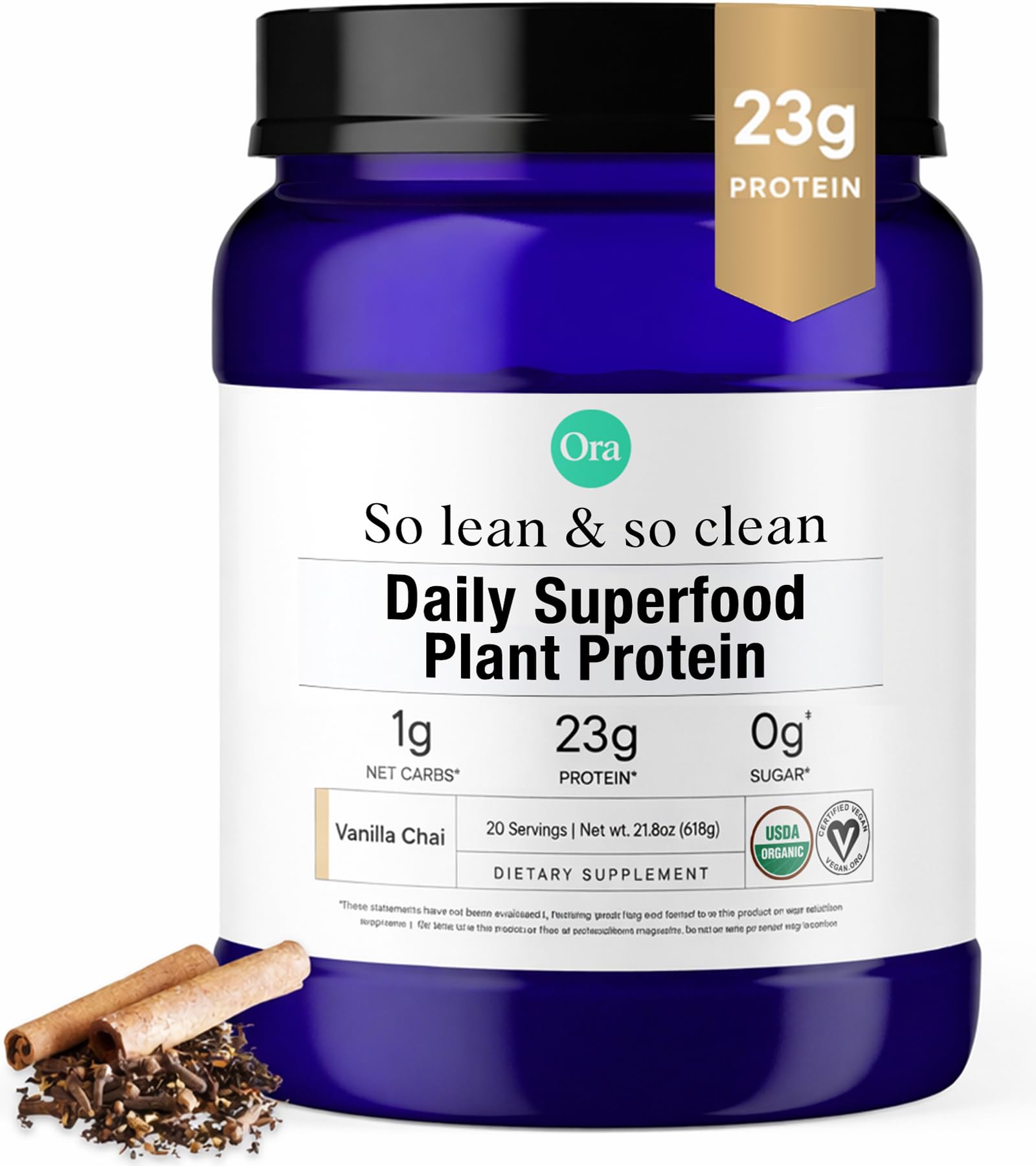
Ora Organic combines pea and rice protein with 18 organic superfoods — including maca root, acai, and ashwagandha — to create a protein powder that functions more like a nutrient-dense meal replacement than a pure muscle builder. The 23 grams of protein per serving come with digestive enzymes (100 mg of combined proteases) to minimize the bloat that plant proteins often cause.
The Vanilla Chai flavor is genuinely distinct: warm spice notes of cardamom and cinnamon mask the earthy pea base without artificial sweeteners. It blends into water with moderate foam, but the powder excels in warm liquids — mixed into oat milk coffee, it mimics a chai latte without added sugar. The brand also conducts heavy-metal testing and publicly posts the results, which matters for daily long-term consumption.
The trade-offs are real: the texture is thinner than Orgain or MRM, and some users report a persistent chalky finish that an immersion blender only partially fixes. At 20 servings per container, it is also one of the smaller tubs on this list. For clean-label buyers who value whole-food sourcing and spice-forward flavor over maximum protein density, Ora offers the most sophisticated ingredient story available.
Why it’s great
- 18 organic superfoods add micronutrients absent from stripped isolates
- Heavy-metal tested with transparent results for safety-conscious buyers
- Vanilla chai flavor works exceptionally well in hot beverages
Good to know
- Only 20 servings per tub — less value per gram than larger containers
- Texture is thin and slightly chalky, even with a blender
5. Zammex Organic Pea Protein Powder, Unflavored
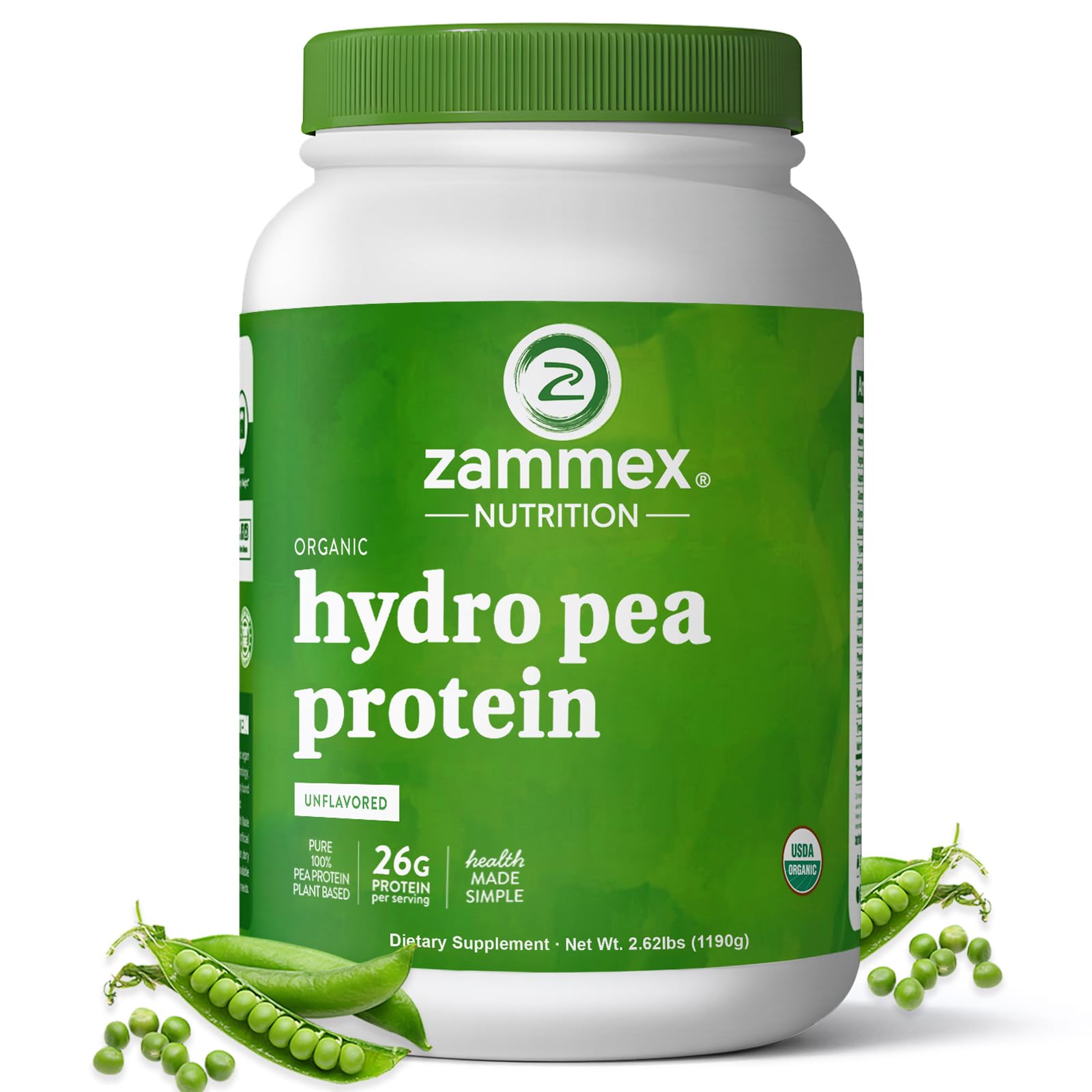
Zammex pushes the protein density ceiling for a single-ingredient pea isolate: 26 grams per 120-calorie scoop, with 5.1 grams of BCAAs and zero fillers. The patent-pending partial hydrolysis process breaks the protein into smaller peptide chains, which improves solubility to the point where the powder mixes with a spoon in cold water — no blender, no shaker, no clumps.
The unflavored profile is polarizing. Users who tolerate plain pea taste describe it as neutral and mild, with a slight nuttiness that disappears when blended with banana and peanut butter. Others report a metallic bitterness that nothing masks — a reaction that appears to be personal to individual taste receptors rather than a manufacturing defect. The Canadian yellow pea sourcing and USDA Organic certification give it a clean supply chain advantage.
At approximately 30 servings per container, the price lands near the low end of the premium range, making it one of the best cost-per-gram options for pure protein. The trade-off is flavor variability: if you are sensitive to pea protein bitterness, this is not the one. But if you want maximum protein per calorie with superior mixability, Zammex is the most efficient option here.
Why it’s great
- Highest protein density on this list — 26g per 120 calories
- Hydrolyzed for instant mixability without lumps
- USDA Organic Canadian yellow peas with zero additives
Good to know
- Unflavored taste varies — some users detect a metallic bitterness
- Best blended with fruit or nut butters to mask earthiness
6. Olympian Labs Plant Based Pea Protein Powder, Unflavored
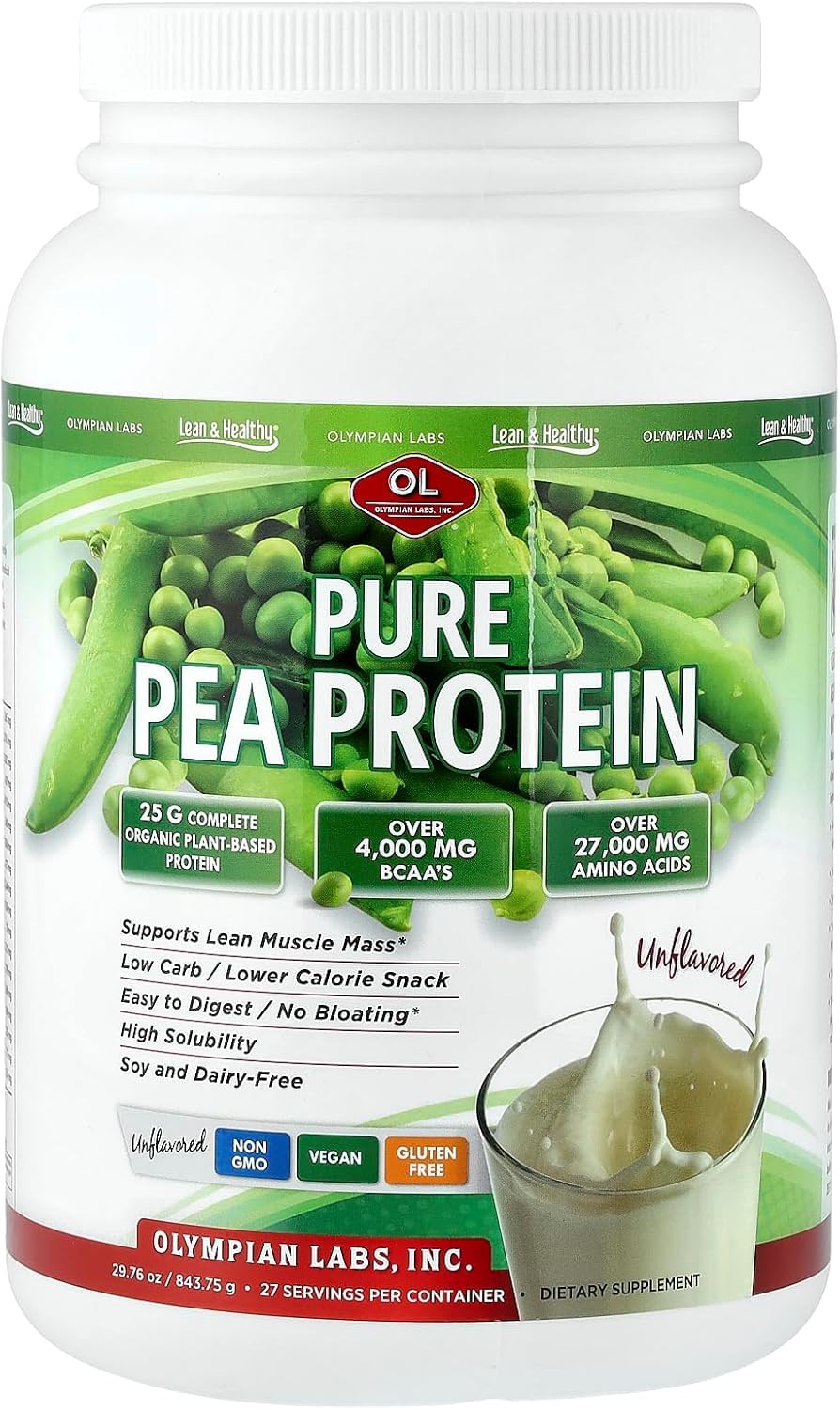
Olympian Labs serves a no-frills unflavored yellow pea protein that prioritizes purity over palatability: 25 grams of protein per serving, zero sugar, zero fat, and zero artificial anything. The mild nutty flavor blends easily into smoothies and baked goods without clashing, and the powder stays suspended in liquid longer than most isolates, avoiding the quick-settling sludge problem.
This is the oldest brand on the list — Olympian Labs has been making supplements since 1992 — and the formula reflects decades of refinement. The pea protein is concentrated from the normal 6% protein content in fresh peas to over 80%, making it one of the most efficient extractions available. It is also soy-free, dairy-free, and diabetic-friendly, covering nearly every common dietary restriction.
The biggest constraint is the taste: mixed with water alone, it is palatable but bland, with a distinct pea aftertaste that sensitive drinkers find unpleasant. Reviews consistently note that baking with it — replacing one cup of flour with one cup of pea protein — produces better results than trying to drink it straight. For users who prioritize macro purity and kitchen versatility over shake flavor, this is the most adaptable option in the lineup.
Why it’s great
- High protein concentration — over 80% protein by weight
- Zero fat, sugar, soy, or dairy — universal dietary compatibility
- Excellent for baking; replaces flour at a 1:1 ratio
Good to know
- Unflavored pea taste is mild but noticeable — not for water-only drinkers
- Price per gram is mid-range; larger tubs offer better value
7. Nutricost Organic Pea Protein Isolate Powder, Unflavored

Nutricost delivers the largest quantity on this list — a 5-pound tub of certified USDA Organic pea protein isolate that yields roughly 100 servings at 20 grams of protein each. The cost per gram is the lowest in this comparison by a significant margin, making it the pragmatic choice for anyone who cycles through protein powder quickly and wants to minimize reorder frequency.
The unflavored isolate tastes plain and flour-like in water, but it dissolves quickly without clumps when mixed with a shaker or frother. Most users find the initial pea aftertaste fades within three to four uses. The large tub comes with a secure screw lid and a scoop that, while included, tends to get buried in the powder — a minor packaging nuisance that does not affect performance.
The protein density is lower than Zammex or Olympian Labs at 20 grams per scoop, meaning you need 1.25 scoops to reach a typical 25-gram target. The fine powder also puffs when scooped quickly, creating minor airborne dust. For budget-conscious lifters who mix their shakes with banana and milk alternatives, this is the most economical route to consistent daily protein intake without sacrificing organic certification.
Why it’s great
- 5lbs of USDA Organic pea protein — unmatched bulk value per gram
- Fine powder dissolves smoothly in milk alternatives
- Minimal ingredients — just organic pea protein isolate
Good to know
- Only 20g protein per scoop — lower density requires larger servings
- Powder puffs easily — scoop carefully to avoid mess
FAQ
Is unflavored or flavored plant protein better for building muscle?
How many grams of plant protein should I take per day to build muscle?
Why do some plant protein powders cause bloating while others do not?
Final Thoughts: The Verdict
For most users, the best plant based protein powder to build muscle winner is the Optimum Nutrition Gold Standard Plant because it delivers 24 grams of complete protein from three complementary plant sources with zero sugar and the brand’s proven third-party testing, all while tasting good enough to drink daily without dread. If you prioritize gut health and satiety above raw protein density, grab the Orgain Organic Creamy Chocolate Fudge for its 6 grams of prebiotic fiber and organic ingredients. And for the best cost per gram on a bulk budget, nothing beats the Nutricost Organic Pea Isolate — a 5-pound tub that keeps your protein supply stable for months without stretching your wallet.