Finding a protein powder that doesn’t taste like a candy bar, doesn’t spike your blood sugar, and doesn’t load you with artificial sweeteners is harder than it sounds. The so-called “plain” protein market is flooded with options that still sneak in stevia, monk fruit, or a mystery “natural flavor” that ruins the neutral base you’re actually after.
I’m Mohammad Maruf — the founder and writer behind AirfryerBite. I’ve spent years cross-referencing lab reports, ingredient labels, and customer feedback on unsweetened, unflavored protein powders to find the ones that deliver exactly what they promise: pure protein without the noise.
Whether you’re stirring it into coffee, blending it into a low-sugar smoothie, or baking a batch of high-protein muffins, you need a clean slate. That’s the value of a truly neutral plain protein powder — one that adds nutrition without dictating the flavor of your meal.
How To Choose The Best Plain Protein Powder
When you strip away the marketing, a plain protein powder boils down to one thing: what’s *not* in the bag. But beyond the ingredient list, the source of your protein, the processing method, and the particle size all determine whether your shake is silky or gritty, whether your stomach feels calm or bloated, and whether the macros actually fit your goals.
Know Your Protein Source: Whey, Pea, or Multi-Source
Whey isolate is the gold standard for zero-carb, fast-absorbing protein with a very clean, milky taste that many describe as virtually flavorless. It blends effortlessly into hot and cold liquids. Pea protein isolate is the leading plant-based alternative, but it comes with a distinct earthy or flour-like note that some people find unpleasant in water; it requires stronger flavor companions like banana or cocoa. Multi-source blends, like pea-pumpkin-chia mixes, aim for a complete amino acid profile but often introduce a more complex, sometimes grassy taste and a thicker, grainier texture that needs extra liquid to dissolve.
Check for Hidden Additives: Natural Flavors, Gums, and Sweeteners
The term “unflavored” is not legally protected. Some brands slip in stevia leaf extract, “natural flavors,” or gums like xanthan or guar to improve mouthfeel. For a truly neutral base, the ingredient list should contain exactly one or two items: the protein isolate itself and, in some cases, sunflower lecithin (an emulsifier that prevents clumping). Anything beyond that compromises the neutrality you’re buying the “plain” powder for in the first place.
Evaluate the Particle Texture and Solubility
A fine-milled powder will mix into cold water with just a shaker bottle, while coarser grinds tend to clump and require a blender for smooth results. Pay attention to reviews mentioning “chalky residue” or “gritty mouthfeel” — these indicate a powder that may not dissolve fully. Cold-processed, undenatured protein retains a higher moisture content (around 5%), which actually helps it blend more smoothly into liquids compared to over-dried, dusty powders that turn into paste.
Quick Comparison
On smaller screens, swipe sideways to see the full table.
| Model | Category | Best For | Key Spec | Amazon |
|---|---|---|---|---|
| AGN Roots Grass Fed Whey Isolate | Premium Whey | Zero-additive, third-party certified purity | 25g protein, 6.5g BCAAs per serving | Amazon |
| Isopure Zero Carb Whey Isolate | Zero Carb Whey | Clean macros, mixing into coffee or baking | 25g protein, 0g carbs per serving | Amazon |
| Sprout Living Epic Protein | Multi-Source Plant | Complete amino profile from 5 plant sources | 26g protein, prebiotics included | Amazon |
| BulkSupplements Grass Fed Whey | Value Whey | High-volume, budget-friendly concentrate | 30g protein per serving (4 tbsp) | Amazon |
| Micro Ingredients Pea Protein | Bulk Plant Protein | Long supply (68 days) at low cost per serving | 27g protein, 5lb pouch | Amazon |
| Nutricost Organic Pea Isolate | Organic Pea | USDA organic, simple single-ingredient profile | 20g protein per scoop | Amazon |
| Growing Naturals Raw Pea Protein | Raw Pea | GI-friendly, top allergen-free formula | 15g protein, top-9 allergen-free | Amazon |
In‑Depth Reviews
1. AGN Roots Grass Fed Whey Protein Powder Isolate
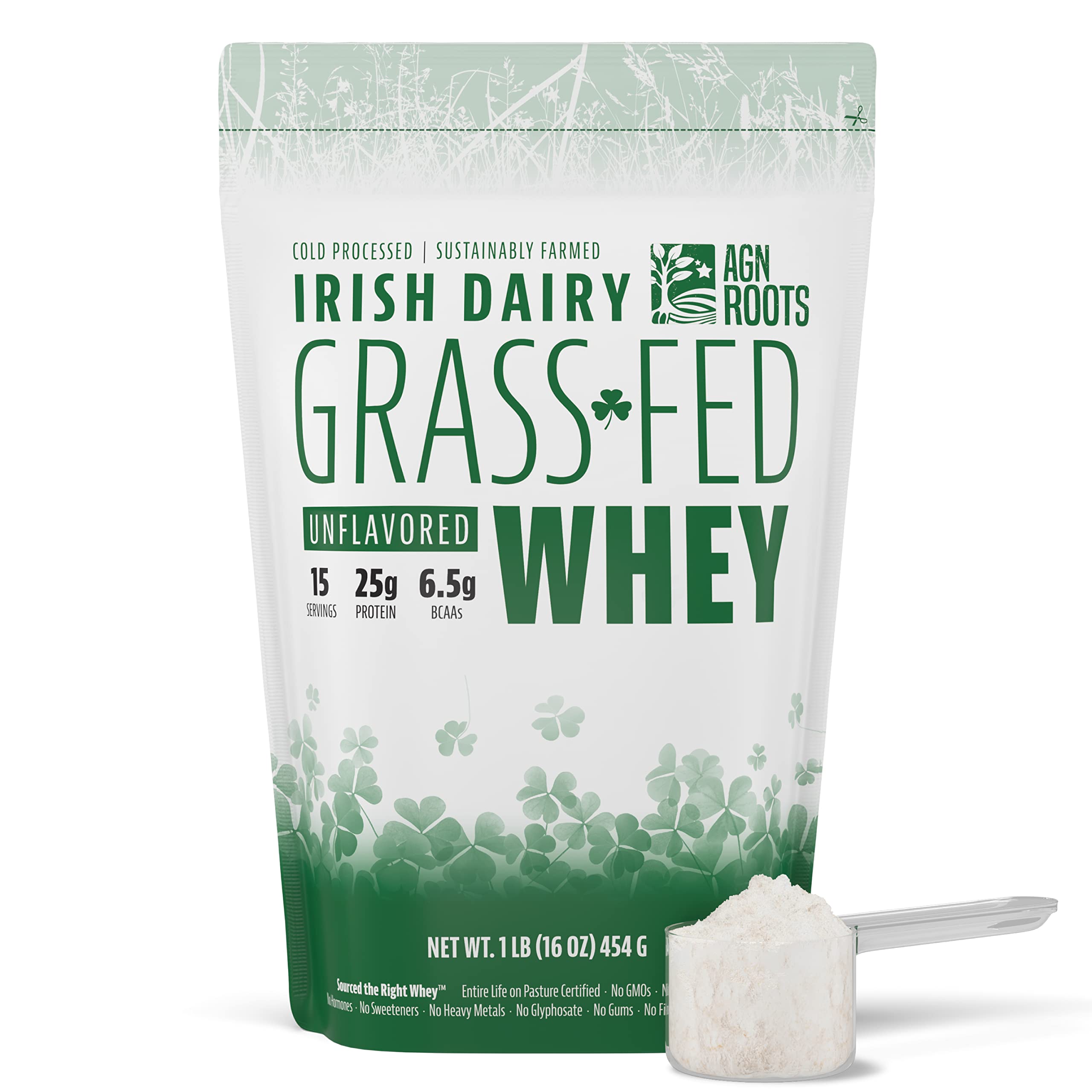
This is the most scrutinized protein label I’ve encountered for a plain whey isolate. AGN Roots carries an A Greener World *Entire Life on Pasture* certification, ASPCA recognition, and both Informed Sport and Informed Protein seals — meaning every batch is tested for 250+ banned substances, heavy metals, pesticides, and glyphosate. It’s also the only whey isolate I’ve seen that explicitly states a moisture content around 5.4%, which explains why it blends so smoothly without the dusty, clumping texture common in over-dried isolates.
The protein clock comes in at 25 grams per two-scoop serving with 6.5 grams of naturally occurring BCAAs, marginally higher than most competitors. Unflavored and unsweetened, it carries a faint, fresh dairy cream note that disappears completely once mixed into coffee, oatmeal, or a smoothie. Several reviews note zero bloating or digestive stress, which aligns with its low-lactose profile from the isolate processing.
Significant drawback: the packaging is a 48-ounce pouch rather than a tub, which some users find inconvenient for daily scooping, especially if they don’t go through a bag quickly. The zipper reseal is functional but not airtight long-term, so a dedicated container is recommended for anyone buying the larger size.
Why it’s great
- Triple-certified (pasture-raised, ASPCA, Informed Sport) provides unmatched transparency.
- Cold-processed, undenatured protein blends creamier than standard isolates.
- Naturally high BCAAs (6.5g) without any added amino acids or fillers.
Good to know
- Pouch packaging can be awkward for storage; needs a container for daily use.
- Price per gram places it in the premium bracket compared to bulk competitors.
- Default size (48 oz) is large for infrequent users — no smaller option available.
2. Isopure Zero Carb 100% Pure Whey Isolate

Isopure’s unflavored whey isolate is the benchmark for anyone who needs a strict zero-carb, zero-sugar protein that still mixes effortlessly into hot coffee and ice-cold smoothies. With 25 grams of protein per 100-calorie serving and an ingredient list that reads “whey protein isolate, sunflower lecithin,” this is as clean as it gets from a major commercial brand. Reviews consistently highlight that it produces no artificial aftertaste, no grit, and no clumps even when stirred with a spoon — an impressive feat for a protein that contains no gums or emulsifiers beyond lecithin.
The 1-pound bag yields 16 servings, which is small enough to fit into a pantry or gym bag but also means you’ll reorder relatively quickly if you use it daily. Several long-term users note that the newer bag’s zipper seal is less durable than the older double-ziplock design, with some reporting that the seal fails after a few openings. This is a packaging concern for anyone who doesn’t transfer the powder to an airtight container immediately.
Texture wise, it’s one of the smoothest plain whey isolates available. The fine powder dissolves almost instantly, making it a top choice for baking applications where dry clumps would ruin the crumb structure of muffins or pancakes. The completely neutral flavor profile means you can add it to savory dishes like soups without altering the taste — a unique advantage over plant-based powders that bring an earthy undertone.
Why it’s great
- Genuinely zero carbs and zero sugar with no hidden sweeteners or flavors.
- Blends transparently into hot liquids, cold drinks, and baked goods without separation.
- Familiar, widely available brand with consistent quality across batches.
Good to know
- Bag reseal strip is fragile; must be transferred to another container for long-term storage.
- Only 16 servings per bag — high daily users will need to buy in multi-packs.
- Slightly more expensive per gram than bulk whey concentrate options.
3. Sprout Living Epic Protein Superfoods Powder

What sets Sprout Living apart is its multi-source approach: yellow pea, pumpkin seed, sunflower seed, chia seed, and cranberry seed create a complete amino acid profile without relying on a single plant base. Each serving delivers 26 grams of protein along with prebiotic fiber from Jerusalem artichoke, which supports digestive health — a claim backed by the ingredient list rather than marketing fluff. Third-party testing results for heavy metals and purity are published, giving it a transparency edge in the crowded plant-based segment.
Texture is where this powder divides opinion. The multi-source blend creates a noticeably thicker, grainier consistency than single-source pea isolates. Some reviews describe a “layer on the teeth” sensation and a subtle product taste that is not truly flavorless, which may require stronger flavor companions like banana or cocoa to mask. The serving size is 38 grams (larger than a typical 30g scoop), so you’ll need slightly more liquid to achieve a drinkable consistency.
For users coming from whey protein, the textural shift is significant — expect a heavier, earthier shake that works best in baked goods and oatmeal rather than simple water-based drinks. The unflavored version has a natural subtle sweetness from the seeds, which is a welcome feature for those who find straight pea protein too chalky, but a detractor for anyone requiring absolute neutrality.
Why it’s great
- Five diverse plant sources provide a complete EAA profile with prebiotics.
- Third-party tested for heavy metals, BPA, and purity — results available.
- No gums, fillers, or “natural flavors” — ingredient list is exceptionally clean.
Good to know
- Grainy texture and aftertaste may be off-putting for use in water or simple smoothies.
- Larger serving size (38g) requires more liquid and increases calorie count per shake.
- Formula recently changed — replaced Sacha Inchi with Chia Seed, altering taste slightly.
4. BulkSupplements Grass Fed Whey Protein Concentrate
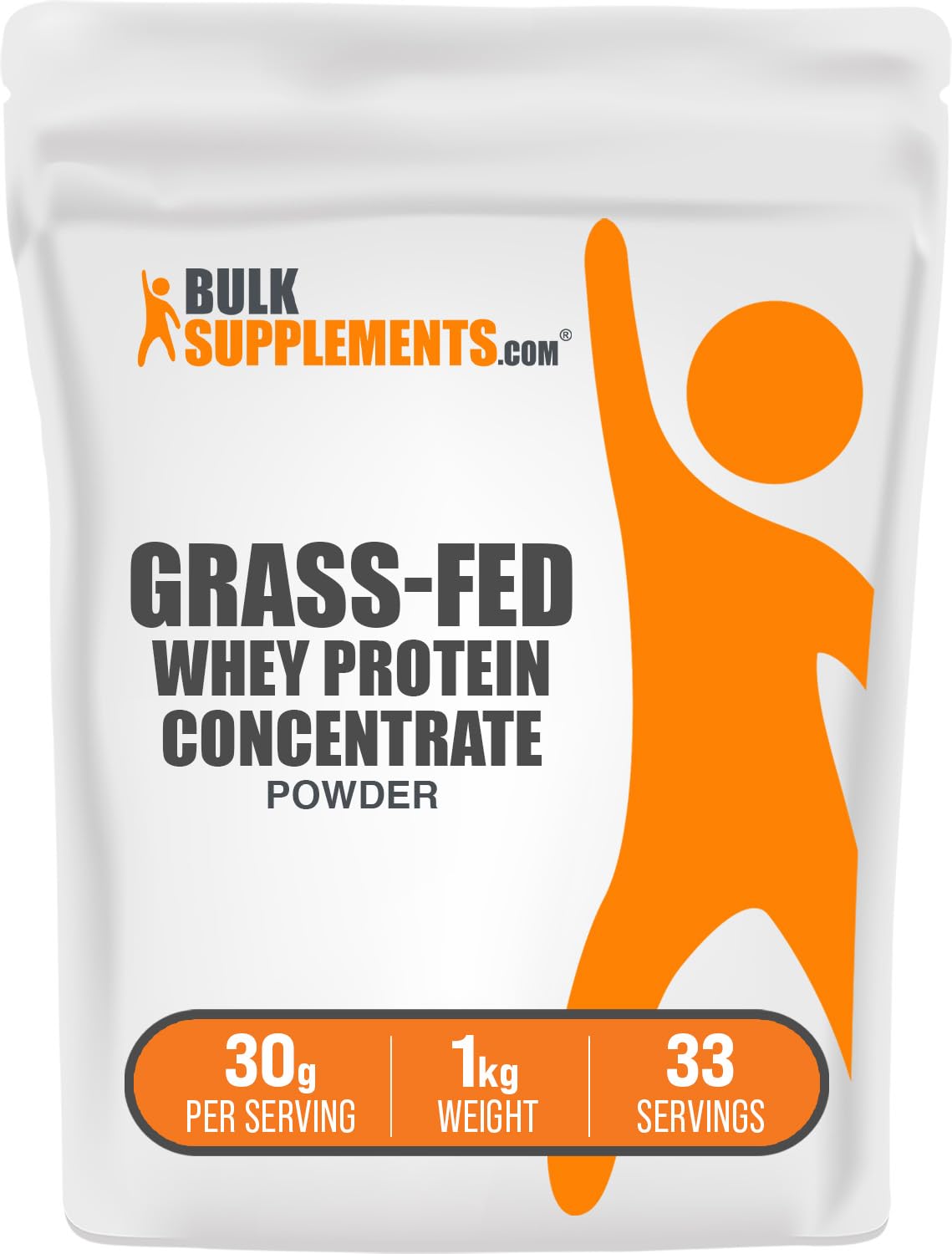
This is a grass-fed whey concentrate rather than an isolate, which means it retains more of the milk’s natural fat and carbs (around 2–3 grams of carbs per serving), but also delivers a hefty 30 grams of protein per 4-tablespoon serving. The price per gram of protein is among the lowest in the grass-fed whey category, making it an attractive option for anyone who burns through protein powder quickly and isn’t strictly keto or zero-carb. The unflavored profile is nearly tasteless, with a mild milky scent that disappears in coffee or smoothies.
Mixing performance is surprisingly good for a concentrate — reviews consistently note it dissolves completely even with 8 tablespoons in a single drink. However, the bag does not include a scoop; you’ll need to measure with tablespoons (4 tbsp = 1 serving). The reseal strip on the bag is notoriously weak, with many users reporting that the seal opens slowly and allows powder to leak if the bag is stored on its side. A simple clip or transfer to a container solves the issue.
Digestibility appears to be slightly less forgiving than isolates: a few users mention mild constipation or bloat, which is expected from a concentrate since it contains more lactose. For anyone with whey sensitivity, the isolate versions (like Isopure or AGN Roots) are safer choices. But for the budget-conscious athlete who wants grass-fed sourcing without the grass-fed price tag, this is a strong contender.
Why it’s great
- 30g protein per serving at one of the lowest per-gram costs among grass-fed powders.
- Dissolves completely in water or milk with no clumping.
- Grass-fed sourcing without the typical premium markup of smaller brands.
Good to know
- No scoop included — requires measuring with a tablespoon.
- Bag reseal strip is unreliable; must use a container clip or transfer.
- Contains lactose from concentrate processing — may cause bloat in sensitive individuals.
5. Micro Ingredients Pea Protein Powder
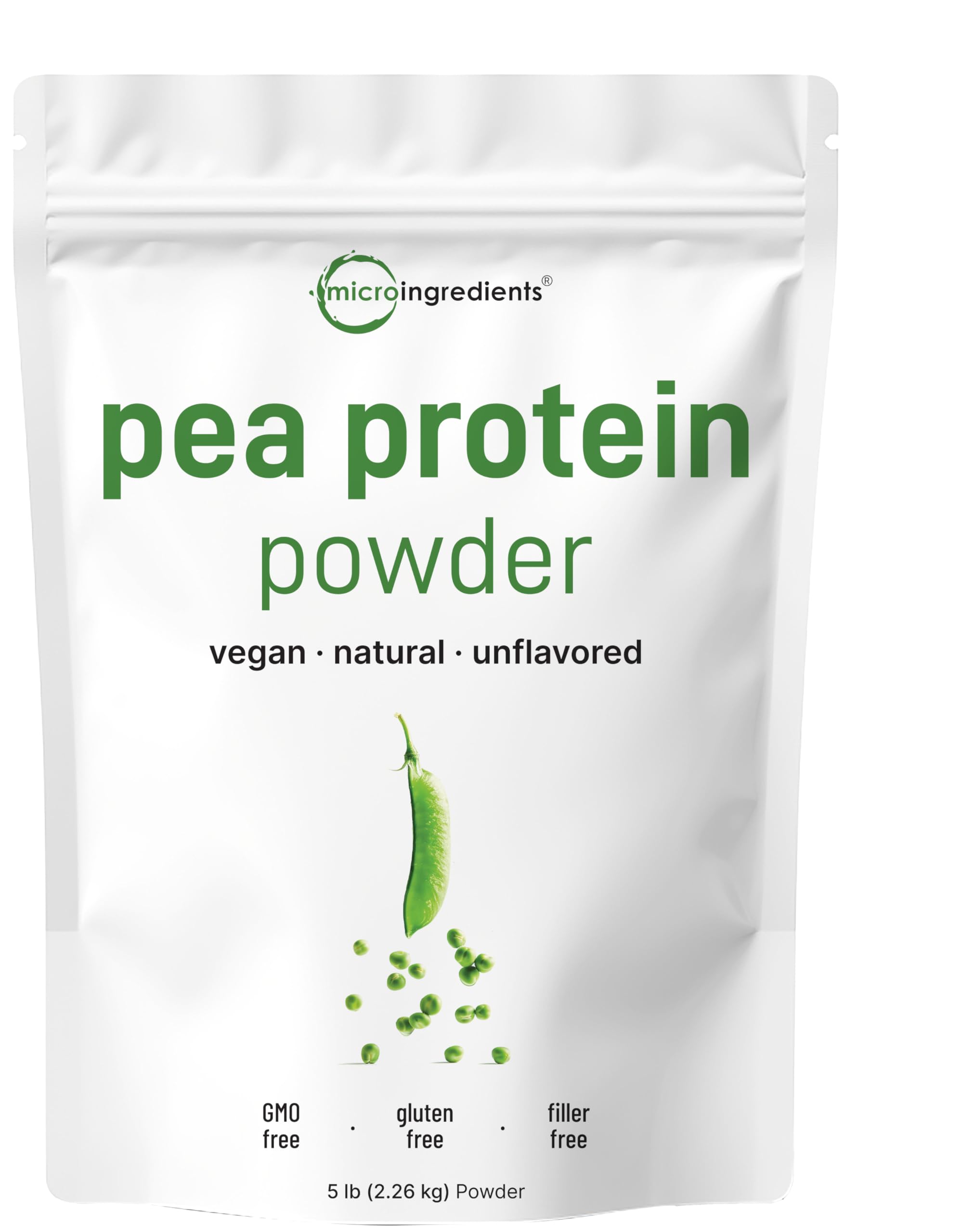
Micro Ingredients takes a no-frills approach with a 5-pound pouch of North American–grown pea protein isolate. At 27 grams of protein per serving and a 68-day supply if taken once daily, it’s designed for high-volume users who don’t want to reorder every two weeks. The powder is finely ground and unflavored, with a clean, earthy taste that many users find milder than competing pea isolates — comments like “barely any taste” appear frequently in reviews.
The texture is where the trade-off appears. Several users note that while it mixes easily in cold water and hot soup, it is slightly clumpier than other isolates, particularly when compared to whey or more expensive pea isolates. The included scoop is small (33 grams yields 27g of protein), and the fine powder can puff out of the bag if not handled carefully. The low sodium content is a genuine advantage for anyone monitoring salt intake, and the lack of fillers or gums means the ingredient list is exactly one item: pea protein.
There’s one notable concern: the manufacturer’s reluctance to provide full third-party lab reports or micronutrient analysis has been flagged by a user on the label. This is a transparency issue that matters if you’re relying on this as a primary protein source. For general use as a mix-in for shakes and baked goods, the cost per gram is exceptionally hard to beat.
Why it’s great
- 5 pounds provides excellent long-term value with 27g protein per serving.
- Low sodium and no fillers, gums, or artificial anything.
- Finely ground powder mixes easily into both cold and hot liquids.
Good to know
- Lack of published third-party lab reports raises slight transparency concerns.
- Texture is slightly clumpier than premium isolates.
- Fine powder can create a dusty puff when scooping; careful handling required.
6. Nutricost Organic Pea Protein Isolate

Nutricost’s organic pea isolate focuses on simplicity: certified USDA organic, non-GMO, gluten-free, and third-party tested in a GMP-compliant facility. Each scoop delivers 20 grams of protein, which is on the lower end compared to other pea isolates (many offer 25–27g per serving), but the smaller serving size also means the scoop is physically smaller, making it less prone to puffing and mess. The taste is described by users as “like flour” — earthy and neutral, not sweet, and not offensive once you acclimate after a few uses.
Mixing performance is solid but not exceptional. The powder dissolves easily in soy milk and flax milk without lumps, but reviews note that it doesn’t get “super smooth” like a whey isolate or a premium pea isolate; there is a slight chalkiness that some users find noticeable when mixed with water alone. In a blender with banana and nut butter, the texture issue disappears completely.
The large tub with a secure screw cap is a practical advantage over bag-style packaging — it seals tightly, stores easily, and prevents the fine powder from escaping into your cabinet. For anyone prioritizing an organic certification and a straightforward single-ingredient product without the premium price of boutique brands, this is a solid entry-level pick.
Why it’s great
- Certified USDA organic and non-GMO with transparent third-party testing.
- Screw-cap tub prevents messy powder leakage common in bags.
- Flavor neutralizes after a few uses; works best with strong mix-ins.
Good to know
- Only 20g protein per serving — lower than many competing isolates.
- Chalky texture when mixed with water alone; needs a blender for smoothness.
- Fine powder can puff out of the scoop if poured too quickly.
7. Growing Naturals Raw Pea Protein Powder

Growing Naturals differentiates itself with a raw pea protein that is free from the top nine allergens — no gluten, soy, dairy, corn, or lactose. This makes it one of the safest options for anyone with multiple food sensitivities or following a low-FODMAP diet. The protein content is 15 grams per serving, which is lower than most competitors, but the trade-off is a formulation that uses no chemical solvents in the extraction process, retaining more of the pea’s natural enzymes and iron.
Reviews frequently highlight the absence of bloating and stomach upset — a common complaint with both whey and some pea proteins — which aligns with the gentle, solvent-free processing. The texture is described as not grainy or chalky, though multiple users note that it has a “neutral” flavor that requires added ingredients like fruit or cocoa to make it palatable on its own. It works exceptionally well as a base in smoothies and oatmeal where you control the flavor profile.
The 1-pound bag is relatively small, at 16 ounces, which may be a drawback for heavy users but is convenient for trying the product or for someone who rotates between protein sources. The price per gram is on the higher end of the plant-based spectrum, reflecting the allergen-friendly manufacturing and the raw, chemically unprocessed claim.
Why it’s great
- Free of top-9 allergens — suitable for multiple food sensitivity diets.
- Low-FODMAP, keto, and paleo friendly with a low-glycemic index.
- No chemical solvents used in processing; retains native enzymes and nutrients.
Good to know
- Only 15g protein per serving — lower protein density than most competitors.
- Neutral, unflavored taste may be too bland for some; needs flavoring added.
- Small 1-pound bag yields fewer servings per purchase than bulk alternatives.
FAQ
Do plain protein powders contain any natural flavors or sweeteners?
Why does plain pea protein taste gritty while whey isolate does not?
Can plain protein powder be used in baking without altering the taste?
How do I know if a plain protein powder is third-party tested for contaminants?
Final Thoughts: The Verdict
For most users, the plain protein powder winner is the Isopure Zero Carb Whey Isolate because it delivers 25 grams of pure, unflavored whey isolate with zero carbs, zero sweeteners, and a mixing quality that works in hot coffee, baked goods, and cold smoothies alike. If you want an ethically sourced, third-party certified powder with a creamy texture, grab the AGN Roots Grass Fed Whey Isolate. And for a budget-friendly plant-based option, nothing beats the Nutricost Organic Pea Isolate for its straightforward organic credentials and secure tub packaging.