The difference between good homemade pasta and great homemade pasta almost always comes down to a single choice: the flour you put in your mixing bowl. Using the wrong protein level or grind size can turn a promising batch of fettuccine into a sticky, gummy mess that clogs your pasta roller and refuses to hold its shape in the water.
I’m Mohammad Maruf — the founder and writer behind AirfryerBite. I’ve spent years dissecting the technical specifications of imported Italian milling processes, analyzing protein content percentages, and cross-referencing customer feedback on dozens of pasta flour brands to separate the true performers from the marketing hype.
Whether you are rolling out delicate sheets for lasagna or shaping gnocchi by hand, finding the right pasta flour determines whether your final plate tastes like a rustic trattoria or a failed experiment. This guide isolates the five flours that consistently deliver the elasticity, hydration tolerance, and final texture that serious home pasta makers demand.
How To Choose The Best Pasta Flour
The pasta flour aisle looks deceptively simple on the surface, but the wrong choice can derail an entire afternoon of kitchen work. Two specifications — grind classification and protein percentage — matter far more than brand loyalty or price point.
Type 00 vs Semolina: Know the Difference
Type 00 flour is ground to the finest possible texture in the Italian classification system. That powdery consistency allows the flour to absorb water more evenly during kneading, producing a smooth, elastic dough that rolls thin without tearing. Type 00 is your standard for egg pasta, lasagna sheets, and soft filled pastas like ravioli. Semolina flour, ground from durum wheat, has a coarser, golden grain and a higher protein profile. It is the traditional choice for extruded pasta shapes like penne or spaghetti because it creates a firmer, toothsome bite that holds its structure during boiling and holds sauce better. Many experienced pasta makers keep both on their shelf and use a blend for certain recipes.
Protein Content and Ash Percentage
Protein content in pasta flour typically ranges from 11 to 14 percent. Higher protein levels create more gluten, which translates to a chewier, more resilient noodle that resists overcooking. Ash percentage measures the mineral content left after incineration — it influences the flour’s color and flavor profile. Lower ash flour (below 0.5 percent) produces the bright white, neutral-tasting dough that Italian grandmothers favor for delicate egg pasta. Higher ash flour introduces a slightly nuttier taste and a creamier hue. Neither value is objectively better; the right choice depends on whether you want a translucent, tender sheet or a robust, sauce-gripping shape.
Quick Comparison
On smaller screens, swipe sideways to see the full table.
| Model | Category | Best For | Key Spec | Amazon |
|---|---|---|---|---|
| Antimo Caputo Pasta & Gnocchi 00 | Premium | Silky sheet pasta, ravioli, gnocchi | 5 lb bag, double-zero grind | Amazon |
| Paolo Mariani Type 00 | Mid-Range | Fresh pasta, gnocchi, machine rolling | 2.2 lb bag, low ash content | Amazon |
| Paolo Mariani Durum Semolina | Mid-Range | Bread, pizza, pasta | 2.2 lb, remilled fine semolina | Amazon |
| Spicy World Semolina Flour | Budget | Pizza peel dusting, extruded pasta | 3 lb bag, USA-grown durum | Amazon |
| Molino Grassi Extra Fancy Semolina | Premium | Blending with 00 flour, pizza dough | 2.2 lb, Italian milled durum | Amazon |
In-Depth Reviews
1. Antimo Caputo Pasta & Gnocchi Flour 5 lb
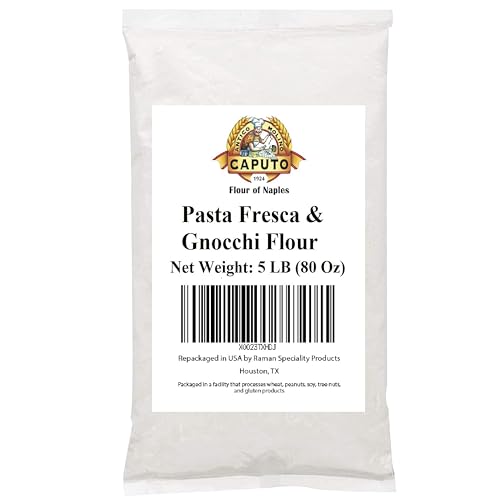
The Antimo Caputo Pasta & Gnocchi flour is the benchmark for serious home pasta makers who want professional-grade sheet pasta. This is a genuine Type 00 flour milled with a slow grinding technique that preserves the integrity of the wheat starches and proteins — the flour feels almost liquid when you tilt the bag, a hallmark of the ultra-fine grind that allows it to hydrate uniformly during kneading.
Customers consistently report that this flour creates shiny, consistent dough that rolls out on a laminator without tearing or sticking. The 5-pound repackaged bag offers better value per pound than the smaller Italian imports, and the flour is blended from high-quality wheat selected both in Italy and abroad. Multiple users specifically praise it for lasagne noodles and gnocchi, noting the final texture melts in the mouth while maintaining enough structural integrity to hold fillings.
One consideration: this flour is specifically formulated for fresh pasta made with a laminator (dough rolled flat). If you plan to extrude pasta shapes, Caputo recommends blending it with their semola flour for best results. The bag is a repack, but every batch arrives with clear labeling, expiration date, and supplier information.
Why it’s great
- Ultra-fine double-zero grind produces silky, elastic dough sheets
- Slow milling technique preserves protein and starch structure
- 5 lb bulk bag provides better value than smaller Italian imports
- Proven performance for gnocchi and sheet pasta in verified reviews
Good to know
- Optimized for roller/laminator pasta, not extruded shapes alone
- Repackaged bag may differ slightly from original mill packaging
2. Molino Grassi Extra Fancy Durum Wheat Semolina Flour 2.2 lb

Molino Grassi has been milling flour in Italy for generations, and their Extra Fancy Durum Wheat Semolina is a premier choice for anyone who wants to add the golden hue and robust flavor of durum to their pasta and pizza dough. The flour is classified as extra fancy, which indicates a particularly fine grind for a semolina — closer to the texture of fine cornmeal than the coarse grit found in some bulk brands.
Verified buyers report that this semolina works beautifully in a pasta maker, blending seamlessly with all-purpose or 00 flour to create homemade pasta that holds added flavors like spinach or kale powder without breaking down. The rich yellow color is a visual indicator of high-quality durum wheat, and the 15.50 percent humidity level ensures the flour is milled and stored under controlled conditions to maintain freshness. Several users specifically recommend it as an addition to 00-based pizza dough for a chewier, more toothsome crust.
The primary downside is the price per pound — this is a premium product, and the 2.2-pound bag goes quickly for frequent pasta makers. A small number of customers have reported damaged packaging during shipping, so inspect the bag upon arrival.
Why it’s great
- Extra fancy fine grind is smoother than typical semolina flours
- Rich golden color signals high-quality durum wheat content
- Works well as a blend with 00 flour for controlled gluten development
- Proven performance for both extruded and sheet pasta applications
Good to know
- Premium pricing makes it an investment for everyday pasta making
- Some units arrive with torn bags — check packaging immediately
3. Paolo Mariani Type 00 Flour for Fresh Pasta and Gnocchi 2.2 lb
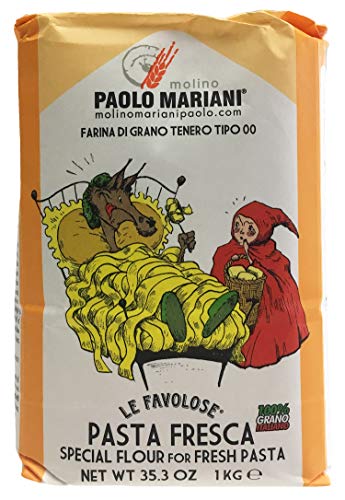
Paolo Mariani’s Type 00 flour brings genuine Italian milling tradition to a price point that undercuts many competitors without sacrificing the granular, well-balanced texture that serious pasta dough demands. The flour is milled from 100 percent Italian wheat and is engineered specifically to maintain optimum hydration during the kneading process — a critical factor when you are working the dough by hand or through a KitchenAid roller attachment.
Customer feedback consistently highlights the noticeable improvement in dough elasticity and rolling smoothness compared to standard all-purpose flour. One verified buyer noted the flour made the best ravioli they had ever produced, with a texture that held together beautifully during boiling. The low ash content keeps the pasta a light, appealing color even after freezing, which is a practical advantage for batch-preparing pasta for later use. The 2.2-pound bag is a convenient size for testing without committing to a massive bulk container.
The only recurring critique is that the flour is slightly more expensive than domestic alternatives, though most users feel the improvement in final product quality justifies the premium. This flour is best suited for fresh pasta and gnocchi — it is not the ideal choice for extruded shapes that benefit from the higher protein structure of semolina.
Why it’s great
- Italian-milled from 100 percent Italian soft wheat for authentic texture
- Low ash content keeps pasta bright white even after freezing
- Optimized hydration tolerance prevents sticky or dry dough
- Overwhelmingly positive reviews for dough elasticity and rolling ease
Good to know
- Priced higher than domestic Type 00 alternatives per pound
- Not recommended as a sole flour for extruded pasta shapes
4. Paolo Mariani Durum Wheat Semolina Flour 2.2 lb
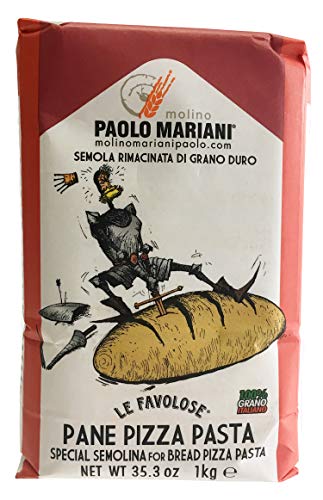
This remilled durum wheat semolina from Paolo Mariani serves as a bridge between the ultra-fine world of Type 00 and the robust texture of classic semolina. The remilling process grinds the semolina twice, producing a flour that is fine enough to create soft, smooth doughs while retaining the higher protein content characteristic of durum wheat. This makes it suitable for applications that sit between fresh pasta and bread-making.
Buyers report excellent results using this flour for pizza dough, with one user stating their homemade pizza now tastes better than takeout. The ultra-fine grind produces a dough that is pliable enough for rolling while still contributing the golden tint and slightly nutty flavor that durum wheat brings. The flour is imported from Italy and made from 100 percent Italian durum wheat, and it can also serve as a complement to traditional Type 00 blends for fresh pasta production.
A minority of customers note that the price is elevated compared to more common semolina options, and the 2.2-pound bag size means frequent pizza makers may need to reorder often. This semolina works best when you want the flavor profile of durum without the coarse grit that some semolina flours leave in the dough.
Why it’s great
- Remilled fine grind eliminates the gritty texture of standard semolina
- Authentic flavor from 100 percent Italian durum wheat
- Works well for pizza dough, bread, and fresh pasta blends
- Produces soft, smooth dough with high protein structure
Good to know
- Higher price per pound than domestic semolina alternatives
- Small bag size requires frequent repurchasing for heavy users
5. Spicy World Semolina Flour 3 lb
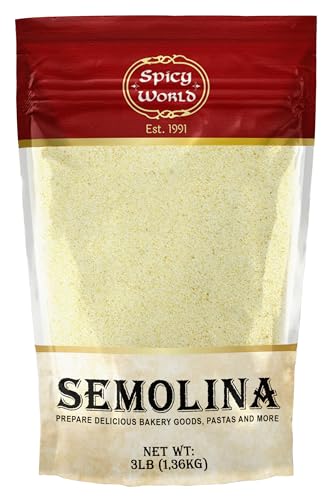
Spicy World’s Semolina Flour is the pragmatic choice for pasta makers who need a large quantity of reliable durum flour without paying the Italian import premium. Grown and milled in the United States, this fine-ground yellow semolina performs admirably for both pasta and pizza applications at a cost per pound that undercuts most imported options by a significant margin.
Verified buyers have used this flour to produce excellent homemade pasta, pizza crusts, and dinner rolls. The texture sits between all-purpose flour and cornmeal, which makes it particularly useful for dusting pizza peels — it slides the pizza off the peel without burning on the stone, a common problem with cornmeal. The 3-pound jumbo pack is ideal for batch bakers or households that make pizza weekly, and several reviewers mention sharing the bulk bag with friends to prevent the flour from going stale.
The fine grind is a key differentiator here — some budget semolina flours arrive with a coarse, sandy texture that ruins dough elasticity. Spicy World’s version is consistently described as smooth enough for pasta integration. A small number of customers have noted the bag is not vacuum sealed, which is a minor freshness concern for very long-term storage.
Why it’s great
- Most affordable cost per pound for bulk durum semolina flour
- Fine grind texture works well for both pasta and pizza peel dusting
- 3 lb bag is practical for frequent pasta and pizza bakers
- Proudly grown and milled in the United States
Good to know
- Not vacuum sealed — transfer to an airtight container promptly
- Texture is closer to fine cornmeal than Italian semolas, not ideal for delicate sheet pasta alone
FAQ
Can I substitute all-purpose flour for Type 00 pasta flour?
Is semolina flour the same as durum wheat flour?
How should I store opened pasta flour to maintain freshness?
Final Thoughts: The Verdict
For most users, the pasta flour winner is the Antimo Caputo Pasta & Gnocchi Flour because its ultra-fine double-zero grind and slow milling technique produce the silkiest, most elastic dough for sheet pasta and ravioli without requiring expensive blend experimentation. If you want the golden color and robust bite of durum for extruded pasta or pizza dough, grab the Molino Grassi Extra Fancy Semolina for its premium Italian milling and fine grind. And for budget-conscious bulk buyers who need reliable semolina for pizza stones and weekly pasta batches, nothing beats the Spicy World Semolina Flour on cost per pound.