Buying organic plant based protein powder means navigating a market flooded with chalky textures, artificial sweeteners, and ingredient labels that read like a chemistry exam. The difference between a tub that collects dust in your cabinet and one you actually look forward to mixing comes down to three things: the protein source, the sweetener choice, and the absence of fillers that bloat or upset digestion.
I’m Mohammad Maruf — the founder and writer behind AirfryerBite. I’ve spent years analyzing over 150 supplement labels, comparing amino acid profiles, and cross-referencing third-party certifications to separate marketing fluff from actual nutritional value in the organic plant protein space.
This guide breaks down the best options available right now, comparing protein content per serving, ingredient transparency, and taste profiles so you can confidently choose the best organic plant based protein powder that fits your diet and lifestyle without the guesswork.
How To Choose The Best Organic Plant Based Protein Powder
Not all organic plant proteins are created equal. The most expensive jar can be packed with unnecessary fillers, while a budget-friendly tub can deliver exactly what you need — if you know what to look for. Focus on these three factors to narrow your search fast.
Amino Acid Profile and Protein Source
Plant proteins are often incomplete on their own. Pea protein is rich in branched-chain amino acids (BCAAs) but low in methionine, while brown rice protein is higher in methionine but lower in lysine. A blend of pea, brown rice, and chia or hemp creates a complete amino acid profile that rivals whey. Single-source isolates like pea protein isolate work well if you pair them with other protein-rich foods throughout the day.
Sweetener Strategy and Aftertaste
The biggest complaint with organic plant protein is the aftertaste. Stevia is the most common sweetener, but some people detect a bitter licorice note. Monk fruit offers a cleaner sweetness without that metallic finish. A few brands use organic maple syrup powder or coconut milk powder for subtle natural sweetness — these work better in smoothies than in water. If you are sensitive to any sweetener, an unflavored option lets you control the taste entirely.
Third-Party Certifications and Ingredient Transparency
USDA Organic certification means the product meets federal standards for soil quality, pest control, and prohibited substances. Non-GMO verification and NSF certification add another layer of trust. Avoid products that list “natural flavors” without specifying the source, or that include gums like xanthan and guar in high amounts — these can cause bloating in sensitive individuals. A short, recognizable ingredient list is always a good sign.
Quick Comparison
On smaller screens, swipe sideways to see the full table.
| Model | Category | Best For | Key Spec | Amazon |
|---|---|---|---|---|
| Orgain Vanilla Bean | Mid-Range | Balanced all-day nutrition | 21g protein, 150 cal, 0g sugar | Amazon |
| Olympian Labs Pea Protein | Mid-Range | Unflavored smoothie base | 27-31g protein per serving, unflavored | Amazon |
| Orgain Chocolate Fudge | Mid-Range | Chocolate cravings meets clean protein | 21g protein, 6g prebiotic fiber, 0g sugar | Amazon |
| Four Sigmatic Vanilla | Premium | Functional mushrooms + adaptogens | 18g protein, 1000mg mushrooms, 500mg adaptogens | Amazon |
| Nutricost Pea Isolate 2LB | Premium | Pure protein with minimal ingredients | 20g protein per scoop, unflavored isolate | Amazon |
| Truvani Chocolate Peanut Butter | Premium | Indulgent flavor without artificials | 20g protein, monk fruit sweetened, no stevia | Amazon |
| Nutricost Pea Isolate 5LB | Premium | Bulk value for daily users | 20g protein per scoop, 5lb bulk container | Amazon |
In‑Depth Reviews
1. Orgain Organic Plant Based Protein Powder, Vanilla Bean
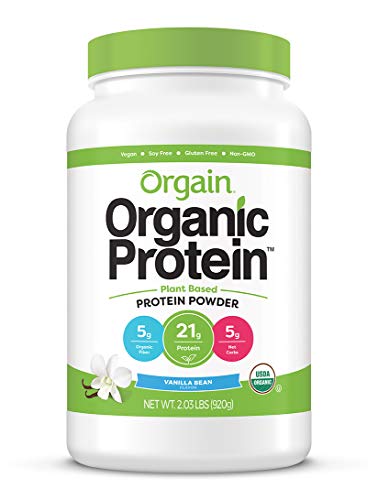
Orgain’s Vanilla Bean formulation strikes the hardest balance between protein density and everyday drinkability. With 21 grams of organic plant protein sourced from pea, brown rice, and chia seeds, you get a complete amino acid profile in just 150 calories. The 5 grams of organic dietary fiber per serving helps with satiety without triggering the bloating that some gum-thickened powders cause.
Users consistently praise the taste — one verified reviewer has been using it since 2014, calling it “decent for vegan protein, better than Vega.” The vanilla flavor blends cleanly into coffee for a protein cappuccino, and the powder dissolves without clumping when shaken with cold water or almond milk. The 2.03-pound jar provides 32 servings, placing it solidly in the everyday-value zone for regular use.
The only consistent criticism is sweetness level — some find the stevia-based sweetness too pronounced for their palate. One reviewer noted it “too sweet for my tastebuds” and now uses a teaspoon in yogurt rather than full servings. If you prefer a more neutral profile, the unflavored options in this guide may suit you better.
Why it’s great
- Complete amino acid profile from three organic plant sources
- Zero grams of sugar with no artificial aftertaste for most users
- Blends easily in cold liquids without a shaker bottle
Good to know
- Stevia sweetness may be too strong for some palates
- Contains chia seeds, which adds slight texture
2. Olympian Labs Plant Based Pea Protein Powder, Unflavored
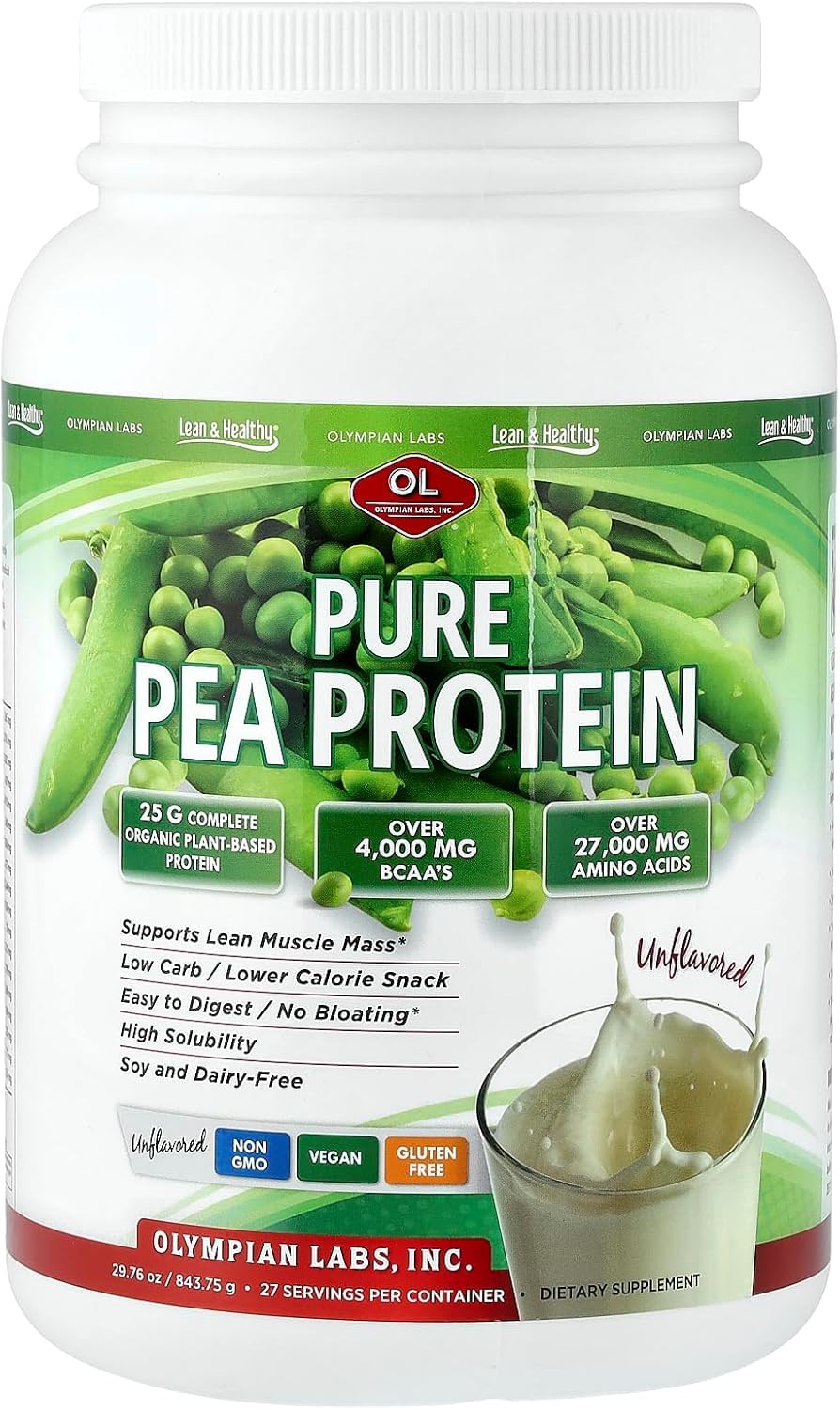
Olympian Labs delivers a no-frills pea protein isolate that prioritizes protein density per gram over flavor complexity. Each serving delivers 27 to 31 grams of protein from yellow peas, with a concentrated profile that jumps from 6% protein in fresh peas to over 80%. The powder is fat-free, cholesterol-free, and diabetic-friendly, making it a strong choice for macro-conscious users who want to control every ingredient in their shake.
Customer feedback highlights the mild, nutty pea flavor that “masks easily” in smoothies and stays suspended rather than settling at the bottom. One reviewer who has been using pea protein for years ranked this as “some of the best pea protein” they have found, noting it avoids the bitterness and chalkiness common in cheaper isolates. The unflavored format works well for baking — you can replace one cup of flour with one cup of pea protein without altering the taste profile of your recipe.
The main drawback is the taste when mixed with plain water. Multiple reviewers describe it as “unpleasant” when consumed straight, and one switched back to a more expensive whey isolate despite acknowledging the nutritional equivalence. This is not a grab-and-drink product — it rewards users who blend it with banana, peanut butter, or cocoa powder.
Why it’s great
- Highest protein per serving in this comparison at 27-31 grams
- No artificial sweeteners, flavors, or fillers of any kind
- Highly soluble and blends smoothly in a shaker
Good to know
- Unpleasant taste when mixed with water alone
- Low in methionine and cysteine — pair with brown rice protein for completeness
3. Orgain Organic Vegan Protein Powder, Creamy Chocolate Fudge
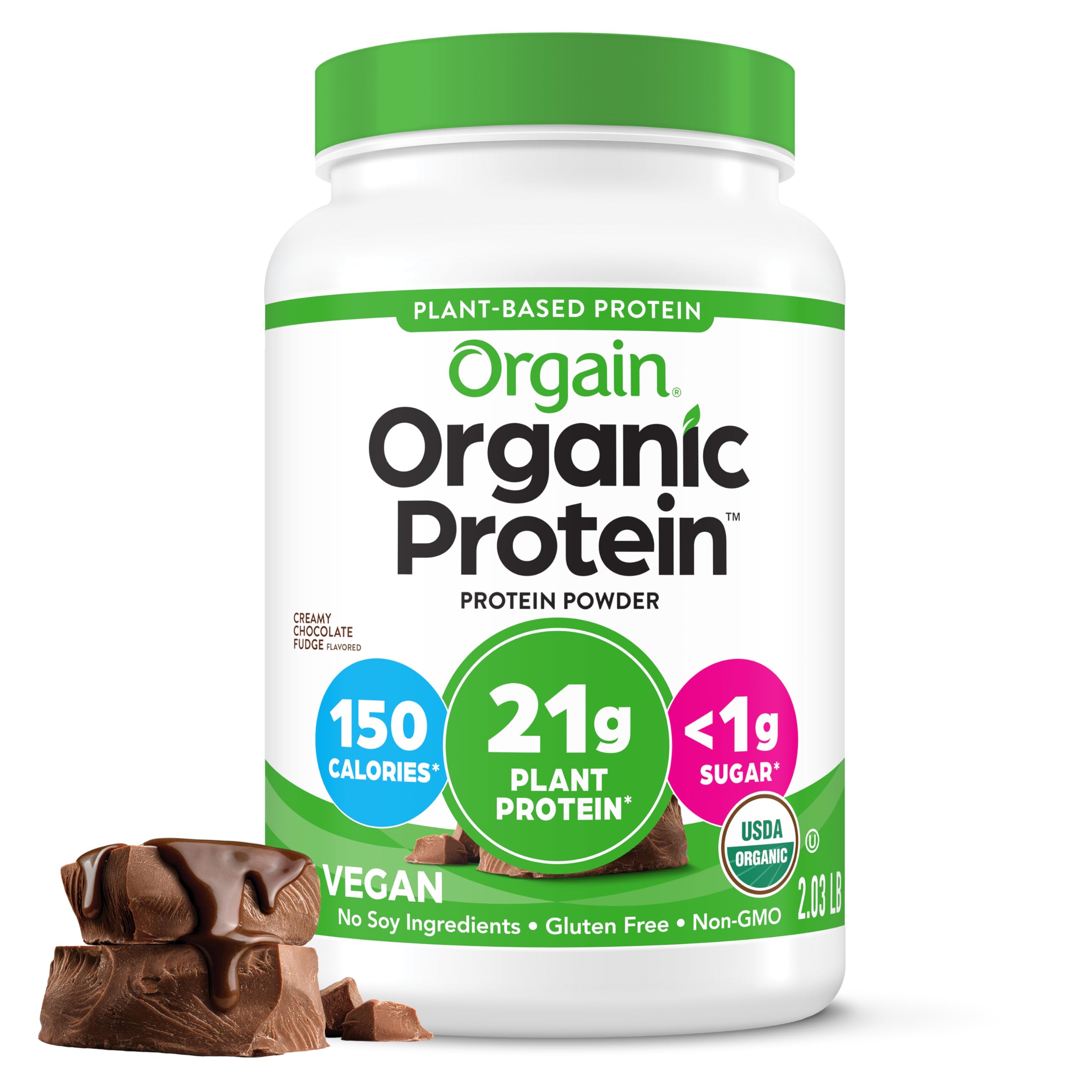
Orgain’s Creamy Chocolate Fudge earns its “creamy” descriptor honestly. The formula uses organic pea, brown rice, and chia seeds plus mung bean protein to deliver 21 grams of complete plant protein per serving. What sets this apart from standard chocolate powders is the 6 grams of prebiotic fiber — it supports gut health without adding the gummy texture that inulin-based fibers can produce. The chocolate flavor comes from real cocoa, and the sweetness is managed with stevia rather than sugar alcohols like erythritol.
Verified buyers are emphatic about the taste. One describes it as “banging good” and notes it does not upset the stomach. Another reviewer with severe lactose intolerance confirmed zero digestive issues and called the chocolate fudge flavor “chocolatey, not too sweet, with no stevia aftertaste.” The powder mixes well with almond milk when added liquid-first, and users report it holds up well in baking applications like overnight oats and protein muffins.
The texture can be slightly thick compared to thinner whey-based shakes — some describe it as “creamy” while others note a “super chalky taste.” The scoop tends to settle at the bottom of the jar during shipping, requiring a stir before first use. If you want a chocolate fix that also delivers fiber and a complete protein profile, this is a strong daily driver.
Why it’s great
- Rich chocolate fudge flavor that actually tastes like real cocoa
- 6 grams of prebiotic fiber supports digestive health
- No erythritol, no artificial colors, no preservatives
Good to know
- Some users find the texture chalky rather than creamy
- Contains stevia — not suitable for those avoiding all sweeteners
4. Four Sigmatic Organic Vegan Protein Powder, Vanilla
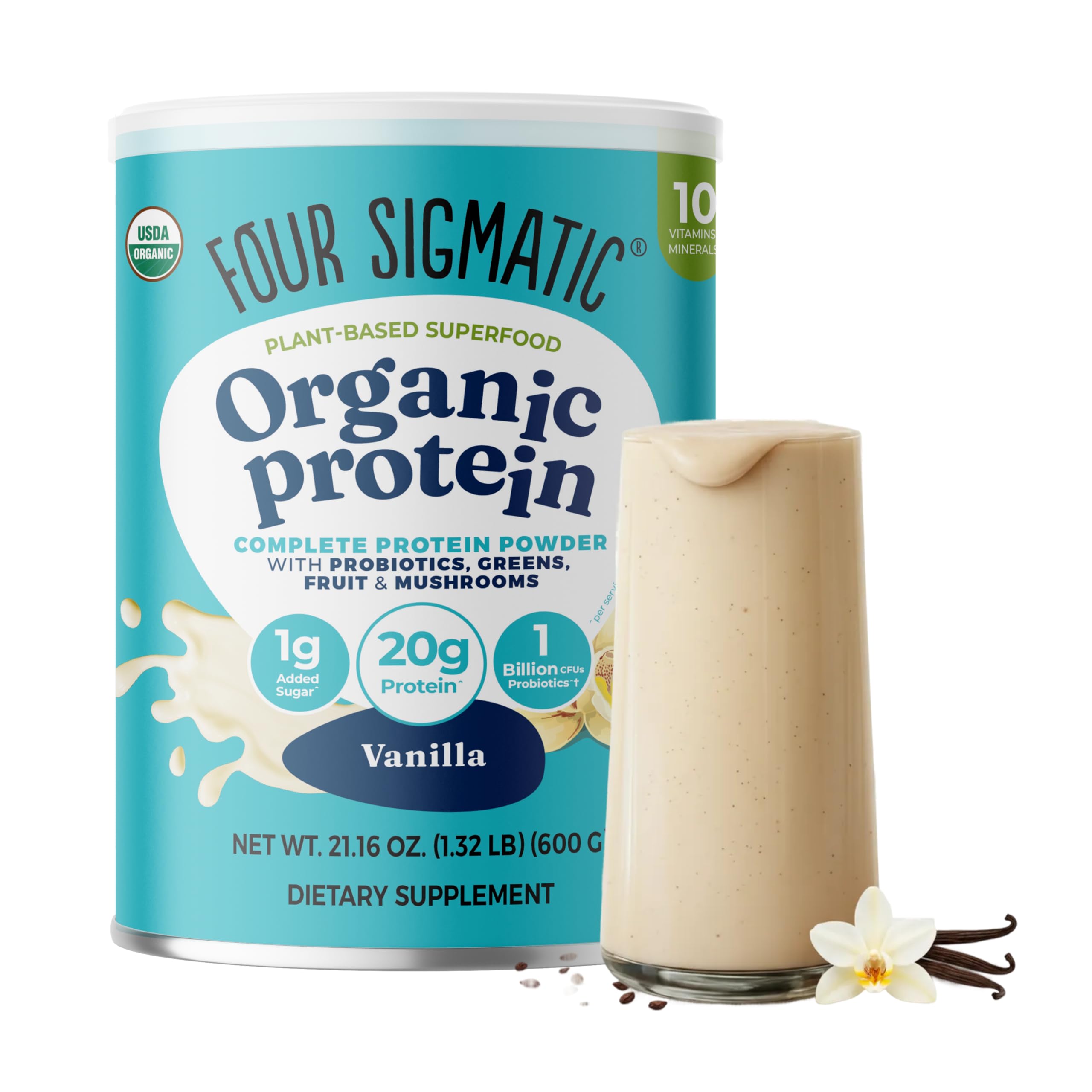
Four Sigmatic takes a fundamentally different approach by blending five functional mushrooms (chaga, reishi, turkey tail, cordyceps, lion’s mane) with adaptogens (ashwagandha and eleuthero) alongside the protein. The 18 grams of plant protein come from organic hemp, pea, chia, pumpkin, and coconut proteins, creating a varied amino acid base. The sweetener strategy avoids stevia entirely — instead using organic coconut milk powder, organic maple syrup powder, pink Himalayan salt, and organic monk fruit.
Users with sensitive stomachs report a marked difference in digestibility. One reviewer says “they often hurt my stomach but four sigmatic’s protein does not hurt my stomach, and I notice such a glow in my skin when I take it.” The vanilla flavor has a nutty undertone from the hemp and pumpkin seeds, and while some note slight graininess, the mixability is solid in a blender. The product works well in oatmeal and baked goods as well as shakes.
The biggest downside is the serving count — 15 servings per container makes this the lowest value per scoop in this lineup. The protein content at 18 grams is also lower than most competitors, which may matter if your primary goal is muscle recovery rather than functional wellness. The mushroom and adaptogen blend is a premium add-on that justifies the price if you value those benefits.
Why it’s great
- Unique functional mushroom and adaptogen blend for immune and stress support
- No stevia, sucralose, or artificial sweeteners — monk fruit and maple syrup only
- Mixes well in hot oatmeal and baking without altering texture
Good to know
- Only 18 grams of protein per serving — lower than most competitors
- 15 servings per container provides poor per-scoop value
5. Nutricost Organic Pea Protein Isolate Powder, 2LB
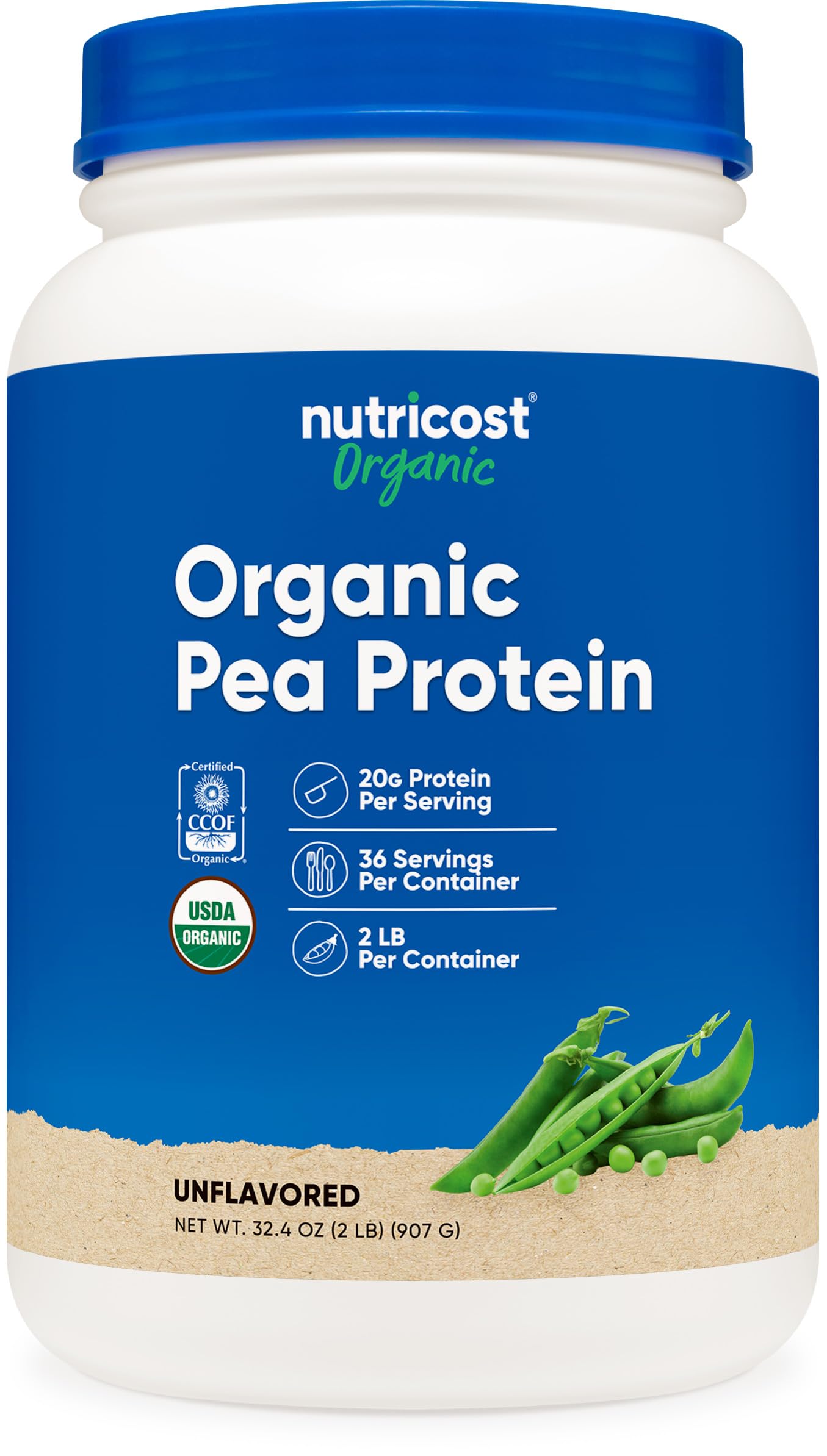
Nutricost’s pea protein isolate strips the ingredient list down to the essentials: certified USDA organic yellow pea protein, nothing else. Each scoop delivers 20 grams of protein with zero additives, no gums, no flavorings, no sweeteners. The protein is third-party tested and manufactured in a GMP-compliant facility, offering a level of quality assurance that matters when you are consuming a single ingredient in high volume.
Users who appreciate simplicity praise the value proposition. One reviewer calls it “great value — high protein, organic, no BS” and notes they drink it straight in water, comparing the taste to “flour.” Another adds that any initial pea flavor disappears after three or four uses, and that it dissolves easily in soya or flax milk without lumps. The fine powder mixes well with a frother or blender bottle, though some complain about messiness when scooping from the large tub.
The flavor is where this product splits opinion. When mixed with water alone, it is undeniably bland with a subtle pea note that some find off-putting. Users who blend it with banana, peanut butter, or oat milk create a satisfying milkshake-like drink. The 2-pound size is ideal for testing whether you can tolerate an unflavored isolate before committing to the 5-pound bulk option.
Why it’s great
- Minimal ingredient list — just certified organic pea protein isolate
- Third-party tested, GMP compliant for quality assurance
- Versatile for mixing into smoothies, baking, or savory recipes
Good to know
- Unflavored — not pleasant when mixed with water alone
- Fine powder can create dust and mess during scooping
6. Truvani Dairy Free Protein Powder, Chocolate Peanut Butter

Truvani positions itself as the clean-label champion in this category, and the ingredient panel backs it up. The protein blend uses organic pea, pumpkin seed, and chia seed proteins to reach 20 grams per serving. The sweetener is organic monk fruit — no stevia, no erythritol, no sugar alcohols. The product is certified USDA Organic, non-GMO, and vegan, and it is also gluten-free and keto-friendly. The brand explicitly excludes soy, wheat, dairy, gluten, and stevia from the formula.
Customer reception highlights the flavor as a standout. One reviewer calls the chocolate peanut butter “absolutely delicious” and notes they ordered sample packs of other flavors after the first tub. Another specifically chose Truvani after seeing it highly rated by Consumer Reports for low sugar, high protein, and no detectable lead — a meaningful safety benchmark in the protein powder space. The powder mixes smoothly in chocolate almond milk for a dairy-free shake that tastes indulgent.
The main criticism centers on sweetness — some find the monk fruit too sweet even without stevia, and one reviewer recommends cutting it with sugar-free soy milk to dial it back. The label includes a note that the product is “not for weight reduction,” which may confuse buyers who use protein powders as meal replacements. At a premium price point, the 20-serving container delivers fewer scoops per dollar than the value-focused options in this guide.
Why it’s great
- Excludes all common allergens — no soy, dairy, gluten, or stevia
- Monk fruit sweetener provides clean sweetness without aftertaste
- Consumer Reports rated highly for purity and low contaminants
Good to know
- Some users find the sweetness level too high
- Premium price with only 20 servings per container
7. Nutricost Organic Pea Protein Isolate Powder, 5LB

The 5-pound Nutricost container is the same premium organic pea protein isolate as the 2-pound version, scaled up for heavy users who go through multiple scoops daily. Each serving provides 20 grams of certified organic pea protein with zero additives, flavors, or sweeteners. The larger volume reduces the per-serving cost significantly, making this the most economical organic protein isolate in this comparison for daily use.
Reviews mirror the 2-pound version closely — users appreciate the “fewer ingredients, same protein” approach and note the initial pea taste fades after a few uses. The powder dissolves without lumps in soya or flax milk, though some users recommend a frother for smoothest results. One reviewer combines it with organic barista oat milk, organic stevia, and flavoring to create a 300-calorie milkshake that avoids unnecessary additives and is lower in sodium than competing isolates.
The practical downsides are the same as the smaller tub: the fine powder can create a mess when scooping, and the unflavored taste is not pleasant straight with water. The 5-pound tub is also physically large — at nearly 8 inches in each dimension, it takes up significant cabinet space. If you know you like unflavored pea protein isolate, this is the best way to stock up without constantly reordering.
Why it’s great
- Best per-serving cost for organic pea protein isolate in this guide
- Same high-quality, third-party tested formula as the 2-pound version
- Versatile blank canvas for customizing shakes, smoothies, and baking
Good to know
- Large 5-pound tub requires significant storage space
- Unflavored — not suitable for mixing with water alone
FAQ
What is the difference between plant protein isolate and concentrate?
Which organic certification matters most for plant protein powder?
Can organic plant protein powder replace a meal?
Final Thoughts: The Verdict
For most users, the best organic plant based protein powder winner is the Orgain Vanilla Bean because it delivers 21 grams of complete protein with zero sugar, blends effortlessly, and offers a taste profile that works for both shakes and coffee without overwhelming sweetness. If you want a pure protein isolate with no additives, grab the Nutricost Organic Pea Isolate 2LB. And for those seeking functional wellness benefits beyond muscle recovery, nothing beats the Four Sigmatic Vanilla with its mushroom and adaptogen blend.