Swapping a processed vegetable oil with a certified organic alternative in your baking recipes is not just a health choice—it directly changes the texture, moisture retention, and shelf life of your cakes, muffins, and breads. The wrong organic oil can introduce an overpowering flavor or alter the crumb structure, while the right one vanishes into the batter, delivering only tenderness. The specific fatty acid profile and smoke point of each organic oil determine whether your baked goods come out light or dense.
I’m Mohammad Maruf — the founder and writer behind AirfryerBite. After analyzing hundreds of organic oil labels, I have focused on four measurable criteria that separate a superior baking oil from a mediocre one: the smoke point (how high it can heat before breaking down), the fat composition (saturated versus monounsaturated versus polyunsaturated), the presence of flavor volatiles that survive the oven, and the certification chain from the farm to the bottle.
This guide covers six candidates that actually deliver on the label claims, helping you find the organic oil for baking that matches your recipe without guesswork or waste.
How To Choose The Best Organic Oil For Baking
Choosing the wrong organic oil for baking can ruin a recipe in ways that are not obvious until the cake comes out greasy, dense, or carrying a flavor that clashes with vanilla or chocolate. You need to pay attention to four specific properties.
Smoke Point and Oven Temperature Compatibility
Most baking happens between 325°F and 425°F. If the oil you select has a smoke point below your oven temperature, the oil will break down, releasing free radicals and producing off-flavors that no amount of sugar can mask. Look for an oil with a smoke point at least 50°F above your typical baking temperature. For high-heat baking like pizza dough or roasted vegetables, aim for 430°F or higher. For quick breads and cakes baked at 350°F, a smoke point around 400°F is adequate.
Fat Composition: Saturated vs. Monounsaturated vs. Polyunsaturated
Oils high in saturated fat (coconut oil, palm oil) remain solid at room temperature and create a flaky, tender crumb similar to butter, making them excellent for pie crusts and biscuits. Oils high in monounsaturated fat (avocado oil, canola oil) stay liquid and produce a moist, soft texture ideal for muffins and loaf cakes. Polyunsaturated oils (walnut oil, sunflower oil) are more fragile and prone to oxidation during long baking times, so they work better when used in low-heat applications or as a finishing drizzle over baked goods.
Flavor Profile and Neutrality
The biggest mistake home bakers make is choosing an organic oil with a strong intrinsic flavor—extra virgin olive oil, unrefined coconut oil, or robust walnut oil—and expecting it to disappear inside the batter. In reality, these oils impart their character to the final bake. For a truly neutral canvas that allows chocolate, vanilla, or fruit flavors to shine, choose a refined organic oil from a mild seed or nut source. If you want to enhance the flavor intentionally (a coconut cake made with coconut oil, a walnut quick bread made with walnut oil), then the opposite rule applies.
Certification Integrity and Processing Method
Not all organic labels are equal. Look for USDA Organic certification as the baseline. For maximum purity, seek oils that are cold-pressed or expeller-pressed, which use mechanical extraction without chemical solvents. Oils labeled “naturally refined” undergo a steam-distillation process that removes impurities while preserving a neutral taste and high smoke point. Avoid oils that list “refined with chemicals” or use hexane in the extraction process, as these can leave trace residues even in an organic product.
Quick Comparison
On smaller screens, swipe sideways to see the full table.
| Model | Category | Best For | Key Spec | Amazon |
|---|---|---|---|---|
| Kevala Organic Sunflower Oil | Seed Oil | Neutral high-heat baking | Smoke Point 430°F | Amazon |
| AVO Organic Canola Oil | Seed Oil | High-heat and bulk baking | Smoke Point 465°F | Amazon |
| BetterBody Foods Organic Coconut Oil | Tropical Oil | Butter substitute in baking | 60% MCT content | Amazon |
| Earth Circle Organics Extra Virgin Organic Coconut Oil | Tropical Oil | Flavor-forward coconut baking | Cold-pressed unrefined | Amazon |
| Fresh Vintage Farms Cold Pressed Walnut Oil | Nut Oil | Finishing and low-heat baking | Omega-3 rich profile | Amazon |
In‑Depth Reviews
1. Kevala Organic Sunflower Oil
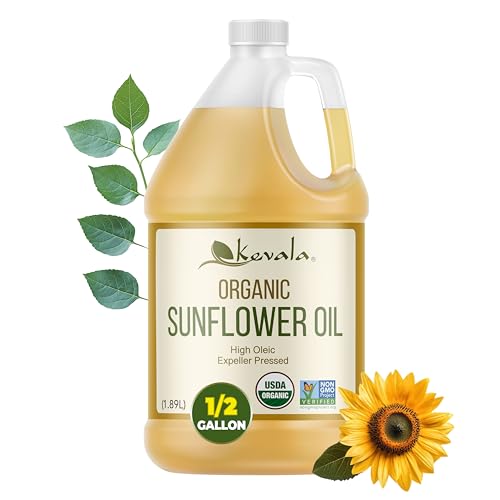
Kevala Organic Sunflower Oil hits the sweet spot for bakers who need a flavor-neutral oil that can handle any oven temperature. With a smoke point of 430°F, it comfortably covers everything from 350°F cake layers to 425°F pizza crusts without breaking down. The naturally refined processing method uses steam distillation rather than chemical solvents, preserving a clean, light taste that does not compete with the primary flavors in your recipe.
The 64 fluid ounce half-gallon bottle provides good value for frequent bakers who go through oil quickly. The oil remains clear and odorless at room temperature, which means it will not impart any unintended character to delicate batters like angel food cake or sugar cookies. It is also certified USDA Organic and Non-GMO, with a Kosher certification that broadens its appeal for different dietary needs.
One practical note for bakers: because sunflower oil is higher in polyunsaturated fats, it is slightly more prone to oxidation over time than monounsaturated-heavy oils. Store this bottle in a cool, dark pantry and use it within a few months of opening to maintain its neutral profile. For high-volume baking kitchens, this is a solid workhorse oil that performs consistently batch after batch.
Why it’s great
- High smoke point handles all standard baking temperatures
- Completely neutral flavor does not alter recipe taste
- Naturally refined without chemical solvents
- Large 64 oz bottle reduces per-use cost
Good to know
- Polyunsaturated fat profile shortens shelf life after opening
- Plastic bottle might be less convenient for pouring accuracy than a glass bottle with a spout
2. AVO Organic Canola Oil
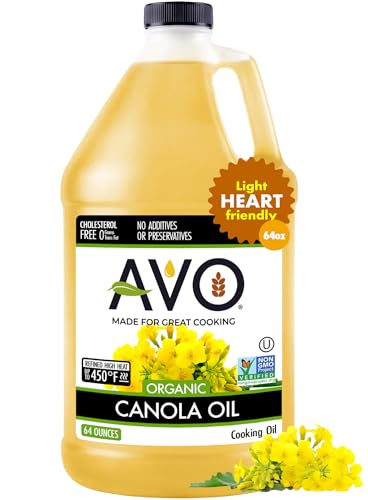
AVO Organic Canola Oil stands out for its unusually high smoke point of 465°F, which makes it the safest choice for bakers who frequently push their ovens to 450°F or higher for items like flatbreads, roasted vegetables alongside baked goods, or high-temperature pastry techniques. The oil is lightly refined using a process that preserves the balanced ratio of Omega-3 and Omega-6 fatty acids while keeping the taste completely neutral.
This 64 fluid ounce half-gallon container is produced and packaged in the USA, with USDA Organic and Non-GMO Project Verified certifications that provide clear traceability. Multiple customer reviews confirm that the oil does not smoke at typical baking temperatures, which is a reliable indicator of its purity and proper processing. It also contains no preservatives or additives, making it suitable for clean-label baking.
One consideration for bakers who use canola oil regularly: this organic version costs more than conventional canola, but the price difference reflects the verified organic supply chain and the absence of chemical refining agents. If you bake multiple times per week and want an oil that will never impart off-flavors or burn, the AVO Organic Canola Oil is a dependable, high-performance option.
Why it’s great
- Extremely high smoke point of 465°F eliminates burning risk
- Neutral flavor works in any sweet or savory bake
- Produced in USA with full certification chain
- Contains no preservatives or additives
Good to know
- Premium price compared to conventional canola oil
- Some users prefer a glass bottle for better pouring control
3. BetterBody Foods Organic Unrefined Coconut Oil
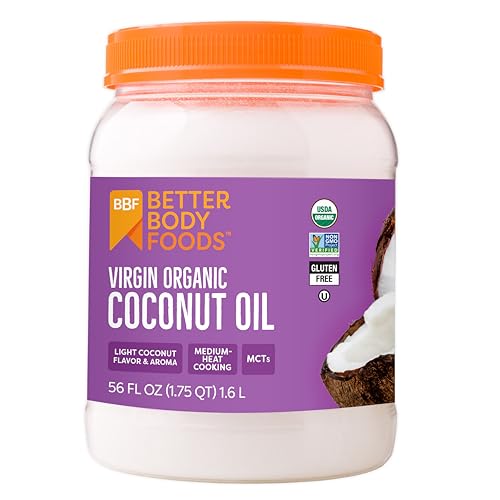
BetterBody Foods Organic Unrefined Coconut Oil is the correct choice for bakers who want a solid fat alternative to butter in pie crusts, biscuits, and scones. Because coconut oil solidifies below 76°F, it mimics the shortening effect of butter in pastry dough, creating a flaky texture that liquid oils cannot achieve. This unrefined version retains a mild coconut aroma and flavor, which enhances coconut-themed bakes but can clash with neutral recipes like white bread or plain sugar cookies.
The 56 fluid ounce tub is larger than most coconut oil containers on the market, providing good economy for regular bakers. With 60% medium-chain triglycerides (MCTs), this oil has a different metabolic profile than long-chain fatty acids found in most other cooking oils. Customers report using it successfully in cakes, muffins, and even as a butter replacement in ganache and frosting, noting that the coconut flavor becomes subtle when combined with chocolate or warm spices.
Keep in mind that using coconut oil in recipes that call for softened butter requires a conversion adjustment because coconut oil has a lower melting point and different water content. For best results, measure it in its solid state and cream it with sugar similarly to butter. This oil is ideal for bakers who prioritize a butter-like texture with a plant-based, organic credential.
Why it’s great
- Solid at room temperature, replicates butter texture in baking
- Large 56 oz tub offers strong per-ounce value
- High MCT content supports a distinctive fat profile
- Versatile for both baking and body care uses
Good to know
- Mild coconut flavor may not suit all baked goods
- Requires recipe adjustment when swapping for butter or liquid oil
4. Earth Circle Organics Extra Virgin Organic Coconut Oil
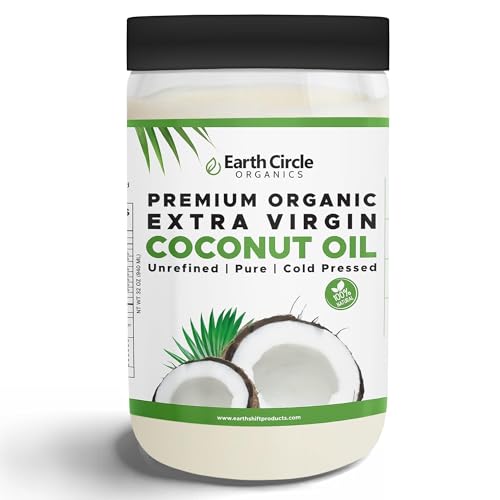
Earth Circle Organics Extra Virgin Organic Coconut Oil is a cold-pressed, unrefined option for bakers who deliberately want a pronounced coconut flavor in their recipes. This oil is extracted from fresh green coconuts and retains the full aroma and taste of the fruit, making it a natural fit for coconut macaroons, tropical loaf cakes, and dairy-free chocolate chip cookies where the coconut character should be front and center.
The 32 fluid ounce tub is certified USDA Organic and Kosher, and it is gluten-free and suitable for paleo and keto diets. Customers consistently praise the fresh coconut scent and smooth texture when used in baking and cooking. The oil also works as a skin and hair moisturizer, which adds multipurpose value for households that want to reduce the number of products they maintain.
Because this is an unrefined oil with a low smoke point of approximately 350°F, it is not suitable for high-temperature baking above that threshold. Stick to recipes that bake at 350°F or lower to avoid burning the oil and creating a bitter taste. For coconut-forward bakes, this oil delivers the purest flavor expression among the options in this guide.
Why it’s great
- Authentic coconut flavor perfect for tropical recipes
- Cold-pressed extraction preserves natural nutrients
- Certified USDA Organic and Kosher
- Versatile for baking, cooking, and skincare
Good to know
- Low smoke point limits use to 350°F or lower
- Coconut flavor can overpower delicate recipes
5. Fresh Vintage Farms Cold Pressed Walnut Oil
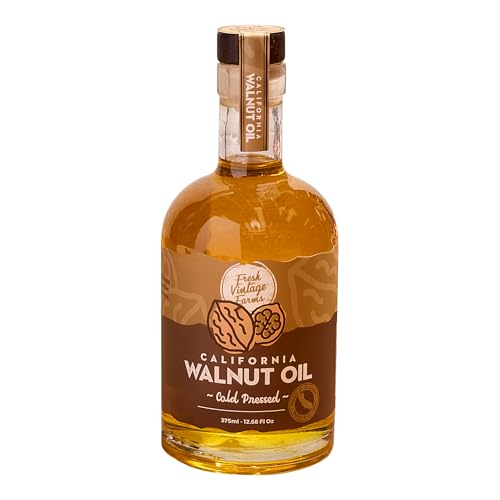
Fresh Vintage Farms Cold Pressed Walnut Oil is a specialty nut oil that serves a different purpose than the other oils in this guide. With a rich nutty flavor and a low smoke point, this oil is best used as a finishing drizzle over baked goods rather than as a primary baking fat. Think of it as a flavor ingredient: brush it over warm banana bread, drizzle it over carrot cake, or mix it into a glaze for a nutty complexity that elevates the final product.
The 12.68 fluid ounce bottle comes with a silicone pour spout that prevents drips, making it easy to control portions when finishing dishes. The oil is cold-pressed from 100% California-grown walnuts, retaining high levels of Omega-3 fatty acids and antioxidants that support heart health. Customers describe the flavor as light and smooth, not overwhelming, which means it enhances the taste of baked goods without dominating them.
Because walnut oil is highly unsaturated, it degrades quickly when exposed to heat and light. Store this bottle in the refrigerator after opening and use it within three months for the best flavor. While it is not the primary oil for mixing into cake batter, it is an indispensable tool for bakers who want to add a professional, aromatic finishing touch to their creations.
Why it’s great
- Distinct nutty flavor enhances finished baked goods
- High Omega-3 content provides nutritional benefits
- Non-drip pour spout for precise application
- Cold-pressed from California walnuts
Good to know
- Low smoke point makes it unsuitable for baking inside batter
- Short shelf life after opening requires refrigeration
FAQ
Can I use organic coconut oil instead of butter in any baking recipe?
Does the smoke point of organic canola oil really matter for baking?
Final Thoughts: The Verdict
For most users, the organic oil for baking winner is the AVO Organic Canola Oil because its 465°F smoke point and completely neutral flavor make it the most foolproof choice for virtually any baking recipe. If you want a solid fat that mimics butter in pastry dough, grab the BetterBody Foods Organic Unrefined Coconut Oil. And for adding a nutty finishing touch to your baked goods, nothing beats the Fresh Vintage Farms Cold Pressed Walnut Oil.