The difference between a good morning and a great morning often comes down to the color of the powder in your bowl. A dull, brownish-green matcha signals old leaves, poor storage, or a lack of shade-growing — the exact reasons your latte tastes grassy and bitter instead of sweet and creamy. The hunt for a vibrant, silky powder that delivers on both flavor and energy without the metallic aftertaste is the real challenge in this category.
I’m Mohammad Maruf — the founder and writer behind AirfryerBite. I’ve broken down dozens of matcha labels by their harvest season, stone-grinding method, certification standards, and third-party lab testing reports to separate the ceremonial-grade contenders from the culinary-grade pretenders.
With so many pouches claiming first-harvest prestige or USDA organic seals, finding the best organic matcha powder means looking past the marketing and checking the grind fineness and region of origin. This guide evaluates seven certified options to help you lock in a best organic matcha powder choice that actually tastes as good as it looks.
How To Choose The Best Organic Matcha Powder
Narrowing down a matcha brand requires more than a glance at the price tag. The color, the region, the harvest window, and the certification all dictate whether you end up with a smooth umami bomb or a dusty, bitter powder that needs heavy sweetening. Here are the critical factors to weigh before you click buy.
Grade: Ceremonial vs. Culinary vs. Latte
Ceremonial grade comes from the youngest, most tender leaves of the first harvest. It produces a vibrant green color, a naturally sweet flavor, and a fine, silky texture that dissolves easily in water without clumps. Culinary grade uses older leaves and works fine in smoothies, baking, or blended drinks where milk and sugar mask the bitterness. Latte grade sits between the two — it handles milk well without turning muddy but lacks the pristine taste for straight drinking. Know your use case: if you sip it plain or with just water, ceremonial is the only real choice.
Origin and Harvest Season
Authentic Japanese matcha from Uji, Kagoshima, Shizuoka, or Mie prefectures carries the terroir and cultivation standards that Chinese mass-market powders rarely match. First harvest (first flush) leaves are shade-grown longer, which boosts chlorophyll and L-theanine levels, yielding a sweeter, less astringent powder. Second harvest or summer harvest leaves have a more pronounced grassy bite and a slightly yellow-green tint, making them better for lattes and iced drinks where you want a bolder tea presence.
Certifications and Testing
USDA Organic certification ensures the leaves were grown without synthetic pesticides or fertilizers. JAS (Japanese Agricultural Standard) certification adds an extra layer, verifying that the matcha meets Japan’s strict organic requirements from soil to processing. Some premium brands also publish third-party lab results for heavy metals (lead, arsenic) and radiation screening. If you drink matcha daily, choosing a brand that conducts routine testing for contaminants provides real peace of mind that cheaper imports often skip.
Quick Comparison
On smaller screens, swipe sideways to see the full table.
| Model | Category | Best For | Key Spec | Amazon |
|---|---|---|---|---|
| Ocha & Co. Shizuoka Organic | Ceremonial | Pure sipping & daily lattes | 100g, First Harvest, Gokou Cultivar | Amazon |
| Midori Spring Organic Gold | Ceremonial | Traditional whisking | 30g, 1st Harvest, Mikage Stone-Milled | Amazon |
| AprikaLife Ceremonial Grade | Ceremonial | Heavy-metal tested purity | 100g, First Harvest, Vacuum-Sealed | Amazon |
| Jade Leaf Culinary Grade | Culinary | Baking, smoothies, lattes | 100g, Resealable Pouch, 50 Servings | Amazon |
| Dr. Weil Matcha Kari | Barista/Ceremonial | Compact tin for travel | 30g, USDA Organic, Uji Harvest | Amazon |
| DoMatcha Summer Harvest | Latte Grade | Creamy iced lattes | 80g, Second Harvest, Versatile Blend | Amazon |
| DoMatcha Ceremonial | Ceremonial | Premium daily ritual | 80g, First Harvest, 75 Servings | Amazon |
In‑Depth Reviews
1. Ocha & Co. Shizuoka Organic Matcha

Ocha & Co. sources its leaves from a single estate in Shizuoka using the rare Gokou cultivar, which is prized for its deep umami and natural sweetness. The 100g pack yields roughly 50 servings, and the powder is traditionally stone-milled to preserve the delicate aroma and bright green tone. Certified ECO JAS Organic ensures every step from shading to grinding meets Japan’s highest organic standards.
Buyers consistently note the vibrant green color, smooth texture, and zero bitterness even when whisked with nothing but water. The resealable foil packaging locks in freshness, and the company ships weekly from Japan so the matcha reaches you within days of production. Customers describe a fresh toasted nori scent and a mellow flavor that works equally well for traditional usucha or creamy lattes.
Some users mention the caffeine content is notably higher than other brands, so caffeine-sensitive drinkers should limit to one serving. A few reviews note a slight astringency when compared to premium ceremonial picks, but the general consensus is that the value-to-quality ratio is exceptional for organic first-harvest matcha at this volume.
Why it’s great
- Rare Gokou cultivar delivers deep natural sweetness
- ECO JAS and USDA Organic certified for purity
- Resealable foil pack keeps powder fresh for weeks
Good to know
- Caffeine content is strong, not suitable for everyone
- Slight astringency appears if over-whisked or overheated
2. Midori Spring Organic Ceremonial Matcha Gold
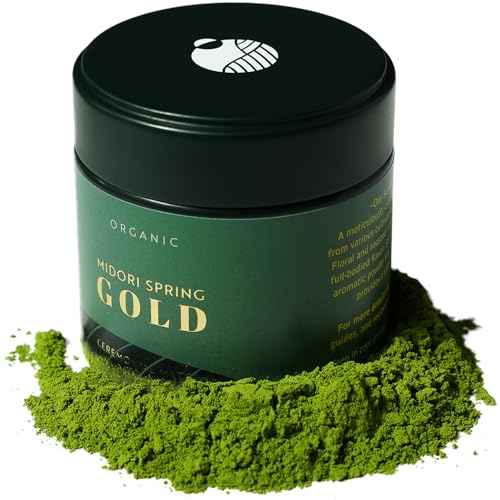
Midori Spring’s Gold blend is a first-harvest ceremonial matcha from Kagoshima, ground on traditional Mikage stone mills to achieve an ultra-fine particle size. The result is a powder that dissolves completely with a bamboo whisk, producing a thick, creamy foam with a roasted undertone and a clean umami finish. The recyclable tin packaging is practical and eco-conscious.
Customer notes consistently highlight the bold, nutty flavor profile and the absence of bitterness. Many compare it favorably to pricier brands like Ippodo and cite the smooth texture as ideal for traditional tea ceremonies or morning meditation sessions. The USDA Organic and Whole30 certifications add credibility for health-conscious drinkers.
At 30g, the tin is relatively small for daily use, and some buyers wish it came in a larger format. A few reviews mention that while the powder is excellent for straight drinking, it can be slightly less forgiving in lattes compared to blends designed for milk, but this is a minor trade-off for ceremonial purity.
Why it’s great
- Mikage stone grinding produces silky, clump-free powder
- Roasted, nutty flavor with smooth umami finish
- Recyclable tin with eco-friendly packaging approach
Good to know
- 30g tin is small for frequent drinkers
- Not the best choice for creamy lattes
3. AprikaLife Organic Ceremonial Matcha
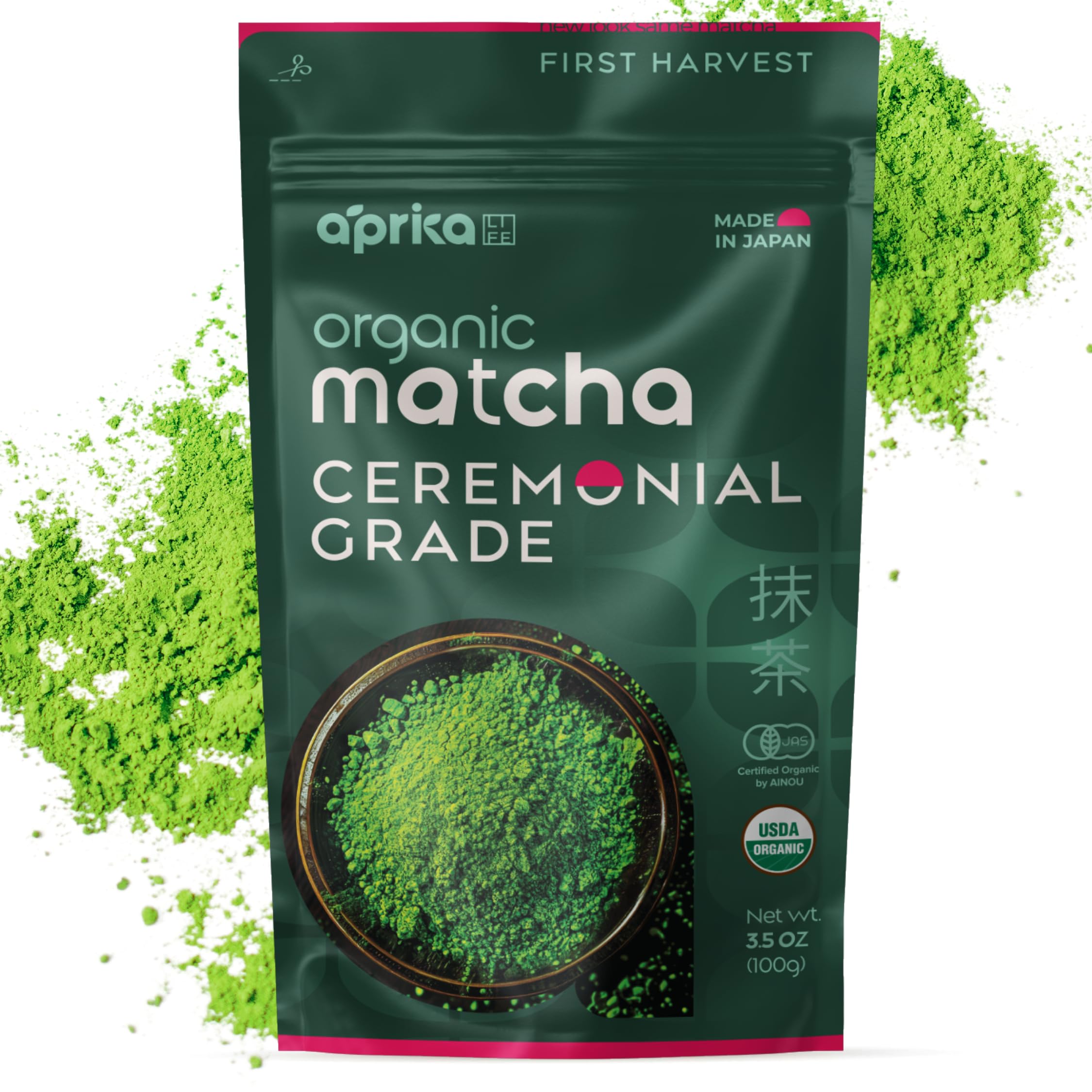
AprikaLife sources its first-harvest Yabukita leaves from Mie Prefecture and stone-grinds them to preserve natural sweetness. What sets this brand apart is its commitment to third-party testing: each batch is screened for heavy metals, radiation, and over 250 chemical residues. The vacuum-sealed packaging maintains peak freshness during shipping and storage.
Buyers who prioritize purity and safety gravitate toward AprikaLife because of the transparent lab results. The powder has a bright green color and a smooth, slightly sweet taste that works well both as a straight tea and in lattes. The 100g pouch offers excellent value for a ceremonial-grade product that meets USDA and JAS organic standards.
Some users find the flavor less complex than single-cultivar matchas, noting a straightforward grassy profile rather than the deep umami of a Gokou or Samidori blend. The pouch design, while effective, is less elegant than a tin, which may matter for those who enjoy the aesthetic of a traditional matcha container.
Why it’s great
- Third-party tested for heavy metals and radiation
- Vacuum-sealed packaging locks in freshness
- Good balance of sweetness and smoothness
Good to know
- Flavor profile is straightforward, less complex
- Pouch packaging lacks tin presentation
4. Jade Leaf Matcha Organic Culinary Grade

Jade Leaf’s culinary grade is formulated specifically for baking, smoothies, and lattes — not for traditional whisked tea. The 100g resealable pouch is sized for heavy use, making roughly 50 lattes at a per-cup cost that undercuts café prices dramatically. The blend combines leaves from Uji and Kagoshima, producing a bold, rich flavor that holds up well when mixed with milk, flour, or almond butter.
Customer reviews celebrate its versatility and lack of bitterness when used in recipes. Many buyers use it daily in Ninja Creami creations, protein shakes, and pancake batter, reporting a vibrant green color and a stable flavor that doesn’t turn muddy. The USDA Organic certification and single-ingredient purity appeal to those who want a clean product for frequent consumption.
The powder is not fine enough for ceremonial preparation — it can clump if whisked in water alone, and the taste has a slight astringency that requires a sweetener or milk to balance. If you plan to drink straight matcha, you will want a ceremonial-grade alternative, but for everyday blended drinks, this pouch delivers exceptional mileage.
Why it’s great
- High volume at a low per-serving cost
- Bold flavor that works well in baked goods
- Resealable pouch preserves freshness
Good to know
- Not fine enough for traditional whisked tea
- Requires milk or sweetener to mask astringency
5. Dr. Weil Matcha Kari Organic Barista Grade

Dr. Weil’s Matcha Kari is positioned as a barista-grade option — a hybrid between ceremonial and culinary that is designed to froth beautifully with milk without turning bitter. The 30g tin is sourced from an exclusive tea farm in Uji, Japan, and is USDA Organic certified. The company’s Harvest To Whisk program ensures the leaves are processed and shipped quickly to maintain freshness.
Buyers appreciate the bright green color and fresh, springy scent. The powder mixes easily with hot or cold liquids, creating a smooth, creamy consistency. Many note that it performs especially well for iced lattes, blending seamlessly without clumping or separating. The compact tin is convenient for travel or desk storage.
At 30g, the tin runs out quickly for daily drinkers, and some users find the flavor slightly bitter when prepared with water alone. The brand’s small size and higher per-ounce cost make it better suited for occasional use or as a sampler before committing to a larger bag.
Why it’s great
- Excellent frothing performance for lattes
- Fresh, springy aroma and vibrant green color
- Compact tin is great for travel
Good to know
- Small tin size limits daily use
- Slight bitterness when prepared straight
6. DoMatcha Organic Summer Harvest Matcha

DoMatcha’s Summer Harvest is a second-harvest matcha that prioritizes rich, creamy texture over delicate sweetness. The leaves are harvested later in the season, which gives the powder a deeper green-yellow hue and a more pronounced grassy flavor ideal for iced drinks, smoothies, and lattes. The 80g tin contains a vacuum-sealed inner bag that locks out oxygen.
The powder requires less whisking to foam up and produces a smooth, creamy consistency that pairs well with oat milk or almond milk. Reviews note a slightly astringent aftertaste that disappears when mixed with milk.
This is not a matcha for ceremonial drinking — the flavor is too bold and bitter for straight tea. Some users with higher expectations for ceremonial-grade smoothness find the taste overly pungent. But for anyone making lattes or iced beverages on a regular basis, the Summer Harvest delivers reliable performance at a reasonable per-serving cost.
Why it’s great
- Creamy texture with less whisking effort
- Excellent for iced and cold-foam drinks
- Vacuum-sealed inner bag maintains freshness
Good to know
- Not suitable for traditional straight tea
- Distinct grassy bitterness when drunk plain
7. DoMatcha Organic Ceremonial Grade Matcha
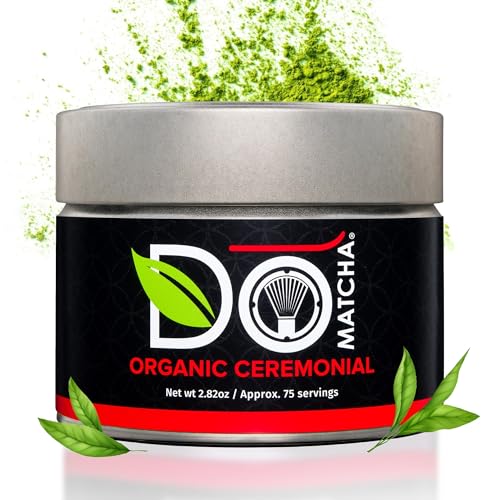
DoMatcha’s Ceremonial Grade is a first-harvest matcha with a neon-green color that indicates high chlorophyll content. The powder is crafted from leaves grown on traditional Japanese tea estates and is marketed as a premium choice for traditional tea ceremonies. The 80g tin yields about 75 servings, making it a generous quantity for a ceremonial-grade product.
Customer feedback is overwhelmingly positive, with many calling it the best ceremonial matcha available on Amazon. The flavor is described as mellow, sweet, and slightly grassy, with zero bitterness and a clean finish that encourages drinking straight. The vacuum-sealed inner packaging ensures that every scoop retains the vibrant color and fresh aroma from the first use to the last.
Buyers note that the price is significantly higher than the brand’s Summer Harvest line, which may push it out of the daily budget for some. A few reviews mention that the powder is slightly less shelf-stable once opened compared to less expensive alternatives, so storing it in the fridge is recommended to maximize its lifespan.
Why it’s great
- Neon-green color indicates peak chlorophyll and quality
- Mellow, sweet, and completely smooth in water
- Large 80g tin offers good ceremonial-grade volume
Good to know
- Premium price limits daily frequency
- Less shelf-stable after opening, requires refrigeration
FAQ
What does JAS certification mean for matcha quality?
Can I use ceremonial grade matcha for baking and lattes?
How should I store matcha to keep it fresh?
What is the difference between culinary grade and latte grade matcha?
Final Thoughts: The Verdict
For most users, the best organic matcha powder winner is the Ocha & Co. Shizuoka Organic Matcha because it delivers first-harvest ceremonial quality with ECO JAS certification, a generous 100g volume, and a smooth umami flavor that works for both traditional drinking and lattes at a compelling value. If you want a lab-tested option with total peace of mind about heavy metals and radiation, grab the AprikaLife Ceremonial Grade Matcha. And for a pure, stone-ground ceremonial experience with a roasted nutty profile, nothing beats the Midori Spring Organic Gold.