The difference between a mediocre cup of green tea and a truly transcendent one comes down to three things: where the leaves were grown, how they were processed, and whether the farm skipped the synthetic pesticides. That is what makes the search for a genuinely high-quality, organic Japanese green tea so specific. You are not just looking for a tea bag; you are looking for a leaf cultivated in mineral-rich volcanic soil, harvested at the precise moment when the L-theanine content peaks, and processed using traditional steaming methods that preserve the chlorophyll.
I’m Mohammad Maruf — the founder and writer behind AirfryerBite. I have spent the last 15 years analyzing the hardware and consumables that define great kitchen experiences, and green tea is a category where sourcing, certification, and harvest timing matter more than any vague marketing label.
This guide breaks down the top contenders for the best organic japanese green tea, comparing ceremonial-grade matcha from Uji with deep-steamed fukamushi sencha from Shizuoka, so you can find the flavor profile and format that fits your daily ritual.
How To Choose The Best Organic Japanese Green Tea
Navigating the world of organic Japanese green tea requires understanding a few non-negotiable markers that separate a genuine single-origin product from a generic blend. The growing region, the harvest timing, and the processing method all dictate the final flavor and nutrient profile.
The Harvest Flush: First Harvest vs. Later Harvests
The first flush, or ichibancha, refers to the very first picking of the season. These leaves have spent the winter storing nutrients, resulting in a higher concentration of L-theanine and a naturally sweeter, less astringent cup. Second-flush leaves, while still high quality, tend to have a stronger, more vegetal bite. For a smooth, umami-rich brew, look for first-harvest explicitly stated on the packaging.
Steaming Depth: Asamushi vs. Fukamushi
Asamushi (light-steamed) sencha has a delicate, needle-like leaf structure that brews a pale, clear liquor with a distinct grassy flavor. Fukamushi (deep-steamed) sencha, on the other hand, breaks down the leaf fibers, releasing more chlorophyll and catechins into the cup. This creates a darker, cloudier brew with a fuller body and a much sweeter, less bitter taste. If you find standard green tea too sharp, fukamushi is your upgrade.
Functional Form: Whole Leaf, Matcha Powder, or Tea Bags
Whole-leaf loose tea offers the most control over steeping variables and generally delivers the most complex flavor. Matcha requires a whisk and a bit of technique but delivers the entire leaf in powdered form, maximizing antioxidant intake. Tea bags offer convenience but often use broken leaf particles (fannings), which can oxidize faster and produce a different taste. Rishi’s sachet approach bridges this gap with larger, more intact leaf pieces.
Quick Comparison
On smaller screens, swipe sideways to see the full table.
| Model | Category | Best For | Key Spec | Amazon |
|---|---|---|---|---|
| Matcha Moon Pure Zen | Ceremonial Matcha | Traditional whisking & pure sipping | 30g tin, first harvest, Uji Kyoto | Amazon |
| Ocha & Co. Fukamushi Sencha | Deep-Steamed Loose Leaf | Daily drinking with high re-steep potential | 100g, deep-steamed, Shizuoka | Amazon |
| Midori Spring Gold Matcha | Ceremonial Matcha | Nutty lattes & daily wellness rituals | 30g, stone-ground, Kagoshima | Amazon |
| Maeda Sen-cha With Matcha | Tea Bags | Quick, consistent everyday brew | 100 bags, sencha + matcha blend | Amazon |
| Rishi Matcha Super Green | Sachet Bags | Convenient bagged matcha experience | 50 sachets, sencha + matcha | Amazon |
In‑Depth Reviews
1. Matcha Moon Pure Zen Ceremonial Grade Matcha
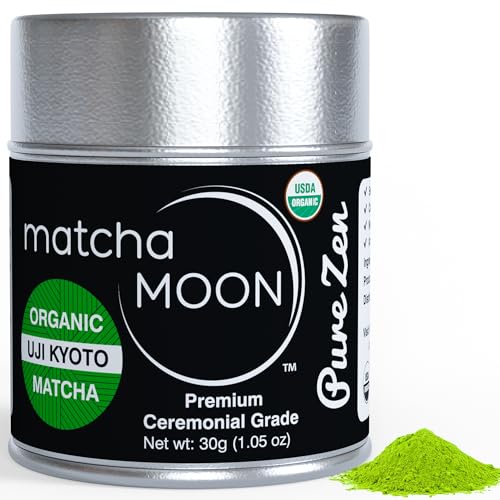
The Matcha Moon Pure Zen delivers exactly what a ceremonial-grade matcha should: a velvety, clump-free powder that whisks into a vibrant green liquor with a balanced, grassy sweetness and zero bitterness at any ratio. Sourced from the first harvest in Uji, Kyoto, this tea carries the unmistakable umami depth that only shade-grown, spring-picked leaves can provide.
At 30 grams, the tin is compact and designed to preserve freshness through repeated openings. Buyers consistently note the consistent micro-foam when whisking, a sign of a fine, modern stone-ground particle size that dissolves fully into the water without leaving gritty residue. The USDA organic certification adds a layer of trust regarding the growing conditions.
For anyone stepping away from culinary-grade matcha or bagged tea, this is the benchmark. The flavor profile is bright, smooth, and gentle enough to drink straight with hot water, yet the powder performs beautifully in lattes without turning muddy or astringent. It is a treat, not a daily staple for heavy consumption, but the quality justifies the cost per serving.
Why it’s great
- First-harvest Uji sourcing delivers authentic, smooth umami
- Whisks into thick, even foam without clumping
- No bitterness even at higher powder ratios
Good to know
- Small 30g tin goes quickly if used daily
- Premium tier, best saved for single-serving ceremonial use
2. Ocha & Co. Organic Fukamushi Sencha

The Ocha & Co. Fukamushi Sencha is the kind of tea that wins over people who thought they did not like green tea.
Sourced from an award-winning plantation in Shizuoka, the leaves are vacuum-sealed to preserve that fresh-from-the-factory aroma. The math works hard here: at 100 grams, it can be resteeped up to five times without losing character, bringing the cost per cup well below any bagged alternative. Buyers report consistent flavor across batches, with a strong umami backbone that holds up to precise brewing at lower temperatures.
This is the ideal daily driver. It works equally well for a quick morning steep in a standard teapot or for multiple resteeps throughout the day with a kyusu. The flavor is bold enough to stand on its own but never aggressive, making it a reliable staple for any pantry.
Why it’s great
- Excellent value per gram with high re-steep potential
- Deep-steamed profile yields a sweet, full-bodied brew
- Vacuum-sealed in small batches for long shelf life
Good to know
- Earthy flavor profile may not suit those seeking delicate notes
- Requires precise water temperature (around 160°F) for optimal taste
3. Midori Spring Organic Ceremonial Grade Matcha
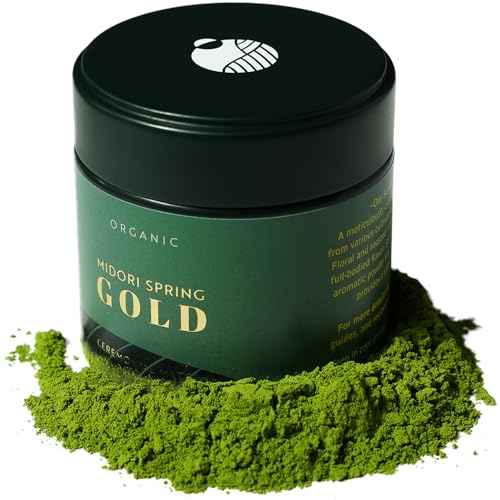
Midori Spring’s Gold blend sits firmly in the ceremonial-grade tier, but it leans into a flavor profile that is noticeably different from the Uji-focused competition. Sourced from Kagoshima and ground on a Mikage stone mill, this matcha has a slightly roasted, nutty undertone that pairs particularly well with milk or plant-based alternatives without losing its vibrant green color.
The USDA Organic and Whole30 approvals matter for buyers who prioritize clean sourcing, and the packaging reflects that ethos with a recyclable tin and minimal waste. Reviews consistently point out the creamy mouthfeel and low astringency, making it a forgiving matcha for beginners who are still dialing in their whisking technique. It blends smoothly without clumps, and the foam holds well.
Users who switched from Chinese-sourced matcha brands report a dramatic reduction in bitterness and a much brighter color in the cup. The flip side is that it is not the cheapest ceremonial option, and the 30g tin demands mindful usage. For a daily latte ritual with high-quality ingredients, this is a top contender.
Why it’s great
- Stone-ground to a fine, silky powder with excellent dispersion
- Nutty, creamy flavor ideal for lattes and blended drinks
- USDA Organic, Whole30 Approved, and sustainably packaged
Good to know
- Premium price point makes it more of a treat than a daily staple
- Nutty notes may not appeal to pure ceremonial purists
4. Maeda Sen-cha Green Tea With Matcha
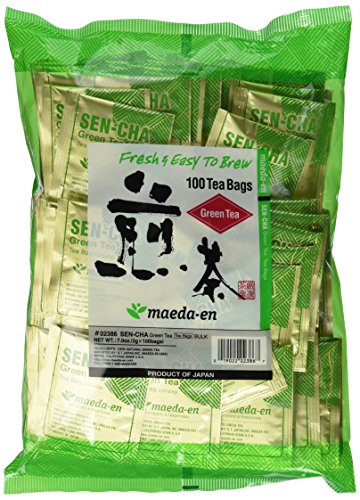
For the buyer who wants real Japanese green tea flavor without the preparation ritual, Maeda’s bagged sencha plus matcha blend is a revelation. Each bag contains actual sencha leaves blended with matcha powder, producing a liquor that is noticeably richer and more complex than standard bagged green tea. The pale yellow-green brew has a bright, grassy aroma and a clean finish with none of the dustiness common in cheaper tea bags.
The 100-count format makes this a bulk staple. Buyers report consistent quality across boxes, with foil-sealed inner pouches protecting the bags from light and air. The flavor holds up well whether you brew it hot or use it for cold-brew overnight. Customers with years of repeat orders confirm that this is their go-to morning cup, often preferred over well-known brands like Harney & Sons or Twinings for its deeper, more distinctive taste.
This is the right pick for the office desk, the travel bag, or any scenario where a whisk and a kyusu are not available. It does not have the layered complexity of a loose-leaf first-harvest sencha, but for a tea bag, it is remarkably close to the real thing.
Why it’s great
- Authentic Japanese flavor from a convenient tea bag format
- Excellent value with 100 bags per box
- Consistent, reliable flavor with years of positive buyer history
Good to know
- Not as nuanced as loose-leaf ceremonial matcha
- Best brewed at 190°F to avoid any slight bitterness
5. Rishi Tea Matcha Super Green

Rishi’s Matcha Super Green bridges the gap between bagged convenience and the sensory experience of loose-leaf tea. The sachet format holds a blend of sencha and matcha that releases an intensely green, umami-rich cup with a natural sweetness that catches you off guard. The recommended brewing temperature of 160°F is lower than most bagged teas, a clear signal that Rishi is treating the leaf quality seriously.
The USDA Organic and BPA-free biodegradable sachet materials reflect Rishi’s commitment to sustainable sourcing. Tasting notes lean toward vibrantly fresh grass with a smooth, creamy finish — no astringency, no dustiness. Buyers consistently describe the aroma as wonderfully earthy and uplifting, and the flavor carries a subtle complexity that often requires a second steep to fully appreciate.
This is the tea for the user who wants a premium, thoughtful product without the full ceremonial setup. It is more expensive per bag than standard options, but the leaf quality and attention to detail are obvious from the first sip. Perfect for an afternoon reset or a morning ritual when you have two minutes, not twenty.
Why it’s great
- Sachet format preserves leaf integrity for a richer flavor
- Blend delivers authentic matcha sweetness without extra effort
- Eco-friendly, BPA-free packaging with a responsible brand ethos
Good to know
- Higher price per bag compared to standard tea bag options
- Some dust may settle in the box during shipping
FAQ
What is the difference between ceremonial-grade and culinary-grade matcha?
Why does Japanese green tea need to be brewed at a lower temperature than black tea?
How can I tell if an organic Japanese green tea is truly from Japan?
Can I re-steep loose-leaf Japanese green tea?
What does the “deep-steamed” (fukamushi) process do to the tea leaves?
Final Thoughts: The Verdict
For most users, the best organic japanese green tea winner is the Matcha Moon Pure Zen Ceremonial Grade Matcha because it delivers the purest, smoothest ceremonial experience with authentic first-harvest leaves from Uji, Kyoto, in a format that works equally well for traditional preparation and lattes. If you want a daily loose-leaf brew with incredible re-steep value, grab the Ocha & Co. Organic Fukamushi Sencha. And for no-fuss bagged convenience that still tastes like real tea, nothing beats the Maeda Sen-cha Green Tea With Matcha.