Your sourdough starter is alive and hungry. Feeding it commodity flour from the grocery store that’s been stripped, bleached, and sprayed with glyphosate isn’t just a compromise — it’s a betrayal of the craft. The flour you choose directly controls the rise, the crumb structure, the digestibility, and the depth of flavor in every loaf. This is the difference between a bakery-worthy boule and a dense brick.
I’m Mohammad Maruf — the founder and writer behind AirfryerBite. My approach to sourcing organic flour for sourdough is rooted in analyzing protein content, milling practices, heritage wheat genetics, and the real-world fermentation behavior that bakers consistently report in their kitchens.
To find the single best option for your starter, I have evaluated the top contenders by protein level, digestibility reports, absence of synthetic additives, and consistency across batches. Below is my curated guide to the organic flour for sourdough that delivers structure and flavor without the bloat.
How To Choose The Best Organic Flour For Sourdough
Selecting the right organic flour for sourdough comes down to four pillars: protein content, wheat variety, milling process, and certification purity. A flour with too little protein will result in a slack dough that fails to trap gas, while too much bran can slice through gluten strands. The goal is a balance that supports the long, slow fermentation sourdough demands.
Protein Content and Gluten Quality
Sourdough relies on strong gluten networks to hold carbon dioxide produced by wild yeast. Look for flours with at least 11 to 14 percent protein by weight. Heritage varieties often provide this without the aggressive starch modifications found in conventional hard red spring wheat. High protein isn’t just about elasticity — it also contributes to a chewy crust and an open, irregular crumb.
Wheat Strain and Digestibility
Modern wheat has been hybridized for yield, not for human digestion. Pre-1950s heritage strains like Turkey Red, Spelt, and Emmer contain gluten structures that many bakers report are less inflammatory. For those with gluten sensitivities who still want to enjoy sourdough, a flour milled from heritage wheat can make the difference between a bloated evening and a clean recovery.
Milling Freshness and Additive Purity
Flour oxidizes rapidly after milling, losing flavor and nutritional value within weeks. Organic brands that stone-grain or slow-mill in small batches deliver brighter taste and higher micronutrient retention. Avoid any flour labeled with bromate, ascorbic acid, or folic acid additives — pure, unbleached, unbromated organic flour is the only acceptable choice for a living starter.
Quick Comparison
On smaller screens, swipe sideways to see the full table.
| Model | Category | Best For | Key Spec | Amazon |
|---|---|---|---|---|
| Sunrise Flour Mill Heritage White (PRODUCT 1) | All-Purpose/High Protein | Artisan sourdough, muffins, cookies | 80oz bag, Turkey Red heritage wheat | Amazon |
| Grain Brain Organic Whole Spelt (PRODUCT 2) | Ancient Grain | Beginner spelt bakers, dumplings, pancakes | 5lb bag, 100% stone ground spelt | Amazon |
| Great River Milling Organic Bread Flour (PRODUCT 3) | Multi-Purpose | Sandwich loaves, artisan bread, daily baking | 5lb bag, retains germ and most bran | Amazon |
| Sunrise Flour Mill Heritage Whole Wheat Blend (PRODUCT 4) | Whole Wheat Heritage | Rustic sourdough, fiber-rich loaves, cookies | 5lb bag, blend of red/white heritage wheat | Amazon |
In‑Depth Reviews
1. Sunrise Flour Mill Heritage Organic White Flour
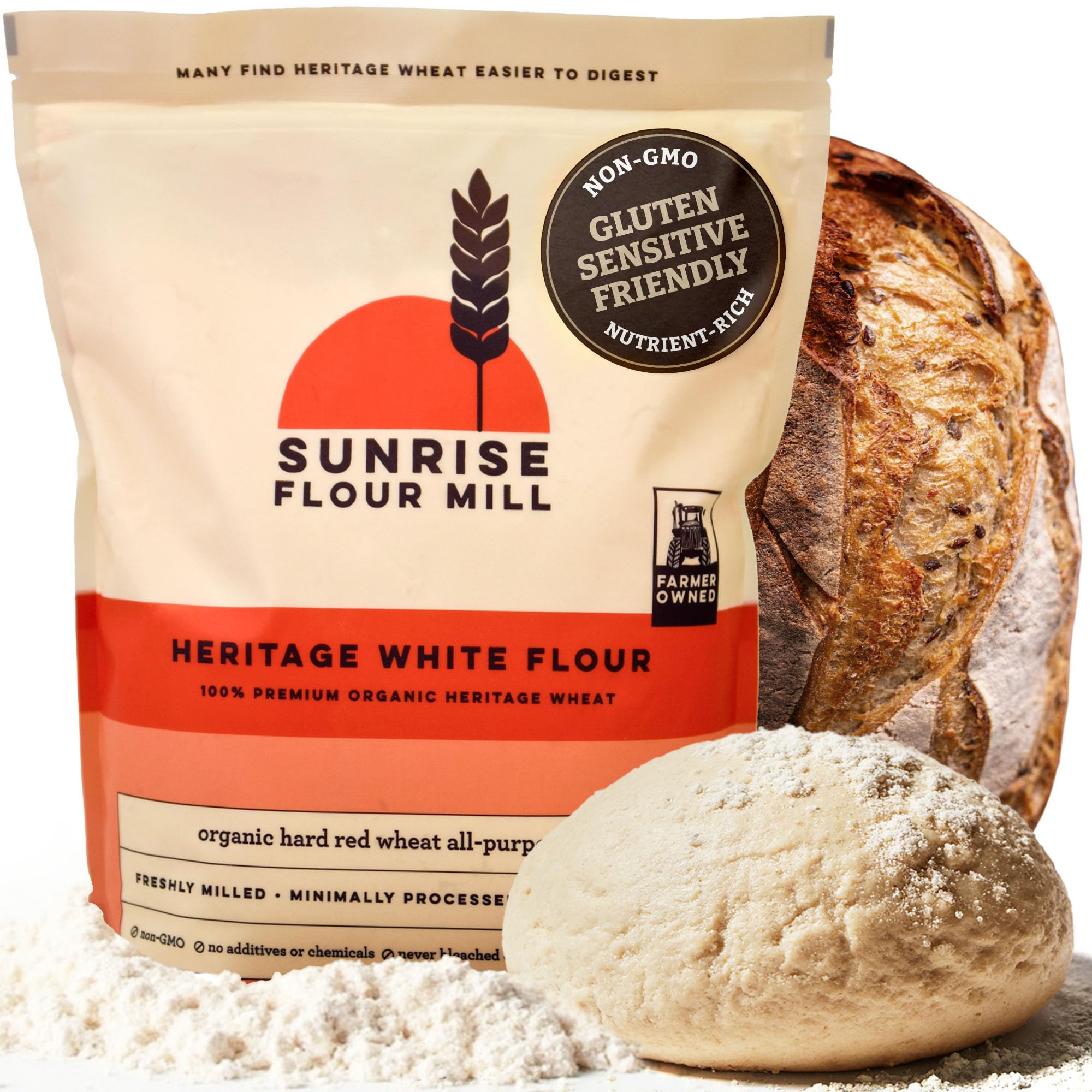
This is the flour that changed how I bake. Sunrise Flour Mill sources Turkey Red, a pre-1950s heritage wheat that was never hybridized for yield. The result is a flour with a protein level that supports strong gluten development — high enough for a tall, open crumb in sourdough boules — yet gentle enough that bakers with minor gluten sensitivities report zero bloating. The silky texture is immediately noticeable when you first run it through your fingers; it feels finer and more velvety than typical all-purpose flour.
Because it is stone-milled and unbleached, the natural enzymes in this flour are fully intact. Your starter will respond faster during the bulk fermentation stage, and the final loaf develops a nutty, complex aroma that white flour cannot replicate. Multiple verified reviews mention that baked goods — from bagels to blueberry muffins — turn out sturdy but not tough, with a rich browning that standard organic AP flours rarely achieve.
The main consideration is that this flour is priced higher per pound than commodity options. However, given that customers frequently describe it as “the best flour I have ever used” and “the reason my sourdough starter finally came alive,” the investment is justified for serious home bakers. The 5-pound bag size is practical for weekly baking, and the resealable design preserves freshness between loaves.
Why it’s great
- Heritage Turkey Red wheat offers superior digestibility and flavor
- High protein content supports strong gluten formation and oven spring
- Certified organic, non-GMO, glyphosate-free, and unbleached
- Consistent performance across multiple bakers and recipes
Good to know
- Priced above standard organic all-purpose flour
- Limited availability in some regions — known to sell out
- May require slight hydration adjustments compared to modern flour
2. Grain Brain Organic Whole Spelt Flour
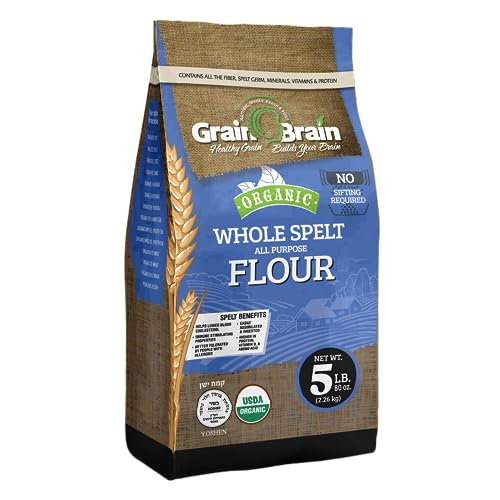
Spelt is an ancient grain that predates modern wheat, and Grain Brain captures its best qualities in a 100 percent stone-ground whole spelt flour. The golden color and mild, slightly sweet flavor set it apart from regular whole wheat. For sourdough bakers looking for a digestible alternative without sacrificing taste, this is a strong candidate. The stone grinding process preserves the germ, fiber, and minerals that are often lost in industrial roller milling, giving your dough extra nutrition from the start.
Readers new to spelt should note that its gluten is more fragile than conventional hard wheat. The dough will require a shorter bulk fermentation and a gentler handling technique to avoid overworking. That said, the reward is a loaf with a tender crumb and a subtle nuttiness that pairs beautifully with seeds, dried fruit, or a simple butter finish. Verified buyers specifically mention that this spelt produces good results for beginner bread makers, and that the flavor is fresh with no hint of rancidity — a common issue with older spelt flours.
The bag is a straightforward 5-pound size, and the flour is certified organic, kosher, and labeled as Kemach Yoshen. Some users note that the price sits slightly above standard whole wheat, but the quality of the milling and the cleanliness of the grain justify the premium. This is not a flour for high-gluten specialty breads, but for rustic, heirloom-style sourdough and dumplings, it shines.
Why it’s great
- 100 percent stone ground — retains all bran, germ, and nutrients
- Mild, sweet flavor ideal for spelt-based sourdough and dumplings
- Certified organic and kosher with fresh, clean taste
- Excellent entry point for bakers exploring ancient grains
Good to know
- Gluten is weaker than hard wheat — requires gentler handling
- Not suitable for high-rising sandwich bread
- Some bakers find it needs more hydration than all-purpose flour
3. Great River Milling Organic Unbleached Wheat Bread Flour
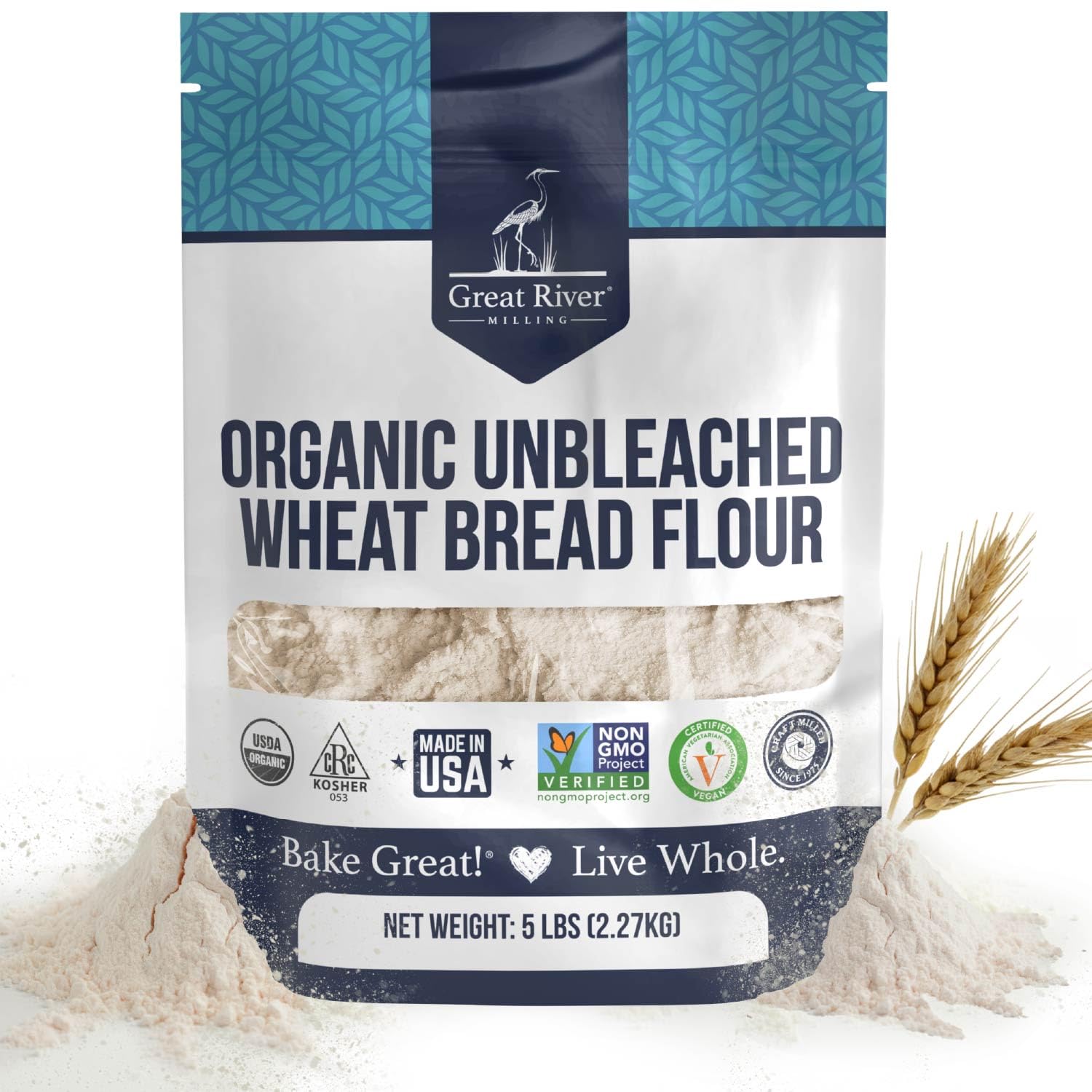
Great River Milling positions this flour as a clean, multi-purpose bread flour that retains the germ and most of the bran — a smart compromise between whole-grain nutrition and the loft you expect from bread flour. The gluten balance is reliable, producing a tender crumb in both lean sourdough and enriched loaves. Verified buyers report that it has replaced King Arthur Organic Bread Flour in their micro-bakeries, citing superior flavor and a softer texture.
One detail that stands out in the reviews is the flour’s behavior with sourdough starters. Bakers note that the dough rises normally but may need a slightly higher hydration level than white flour due to the bran content. The taste is described as a lighter wheat flavor — still whole wheat, but without the heavy, bitter notes that sometimes accompany full-bran flours. The bag is a standard 5-pound size, but the brand’s consistency across multiple purchases makes it a reliable pantry staple.
It is certified USDA organic, Non-GMO, Kosher, and made without chemical fertilizers or pesticides. Some users mention that after two months of regular use, they found the density slightly different from expected and adjusted by adding a small amount of vital wheat gluten. For the price point, this flour offers exceptional value for bakers who want clean organic ingredients without stepping up to premium heritage pricing.
Why it’s great
- Balanced gluten content produces soft, reliable loaves
- Retains germ and most bran for whole-grain nutrition
- Certified organic, Non-GMO, Kosher, glyphosate-free
- Excellent value — many micro-bakers switched from premium brands
Good to know
- May require slight hydration adjustments for sourdough
- Some bakers add vital wheat gluten for a taller rise
- Not a heritage strain — modern wheat genetics
4. Sunrise Flour Mill Heritage Whole Wheat Bread Blend
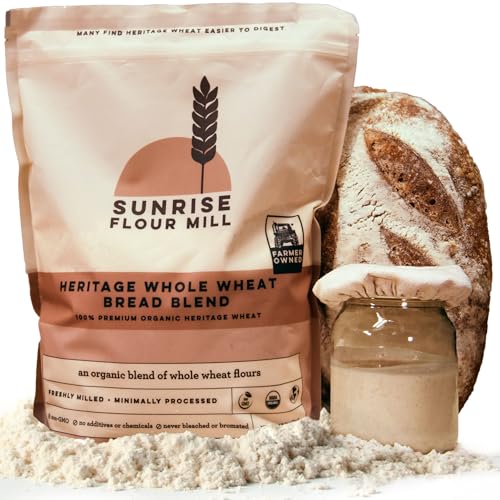
Sunrise Flour Mill returns with a whole wheat bread blend that solves the problem most organic whole wheat flours share: dense, heavy loaves. This blend uses a mix of hard red heritage wheat and soft white heritage wheat, yielding a flour that is 100 percent whole grain yet produces loaves with an airy, open crumb and a tender crust. Bakers consistently describe the texture as “silky” and the flavor as “nutty but not bitter.”
The gentler gluten structure from the heritage varieties means this flour is easier on digestion than conventional whole wheat. Verified reviews note that it melts in the mouth and that even those with gluten sensitivities find it manageable. The bag is resealable, and customers recommend freezing the flour for up to eight months to preserve freshness. The milling is fine enough that you can substitute it directly into recipes without sifting, though some bakers still prefer a brief sift for a lighter result.
On the downside, the price lands firmly in premium territory — reviewers call it expensive for everyday use. One long-term buyer noted that while the quality is undeniable, it sits above five dollars per pound, making it a special occasion flour for many households. If you are looking for a daily whole wheat option, the Great River Milling flour above offers better value. But if your goal is the best-tasting, open-crumb whole wheat sourdough possible, this blend is unmatched.
Why it’s great
- Red/white heritage blend delivers airy crumb, not dense loaf
- Silky texture and rich, nutty flavor without bitterness
- Higher digestibility due to pre-hybridized wheat genetics
- Resealable bag for long-term storage and freshness
Good to know
- Premium price point — not a budget-friendly daily flour
- Limited batch runs may cause stock variability
- Some bakers prefer sifting for an even lighter result
FAQ
Why do heritage wheat flours cause less bloating than modern flour?
Can I use organic all-purpose flour for sourdough instead of bread flour?
Final Thoughts: The Verdict
For most users, the organic flour for sourdough winner is the Sunrise Flour Mill Heritage White Flour because it delivers the perfect intersection of high protein, heritage digestibility, and consistent baking performance across sourdough boules, bagels, and pastries. If you want the texture and nutrition of whole wheat without dense results, grab the Sunrise Flour Mill Heritage Whole Wheat Blend. And for budget-conscious daily baking that still respects clean ingredients, nothing beats the Great River Milling Organic Bread Flour.