The first time you mix that powder into a smooth, thin slurry, you are entering a minefield of hidden sugars, empty calories, and synthetic additives. Choosing the right organic baby cereal means looking past the cute packaging and checking the iron content, the whole grain count, and the absence of any fillers. It is a decision that directly impacts your baby’s developing gut and cognitive growth.
I’m Mohammad Maruf — the founder and writer behind AirfryerBite. I spend my weeks dissecting nutrition labels, cross-referencing USDA Organic certifications, and analyzing customer feedback on infant feeding products to separate marketing fluff from genuine nutritional value.
After combing through dozens of options and comparing their whole grain servings, iron fortification levels, and ingredient purity, I have found the five standouts that earn a spot in your pantry. This is your complete roadmap to the best organic baby cereal for a nutritious start.
How To Choose The Best Organic Baby Cereal
Not all boxes stamped with an organic logo deliver equal nutrition. The baby cereal aisle is packed with products that look identical but differ wildly in iron content, grain composition, and texture. Focus on these three pillars to make the right call.
Iron Fortification Levels Matter Most
Your baby’s iron stores deplete around the 4-to-6-month mark, which is exactly when solid foods begin. Look for a cereal that provides at least 45% of the daily value of iron per serving. This supports hemoglobin production and prevents developmental delays linked to iron deficiency. The best organic baby cereals are fortified with iron in a form that mixes smoothly without metallic aftertaste.
Whole Grain Content Over Refined Flours
An organic label does not automatically mean the cereal uses whole grains. Check the ingredient list for terms like whole grain oat flour, whole wheat flour, or whole grain barley. A serving with at least 26 grams of whole grain is the benchmark for a truly nutritious start. Refined flours spike blood sugar and offer less fiber for gentle digestion.
Single-Ingredient Purity vs. Flavor Blends
For your baby’s first solids, a single-grain cereal like plain oats or brown rice is ideal because it helps you isolate any allergic reactions. Once your baby tolerates each grain individually, you can move to multi-grain blends or pre-mixed fruit flavors. Always choose options with zero added sugars or fruit juice concentrates, even in the flavored varieties.
Quick Comparison
On smaller screens, swipe sideways to see the full table.
| Model | Category | Best For | Key Spec | Amazon |
|---|---|---|---|---|
| Earth’s Best Multi-Grain Cereal | Multi-Grain Powder | Transition to mixed grains | 45% DV iron per serving | Amazon |
| Amara Oats & Berries | Freeze-Dried Pouch | On-the-go real fruit blend | 5g whole grains per pouch | Amazon |
| Gerber Apple Mango Oatmeal | Puree Tub | Stage 2 texture exploration | 60% DV iron per tub | Amazon |
| Cascadian Farm Purely O’s | Ready-to-Eat Os | Self-feeding toddlers | 26g whole grain per serving | Amazon |
| Better Oats Bare Multigrain | Instant Packet | Family breakfast with baby | USDA Organic with flax seeds | Amazon |
In‑Depth Reviews
1. Earth’s Best Organic Whole Grain Multi-Grain Cereal
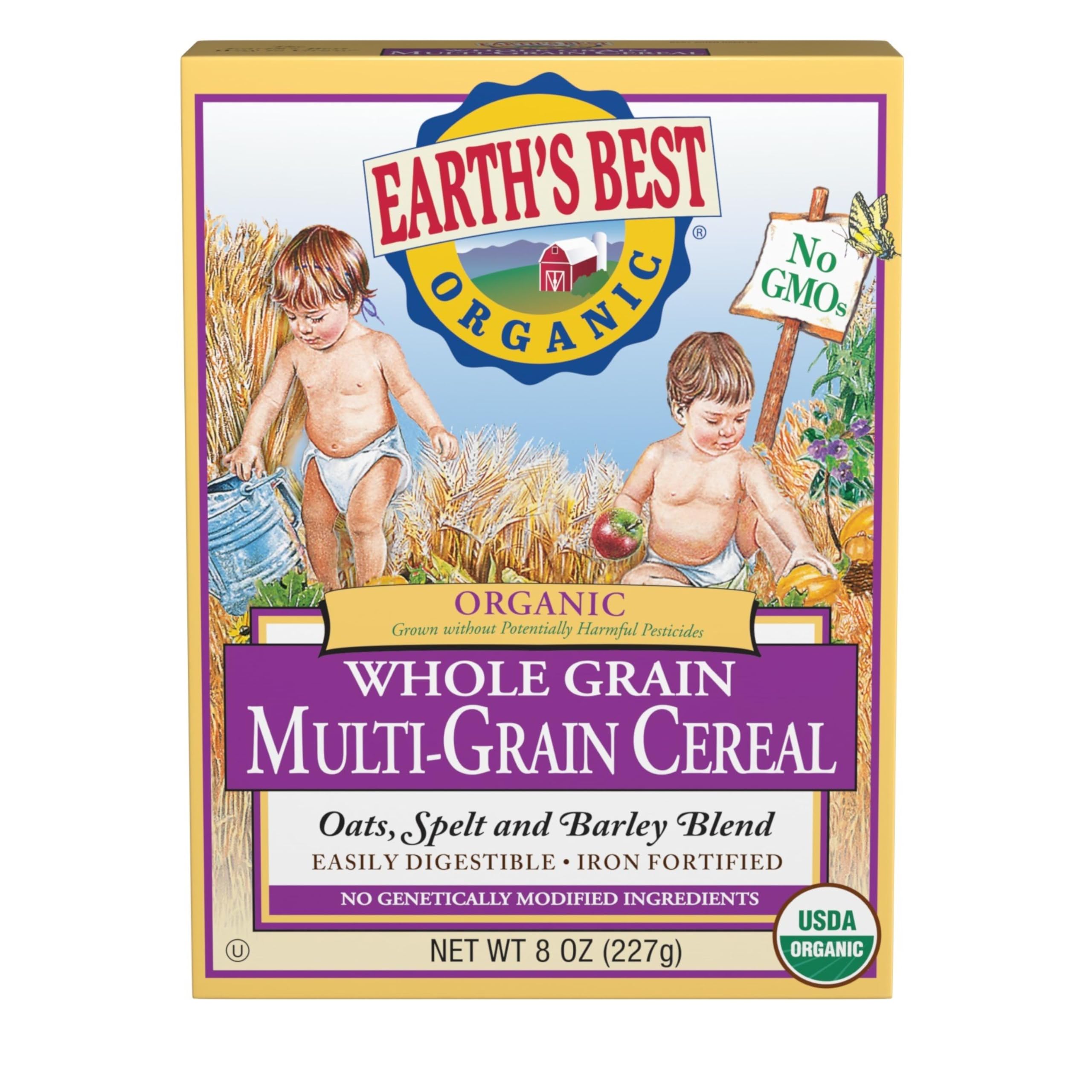
Earth’s Best delivers exactly what a growing baby needs with a blend of organic whole grain oat, spelt, and barley flour. Each serving packs a substantial iron fortification that meets the 45% DV benchmark, making it a strong choice for the transition to solids. The powder mixes into a smooth, thin consistency that flows easily from a spoon without clumps.
The pack of six provides excellent value for the mid-range investment, and the GMO-free certification adds another layer of trust. Parents report that babies tolerate the multi-grain mix well, which helps introduce variety early without overwhelming a sensitive palate. The shredded form dissolves quickly in breast milk or formula.
One drawback is the lack of a resealable bag inside the box, so transferring the powder to an airtight container is recommended. Also, some fussy eaters may prefer a single-grain cereal for their first taste, but for babies ready to explore, this is a reliable staple.
Why it’s great
- Three organic whole grains for palate diversity
- High iron content supports cognitive development
- Pack of 6 minimizes restocking frequency
Good to know
- No inner resealable package for freshness
- Not ideal for brand-new single-grain introductions
2. Amara Organic Baby Food Oats and Berries

Amara takes a different approach with freeze-dried oats and real berry pieces that rehydrate into a textured puree. This is a Stage 2 option, meaning it is designed for babies who can handle small soft chunks. The pouch format makes it exceptionally convenient for diaper bags, park outings, or emergency feeding moments.
The ingredient list is refreshingly short — organic oats, organic berries, and nothing else. There is no added sugar, no starches, and no preservatives. Just add water, breast milk, or formula to the pouch, shake, and serve. The freeze-dried process preserves the natural taste of the fruit better than jarred alternatives.
The downsides include a higher price point per ounce compared to powder cereals, and the 5 grams of whole grain per pouch is lower than what a full bowl of traditional cereal provides. It is best as a complementary option rather than a daily staple for iron and grain intake.
Why it’s great
- No added sugar or fillers in the ingredients
- Portable pouch requires no refrigeration
- Real fruit provides natural flavor and nutrients
Good to know
- Lower iron content than fortified powder cereals
- Premium investment for on-the-go convenience
3. Gerber Stage 2 Baby Food Apple Mango Oatmeal
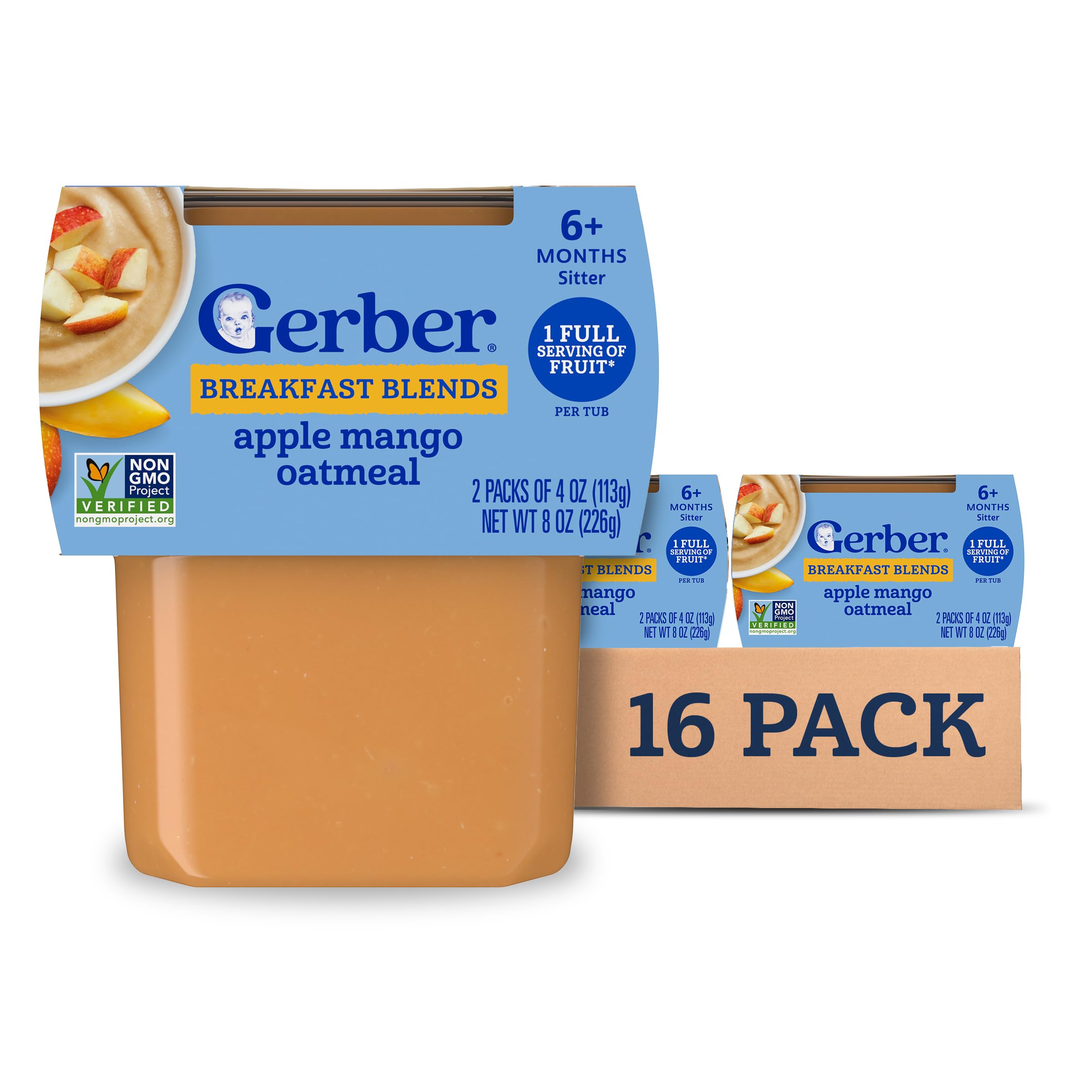
Gerber’s Apple Mango Oatmeal tubs are a ready-to-eat puree that eliminates all prep work. Each 4-ounce tub delivers 60% of the daily value of iron, which is excellent for brain development at this stage. The combination of apple and mango provides a naturally sweet taste that even picky babies typically accept.
The Stage 2 texture includes small oatmeal pieces, which helps babies adjust to lumps before moving to table food. The BPA-free plastic tubs are lightweight and stackable, making them easy to stash in a pantry or diaper bag. For busy parents juggling work and feeding, these tubs remove the guesswork of measuring and mixing.
The main drawback is the presence of fruit puree, which means there is natural sugar from the fruit. While not added sugar, it does sweeten the cereal more than plain fortified powder. Also, the 8-gram whole grain count is modest compared to a bowl of single-grain cereal mixed from powder.
Why it’s great
- High iron fortification in a ready-to-eat format
- BPA-free packaging for safe storage
- Mild fruit flavor encourages acceptance
Good to know
- Contains natural fruit sugars from purees
- Lower whole grain content per serving
4. Cascadian Farm Purely O’s Organic
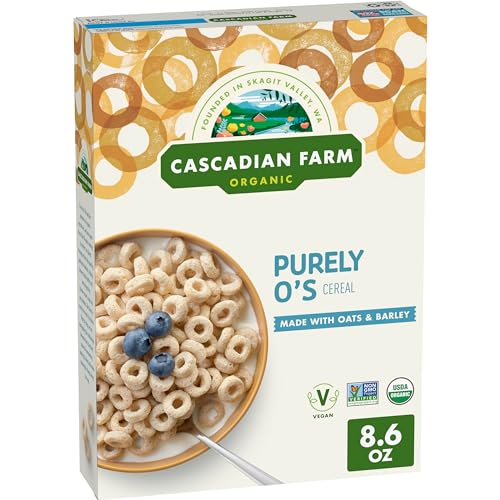
Cascadian Farm’s Purely O’s are a dry, ready-to-eat O-shaped cereal that is suitable for older babies practicing pincer grasp and self-feeding. Each serving contains 26 grams of whole grain, which hits the recommended daily minimum for toddlers. The USDA Organic and Kosher certifications provide broad dietary assurance.
The texture holds up well in milk without turning instantly soggy, making it a practical breakfast for toddlers. The ingredient list is simple — organic whole grain oat flour — without added sugars or artificial colors. For parents looking to move beyond purees and powders, this is a logical next step.
This cereal is not fortified with iron, so it should complement other iron-rich foods rather than serve as the primary source. Also, the Os can be a choking hazard if not broken into smaller pieces for younger infants. It is best reserved for toddlers who have mastered chewing soft solids.
Why it’s great
- High whole grain content in a familiar shape
- Minimal ingredient list with organic certification
- Develops fine motor skills through self-feeding
Good to know
- No added iron fortification
- Choking risk for infants under 12 months
5. Better Oats Bare Organic Multigrain Hot Cereal
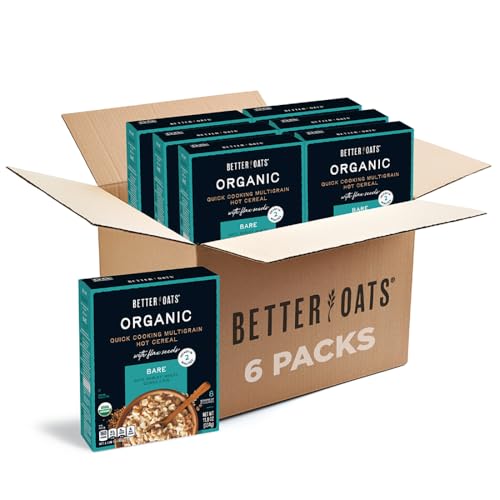
Better Oats Bare Organic is a family-sized solution that the whole household can enjoy together. Each packet contains a blend of oats, barley, wheat, quinoa, rye, and flax seeds, offering a diverse grain profile. The measuring line inside the pouch makes preparation consistent — just add water and microwave for two minutes.
This is not a baby-specific cereal, but it works well for toddlers and parents who want a shared breakfast. The flax seeds contribute omega-3 fatty acids, which support brain health. The 6-box pack keeps the pantry stocked for weeks, and the individual packets prevent over-portioning.
The texture is thick and hearty, which may be too dense for infants under 9 months unless thinned significantly with milk or formula. Additionally, it lacks iron fortification, so it cannot serve as a primary iron source for a baby. Use it as a convenient family breakfast that your toddler can share.
Why it’s great
- Diverse grain blend with omega-3 from flax
- Quick 2-minute preparation for busy mornings
- Bulk pack of 48 pouches offers solid value
Good to know
- No iron fortification for infant needs
- Thick texture requires thinning for babies
FAQ
Is organic baby cereal really safer than conventional options?
Can I mix baby cereal with breast milk or formula?
How do I know if my baby is ready for multi-grain cereal?
Final Thoughts: The Verdict
For most users, the best organic baby cereal winner is the Earth’s Best Organic Whole Grain Multi-Grain Cereal because it balances iron fortification, organic integrity, and multi-grain variety at a price point that works for daily feeding. If you want portable convenience with real fruit, grab the Amara Oats and Berries pouches. And for a puree that requires zero prep, nothing beats the Gerber Apple Mango Oatmeal.