A glossy, peppery finish on a bowl of warm pasta is one of the simplest kitchen pleasures. But splash the wrong bottle into your pan, and you risk muting the dish entirely or turning your delicate sauce into a flat, bitter mess.
I’m Mohammad Maruf — the founder and writer behind AirfryerBite. I’ve analyzed the cold-extraction methods, polyphenol counts, acidity levels, and regional olive varieties of dozens of oils to separate what actually matters for a pasta dish from the expensive marketing labels.
This guide breaks down the five bottles that earn a spot on your countertop, covering everything from robust finishing drizzles to versatile everyday pourers. Use it as your honest benchmark for finding the olive oil for pasta that fits your specific cooking habit, not a generic shelf decision.
How To Choose The Best Olive Oil For Pasta
Pasta is a blank canvas that rewards three things from its olive oil: a pleasant heat stability if used in the pan, a clean finish if used raw, and a flavor that complements rather than overpowers the other ingredients. Knowing a few key specs from the label helps you avoid wasting money on a bottle that tastes soapy or turns acrid at moderate heat.
Acidity Level and Polyphenol Content
Extra virgin olive oil must have an acidity below 0.8% by international standards. The best contenders for pasta often sit well under 0.3%, which indicates fresher fruit and a cleaner taste. Polyphenols — measured in parts per million — act as natural antioxidants and affect the peppery bite you feel at the back of your throat. A higher polyphenol count generally means a more robust oil that stands up to hearty pasta shapes and garlic-heavy sauces.
Cold Extraction vs. First Cold Press
Cold extraction keeps the olive paste below 80°F during processing, preserving volatile aromas and sensitive nutrients. “First cold press” is a traditional term that essentially means the same thing, but modern production rarely uses more than one press. For cooking pasta sauces, cold-extracted oils offer a better flavor shelf life and a more consistent fruity note.
Filtered vs. Unfiltered Oil
Filtered oil has been strained to remove fruit particles, resulting in a clear bottle that stays stable longer on your counter. Unfiltered oil retains those tiny olive solids, which add texture and a cloudier appearance but also shorten the shelf life and require you to store it in a cool, dark cabinet. For finishing a pasta dish raw, unfiltered provides an authentic, fresh-harvest intensity that many purists consider essential.
Quick Comparison
On smaller screens, swipe sideways to see the full table.
| Model | Category | Best For | Key Spec | Amazon |
|---|---|---|---|---|
| Barbera Lorenzo No. 5 | Premium Sicilian | Special finishing & dipping | Single-variety Nocellara del Belice olives | Amazon |
| Colavita Premium Selection | Mid-Range Italian | Everyday sauté & drip | NAOOA quality seal; acidity below 0.3% | Amazon |
| De Cecco Classico | Value Blend | Large batch pasta sauces | Cold extraction below 80°F; 25.4 oz bottle | Amazon |
| Paesano Unfiltered | Premium Unfiltered | Raw finish on hot pasta | Unfiltered; 33.8 oz; Sicilian blend | Amazon |
| Bragg Organic EVOO | Budget Organic | Versatile everyday oil | USDA organic; 16 oz; Kosher | Amazon |
In‑Depth Reviews
1. Barbera Lorenzo No. 5 Extra Virgin Olive Oil
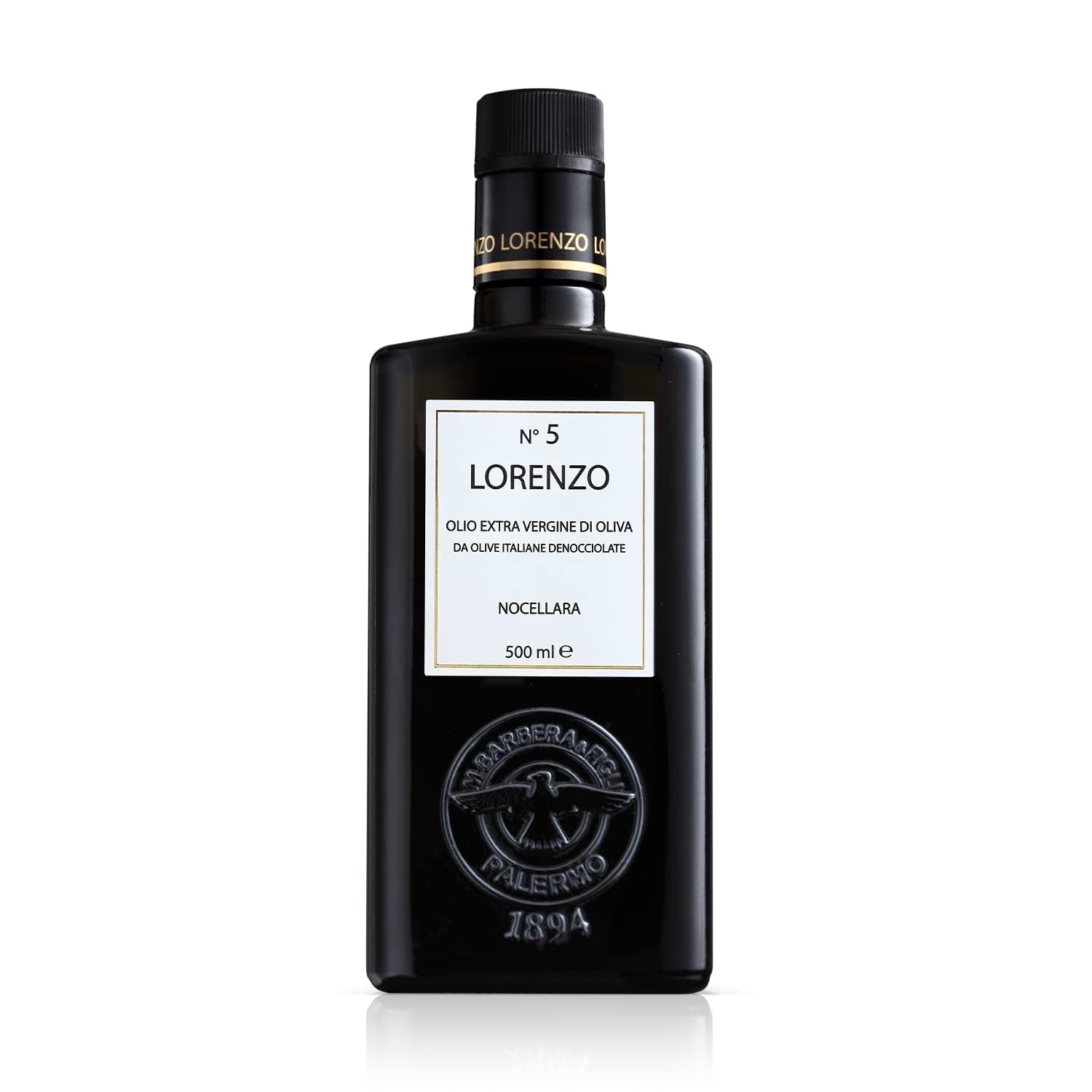
The Barbera Lorenzo No. 5 is a single-varietal Sicilian EVOO made exclusively from Nocellara del Belice olives. It is cold-extracted to preserve the delicate polyphenols and natural antioxidants that give it a soft, fruity finish with absolutely no bitterness — a rare quality that makes it a superb finisher for pasta aglio e olio or a simple cacio e pepe.
At 16.9 fluid ounces, the bottle is smaller than the bulk options listed here, and that is by design. This is an oil meant for drizzling and dipping, not for shallow-frying a pound of garlic. Reviewers consistently mention its restaurant-quality profile, with one noting that the flavor matched what they had in a restaurant in Italy.
The trade-off is the price point per ounce, which sits above the mid-range players. If you regularly char vegetables or need a heavy-volume oil for weekly family pasta nights, you may want to pair this with a more affordable everyday bottle for cooking and reserve the Barbera exclusively for finishing.
Why it’s great
- Single-varietal Sicilian olives provide a consistently soft, fruity flavor
- Zero bitterness and no soapy aftertaste on hot pasta
- Cold-extraction process preserves antioxidants
Good to know
- Higher per-ounce cost, not a cooking workhorse
- 16.9 oz bottle runs out quickly for heavy users
2. Colavita Premium Selection Extra Virgin Olive Oil

Colavita has earned a solid reputation as the everyday Italian EVOO that does not compromise on authenticity. This Premium Selection is a first cold press blend from Italy, Greece, Spain, and Portugal, and it carries the NAOOA quality seal, which means the bottle has been independently tested against International Olive Council standards for purity and quality.
Reviewers consistently describe a peppery throat hit and a grassy taste, making it lively enough for a raw drizzle over spaghetti pomodoro but stable enough for a quick sauté when you sweat onions and garlic for a ragù. The 25.5-ounce glass bottle is a practical size for a household that cooks pasta two to three times per week.
The acidity is kept well below 0.3%, and the oil is cholesterol and carbohydrate free. It won “Best Everyday Cooking Oil” in Men’s Health — a useful signal that this bottle handles moderate heat without losing its character. If you want a single bottle that does both stove work and finishing, this is the default pick.
Why it’s great
- NAOOA seal guarantees authenticity and low acidity
- Balanced peppery and grassy notes work hot or cold
- Glass bottle protects the oil from light damage
Good to know
- Multi-country blend, not a single-origin taste
- Some users prefer a sturdier pour spout
3. De Cecco Extra Virgin Olive Oil, Classico
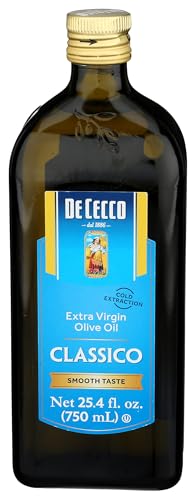
De Cecco is a name every pasta eater recognizes, and their Classico EVOO mirrors the same reliability. This cold-extracted oil is obtained at a temperature below 80°F, which preserves the volatile aromas and polyphenols that give the oil a sweet, almond-like, light fruity taste with an acidity under 0.3%.
The 25.4-ounce dark glass bottle keeps the oil fresh for longer than many of the lighter containers on the market. Reviewers call it a “safe steel can” option — a reference to the durable, light-blocking bottle that protects the oil from heat and UV degradation even if you leave it on the counter.
It is a blended oil sourced from Mediterranean countries including Tunisia, Greece, Italy, Spain, and Portugal. The flavor is medium-pungency with a peppery finish that is assertive enough to be noticed over a thick bucatini all’amatriciana but never overpowering. This is a strong choice for anyone who cooks pasta in volume and wants a consistent, mid-range bottle.
Why it’s great
- Cold extraction preserves aromas and vitamins
- Dark glass bottle blocks light, extends shelf life
- Sweet, almond-like taste suits most pasta sauces
Good to know
- Multi-region blend, not a single origin
- Some users want a more robust pungency for finishing
4. Paesano Unfiltered Extra Virgin Olive Oil

Paesano delivers an unfiltered EVOO sourced from three Sicilian olive varieties — Nocellara del Belice, Biancolilla, and Cerasuola — all from the province of Trapani. Because it is unfiltered, the oil has a cloudy, dark green appearance and carries fine olive sediment that settles at the bottom if left undisturbed.
The cold-press extraction happens within eight hours of picking, which locks in a peppery, grassy intensity that reviewers describe as reminiscent of small-batch Italian mill oils. This oil has earned multiple gold medals at the NYIOOC and L.A. County Fair, and it is ideal for pouring raw over steaming spaghetti, drizzling over pizza, or dipping crusty bread alongside a bowl of pasta e fagioli.
The bottle is 33.8 fluid ounces, making it one of the larger containers on this list. Unfiltered oil has a shorter shelf life than filtered, so store it in a cool, dark cabinet and use it within a few months of opening. If you love the bright, grassy kick of fresh-harvest oil and are willing to shake your bottle before each use, this is the top contender for finishing.
Why it’s great
- Unfiltered, fresh-harvest flavor with real olive sediment
- Single-province Sicilian blend with gold medals
- Large 33.8 oz bottle offers strong value per ounce
Good to know
- Shorter shelf life due to unfiltered particles
- Must be stored in cool, dark place and used promptly
5. Bragg Organic Extra Virgin Olive Oil
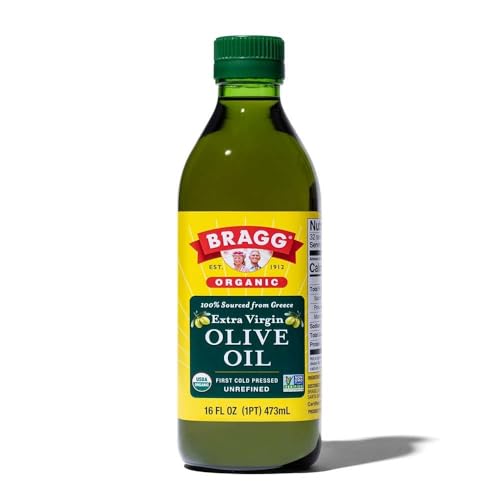
Bragg is best known for its apple cider vinegar and liquid aminos, but this organic EVOO deserves attention from pasta cooks who want a certified, budget-friendly option. It is USDA Organic, Non-GMO Project Verified, Kosher, and gluten-free, and it meets the International Olive Oil Council’s standards for quality and purity.
Reviewers describe the taste as “toasty” with a pleasant texture and no soapy aftertaste — a common complaint with lower-tier olive oils. A 16-ounce bottle is compact enough to keep on a shelf without taking over your cabinet, and the flavor is versatile enough for salads, vegetable roasting, and of course, drizzling over penne or linguine.
The polyphenol content is higher than most oils in this price bracket, according to multiple reviewers who mention the health benefits of the antioxidants. The main trade-off is size: at 16 ounces, it is best suited for moderate pasta households or as a secondary finishing oil paired with a larger cooking bottle. If organic certification is a priority for your pasta at a low entry point, this is the practical answer.
Why it’s great
- USDA organic and Non-GMO at a low entry price
- No soapy or bitter aftertaste, described as toasty
- Meets International Olive Oil Council purity standards
Good to know
- 16 oz bottle is small for heavy pasta use
- Not as robust or peppery as Sicilian single-origin oils
FAQ
Should I use extra virgin olive oil for cooking pasta sauces or only for finishing?
How do I know if an olive oil labeled “Italian” is actually from Italy?
What does “cold extraction” mean and does it affect pasta flavor?
Final Thoughts: The Verdict
For most users, the olive oil for pasta winner is the Barbera Lorenzo No. 5 because its single-varietal Sicilian olives deliver a delicate, soft finish that complements rather than overpowers any pasta dish. If you want a more versatile everyday bottle that handles both cooking and drizzling, grab the Colavita Premium Selection. And for a fresh-harvest, unfiltered experience that mirrors real Italian mill oil, nothing beats the Paesano Unfiltered.