The shift away from dairy-based protein isn’t a trend — it’s a direct response to how many of us actually feel after a shake. Bloating, sluggish digestion, and that heavy whey coma are common complaints, but the real challenge has always been finding a plant-based alternative that actually tastes good and mixes without a gritty, chalky residue. The market is flooded with options, but the gap between marketing claims and real-world performance is wide.
I’m Mohammad Maruf — the founder and writer behind AirfryerBite. I’ve spent the last two years analyzing the non-dairy protein powder market by cross-referencing hundreds of technical specs, ingredient profiles, and verified customer feedback to separate the genuinely effective blends from the overhyped filler products.
Whether you’re navigating lactose intolerance, a vegan lifestyle, or simply prefer a cleaner protein source, this guide cuts through the noise to deliver a focused look at the best non dairy protein powder options available right now.
How To Choose The Best Non Dairy Protein Powder
Selecting the right non-dairy protein powder goes beyond just picking the first vegan label you see. The texture, amino acid profile, and how your stomach reacts are all determined by the specific plant blend and manufacturing process used.
Protein Source and Amino Acid Completeness
Pea protein isolate is the most common base because it’s rich in BCAAs and digests easily, but it’s lower in methionine. That’s why the best blends pair pea with brown rice, fava bean, or chia seed to create a complete essential amino acid profile without relying on soy. If you see a single-source protein like “pea protein alone,” verify if it is fortified with additional amino acids to close that gap.
Texture, Solubility, and Grit Factor
Non-dairy powders vary wildly in how they dissolve. A micronized or isolate-grade powder will generally mix smoother in water or nut milk, while a less refined concentrate can leave a gritty mouthfeel. Customer reviews consistently mention “chalkiness” and “clumping” as deal-breakers — look for products described as fine-milled that blend well in a shaker bottle, not just a blender.
Added Ingredients and Hidden Dairy
A “dairy-free” claim on the front label does not always mean the product is free from cross-contamination or added milk-based enzymes. Always scan the “contains” statement and look for third-party certifications like “Certified Vegan” or “Non-GMO Verified” to ensure the product is truly free of lactose, whey, casein, and artificial fillers that can trigger sensitivities.
Quick Comparison
On smaller screens, swipe sideways to see the full table.
| Model | Category | Best For | Key Spec | Amazon |
|---|---|---|---|---|
| Truvani Chocolate Peanut Butter | Premium | Clean organic ingredients with monk fruit | 20g organic pea, pumpkin, chia protein | Amazon |
| Optimum Nutrition Gold Standard Plant | Mid-Range | High protein with proven brand reputation | 24g pea, rice, fava bean blend | Amazon |
| Orgain Protein + Collagen | Premium | Multi-benefit with collagen and probiotics | 25g protein with 10g collagen peptides | Amazon |
| Orgain Organic Vegan Protein | Mid-Range | Organic option with prebiotic fiber | 21g protein, 6g prebiotic fiber | Amazon |
| OM Mushroom Superfood Master Blend | Mid-Range | Functional mushroom and adaptogen boost | 21g protein + 10 mushroom complex | Amazon |
| Carlyle Pea Protein Isolate | Budget | Bulk value with high protein density | 29g protein per serving, 7lb bag | Amazon |
| Micro Ingredients Pea Protein | Budget | Minimalist unflavored bulk option | 27g unflavored pea isolate, 5lb bag | Amazon |
In‑Depth Reviews
1. Truvani Dairy Free Protein Powder | Chocolate Peanut Butter

Truvani stands out because it uses a three-source organic protein blend of pea, pumpkin seed, and chia seed to deliver a complete amino acid profile without relying on soy or rice. The Chocolate Peanut Butter flavor is consistently praised for tasting genuinely indulgent rather than artificial — a rare feat in the non-dairy category. Each 20-gram serving is sweetened with organic monk fruit, which avoids the bitter aftertaste that stevia often leaves behind.
The ingredient list is refreshingly short and transparent, free from gums, fillers, and emulsifiers that can cause bloating. It is also certified USDA Organic, Non-GMO, and vegan, with no soy, wheat, dairy, or gluten. This makes it a safe bet for those with multiple food sensitivities who still want a flavorful shake. The texture blends smoothly in a shaker bottle with almond milk, producing a creamy consistency without grittiness.
At a premium price point, the cost per serving is higher than bulk options, but the quality of ingredients and the absence of cheap fillers justify the investment for anyone prioritizing clean label nutrition. It is also keto-friendly and low in net carbs, making it versatile for different dietary frameworks.
Why it’s great
- Uses organic monk fruit instead of stevia for clean sweetness.
- Three-source protein blend provides natural complete amino acid profile.
- No gums, fillers, or artificial additives that cause digestive issues.
Good to know
- Premium pricing makes it a higher cost per serving.
- Only 20 servings per container, so it runs out faster.
2. Optimum Nutrition Gold Standard 100% Plant Based Protein
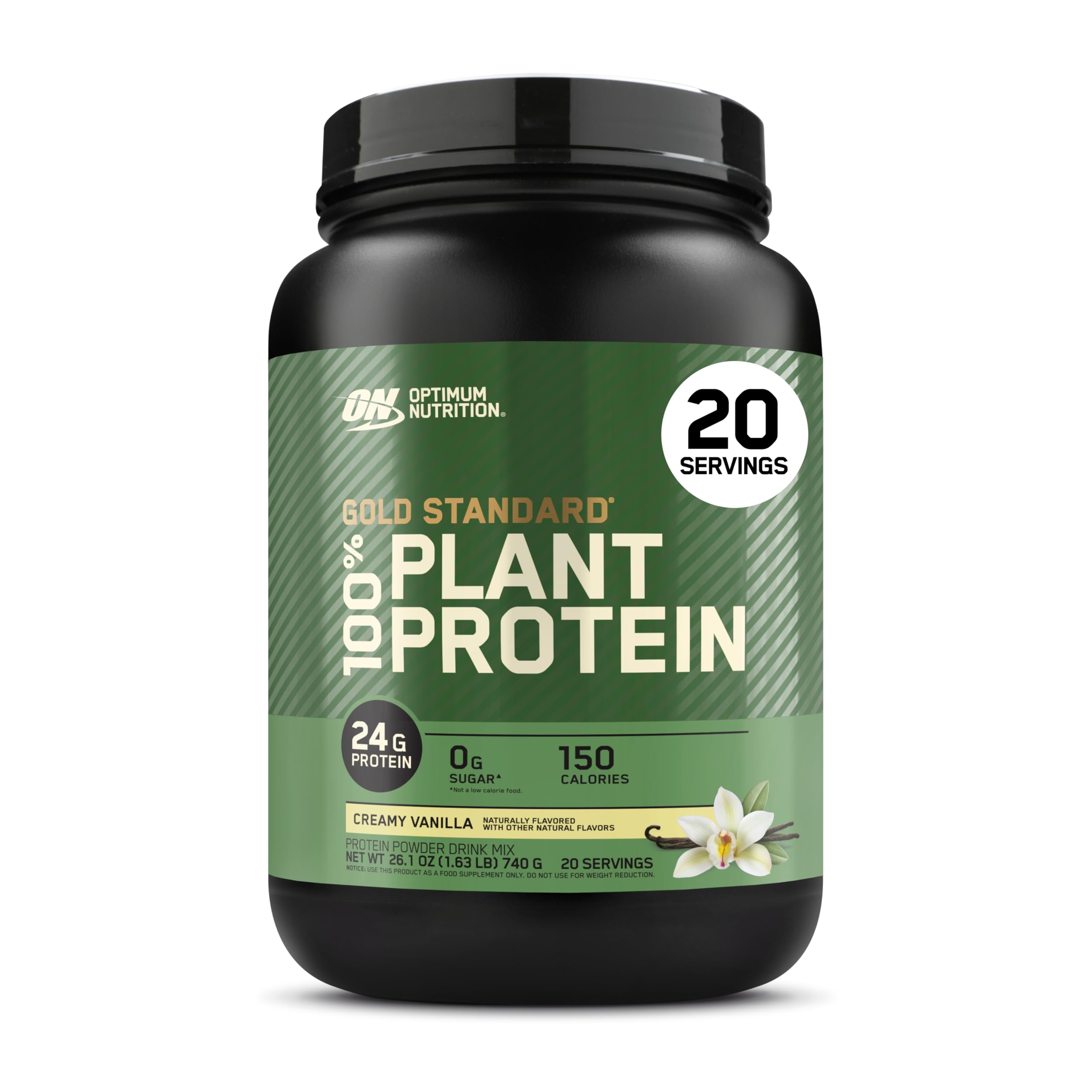
Optimum Nutrition brings its Gold Standard reputation to the plant protein space with a triple-source blend of pea, rice, and fava bean protein that delivers 24 grams of protein per serving with zero grams of sugar. This is a well-balanced formulation that provides all nine essential amino acids without relying on soy. The Creamy Vanilla flavor mixes easily in water or plant milk with minimal clumping, and it holds up well in baking and Ninja Creami recipes according to user feedback.
As the world’s #1 sports nutrition brand, Optimum Nutrition subjects this formula to banned substance testing, which adds a layer of trust for athletes and those who are strict about contamination. The macro profile is strong — low net carbs, no sugar, and a solid protein-to-calorie ratio. Customers note that the taste is significantly better than many plant-based competitors, with no overpowering earthy flavor.
One minor trade-off is that some users find the packaging oversized relative to the product volume, and a few reviewers with sensitive palates still detect a subtle plant-like taste. However, for a mid-range price that undercuts many premium organic brands, this is arguably the best balanced option for anyone who wants proven brand quality without paying top dollar.
Why it’s great
- Trusted brand with banned substance testing for safety.
- High 24g protein content with zero sugar and low net carbs.
- Triple-source blend provides complete amino acid profile.
Good to know
- Some users find the packaging is larger than the actual product volume.
- Mild plant-like aftertaste noticeable to some palates.
3. Orgain Protein Powder + Collagen, Vanilla Bean

Orgain combines 15 grams of organic plant protein with 10 grams of grass-fed bovine collagen peptides in a single scoop, along with 1 billion CFU probiotics for gut health. This is not a standard non-dairy protein powder — it is a three-in-one formulation targeting hair, skin, nail, and joint health while still delivering muscle recovery support. The Vanilla Bean flavor is subtle and mixes cleanly in water, though it performs best in smoothies or overnight oats.
The inclusion of collagen means this product is not vegan, but it is completely dairy-free, lactose-free, and soy-free. It is certified Non-GMO and Gluten-Free, with no added sugar or artificial preservatives. Users report noticeable improvements in skin elasticity and nail strength after consistent use, which sets it apart from standard protein-only powders. The probiotic addition is a nice touch for digestive comfort, though it is not a high enough CFU count to replace a dedicated probiotic supplement.
The main consideration is that the powdered collagen can make the drink slightly thicker and may not dissolve completely in cold liquids without a blender. It is also a premium product in terms of cost per serving, but the multi-functionality can replace two separate supplements, potentially saving money and cabinet space.
Why it’s great
- Combines protein, collagen, and probiotics in one product.
- Supports skin, hair, nails, and joints alongside muscle recovery.
- No added sugar, dairy, soy, or artificial ingredients.
Good to know
- Not vegan due to collagen content.
- Collagen can make the shake thicker and harder to dissolve in cold water alone.
4. Orgain Organic Vegan Protein Powder, Creamy Chocolate Fudge
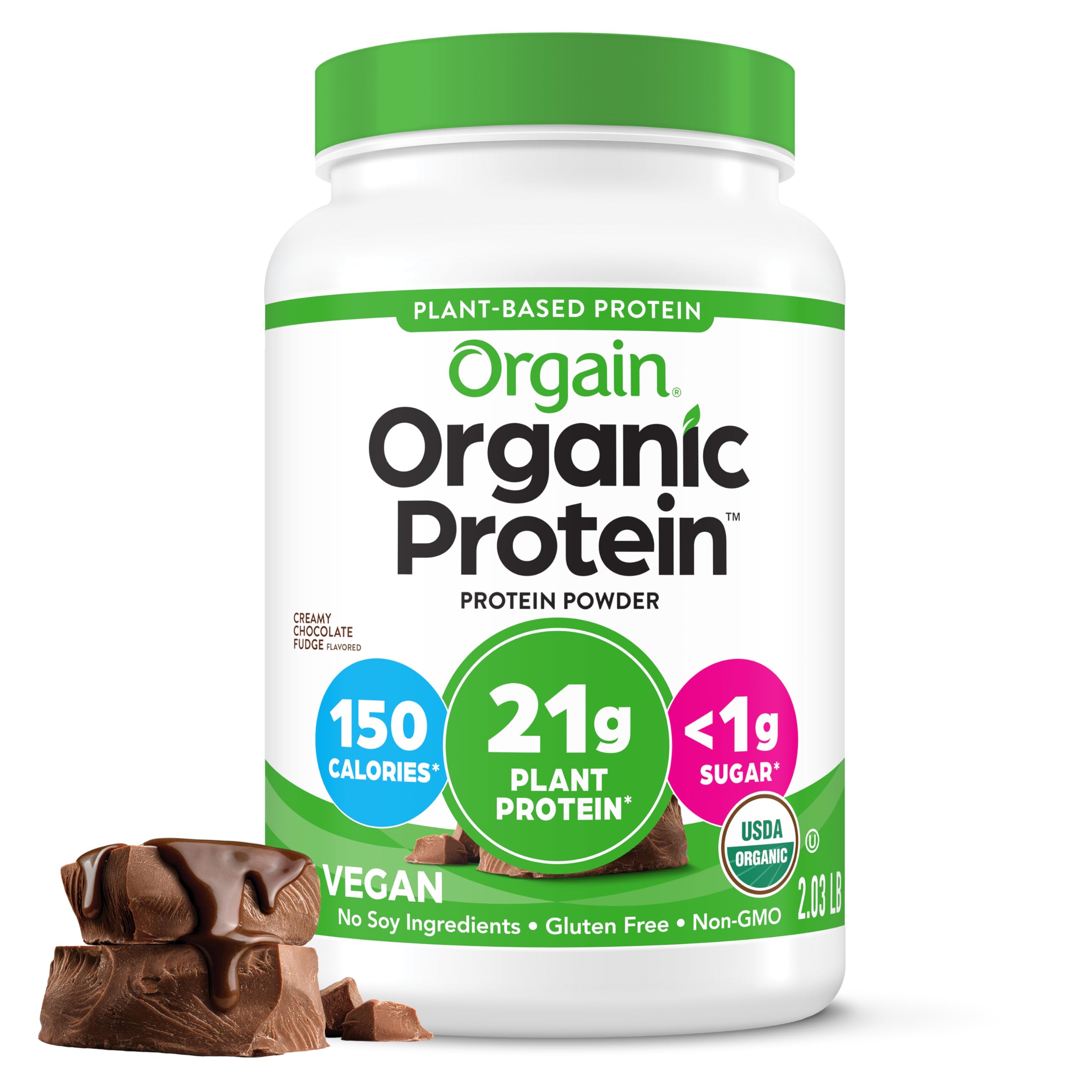
Orgain’s Creamy Chocolate Fudge is arguably the most popular non-dairy protein powder on the market for good reason. It delivers 21 grams of organic plant-based protein from pea, brown rice, and chia seeds, plus 6 grams of prebiotic fiber for digestive support, all with zero added sugar. The chocolate flavor is rich without being overly sweet, and it lacks the stevia aftertaste that plagues many vegan powders. Users consistently report that it mixes smoothly in a shaker bottle with minimal grit.
This powder is certified USDA Organic, Plant-Based, Non-GMO, and Kosher, and it is free from soy, gluten, dairy, and carrageenan. The prebiotic fiber blend is a standout addition that supports gut health without causing the bloating often associated with fiber supplements. At a mid-range price, it offers excellent value for a high-quality organic product that is versatile enough for shakes, smoothies, baked goods, and overnight oats.
One common user note is that the powder can be slightly chalky if not mixed thoroughly, and the chocolate fudge flavor is more mellow than intensely sweet, which some users balance with a banana or dates. Overall, this is the most well-rounded option for someone seeking a daily dairy-free protein that covers both nutritional and taste requirements without breaking the bank.
Why it’s great
- Rich chocolate fudge flavor with no stevia aftertaste.
- Includes 6g prebiotic fiber for digestive health.
- Certified USDA Organic and Plant-Based with clean label.
Good to know
- Can be slightly chalky if not shaken vigorously.
- Milder sweetness may not satisfy those used to sugar-laden powders.
5. OM MUSHROOM SUPERFOOD Master Blend Vegan Protein, Vanilla
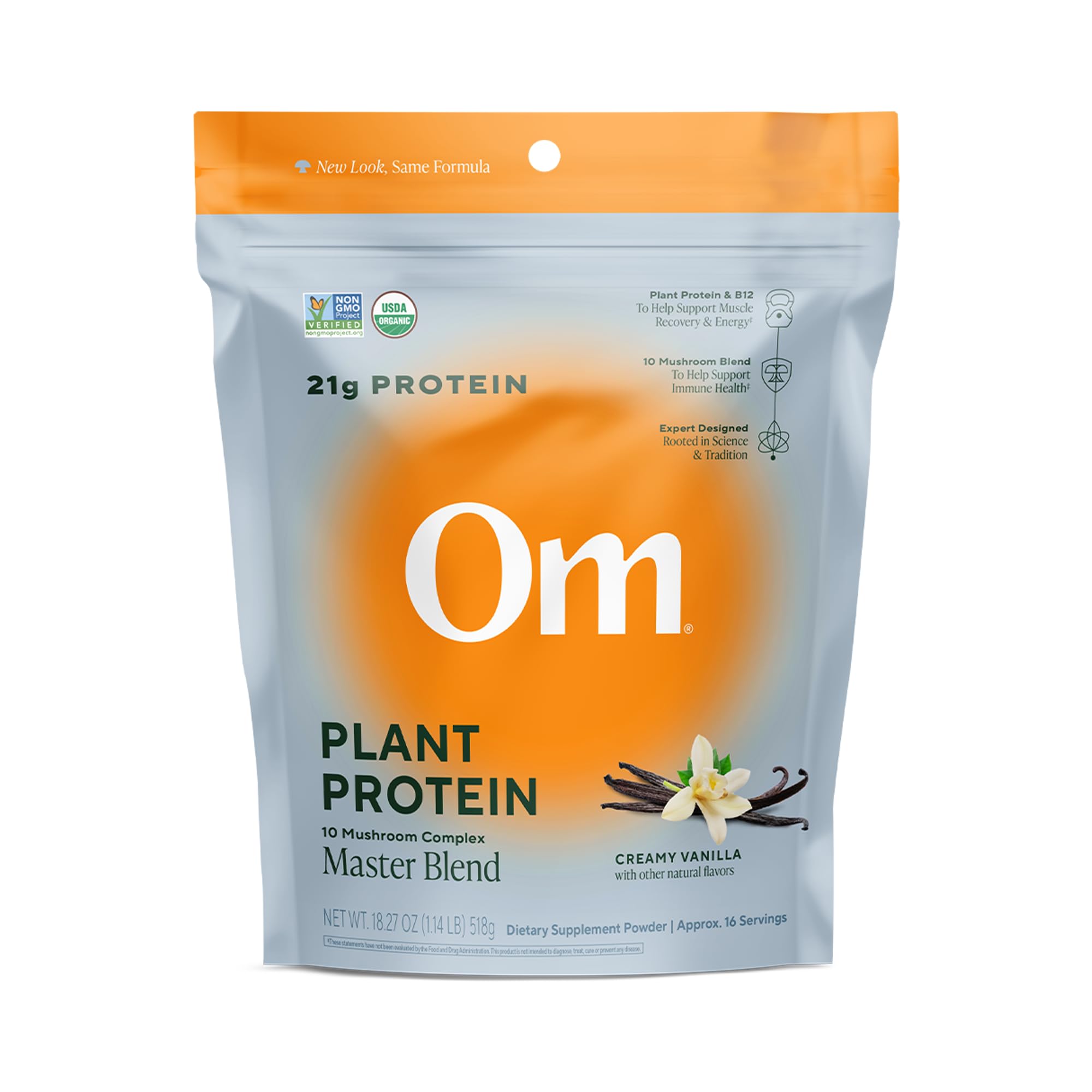
OM MUSHROOM SUPERFOOD takes a unique approach by blending 21 grams of plant-based protein with a 10-mushroom organic complex, including Lion’s Mane, Reishi, Cordyceps, and Chaga, plus KSM-66 Ashwagandha and 400mg of beta-glucans. This is not just a protein powder — it is a functional adaptogenic supplement aimed at supporting energy, cognition, immune defense, and stress balance. The Vanilla flavor is mild and mixes well in smoothies or even as a coffee creamer, with users noting a pleasant taste that doesn’t feel medicinal.
The mushrooms are certified organic and grown using both mycelial biomass and fruiting bodies, which provides a full-spectrum profile of active compounds. The addition of vitamin B12 and BCAAs makes it a more complete nutritional package for vegans who may be deficient in these areas. Customers report observable improvements in sustained energy and muscle recovery without the jitters or crash associated with caffeine-based pre-workouts.
The main limitation is the lower protein density per gram of powder compared to isolates — 21g per serving is solid but not elite for serious powerlifters. The vanilla flavor is pleasant but not as indulgent as chocolate competitors. It also requires consistent stirring to avoid lumps. For those seeking an all-in-one functional protein that supports mind and body rather than just muscle mass, this is a compelling choice.
Why it’s great
- 10-mushroom complex plus Ashwagandha for cognitive and immune support.
- Includes B12 and BCAAs for vegan nutrition needs.
- Certified organic, non-GMO, gluten-free, and vegan.
Good to know
- Moderate 21g protein may not be enough for high-intensity muscle building.
- Needs consistent stirring to avoid lumps in water.
6. Carlyle Pea Protein Isolate Powder, Unflavored
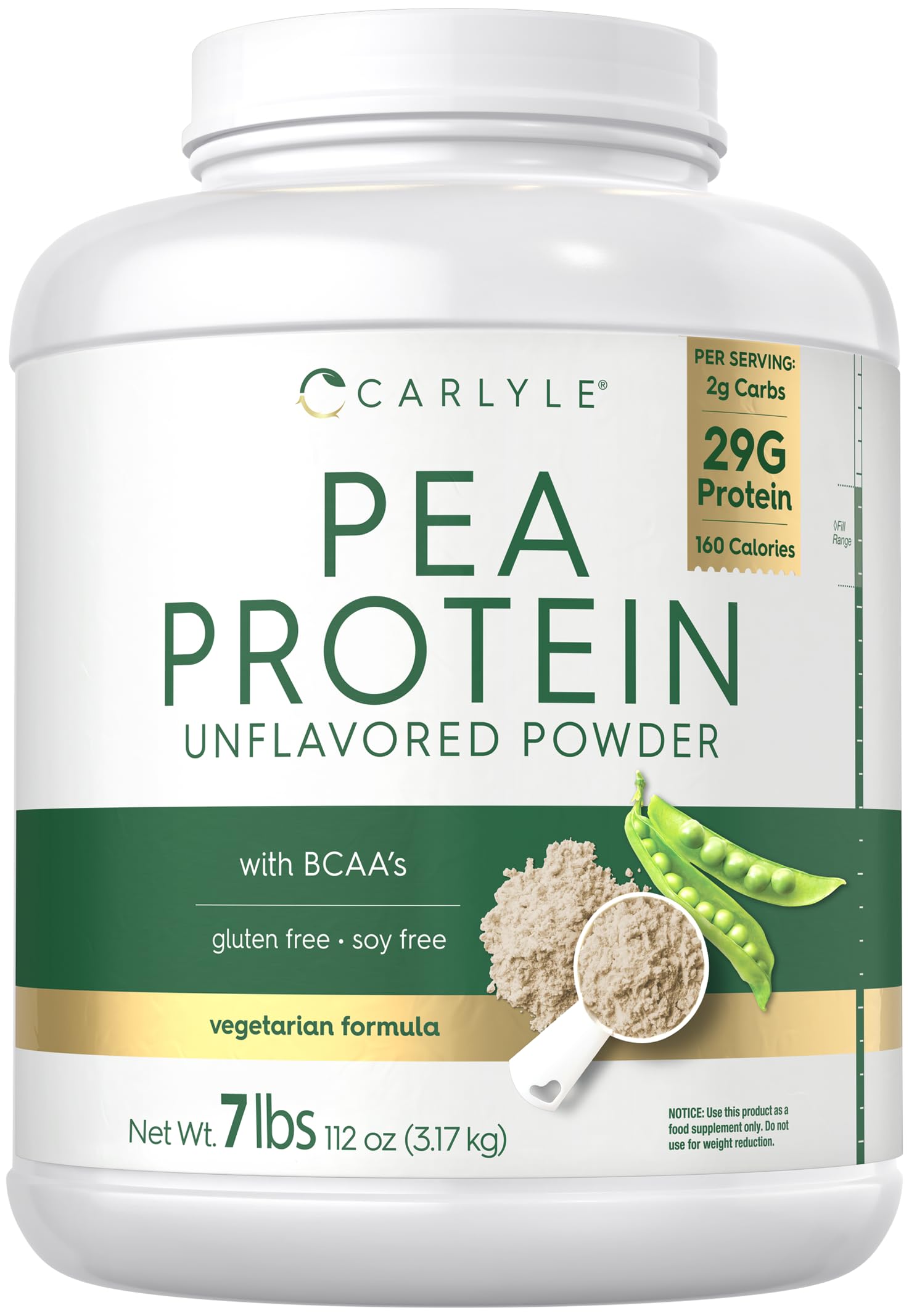
Carlyle’s Pea Protein Isolate is the highest-density protein option in this lineup, offering 29 grams of protein per serving in a massive 7lb bag. It is unflavored and unsweetened, which makes it highly versatile for mixing into smoothies, oatmeal, or baking recipes without altering the taste profile of your base ingredients. The powder is vegetarian, non-GMO, gluten-free, and soy-free, with added BCAAs for muscle recovery support.
Users highlight the value proposition — this is one of the cheapest ways to get pure pea protein isolate per gram. The neutral taste means it has no sweetness and very little pea flavor, which is a pro for those who want to control their own sweeteners. It mixes well in a blender, though some users report a slightly thicker or grainier texture compared to premium flavored blends. Adding it to a smoothie with banana and almond milk masks any texture issues completely.
One caveat is that the unflavored powder can taste bland or paste-like on its own, and it is not ideal for drinking with just water unless you are accustomed to the neutral taste of pea protein. The bag also requires a scoop that is larger than average to hit the 29g serving. For budget-conscious buyers who want maximum protein per dollar and plan to blend it into recipes, this is the cost-effective workhorse of the group.
Why it’s great
- 29g protein per serving at one of the lowest cost-per-gram rates.
- Unflavored and unsweetened for maximum recipe versatility.
- Free from gluten, soy, dairy, and artificial additives.
Good to know
- Grainier texture may not be pleasant when mixed with water alone.
- Large scoop required per serving; bland taste on its own.
7. Micro Ingredients Pea Protein Powder, Unflavored
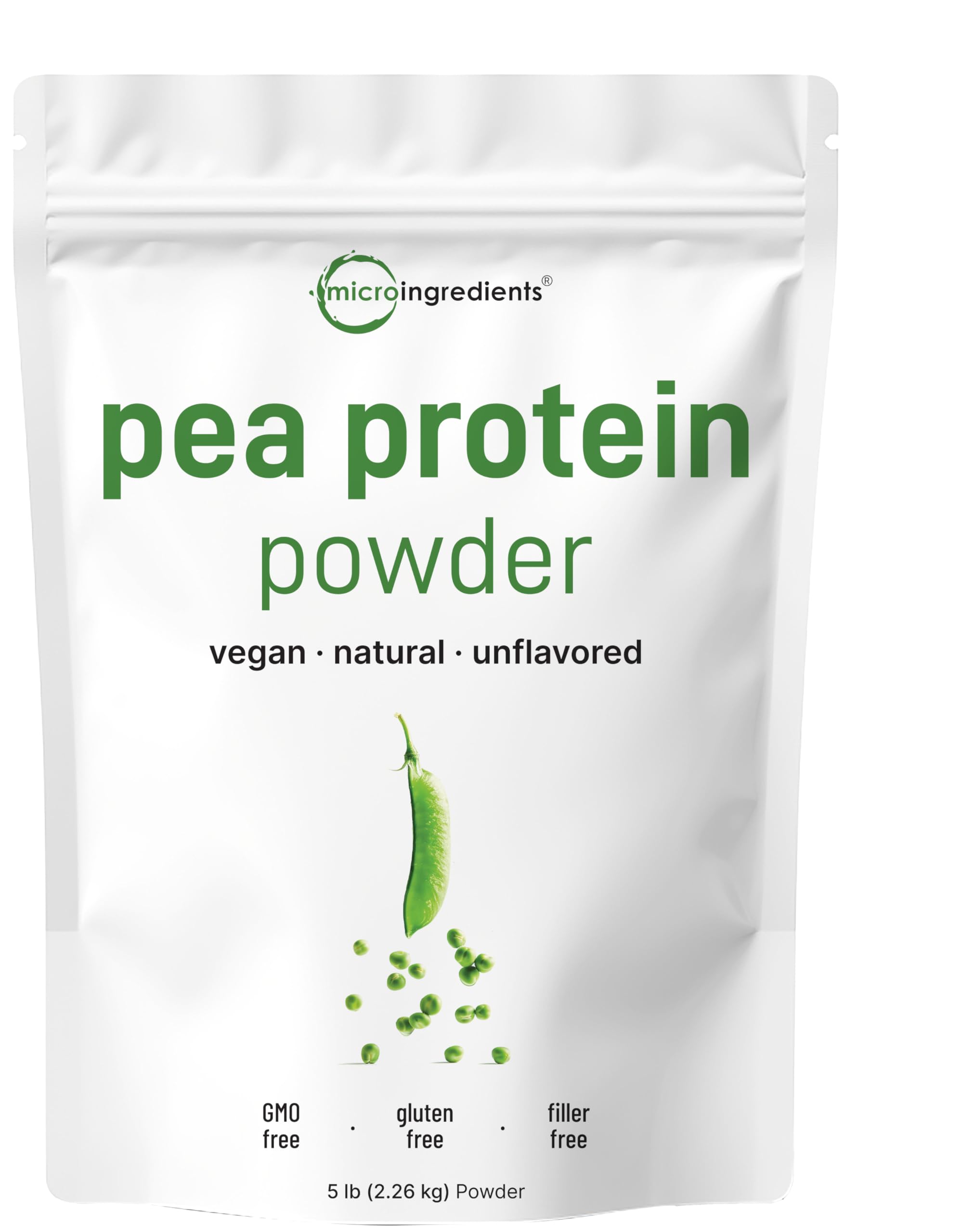
Micro Ingredients offers a straightforward, filler-free pea protein powder sourced from North American farms. Each two-scoop serving provides 27 grams of raw, unflavored protein that is free from soy, dairy, gluten, and tree nuts. The 5lb bag provides up to a 68-day supply, making it one of the most cost-conscious entries for anyone looking to maintain a consistent protein intake without spending on branding or fancy flavors.
The powder has a fine mill texture that blends reasonably well in a shaker, though some users note it can be clumpier than premium isolates. The taste is mildly earthy with no added sweetness, which integrates well into green drinks and savory recipes. Users with acne-prone skin report that switching to this pea protein cleared up breakouts compared to whey-based powders, and most find it easy to digest with no bloating.
The main feedback from the community is that the product lacks added B-vitamins required for efficient protein digestion, and one reviewer raised concerns about third-party testing transparency. It also has a slightly higher sodium content per serving than some competitors. For the price-conscious buyer who already has a digestion-supporting supplement stack and wants a basic, clean pea protein, this is a solid entry-level choice.
Why it’s great
- Excellent value with a 68-day supply in one bag.
- Clean, filler-free formulation with only pea isolate.
- Easy to digest and gentle on sensitive stomachs.
Good to know
- Lacks added B-vitamins for optimal protein metabolism.
- Some concerns about third-party testing transparency.
FAQ
What makes a protein powder truly non-dairy versus lactose-free?
Is pea protein isolate the same as complete protein?
Why do many non-dairy protein powders have a gritty texture?
Can non-dairy protein powder support muscle building as effectively as whey?
Final Thoughts: The Verdict
For most users, the best non dairy protein powder winner is the Orgain Organic Vegan Protein Powder Creamy Chocolate Fudge because it strikes the hardest balance between clean organic ingredients, satisfying taste, and a reasonable cost per serving. If you want a premium clean-label option with no stevia aftertaste, grab the Truvani Chocolate Peanut Butter. And for a functional all-in-one that supports both recovery and mental clarity, nothing beats the OM MUSHROOM SUPERFOOD Master Blend.