Finding a protein powder that delivers muscle-recovery results without triggering digestive distress or relying on animal-derived ingredients is a balancing act most plant-based eaters know all too well. Many options either taste like watered-down chalk, pack in hidden sugars, or leave you searching for a complete amino acid profile. The right choice hinges on identifying a formula that blends smoothly, provides at least 20 grams of protein per serving, and uses a digestible source like pea protein isolate or a clean multi-source blend.
I’m Mohammad Maruf — the founder and writer behind AirfryerBite. I’ve spent years analyzing nutritional supplements and plant-based sports nutrition, focusing on ingredient transparency, protein density per scoop, and the real-world mixing and taste performance that determines whether a powder becomes a kitchen staple or a cabinet relic.
Whether you need a budget-friendly daily driver for smoothies or a premium greens-infused option for post-workout recovery, the following guide breaks down the top contenders for the best non-animal protein powder available today, based on rigorous spec analysis and verified user feedback.
How To Choose The Best Non-Animal Protein Powder
Selecting the right plant-based protein powder isn’t just about grabbing the first tub with a “vegan” sticker. You need to weigh protein content per serving, amino acid completeness, digestibility, and ingredient purity. Here are the two most critical factors to get right.
Protein Source and Amino Acid Profile
Not all plant proteins are created equal. Pea protein isolate dominates the category because it’s rich in branched-chain amino acids (BCAAs) and arginine, highly digestible, and low in allergens. Some blends combine pea with brown rice, chia, or pumpkin seed to round out the methionine and cysteine profile, creating a more complete protein. If you rely on this powder for a significant portion of daily protein intake, prioritize blends verified to contain all nine essential amino acids.
Ingredient Transparency and Additives
The cleanest powders contain just one or two ingredients — pea protein isolate, and maybe a natural flavor or cocoa powder. Watch out for gums like xanthan that cause bloating, artificial sweeteners like sucralose that leave a bitter aftertaste, and “natural flavors” that can mask poor ingredient quality. USDA Organic certification and third-party testing for heavy metals and purity are strong indicators of a trustworthy product.
Quick Comparison
On smaller screens, swipe sideways to see the full table.
| Model | Category | Best For | Key Spec | Amazon |
|---|---|---|---|---|
| Orgain Organic Vegan Protein | Flavored Blend | Taste & gut health | 21g protein, 6g prebiotic fiber | Amazon |
| NOW Foods Pea Protein | Flavored Isolate | BCAA density | 24g protein, 4,200mg BCAAs | Amazon |
| Garden of Life Raw Protein & Greens | Greens-Infused | Greens & probiotics | 20g protein, 250M CFU probiotics | Amazon |
| Sprout Living Plant Protein | Multi-Source Unflavored | Ultra-clean ingredients | 26g protein, 5 sources | Amazon |
| Nutricost Organic Pea Isolate | Unflavored Isolate | Value organic | 20g protein, USDA Organic | Amazon |
| Olympian Labs Pea Protein | Unflavored Isolate | Budget-friendly bulk | 25g protein, no sugar | Amazon |
| Micro Ingredients Pea Protein | Unflavored Bulk | Longest supply | 27g protein, 5 lbs | Amazon |
In‑Depth Reviews
1. Orgain Organic Vegan Protein Powder, Creamy Chocolate Fudge
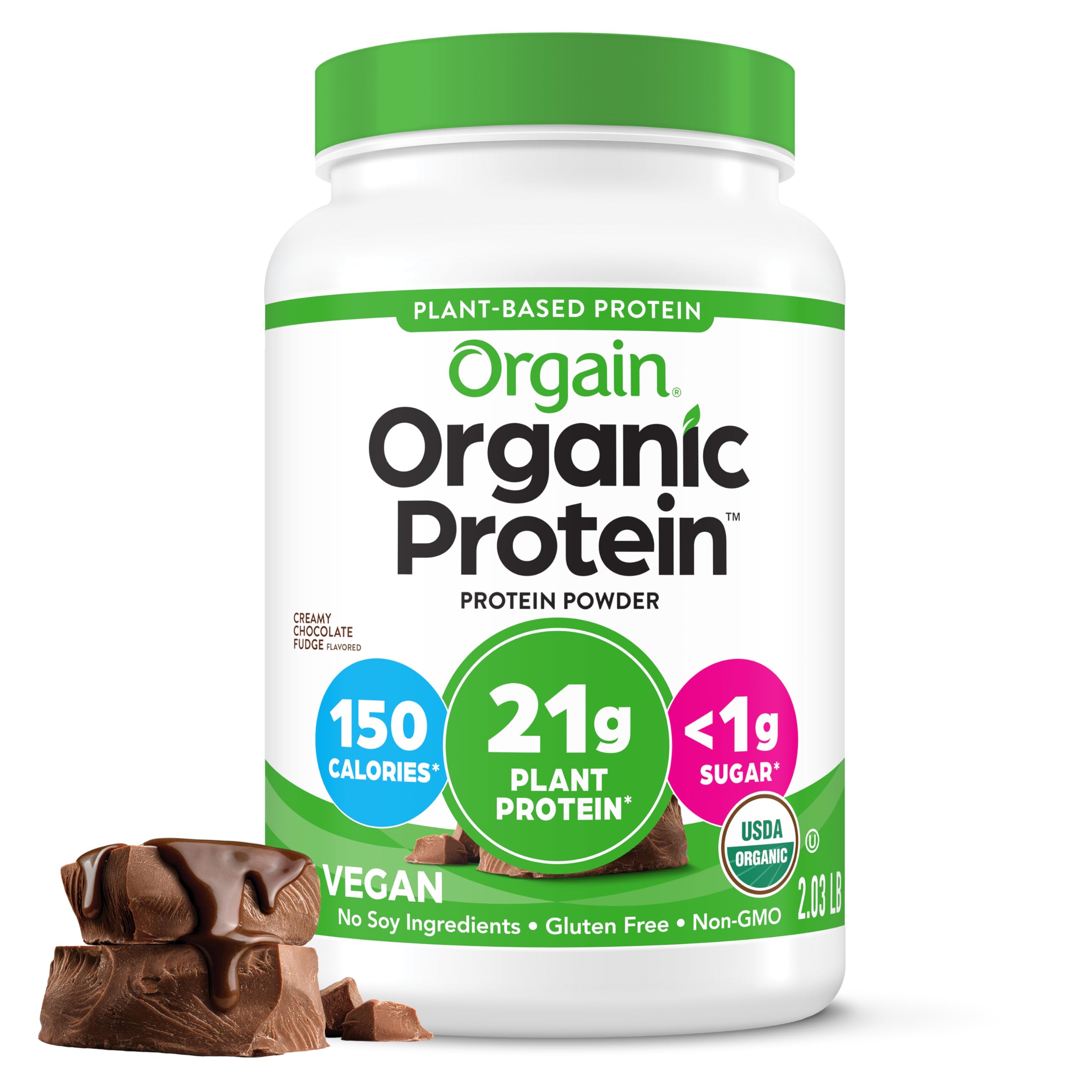
Orgain’s Creamy Chocolate Fudge earns the top spot because it solves the two biggest pain points in the plant-protein category: taste and digestive comfort. The blend of organic pea, brown rice, and chia seeds delivers 21 grams of complete protein with all nine essential amino acids, plus 6 grams of prebiotic fiber for gut support. User feedback consistently highlights the rich cocoa flavor, smooth texture when mixed with almond milk, and the absence of the chalky grit that plagues many competitors.
Each 2.03-pound container provides 20 servings, and the formula is USDA Organic, vegan, gluten-free, and free from soy and dairy ingredients. The use of organic stevia as the sweetener avoids the bitter aftertaste of artificial alternatives, and the powder mixes cleanly in a shaker bottle without clumping. For anyone transitioning from whey or looking for a reliable daily shake that doesn’t taste like punishment, this is the benchmark.
Where it falls short is the slight chalky mouthfeel noted by a minority of users when mixed only with water, and the fact that the scoop sometimes settles near the bottom of the tub. Still, for the combination of nutrition, taste, and clean labeling, Orgain sets the standard in the mid-range tier.
Why it’s great
- Excellent chocolate flavor with no artificial aftertaste
- Includes prebiotic fiber for improved digestion
- USDA Organic and free from soy, dairy, and gluten
Good to know
- Slight chalkiness when mixed with water only
- Scoop may be buried in the powder
2. NOW Foods Sports Nutrition Pea Protein 24g, Creamy Chocolate
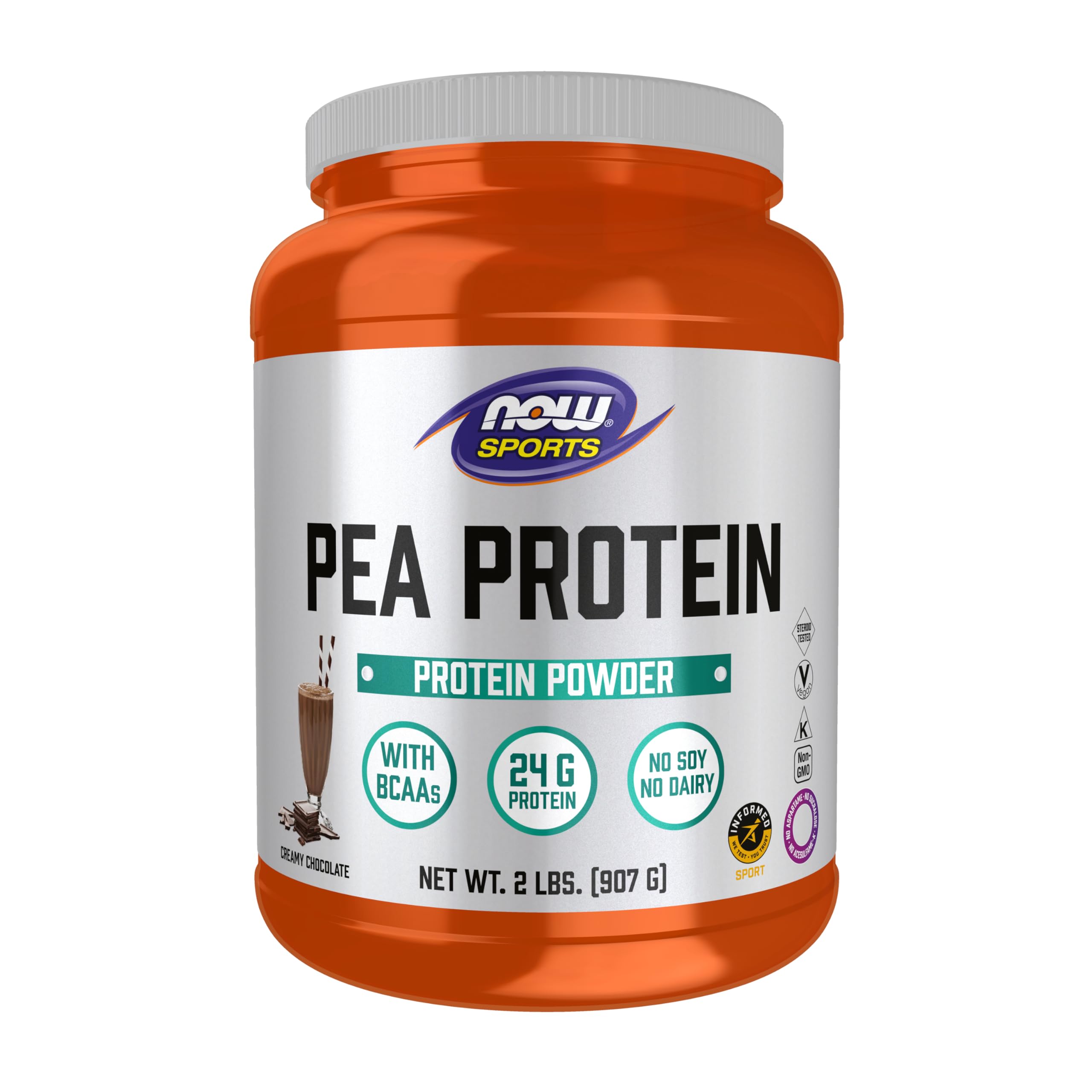
NOW Foods is a veteran in the supplement space, and their pea protein isolate delivers a dense 24 grams of protein per serving alongside an impressive 4,200 milligrams of branched-chain amino acids. The creamy chocolate flavor uses cocoa powder as the primary taste driver, resulting in a subtle, not overly sweet profile that blends well with almond milk and coffee. Long-term users report consistent results for muscle recovery without the bloating or stomach upset associated with soy or whey.
The formula is non-GMO, keto-friendly, and produced in a GMP-certified facility. Each 2-pound container holds 21 servings, and the powder stirs into a smooth consistency without requiring a blender. The amino acid profile, especially the arginine content (over 2,000 mg per serving), makes it a strong choice for athletes and active individuals focused on blood flow and recovery.
The main concern among reviewers is the use of xylitol as a sweetener, which some users monitor for blood sugar or digestive reasons. A reformulation using monk fruit or eliminating sweeteners altogether would push this to the top of the list. For now, it remains a premium pick for those who prioritize BCAA density and a clean ingredient deck.
Why it’s great
- High BCAA content supports muscle recovery
- Subtle chocolate taste that blends easily
- Low bloating and easy digestion
Good to know
- Contains xylitol as a sweetener
- Only 21 servings per container
3. Garden of Life Raw Organic Protein & Greens, Lightly Sweet
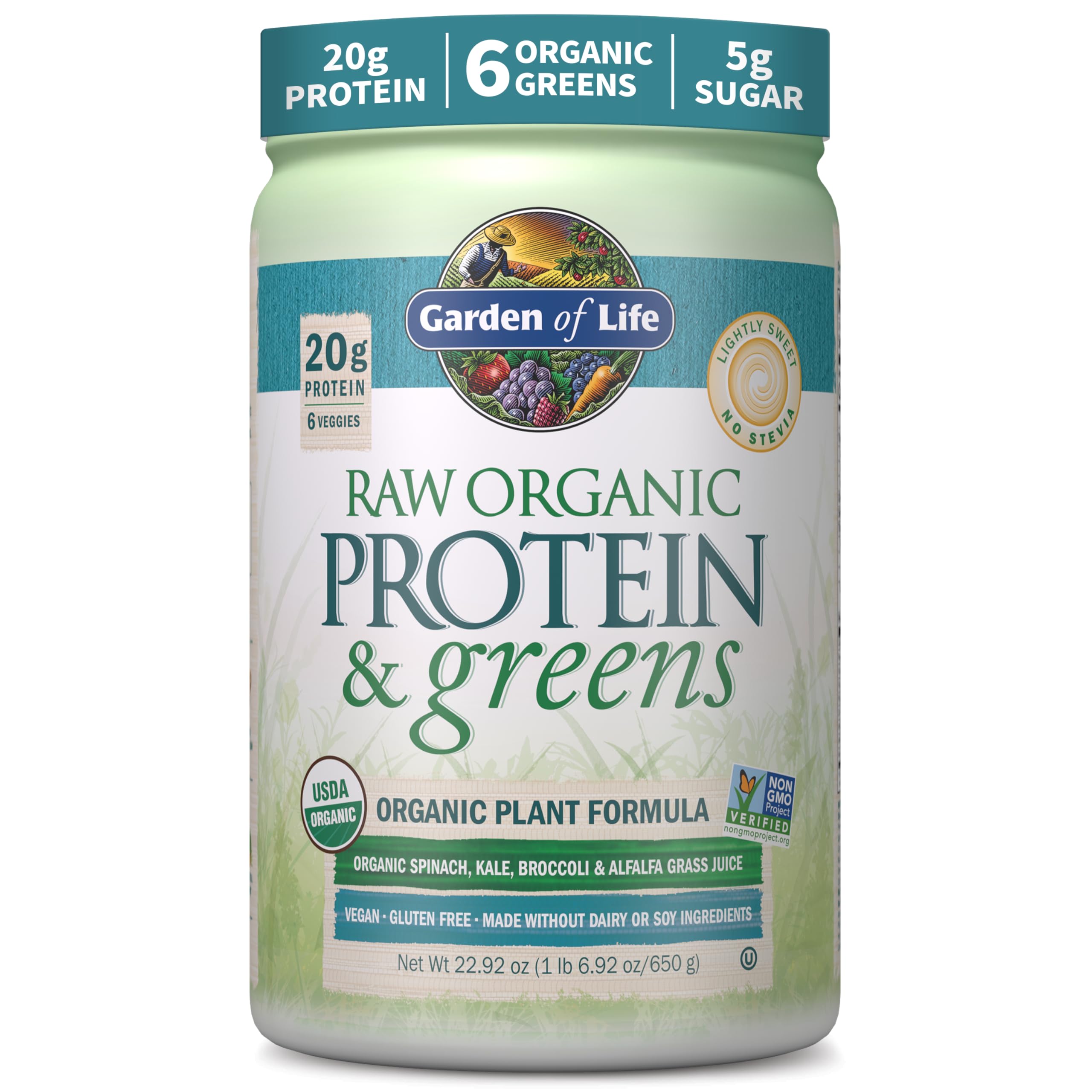
Garden of Life distinguishes itself by combining 20 grams of plant protein from organic peas, sprouted grains, and legumes with six organic greens — spinach, kale, broccoli, alfalfa grass, carrots, and beets — plus 250 million CFU of probiotics and 13 digestive enzymes. This makes it less a straight protein powder and more a comprehensive daily nutrition shake. Users who drink this in the morning report sustained energy levels through lunch, thanks to the greens and probiotic support.
The “lightly sweet” flavor uses organic stevia, which most reviewers find pleasant, though some compare the taste to Play-Doh when mixed with water alone. The fix is simple: blend with almond milk or add fruit. The powder is USDA Organic, Non-GMO Project Verified, NSF Certified Gluten-Free, and vegan, meeting the highest certification standards in the category.
At 20 servings per 1.5-pound tub, the protein-per-dollar ratio is lower than pure pea isolate options. But if you want a greens-and-protein hybrid that supports gut health and cellular energy without requiring five separate supplements, this is the most efficient buy in the premium tier.
Why it’s great
- Combines protein, greens, probiotics, and enzymes in one scoop
- High third-party certification standards
- Sustains energy without causing stomach bloat
Good to know
- Distinctive taste may require almond milk or fruit
- Relatively low serving count per container
4. Sprout Living Plant Based Protein & Superfoods Powder, Original Unflavored

Sprout Living targets the ingredient-purist segment with an unflavored formula sourced from five organic plants: yellow pea, pumpkin seed, sunflower seed, chia seed, and cranberry seed. This multi-source approach yields a complete amino acid profile with 26 grams of protein per serving, plus phytochemicals and prebiotic fiber from Jerusalem artichoke. There are no gums, artificial flavors, sweeteners, or filler ingredients of any kind — the ingredient list is refreshingly short.
The unflavored nature makes it a blank canvas for smoothies, baked goods, and oatmeal. Users transitioning from whey note that the texture is slightly grainier and the serving size (38 grams) requires more liquid to mix smoothly, but the clean energy and absence of digestive issues win over most skeptics. The formula was recently updated to replace Sacha Inchi with chia seed, further improving the texture.
The biggest drawback is the polarizing taste. While some users describe it as neutral, others find the earthy, beany flavor unpleasant on its own. This is not a powder you mix with water and chug — it shines as a smoothie base or cooking ingredient. For those who prioritize absolute ingredient purity and are willing to spend extra for the multi-source profile, it’s a standout in the premium tier.
Why it’s great
- Short, clean ingredient list with zero additives
- Multi-source protein provides complete amino acid profile
- Third-party tested for purity and heavy metals
Good to know
- Earthy taste not suitable for drinking solo
- Larger scoop requires more liquid for smooth mixing
5. Nutricost Organic Pea Protein Isolate Powder, Unflavored
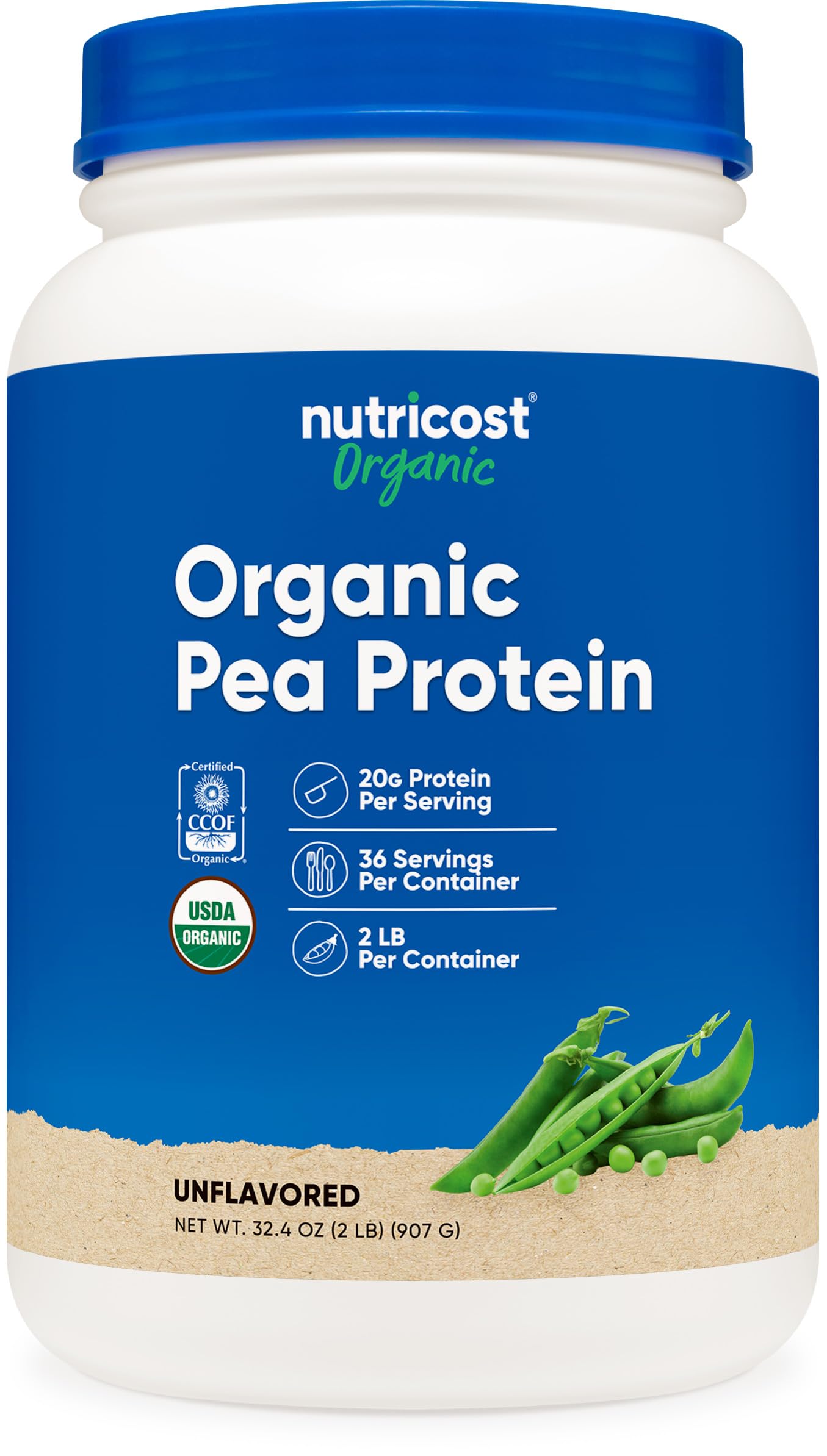
Nutricost strips the category down to its essentials: organic pea protein isolate, 20 grams per scoop, no flavoring, no sweeteners, no fillers. The 2-pound tub is compact, the screw-cap lid seals securely, and the powder is made in a GMP-compliant, third-party-tested facility. For buyers who want a straightforward, unflavored protein to add to smoothies or oatmeal without paying for marketing hype, this delivers excellent value in the mid-range tier.
Users consistently report that the taste is mild and flour-like — not pleasant straight with water, but easily masked in a shake with banana, peanut butter, or oat milk. The powder dissolves without clumping when shaken in a bottle or blended, and the fine texture mixes well even in cold liquids. Digestive complaints are rare, and the organic certification provides added confidence in sourcing.
The main limitation is the plain experience. There’s no flavor variation, no added digestive enzymes, and no prebiotic fiber. It’s a core ingredient rather than a ready-to-drink meal replacement. But as a budget-friendly organic pea isolate that hits the protein target cleanly, it’s hard to beat in this price tier.
Why it’s great
- Certified USDA Organic at a fair price point
- Minimal ingredient list with no additives
- Dissolves smoothly without clumping
Good to know
- Unflavored taste is bland and flour-like on its own
- Fine powder can be messy to scoop
6. Olympian Labs Plant Based Pea Protein Powder, Unflavored
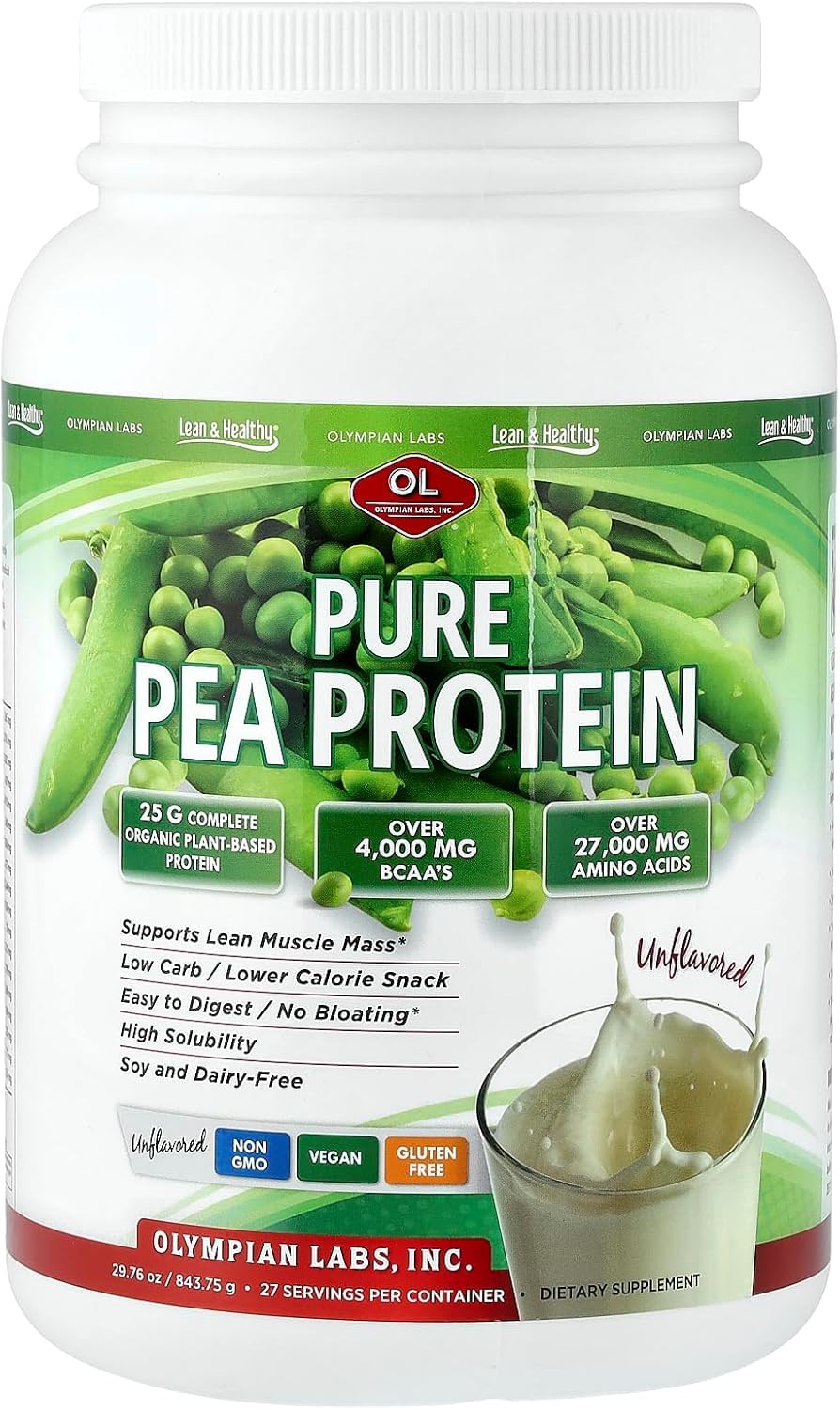
Olympian Labs offers a no-frills pea protein that packs 25 grams of protein per serving with zero sugar, soy, dairy, or gluten. The 2-pound tub uses yellow pea isolate concentrated to over 80% protein by weight, and the unflavored formula makes it versatile for smoothies, shakes, and baking. For cost-conscious buyers who need high protein density without dietary triggers, this is a strong entry-level option.
Reviewers note that the powder blends smoothly without graininess when mixed in a blender, though the taste is distinctly beany and slightly bitter when consumed with water alone. The solution, as with most unflavored isolates, is to pair it with strong flavors like cocoa, berries, or nut butter. Users with dairy allergies appreciate the absence of cross-contamination issues, and the 2-pound size offers a reasonable serving count for the price.
The primary complaint is the aggressive taste profile. Several users who switched from whey found the flavor unpleasant, and some resorted to masking it with heavy sweeteners. Additionally, the lack of organic certification may be a concern for buyers who prioritize that label. For its protein-per-dollar metric, however, it remains a reliable budget-friendly choice.
Why it’s great
- High 25g protein per serving at a low cost
- Dairy-free and safe for lactose-intolerant users
- Versatile for baking and cooking applications
Good to know
- Distinct beany taste when mixed with water
- Not USDA Organic certified
7. Micro Ingredients North American Grown Pea Protein Powder, Unflavored
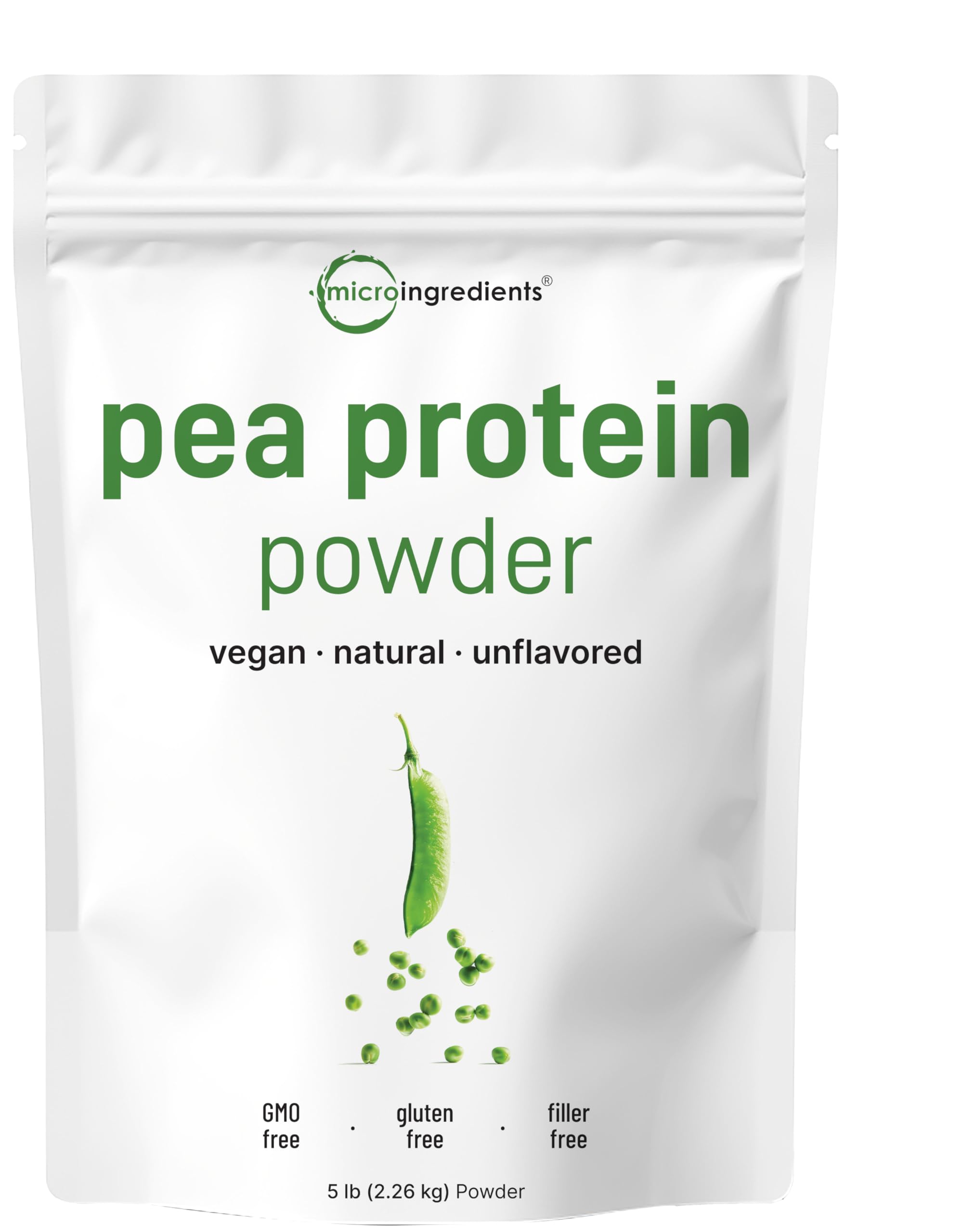
Micro Ingredients targets high-volume users with a 5-pound pouch that delivers 27 grams of protein per two-scoop serving, yielding up to 68 servings per container. The pea protein is sourced from North American farms, non-GMO, and free from soy, dairy, gluten, and tree nuts. The unflavored, unsweetened formula is designed as a bulk ingredient for shakes, protein bars, and baked goods, and the pouch format minimizes packaging waste.
Users report that the powder is finely ground and mixes relatively smoothly in a shaker or blender, with a mild earthy taste that’s barely noticeable when blended with almond milk, fruit, and seeds. The satiating effect is strong, and the absence of added sugars or artificial ingredients makes it suitable for keto and low-carb diets. Several reviewers noted improved recovery and energy without the digestive distress caused by dairy-based proteins.
The downsides include the clumpy texture when stirred with a spoon (a blender is almost required) and the lack of transparent third-party lab reports for heavy metals, which a minority of users flagged as a concern. The pouch design, while better for the environment, is slightly less convenient than a tub with a scoop. For shoppers who prioritize maximum volume and protein density at the lowest cost per gram, this is the most economical option in the roundup.
Why it’s great
- Massive 5-pound supply at a low cost per gram of protein
- North American pea sourcing with non-GMO verification
- Unflavored and versatile for various recipes
Good to know
- Clumps when stirred; requires a blender for smooth results
- No publicly available third-party lab reports
FAQ
How much protein do I need per serving from a non-animal powder?
Why does unflavored pea protein taste so bad to some people?
Is pea protein better than soy or rice protein for muscle building?
How important is organic certification for pea protein?
Final Thoughts: The Verdict
For most users, the best non-animal protein powder winner is the Orgain Organic Vegan Protein because it nails the taste-texture-nutrition trifecta with 21 grams of complete protein, 6 grams of prebiotic fiber, and a creamy chocolate flavor that makes daily use effortless. If you want the highest BCAA density for athletic recovery, grab the NOW Foods Pea Protein. And for a bulk supply that maximizes protein per dollar, nothing beats the Micro Ingredients Pea Protein.