The search for the best natural prebiotics often leads to a confusing aisle of powders, capsules, and combo blends, each promising a happier gut. Most buyers end up with a product that either ferments too aggressively, causing bloating, or lacks the potency to make any real difference to their daily digestion. The real challenge isn’t finding a prebiotic; it’s finding one that feeds the right bacteria without making you feel worse.
I’m Mohammad Maruf — the founder and writer behind AirfryerBite. I’ve spent years analyzing the raw specifications of dietary supplements, dissecting everything from CFU counts and strain diversity to organic certifications and FODMAP profiles, to separate marketing claims from genuine gut health support.
This guide cuts through the noise by evaluating five distinct options on their real-world effectiveness, from a single-ingredient organic inulin powder to a multi-strain probiotic-preboitic hybrid. The goal is simple: help you confidently choose the best natural prebiotics that genuinely fit your digestive needs.
How To Choose The Best Natural Prebiotics
Not all prebiotic fibers are created equal. The best choice depends entirely on your current dietary gaps, digestive sensitivity, and whether you need a standalone fiber or a synbiotic system that includes live bacteria. These three criteria will lock in the right pick every time.
1. Fiber Source & FODMAP Sensitivity
Most prebiotic supplements use chicory-root inulin, a high-FODMAP ingredient that can cause gas and bloating in sensitive individuals. If you have IBS or a low-FODMAP requirement, look for acacia fiber or green banana flour—both are gentle prebiotics that feed gut bacteria without the painful fermentation. A single-ingredient organic inulin is a straightforward powerhouse for those with resilient stomachs.
2. Standalone Prebiotic vs. Synbiotic Formula
A pure prebiotic supplement feeds the bacteria already in your gut. A synbiotic combines that prebiotic fiber with live probiotic strains, creating a one-pill system. The latter is ideal if you suspect your microbiome is depleted and needs both the seeds (probiotics) and the fertilizer (prebiotics). Check the CFU count on a synbiotic—anything below 30 billion is likely too weak to survive stomach acid.
3. Powder, Capsule, or Caplet Format
Powders dissolve into drinks and often allow for flexible dosing, but you must measure correctly. Capsules are convenient but can be large and hard to swallow—check dimensions if that’s a concern. Caplets are the most pill-like and portable, though some have sharp corners that catch on the throat. Your daily routine and swallowing comfort should guide this choice.
Quick Comparison
On smaller screens, swipe sideways to see the full table.
| Model | Category | Best For | Key Spec | Amazon |
|---|---|---|---|---|
| Nutricost Organic Inulin Powder | Powder / Prebiotic | Daily fiber boost & yogurt making | 7g organic inulin per serving | Amazon |
| Physician’s CHOICE Probiotics 60B | Synbiotic | Comprehensive gut health support | 60B CFU + organic prebiotics | Amazon |
| Garden of Life Once Daily Women’s Probiotic | Synbiotic / Women’s Health | Vaginal & immune health support | 50B CFU + 16 strains + prebiotics | Amazon |
| Benefiber Prebiotic GLP-1 Caplets | Caplet / Prebiotic | On-the-go fiber & GLP-1 support | Plant-based prebiotic fiber caplets | Amazon |
| Clean Nutraceuticals Fruits & Veggies Blend | Superfood / Synbiotic | Green nutrients + gut health combo | 70+ fruits/veggies + prebiotics | Amazon |
In‑Depth Reviews
1. Nutricost Organic Inulin Powder 1LB
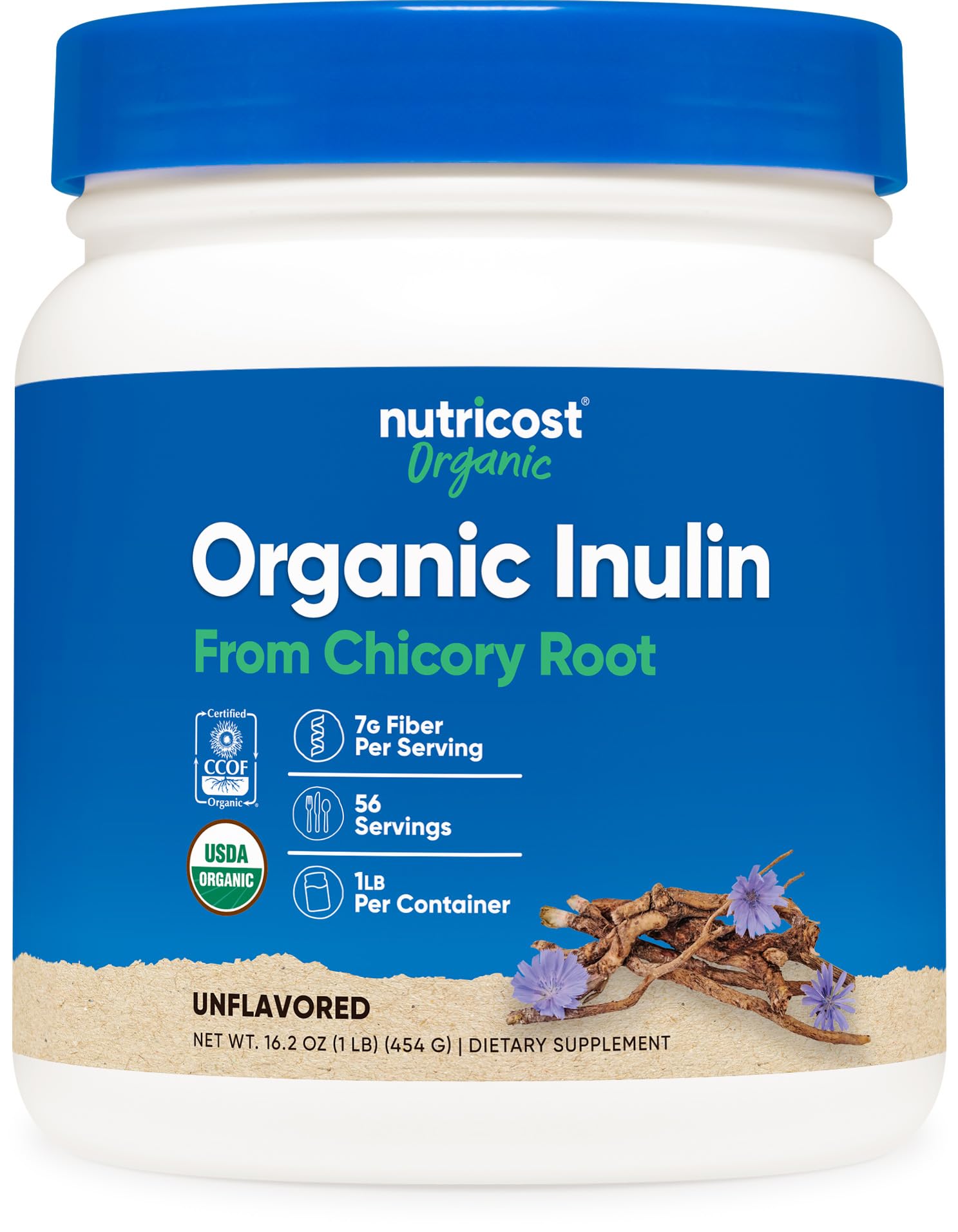
The Nutricost Organic Inulin Powder is a single-ingredient powerhouse that delivers a full 7 grams of organic chicory-root fiber per tablespoon. It’s Certified USDA Organic, Non-GMO, and Vegan-friendly, with zero added flavors. The 1-pound container includes a scoop and provides roughly 64 servings, making it one of the most flexible and pure prebiotic options available—ideal for mixing into coffee, yogurt, or smoothies.
User feedback consistently praises its ability to resolve constipation and normalize bowel movements within days. Many reviewers specifically use it to make L. reuteri yogurt at home, reporting consistent fermentation results. The powder dissolves well in hot drinks without clumping, and the neutral taste means it doesn’t alter the flavor of your morning coffee or baked goods. Several long-term users describe it as a daily staple that helps maintain dietary fiber intake effortlessly.
The one caveat is that chicory-root inulin is a high-FODMAP fiber, which can cause gas or cramping in those with sensitive stomachs or IBS. If you tolerate it well, this is the purest, most cost-effective way to feed your gut bacteria. It’s also worth noting that the scoop is inside the powder—dig it out before your first use.
Why it’s great
- Certified USDA Organic single-ingredient formula
- Versatile for cooking, coffee, and homemade yogurt
- 63 servings per container for daily use
Good to know
- High-FODMAP; may cause bloating in sensitive individuals
- Scoop buried in powder upon opening
2. Physician’s CHOICE Probiotics 60 Billion CFU

The Physician’s CHOICE Probiotics 60 Billion CFU combines a high-potency 10-strain probiotic with organic prebiotics in a single shelf-stable capsule. The 60B CFU count and acid-resistant capsule are specifically designed to survive stomach acid and maximize strain colonization. It targets general digestive support, occasional constipation, diarrhea, gas, and bloating—making it a comprehensive synbiotic for men and women alike.
Users report significant relief from bloating, with many seeing results within the first week. One reviewer successfully resolved chronic constipation and hemorrhoids by taking one capsule daily with lunch and timing it around fat-containing meals. The capsules require no refrigeration, and the bottle supplies a 30-day regimen. Multiple reviews note that the product is gentle on the stomach and delivers consistent, predictable digestive results over months of use.
Some users mention the price as a minor downside, but the quality and CFU potency justify the cost compared to lower-count alternatives. A few reviewers also found that taking the capsule too close to hot liquids or fiber supplements reduced its effectiveness—timing matters with this kind of synbiotic formula. It’s also worth noting that the bottle is compact, so it’s easy to store or pack for travel.
Why it’s great
- Acid-resistant capsules survive gut transit
- Organic prebiotics included for synbiotic effect
- Shelf-stable; no refrigeration needed
Good to know
- Best taken with meals away from hot liquids
- Price is higher than basic probiotics
3. Garden of Life Once Daily Dr. Formulated Probiotics for Women
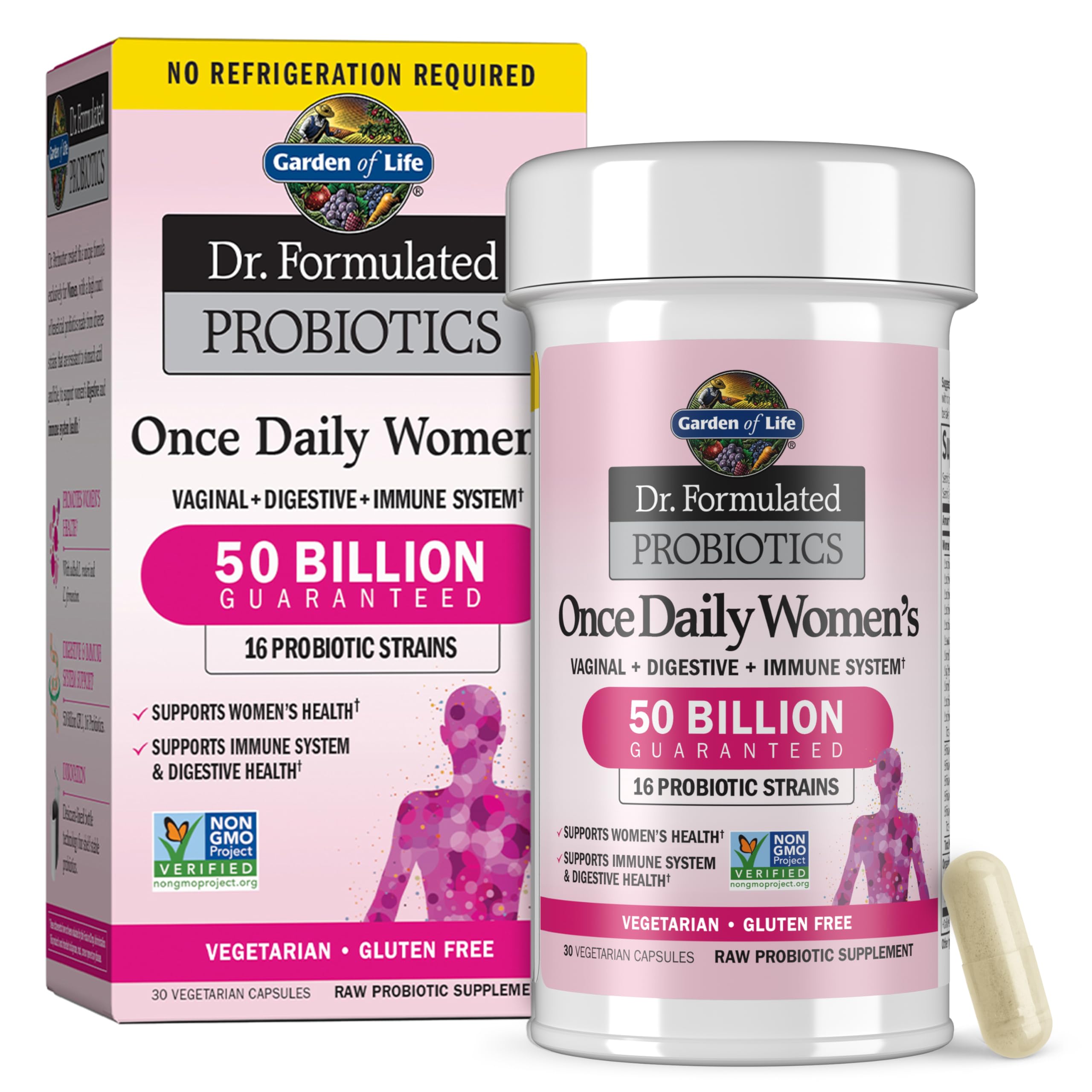
The Garden of Life Once Daily Dr. Formulated Probiotics for Women delivers 50 billion CFUs from 16 diverse probiotic strains, plus a whole food organic prebiotic fiber blend. This formula is specifically engineered for women’s health, featuring clinically studied strains like L. reuteri and L. fermentum that support vaginal pH balance and immune function. The shelf-stable bottle keeps the bacteria alive without refrigeration, and the capsules can be opened and mixed into cold food or water if swallowing is an issue.
Users who stick with this probiotic report noticeable improvements in digestive regularity, reduced bloating, and better immune resilience. Several women note that it helps prevent yeast and bladder infections when taken consistently—a benefit they don’t get from generic probiotics. The capsule size is described as medium and easy to swallow, with no aftertaste. Multiple long-term reviewers say they can feel negative changes within days of stopping, confirming the product’s real impact.
The most common drawback is the price point, which sits above many general-purpose probiotics. A few reviewers also mention the capsule is on the larger side, though still manageable. Because this is a synbiotic (prebiotic + probiotic), individuals with FODMAP sensitivity should test with a small initial dose to see how their gut reacts to the prebiotic fiber blend.
Why it’s great
- Targeted vaginal health strains included
- Shelf-stable with whole food prebiotic fiber
- Capsules can be opened for flexible dosing
Good to know
- Premium price for women-specific formula
- Prebiotic fiber may irritate FODMAP-sensitive guts
4. Benefiber Prebiotic GLP-1 Friendly Fiber Supplement Caplets
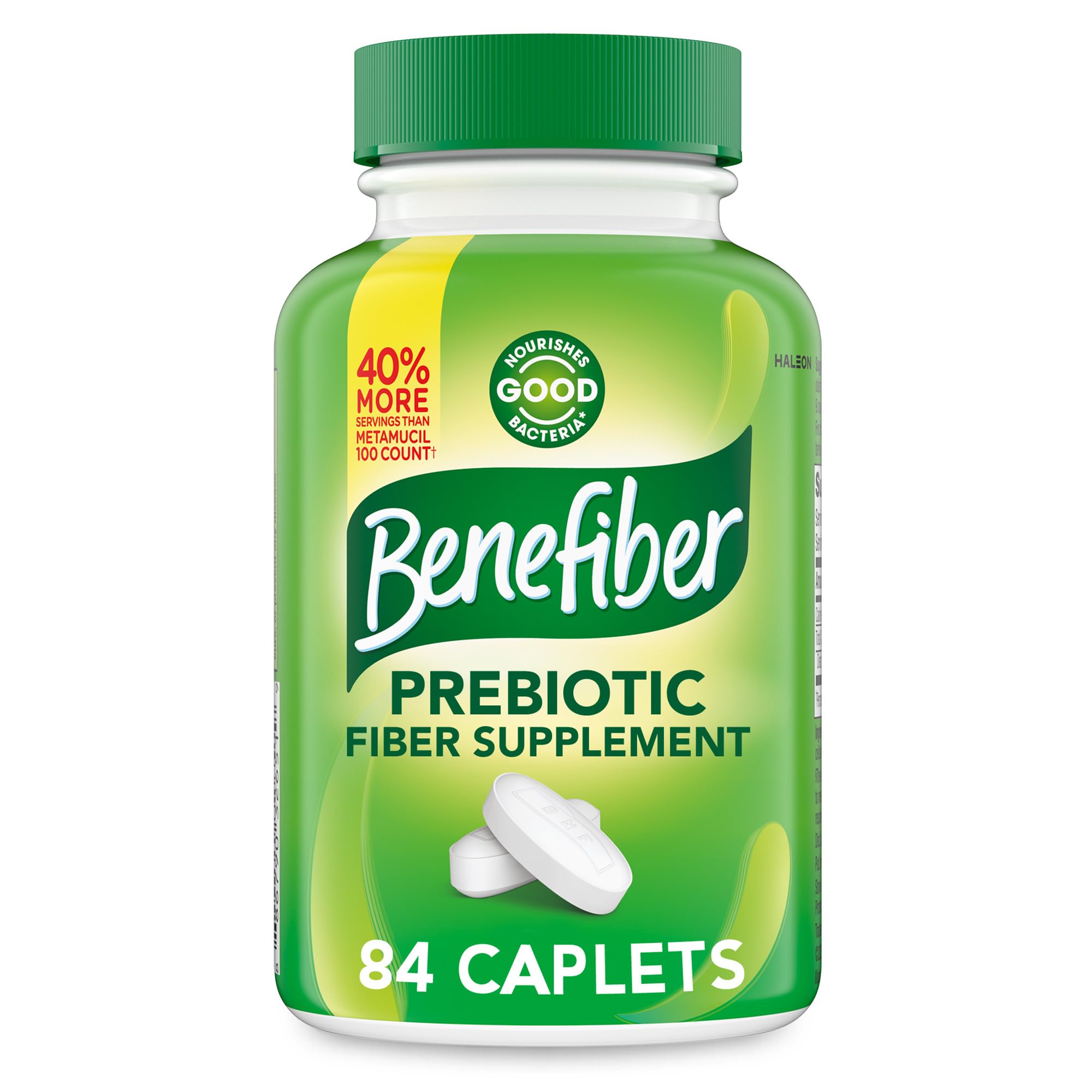
The Benefiber Prebiotic GLP-1 Friendly Fiber Supplement Caplets offer a purely prebiotic approach in a portable caplet format. Each bottle contains 84 plant-based fiber caplets designed to support daily fiber intake and nourish gut bacteria, with a specific nod to GLP-1 support—making it particularly relevant for those managing weight or using GLP-1 medications. The brand is America’s #1 prebiotic fiber brand, and the caplets are HSA and FSA eligible for added convenience.
Reviews highlight the product’s effectiveness for post-bariatric surgery patients who need a gentle fiber that doesn’t cause bloating or irritation. Users report that three caplets per day are easy to incorporate into a routine and deliver consistent digestive regularity without stomach upset. The caplets are described as having no taste, which is a plus for those who dislike flavored fibers. Several reviewers note that the product helps them fill the fiber gap that modern diets often leave open.
The primary complaint is the size of the caplets—several users describe them as “huge” with sharp corners that can catch in the throat. This makes them unsuitable for anyone with swallowing difficulties. Additionally, because this is a pure prebiotic with no added probiotic strains, it won’t rebuild a damaged microbiome on its own—it simply feeds what’s already there. If you need both seeds and fertilizer, a synbiotic is the better choice.
Why it’s great
- GLP-1 support and HSA/FSA eligible
- Plant-based prebiotic fiber, gentle on stomach
- Portable caplets for on-the-go use
Good to know
- Large caplets may be hard to swallow
- Prebiotic-only; no live probiotic strains
5. Clean Nutraceuticals Fruits and Veggies Supplement Reds & Green Superfood

This formula from Clean Nutraceuticals is the most comprehensive synbiotic on our list, packing over 70 fruit and vegetable superfoods (including Spirulina and Chlorella) alongside probiotics, prebiotics, and digestive enzymes into easy-to-swallow vegetable capsules. With 120 capsules per bottle, it provides a month-long supply of green nutrients designed to support immune function, digestion, and overall vitality. This is essentially a multivitamin and gut-support combo in one.
User reviews report increased energy, improved skin vibrancy, and better recovery from travel-induced digestive distress. One reviewer noted that the supplement relieved bloating and pain from airport food within hours. Others mention vivid dreams and better hand-eye coordination as surprising benefits from the high-antioxidant blend. The probiotics and prebiotics work together to balance gut flora, while the digestive enzymes help break down meals more efficiently.
The most significant downside is the taste—multiple reviewers describe the capsules as having a “horrible” or “weird” smell that makes them unpleasant to swallow, though the natural flavor is from the greens themselves. A few users also experienced mild cramping on the first dose, likely from the high concentration of prebiotic fibers. If you can tolerate the odor and start with a single capsule, this is a powerful all-in-one approach to gut health and daily nutrition.
Why it’s great
- 70+ superfoods + probiotics + enzymes in one pill
- Supports energy, skin, and overall vitality
- 120 capsules for a full month supply
Good to know
- Strong natural taste may be off-putting
- Can cause initial cramping in sensitive users
FAQ
Can I take a prebiotic powder if I have IBS or FODMAP sensitivity?
What is the difference between a prebiotic, probiotic, and synbiotic formula?
Final Thoughts: The Verdict
For most users, the best natural prebiotics winner is the Nutricost Organic Inulin Powder because it delivers a pure, organic, single-ingredient fiber source at an unbeatable value per serving with proven results for daily digestion and homemade yogurt fermentation. If you want a targeted synbiotic that rebuilds the microbiome while feeding existing bacteria, grab the Physician’s CHOICE Probiotics 60 Billion CFU. And for a comprehensive women’s health probiotic that addresses vaginal and immune needs alongside digestion, nothing beats the Garden of Life Once Daily Dr. Formulated Probiotics for Women.