That morning ritual you rely on might be delivering more than caffeine. Studies show a significant portion of conventional coffee beans carry mold and mycotoxins — compounds linked to brain fog, fatigue, and digestive discomfort. Switching to rigorously tested beans eliminates that hidden risk.
I’m Mohammad Maruf — the founder and writer behind AirfryerBite. I’ve spent months analyzing third-party lab reports, roast profiles, and sourcing standards to separate clean coffee brands from marketing hype.
This guide breaks down the five most reliable options available, each verified for purity and flavor. Finding the best mycotoxin free coffee means looking beyond the label at actual testing protocols, bean origin, and roast consistency that define a truly clean cup.
How To Choose The Best Mycotoxin Free Coffee
Shopping for clean coffee requires more scrutiny than picking a bag by roast level or aroma. The presence of mycotoxins — particularly ochratoxin A and aflatoxins — is invisible to taste and smell, so your selection criteria must rely on verifiable data rather than packaging copy.
Third-Party Lab Testing vs. Self-Certification
Any brand can claim to be mold-free. The brands that matter publish or offer results from independent laboratories that screen for specific mycotoxins, heavy metals, pesticides, and acrylamide. Look for statements like “lab-tested for 350+ contaminants” or specific mentions of ochratoxin A and aflatoxin panels. Self-certified organic beans reduce pesticide exposure but do not automatically eliminate mold toxins.
Roast Level and Acidity Tradeoffs
Dark roasting breaks down some chlorogenic acids, which can lower perceived acidity and reduce certain compounds that aggravate sensitive stomachs. However, the roasting process does not destroy all mycotoxins — ochratoxin A is heat-stable up to high temperatures. A dark roast is not a safety guarantee. Lighter roasts retain more antioxidants but can be harder on digestion. The safest path is to verify test results regardless of roast preference.
Whole Bean vs. Ground Freshness
Pre-ground coffee loses volatile aromatic compounds rapidly and exposes more surface area to moisture and oxygen — both factors that can encourage mold growth post-roast. Whole beans stay fresher longer and give you control over grind size. Every product in this guide is available as whole bean, and most quality-focused buyers prefer that format to preserve the clean flavor profile.
Sourcing and Altitude
Beans grown at high altitudes (above 4,000 feet) face less humidity and fewer mold-promoting conditions during cultivation. Shade-grown, single-origin lots from mountainous regions — like the Peruvian Andes or Central American highlands — tend to have lower baseline contaminant risk. Pair high-altitude sourcing with rigorous post-harvest washing and sun-drying practices for the cleanest final cup.
Quick Comparison
On smaller screens, swipe sideways to see the full table.
| Model | Category | Best For | Key Spec | Amazon |
|---|---|---|---|---|
| Fabula Low Acid Ground | Mid-Range | Rigorous 350+ contaminant testing | 12 oz pre-ground, medium roast single origin | Amazon |
| Natural Force Organic Whole Bean | Mid-Range | Mold, mycotoxin, gluten & heavy metal screens | 12 oz whole bean, medium roast | Amazon |
| Lifeboost Dark Whole Bean | Premium | Dark roast fans wanting low acid, single origin | 12 oz whole bean, dark roast, USDA Organic | Amazon |
| Lifeboost Swiss Water Decaf Ground | Premium | Decaf drinkers needing lab-tested clean beans | 12 oz ground, Swiss Water decaf process | Amazon |
| Clean Coffee Co. Low Acid Ground | Budget-Friendly | Entry-level mold-tested option with chocolatey notes | 12 oz ground, medium-dark roast | Amazon |
In‑Depth Reviews
1. Fabula Low Acid Ground Coffee

Fabula sources its beans from high-altitude Peruvian farms reaching 7,000 feet — a region where cooler temperatures and reduced humidity naturally suppress mold growth. Every batch undergoes independent third-party testing for over 350 chemicals including mycotoxins, pesticides, and heavy metals, and the brand makes those results accessible. The medium roast profile delivers notes of caramelized sugars, nuttiness, and rich chocolate without the bitter bite that often masks lower-quality beans.
Drinkers with acid reflux or general stomach sensitivity report a noticeably smoother experience compared to standard supermarket coffees. The ongoing roast schedule means the bag you receive was likely roasted within days of shipment, preserving the volatile oils and aromatic compounds that define fresh coffee. Users describe the flavor as “magnificent” with zero aftertaste or burning sensation in the digestive tract.
Some buyers note the premium price point relative to bulk organic options from warehouse clubs. The 12-ounce bag yields roughly 30-35 cups depending on brew strength, which puts the per-cup cost higher than commodity coffee. For those prioritizing verified clean sourcing and consistent lab testing, the tradeoff delivers measurable peace of mind.
Why it’s great
- Third-party tested for over 350 contaminants including mycotoxins
- Single-origin Peruvian beans grown at 7,000 feet elevation
- Fresh roast schedule ensures peak flavor upon delivery
Good to know
- Pre-ground format loses freshness faster than whole bean
- Premium per-cup cost versus bulk organic alternatives
2. Natural Force Organic Whole Bean
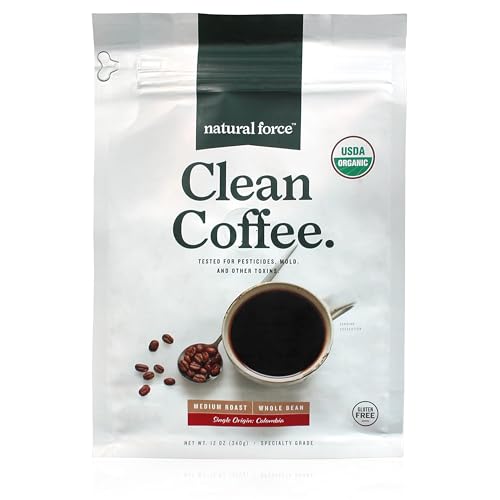
Natural Force positions its clean coffee as a response to the reality that an estimated 70% of conventional coffee contains some level of mold or mycotoxins. Each batch is third-party tested for ochratoxin A, aflatoxin, acrylamide, heavy metals, and gluten — and the brand publicly shares those results. The medium roast whole bean format preserves volatile compounds better than pre-ground, and users report visible oil on the beans indicating freshness and proper roast development.
Beyond the lab data, the coffee carries certifications from USDA Organic, Paleo Foundation, and Vegan Action. Customers describe the flavor as smooth, aromatic, and capable of replacing multiple cups due to cleaner energy without the jittery crash. Several reviews note improved digestion and reduced brain fog after switching from conventional brands.
A small subset of drinkers find the flavor profile too mild or bland compared to dark roasts, and one reviewer reported a histamine-type reaction. The whole beans require a grinder, adding an upfront step for those accustomed to pre-ground convenience. Priced in the upper mid-range tier, it competes directly with other single-origin, lab-tested options.
Why it’s great
- Public third-party testing for mycotoxins, pesticides, and heavy metals
- Whole bean format locks in freshness and aroma
- Certified USDA Organic, Paleo, and Vegan friendly
Good to know
- Requires a grinder — not for instant or pre-ground fans
- Mild medium roast may underwhelm dark roast loyalists
3. Lifeboost Dark Organic Whole Bean
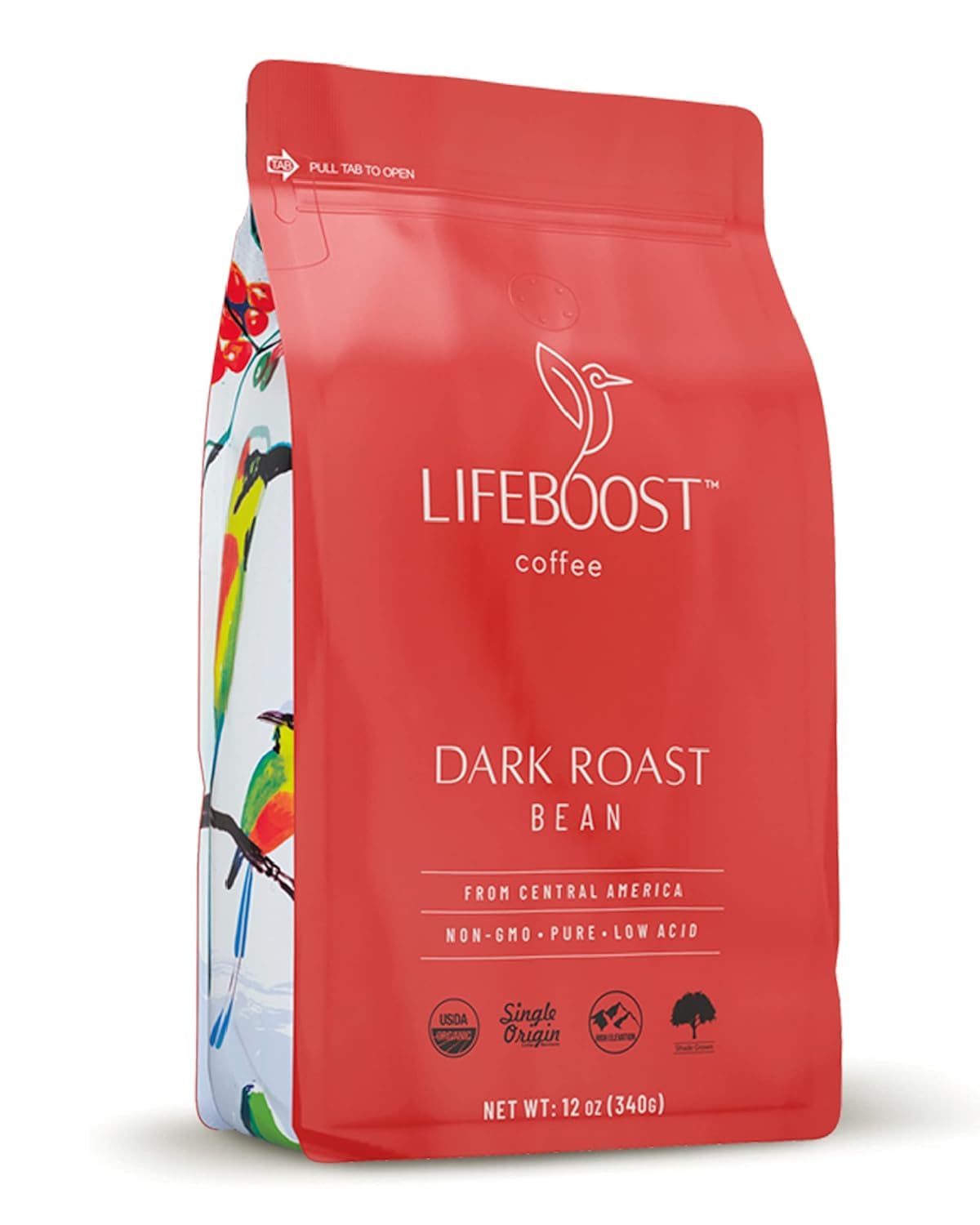
Lifeboost’s dark roast whole bean offering comes from shade-grown, hand-selected coffee cherries cultivated in the mountains of Central America. Each lot tests negative for mycotoxins, heavy metals, pesticides, and 400 other contaminants through independent labs. The dark roast profile delivers a full-bodied cup with low perceived acidity — a combination that appeals to drinkers who previously avoided coffee due to stomach discomfort or tooth sensitivity.
Users consistently praise the lack of bitterness and acidic aftertaste. AeroPress and pour-over enthusiasts note the beans produce a rich, decadent brew with a “golden” depth. The low-acid formulation is specifically designed for sensitive systems; several reviews mention switching from conventional coffee brands after experiencing chronic stomach burning. The whole bean format allows customization of grind size for different brewing methods.
A minority of drinkers reported the beans arrived dry rather than oily, which is typical of darker roasts that have rested after roasting. One review flagged an unusual reaction resembling a chemical sensitivity, though this is rare relative to the overall positive feedback. At the premium price tier, the 12-ounce bag is smaller than value-sized options, but the third-party validation and single-origin traceability justify the cost for buyers who prioritize purity.
Why it’s great
- Third-party tested for 400+ contaminants including mycotoxins
- Dark roast with low acidity is gentle on sensitive stomachs
- Shade-grown at high elevation for cleaner baseline beans
Good to know
- Beans can appear dry compared to fresher dark roasts
- Small 12-ounce bag at a premium price point
4. Lifeboost Swiss Water Decaf Ground

Decaf coffee drinkers face an extra purity challenge: many conventional decaffeination processes use chemical solvents like ethyl acetate or methylene chloride, which can leave residues. Lifeboost avoids that route entirely by using the Swiss Water Process — a chemical-free method that relies on water, temperature, and time to remove 99.9% of caffeine while preserving the bean structure. The medium roast ground format is tested for mycotoxins, pesticides, and 400+ contaminants through third-party labs.
Taste reviews highlight a deep, velvety cup that does not taste “decaf” — no flat or cardboard notes. The low-acid formulation is specifically marketed toward drinkers who experience stomach discomfort or tooth sensitivity from regular coffee. Customers describe it as the best-tasting decaf they have tried, with a smooth character that works well in drip brewers and pour-overs. The single-origin beans come from South American mountain farms using bird-friendly, shade-grown practices.
Some users found the initial flavor weak when brewed using standard pour-over ratios and had to adjust grind size or water temperature for optimal extraction. The ground format limits shelf life compared to whole bean; once opened, the bag should be used within two to three weeks. Priced similarly to the caffeinated Lifeboost options, it is among the more expensive decaf products on the market but fills a niche for those who want certified clean, chemical-free decaf.
Why it’s great
- Chemical-free Swiss Water decaffeination process
- Tested for mycotoxins, pesticides, and 400+ contaminants
- Low-acid medium roast with velvety, non-bitter flavor
Good to know
- Brew ratio may need adjustment for optimal flavor extraction
- Pre-ground format demands faster consumption after opening
5. Clean Coffee Co. Low Acid Ground
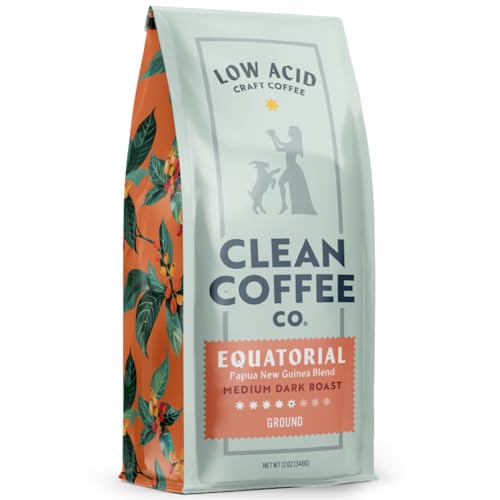
Clean Coffee Co. offers the most accessible entry point for buyers new to mycotoxin-tested coffee without jumping to the premium tier. The Papua New Guinea blend is roasted to a medium-dark level that brings forward milk chocolate, roasted almond, and vanilla notes while reducing naturally occurring acidic compounds. The beans are lab-tested for mold, mycotoxins, and harmful chemicals, though the brand is less transparent about the specific contaminants screened compared to the higher-priced competitors in this guide.
Drinkers consistently praise the smooth, non-bitter flavor and the fact that it does not cause digestive upset. Multiple reviews note that the coffee is “consistently fresh” with a rich aroma that remains sealed in the bag until opened. The ground format is compatible with French press, pour-over, drip machines, and cold brew methods — making it a versatile choice for households using multiple brewers. The roasting process focuses on low acidity while retaining natural complexity.
Sealing issues noted in earlier production runs appear to have been resolved. A recurring practical complaint is the bag design: when half-full, scooping becomes awkward because the bag does not stand upright. The 12-ounce size is standard for this category and will last a moderate-volume drinker roughly two weeks. For buyers wanting a reliable, moderately priced clean coffee with a pleasant flavor profile, this is the most budget-friendly validated option.
Why it’s great
- Lab-tested for mold and mycotoxins at an accessible price
- Smooth medium-dark roast with chocolate and almond notes
- Works across drip, French press, pour-over, and cold brew
Good to know
- Bag design makes scooping difficult when half-empty
- Less transparency on specific contaminant test panels
FAQ
Does roasting destroy mycotoxins in coffee beans?
Is organic coffee automatically mycotoxin-free?
What is the Swiss Water Process for decaf coffee?
How long does mycotoxin-free coffee stay fresh after opening?
Final Thoughts: The Verdict
For most users, the mycotoxin free coffee winner is the Fabula Low Acid Ground Coffee because it combines the widest third-party contaminant screen (350+ chemicals) with fresh-roasted single-origin beans and a smooth medium roast that satisfies both sensitive stomachs and flavor-focused drinkers. If you want whole bean control and public mycotoxin test results, grab the Natural Force Organic Whole Bean. And for dark roast fans seeking low acid without bitterness, nothing beats the Lifeboost Dark Organic Whole Bean.